The entertainment world is mourning the loss of Eric Dane, the charismatic actor who redefined television cool as Dr. Mark Sloan on Grey’s Anatomy and later captivated audiences as the complicated Cal Jacobs on Euphoria. Dane passed away at age 53 on February 19, 2026, due to complications from Amyotrophic Lateral Sclerosis (ALS), a progressive neurodegenerative disease that affects approximately 1 in 300 Americans.
His death comes nearly one year after he bravely shared his diagnosis with the public, sparking a necessary conversation about visibility and perseverance in the face of terminal illness. By continuing to work and remain present in the spotlight despite his physical decline, Dane proved that a life-altering medical reality does not have to mean an immediate withdrawal from one’s passion or profession.
His family shared the news of his passing in a heartbreaking statement that reflected the deep bond they maintained throughout his difficult journey. “With heavy hearts, we share that Eric Dane passed on Thursday afternoon following a courageous battle with ALS”, the statement read.
The message confirmed that he spent his final days in a Los Angeles hospital surrounded by his devoted wife, Rebecca Gayheart, and his two daughters, Billie and Georgia, who were described as the center of his world. This private ending followed a very public year of transition, where Dane moved from being a symbol of rugged health to a powerful advocate for those living with motor neuron diseases.
His journey with the condition began quietly when he first noticed weakness in his right hand. Like many people dealing with the early stages of a progressive illness, he initially dismissed the symptoms as a simple case of overuse. It took roughly nine months of specialist visits before he received the official diagnosis of ALS in early 2025.
When he finally shared the news with the world in April 2025, he told Good Morning America that he would never forget those three letters. He expressed deep gratitude for the support of his family as they began to navigate a chapter that would move much faster than anyone anticipated.
A Rapid Journey And Professional Grit
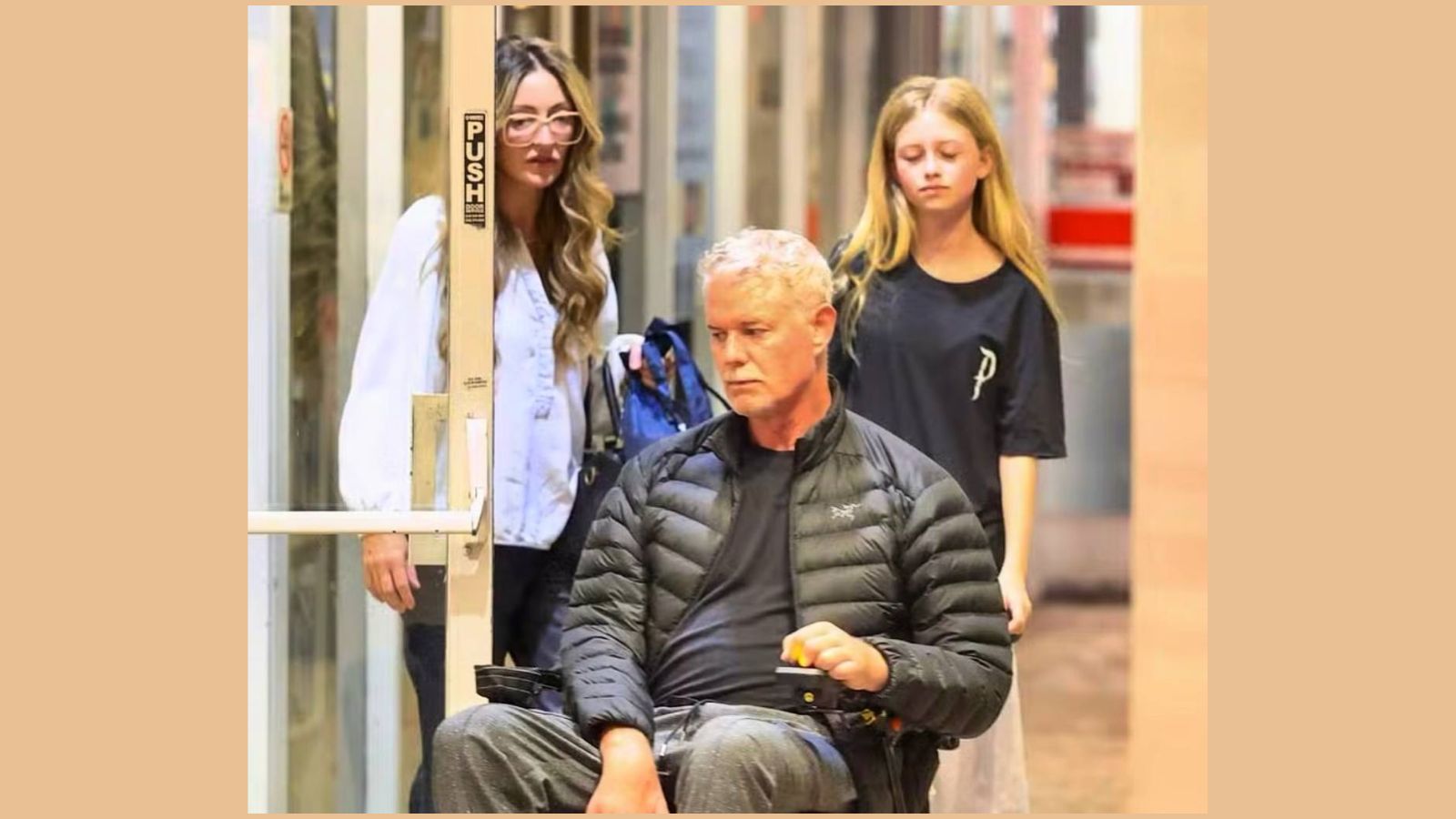
While the typical life expectancy following an ALS diagnosis is between two and five years, Dane faced an unusually aggressive version of the disease. By June 2025, just a few months after his public announcement, he had already lost the full function of his right arm and hand. The progression did not stop there, as his speech began to slur and he transitioned to using a wheelchair full-time.
Despite these staggering physical changes, he remained committed to his role on the hit HBO series Euphoria. Production for the third season of the prestige drama saw Dane filming his scenes while using a wheelchair, a move that integrated his real-life physical reality into his craft.
This choice was a significant departure from typical industry standards, where actors are often replaced or written out of scripts when they can no longer meet the physical demands of a role. Instead, the production adapted to his needs, allowing him to continue his work as his mobility declined. His presence on set served as a living example of how the industry can accommodate performers with disabilities rather than excluding them.
View this post on Instagram
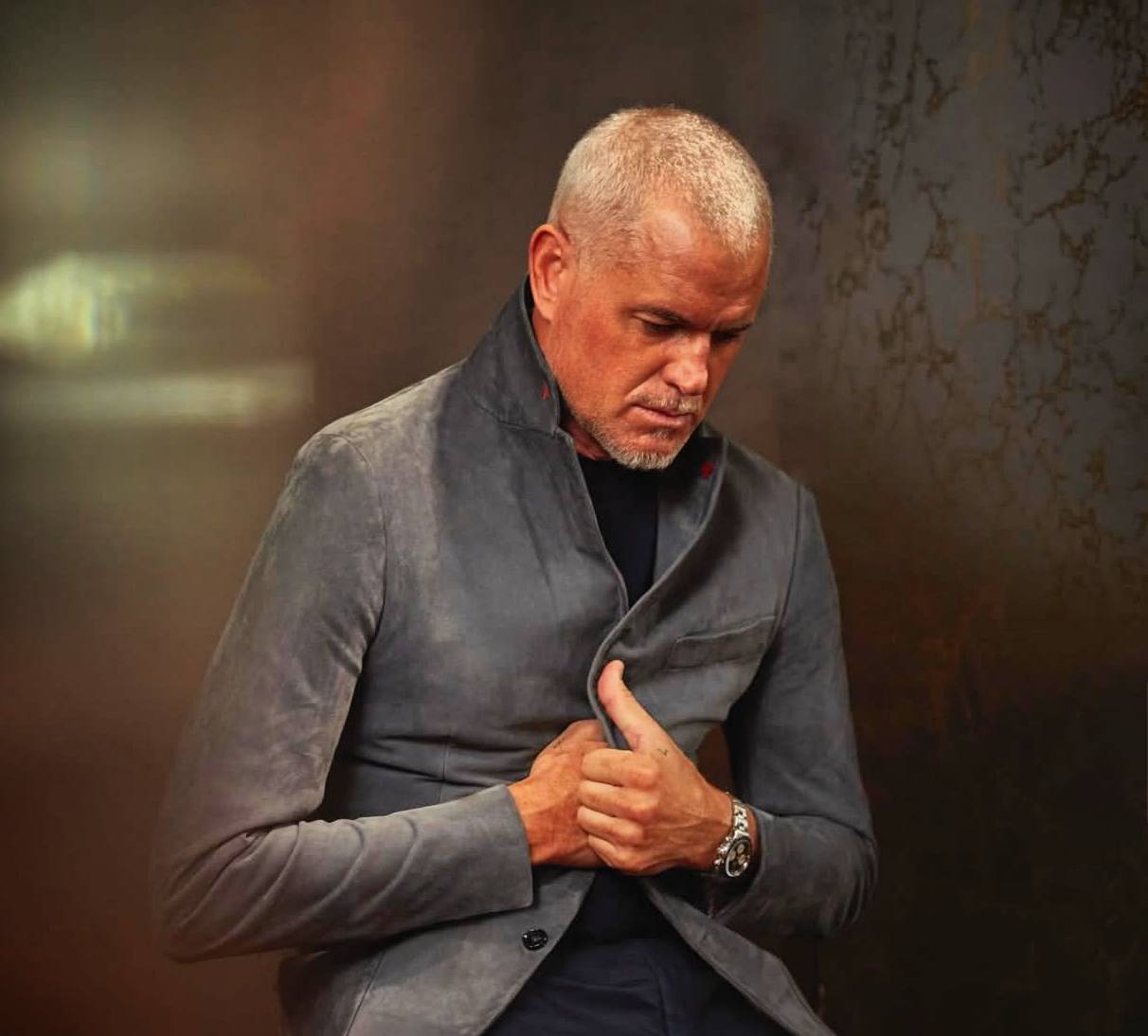
This period of his life was marked by a determination to remain visible even as the disease took its toll on his motor functions. In his final public appearance during a virtual panel for the organization I AM ALS, he described the disease as so horrible, yet he remained focused on the community he had joined.
His willingness to show the reality of his decline offered a rare and raw look at a condition that is often hidden away from the public eye. He essentially spent his final year teaching a masterclass in how to live with heart while facing an impossible clock.
The Strength Of The Family Unit
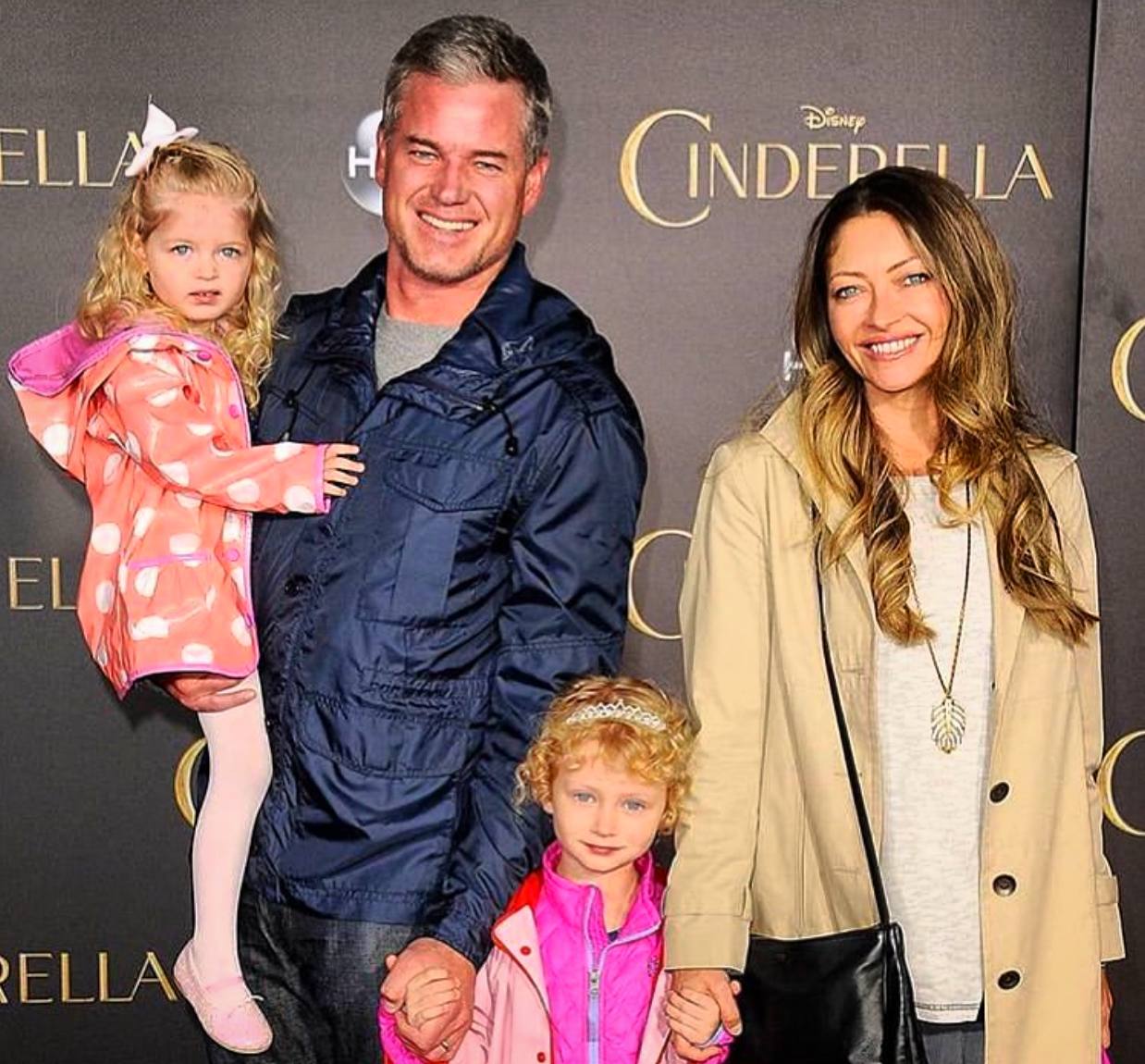
Throughout his battle, the support from his inner circle remained a constant and vital force. Though he and actress Rebecca Gayheart had been married since 2004 and faced public ups and downs, the family remained a united front in the face of his illness.
The family statement made it clear that Gayheart was his devoted wife during his final days, emphasizing the strength of their partnership. Their daughters, Billie and Georgia, were frequently cited as his primary motivation for staying engaged and positive during the rapid progression of his symptoms.
The reaction to his passing has been a mix of deep sadness and profound respect for the way he handled his final chapters. Major news outlets have highlighted not just his iconic roles but also his sudden role as a face for ALS awareness. Fans and colleagues alike have pointed to his return to Grey’s Anatomy in 2021 as a reminder of the joy he brought to the screen.
That guest appearance now feels even more poignant as it stands as one of the final times audiences saw him in peak physical form before his symptoms began.
Looking Toward A More Inclusive Future
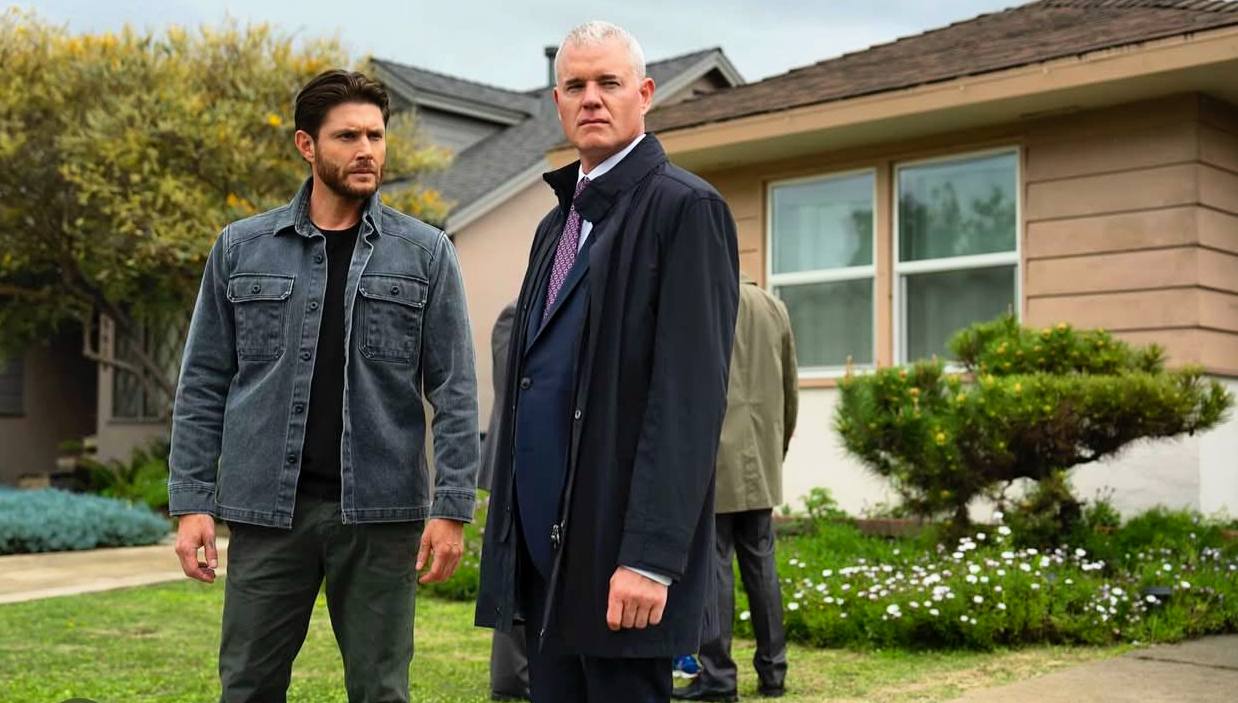
As the industry reflects on his legacy, the conversation is shifting toward how Hollywood handles aging and illness among its biggest stars. Eric Dane did not treat his diagnosis as a reason to hide, and in doing so, he opened a door for other performers who may face similar challenges.
The fact that he was able to film a major television production in a wheelchair suggests a future where disability is not a disqualifier for high-level acting. This shift in production culture may be one of his most lasting contributions to the business.
The focus now turns to his final performances, which will eventually reach the screen as a final goodbye to his fans. These works will stand as a record of a man who refused to let a diagnosis define the end of his professional life. His story remains a powerful reminder that the value of a person’s work does not diminish because their physical abilities have changed.
While his time was cut short by an aggressive disease, the impact of his final year will likely be felt by actors and advocates for decades.