Hollywood mergers are rarely quiet. But this one? This one now has the U.S. Senate asking whether politics is quietly shaping the future of American media.
On February 19, 2026, eight Democratic senators, Cory Booker, Charles Schumer, Richard Durbin, Amy Klobuchar, Richard Blumenthal, Elizabeth Warren, Mazie Hirono, and Peter Welch, sent a formal preservation letter to David Ellison, Chairman and CEO of Paramount Skydance, demanding the company retain records related to its proposed acquisition of Warner Bros. Discovery (WBD).
The letter doesn’t accuse. It doesn’t conclude. But it does something equally serious: it signals that lawmakers believe there may be political interference surrounding the merger review process, specifically involving President Donald Trump and officials within his administration.
And that changes everything.
The Warner Bros. Battle
The story began to publicly escalate in late 2025, when Netflix pursued its own proposed transaction with Warner Bros. Discovery. On February 3, 2026, the Senate Judiciary Subcommittee on Antitrust held a hearing titled “Examining the Competitive Impact of the Proposed Netflix–Warner Brothers Transaction.”
Netflix Co-CEO Ted Sarandos and WBD executive Bruce Campbell testified. David Ellison was invited. He declined.
Ellison reportedly characterized Paramount’s competing bid as “only an offer.” But the Senate letter disputes that framing. The Department of Justice had already issued a Second Request for Information, a significant milestone in merger review that signals deeper antitrust scrutiny.
Translation? This wasn’t hypothetical. It was advancing.
Then, Paramount announced it had certified “substantial compliance” with that Second Request, triggering a 10-day DOJ waiting period. And here’s where senators’ eyebrows went up.
Paramount expressed confidence that it would receive “the necessary clearances quickly and efficiently,” asserting the deal does not raise competition concerns. Senators say: not so fast.
The Trump Question
The most explosive section of the letter isn’t about market concentration. It’s about politics.
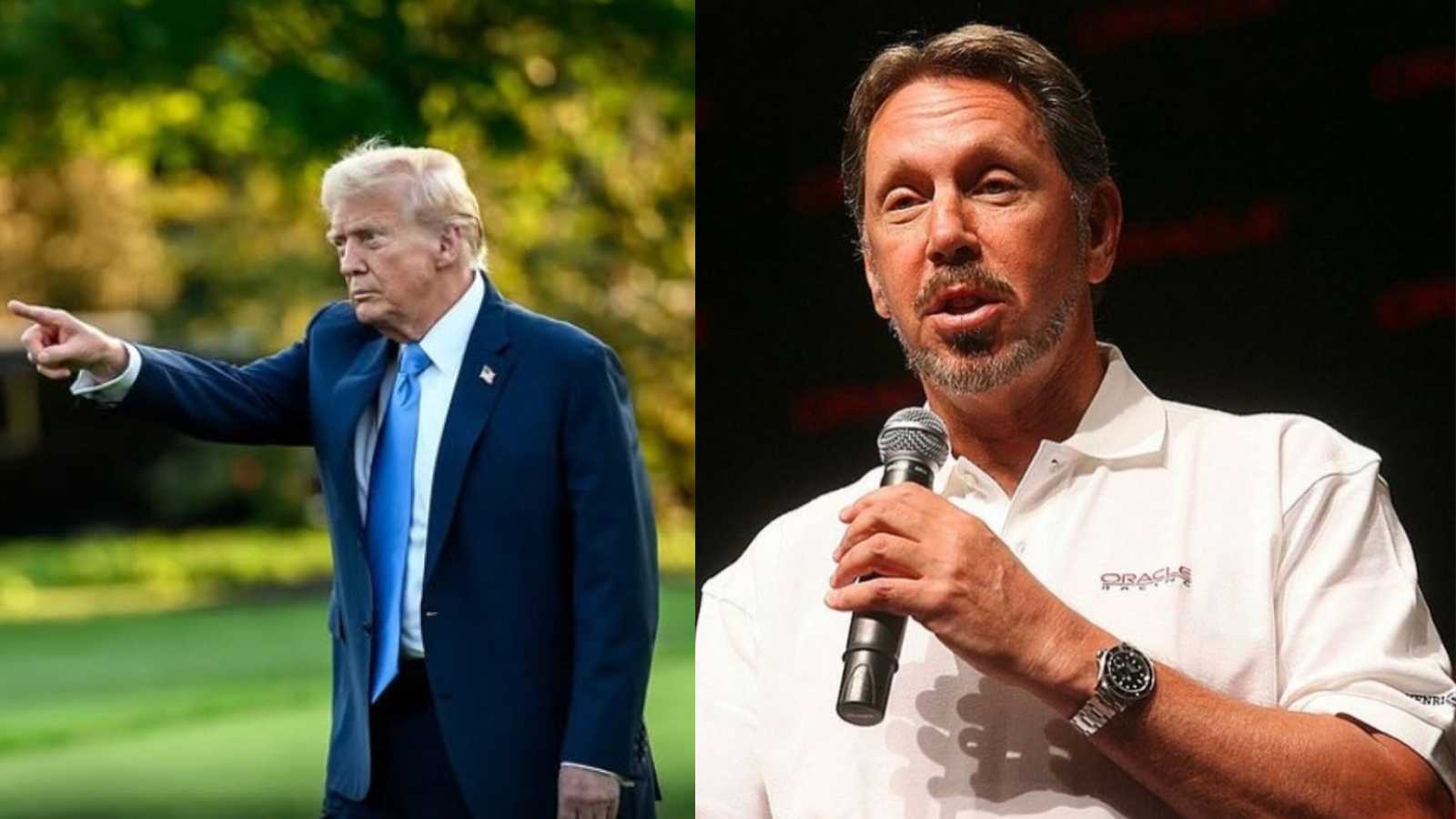
Attachment A of the Senate document demands detailed disclosures about communications between Ellison, or anyone acting on Paramount’s behalf, and President Trump, members of his family, White House officials, DOJ political appointees, and Trump business associates.
It goes further.
Senators ask whether Trump or Attorney General Pam Bondi indicated the DOJ would expedite review, Ellison met with Trump in the days before the President publicly claimed he would not be involved in the review, and Paramount offered assurances about changes to CNN in exchange for favorable treatment
Additionally, whether Paramount’s $16 million settlement involving a “60 Minutes” interview with then-VP candidate Kamala Harris was discussed in connection with the acquisition, and Ellison’s father, Larry Ellison, communicated with Trump regarding the deal.
Let’s pause there.
Larry Ellison is not just a billionaire founder of Oracle. He has had a documented history of political involvement, including prior public support for Trump. The Senate clearly views his potential role as relevant.
Even more striking: lawmakers ask whether Paramount or its lobbyists encouraged the DOJ to investigate Netflix on unrelated grounds.
That’s not just merger oversight. That’s political leverage territory.
Why This Is Bigger Than One Deal
Here’s what’s really at stake: control of one of the most powerful storytelling ecosystems in the world.
Warner Bros. Discovery owns CNN, HBO, Warner Bros. Studios, DC, TNT/TBS, and massive streaming and film assets. Paramount controls CBS, Paramount Pictures, Nickelodeon, MTV, and streaming infrastructure.
This combination would reshape U.S. media concentration overnight.
The DOJ’s Second Request is issued only when regulators believe a merger could meaningfully harm competition. It dramatically extends review timelines and requires extensive internal documentation.
Paramount’s public confidence in rapid clearance is precisely what triggered Senate suspicion. The letter explicitly states the “pattern of evasion” and the company’s confidence in approval “warrants serious scrutiny.”
The Gail Slater Factor
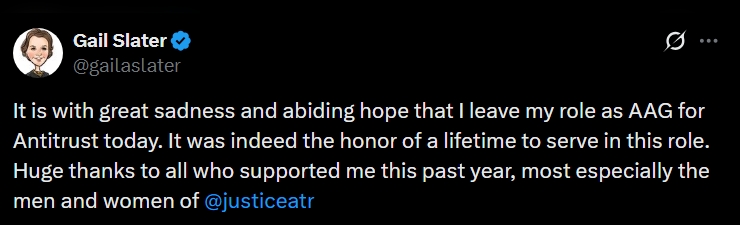
One detail many headlines are overlooking: the letter asks whether Paramount had advance knowledge of the termination of Assistant Attorney General for Antitrust, Gail Slater, before her public dismissal on February 12.
That’s not routine oversight. That’s a direct probe into whether regulatory personnel changes intersected with corporate strategy.
Is This Political Theater?
Here’s the uncomfortable question: Is this a genuine concern or strategic signaling?
Major mergers often draw Senate attention. But preservation letters are serious legal steps. They are issued when lawmakers anticipate potential litigation or oversight hearings.
At the same time, Democrats have consistently criticized media consolidation across administrations. And the Netflix–Warner scenario itself suggests broader competitive anxieties beyond Paramount alone.
So what are we watching?
Three possibilities: A legitimate inquiry into potential political interference. A warning shot to discourage perceived backchannel influence. A high-stakes political optics battle ahead of a historic media consolidation.
Maybe it’s all three.
What Happens Next
Paramount is directed to respond in writing by February 26, 2026. That response will matter.
If Ellison provides clear, documented denials, the issue may cool. If there are gaps, inconsistencies, or evidence of political coordination, this escalates into public hearings, subpoenas, and possibly litigation.
Meanwhile, DOJ still controls the regulatory clock.
When presidents publicly comment on mergers. When billionaires have political access. When news networks are embedded inside acquisition targets. The merger stops being purely economic. It becomes democratic.
The Question We Should Be Asking
If political influence even appears to shape who controls major news organizations, does public trust survive the deal, regardless of whether laws were broken?
That’s the tension beneath this letter. This isn’t just about Warner Bros. It’s about who steers American narrative power. And whether regulators are independent when billions and ballots are involved.
Hollywood loves a dramatic third act. This one may be happening in Washington. And it’s just getting started.