When we tell the story of the ancient world, we too often inherit a crowded parade of kings, generals, and male philosophers, as if public life, invention, literature, and courage were almost entirely their domain. The record itself tells a different story. Across Mesopotamia, Greece, Egypt, and the biblical world, women appear as named authors, scientific innovators, teachers, warriors, intellectuals, and symbols of civic defiance. Some are firmly historical. Some survive through tradition, literary memory, or later retellings. Yet together they show us something powerful about antiquity: women could shape culture so deeply that even societies built to limit them could not erase them completely.
What makes these women remarkable is not simply that they were “firsts,” though several of them were. It is that each one broke into a realm that ancient societies often treated as male ground, writing, philosophy, medicine, science, state religion, warfare, or public memory, and left behind a legacy that outlived dynasties and empires. When we place them side by side, we do not see exceptions so much as evidence. We see that ancient civilization was never built by men alone.
Enheduanna, the World’s Earliest Named Author
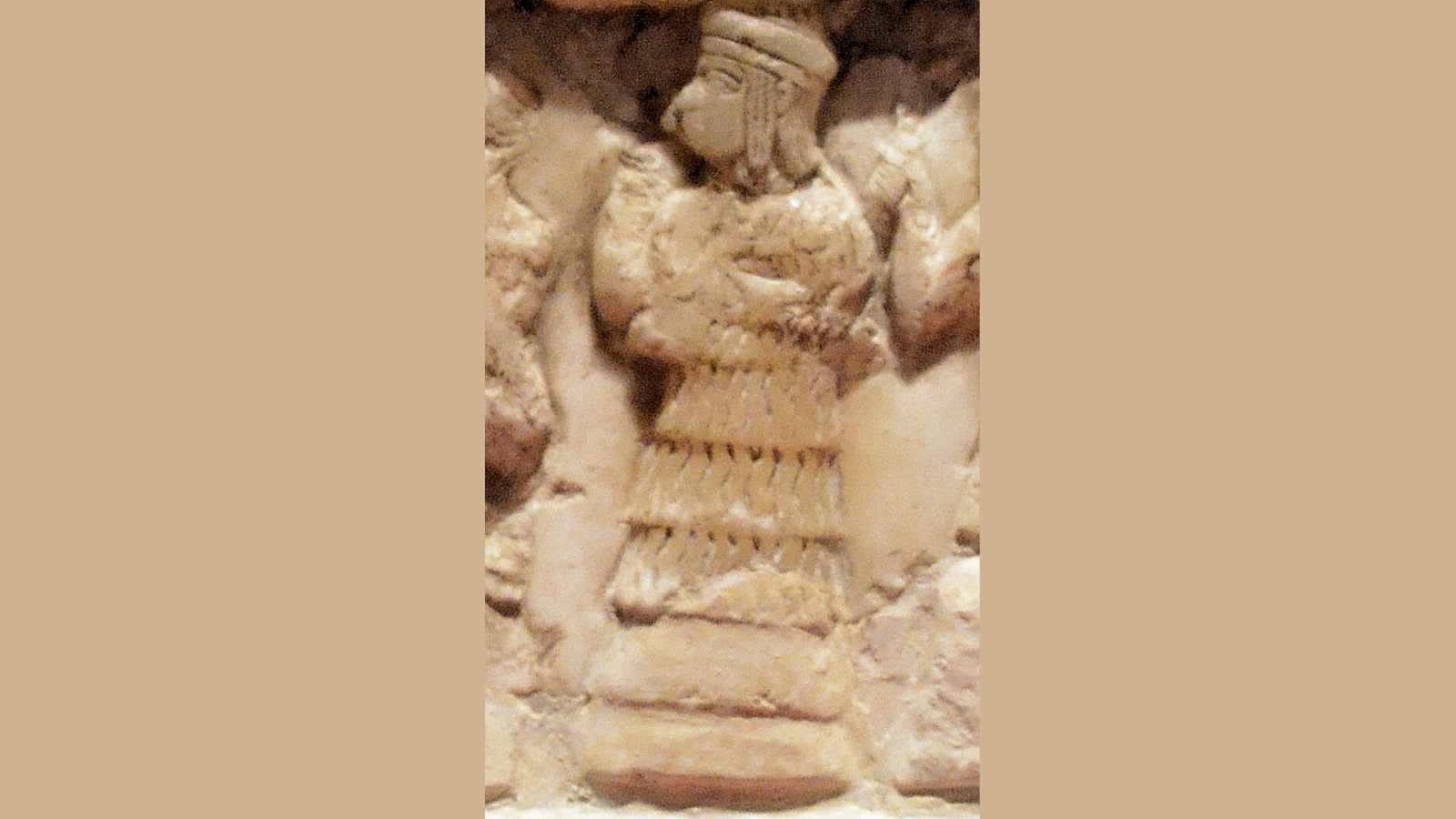
If we want a true beginning point for women in recorded intellectual history, we should begin with Enheduanna. Living in the Akkadian world around the 23rd century BCE, she was the daughter of Sargon and served as high priestess at Ur, but her importance reached far beyond royal lineage or religious office. She is widely recognized as the earliest author known by name, and that fact alone reshapes literary history.
Her surviving reputation rests on hymns, temple compositions, and texts associated with the goddess Inanna, works that join political power, theology, and personal voice in a way that feels astonishingly modern. Enheduanna was not simply copying a ritual tradition. She stood inside it, shaped it, and attached her identity to it. In a world where most early writing appears anonymous, she emerges as a named mind, a woman whose words were preserved, taught, and remembered long after her own century vanished.
Tapputi, the Palace Perfumer Who Stands at the Dawn of Chemistry
Long before chemistry existed as a formal discipline, ancient craftspeople were already experimenting with extraction, heating, filtering, and controlled mixtures. Among the most striking names attached to that world is Tapputi Bēlet-ekallim, an Assyrian perfumer whose name appears in cuneiform evidence from the second millennium BCE. She is often described as the earliest chemist known by name, though it is most accurate to say that she stands at the earliest documented edge of chemical practice.
The tablet tradition linked to her places her in royal service and associates her with perfume production, which in the ancient Near East was no trivial cosmetic art. It demanded technical knowledge, measured processes, and an understanding of aromatic transformation. That matters because perfume in antiquity sat at the crossroads of religion, luxury, medicine, and science. Tapputi reminds us that one of the earliest recorded figures working with repeatable material procedures was a woman in a palace laboratory of scent.
Dibutades, or the Corinthian Maid Who Became Art’s Origin Story
Ancient writers loved origin stories, and one of the most enduring is that of a young woman from Corinth, often called the Corinthian maid, Kora, or Dibutades in later retellings. According to Pliny’s famous account, she traced the shadow outline of her departing lover on a wall, and her father, the clay modeler Butades of Sicyon, turned that outline into modeled form. We should read this carefully, not as settled art history in the modern sense, but as a revealing ancient myth about how representation begins.
The story is less important for proving who literally invented portraiture than for showing what antiquity imagined about artistic creation. At the symbolic heart of this tale sits a woman who responds to absence with image, memory with line, and love with form. That is a profound idea. Art begins, in this version, with a woman refusing to let a face disappear. Even as a legend, it gives female creativity a foundational place in the cultural memory of the classical world.
Maria Prophetissima, the Alchemist Whose Tools Outlived Alchemy
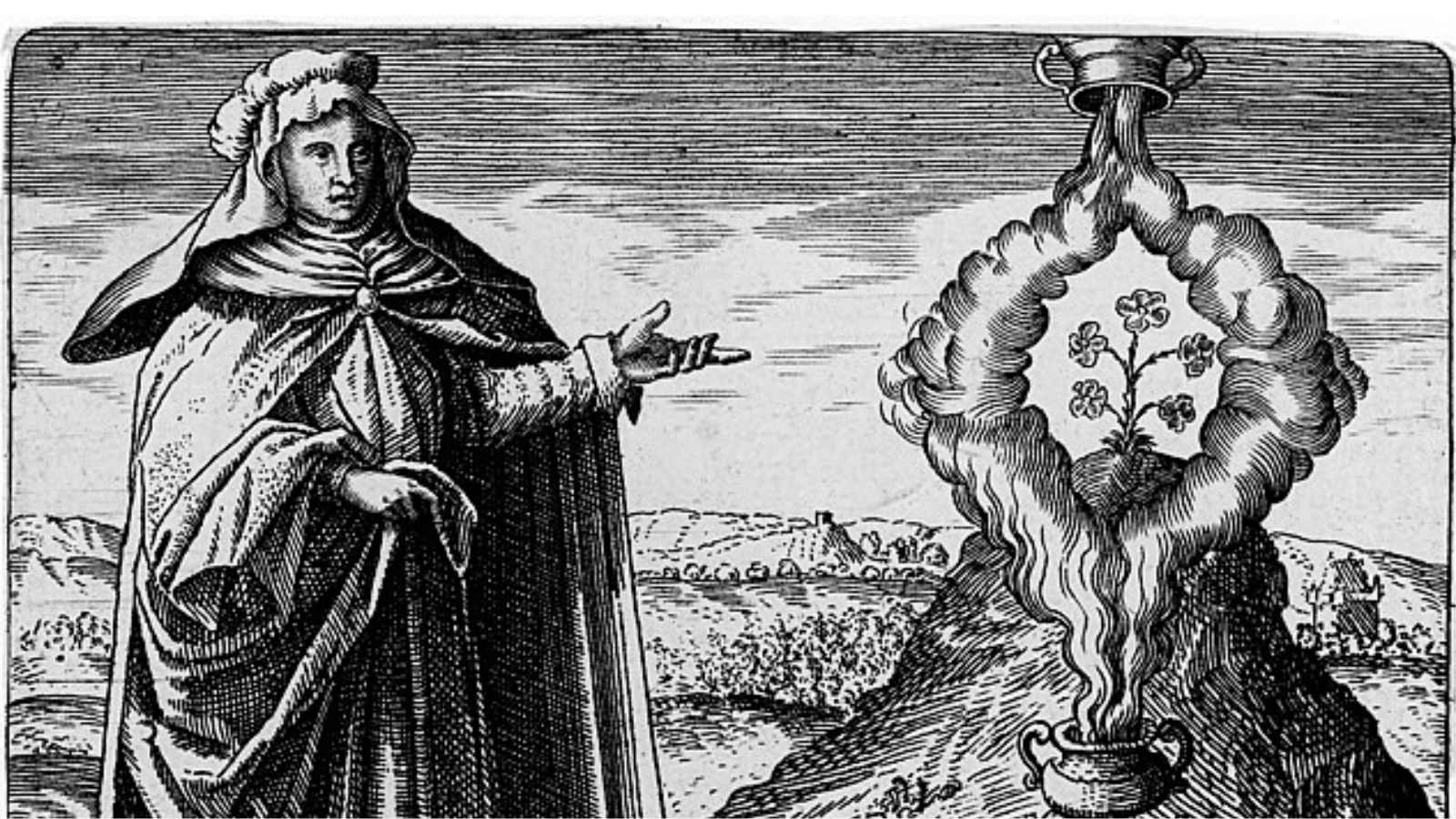
Maria Prophetissima, often called Maria or Mary the Jewess, stands in that fascinating borderland where mystical speculation and practical experimentation still lived together. Later writers, especially within the Greek alchemical tradition, credited her with important apparatus and procedures, including distillation devices and the gentle heating method known as the bain-marie. That alone makes her more than a shadowy curiosity from antiquity. She represents a moment when technical ingenuity could survive even if the larger intellectual system surrounding it later changed its name.
Alchemy may not map neatly onto modern chemistry, but it generated real tools, real procedures, and real habits of controlled transformation. Maria’s importance lies in that practical legacy. Even when her ideas came wrapped in symbolic language, later generations still remembered her as an inventor and authority. In a field usually narrated through obscure male adepts, Maria emerges as one of the few ancient names that still echoes in kitchens and laboratories alike.
Hypatia of Alexandria, the Scholar Who Became a Symbol of Intellect Under Siege
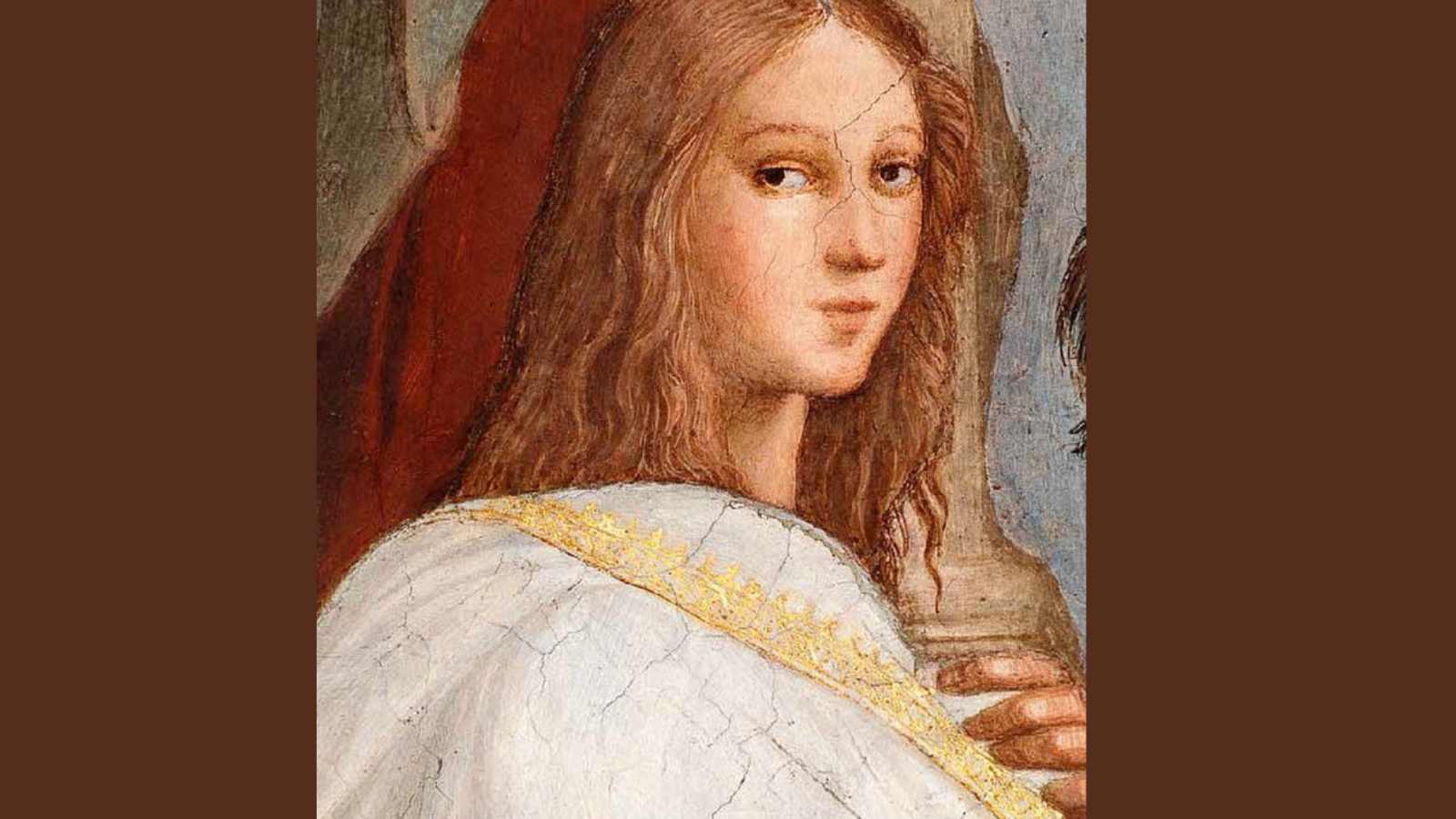
No woman from antiquity has become a greater emblem of learning, intellectual dignity, and cultural loss than Hypatia of Alexandria. Active in the late fourth and early fifth centuries CE, she was a mathematician, astronomer, philosopher, and teacher who led the Neoplatonist school in Alexandria at a time of severe religious and political tension. Her reputation among later generations grew not simply because she was brilliant, but because she stood out in public life as a woman who taught elite men, commented on mathematics and astronomy, and represented classical learning in a city torn apart by factional conflict.
Her murder in 415 CE by a Christian mob gave her story a tragic force that history never forgot. Yet we should not allow her death to eclipse her life. Hypatia mattered because she was the leading intellectual of her city before she became its most haunting martyr. She remains one of the clearest proofs that ancient scholarship was never exclusively male, even when power later tried to make it seem so.
Jael, the Biblical Woman Remembered for Decisive and Violent Courage
Jael belongs to a different kind of ancient record, one shaped by sacred narrative rather than civic biography, but her impact is no less striking. In the Book of Judges, she is the Kenite woman who kills Sisera, the Canaanite commander, by driving a tent peg through his head after offering him shelter. The scene is brutal, intimate, and unforgettable, which is precisely why it endured. Jael is not remembered as a background figure caught in the margins of a war.
She is remembered as the one through whom victory is completed. In the biblical tradition, her act fulfills the theme of military glory passing to a woman, and the Song of Deborah exalts her accordingly. That makes Jael one of the most dramatic examples of female agency in the ancient literary imagination. She is not gentle, ornamental, or passive. She is politically decisive. In a world where war stories usually revolve around male heroes, Jael seizes the final act and leaves the battlefield narrative bearing her name permanently.
Hydna, the Diver Whose Courage Entered Greek Memory
Hydna of Scione is one of the most vivid women in Greek war tradition, because her heroism is tied not to speech or marriage or dynastic influence, but to physical skill under mortal risk. The account preserved by Pausanias says that when Xerxes’ fleet was hit by storm conditions near Greece, Hydna and her father Scyllis swam out and sabotaged the Persian ships by dragging away their anchors and moorings. Whether every detail of the story can be verified in modern terms matters less than the fact that the Greeks considered the deed worthy of public honor.
Statues of father and daughter were dedicated at Delphi, and Pausanias later noted Hydna among the figures whose monuments Nero removed. That means her memory was not just local folklore. It was built into sacred and civic space. In the wider context of the Persian Wars, where Greek survival became one of the great narratives of classical identity, Hydna appears as a woman whose daring body entered national memory through the sea itself.
Telesilla, the Poet Who Became the Face of Civic Resistance
Telesilla of Argos is a perfect example of how poetry and public action could fuse into one legend. Ancient tradition remembered her first as a lyric poet, with songs dedicated to Apollo and Artemis, but her fame expanded because of the story that after Argive men were devastated in war, she rallied the city’s defense against the Spartans. Britannica notes that she was remembered for helping to save Argos from an attack by Cleomenes and his forces, and that is precisely why her name endured, even as much of her actual poetry did not.
The image is unforgettable, a poet becoming a defender, a woman associated with the Muses becoming a figure of urban survival. We should not miss how unusual that memory is. Greek culture prized poetry, but it also prized civic honor, and Telesilla was granted both. Even in fragments, her legacy announces that women in the ancient world could become public symbols of courage, not only private voices of grief or devotion.
Leontion, the Epicurean Thinker Who Refused Intellectual Silence
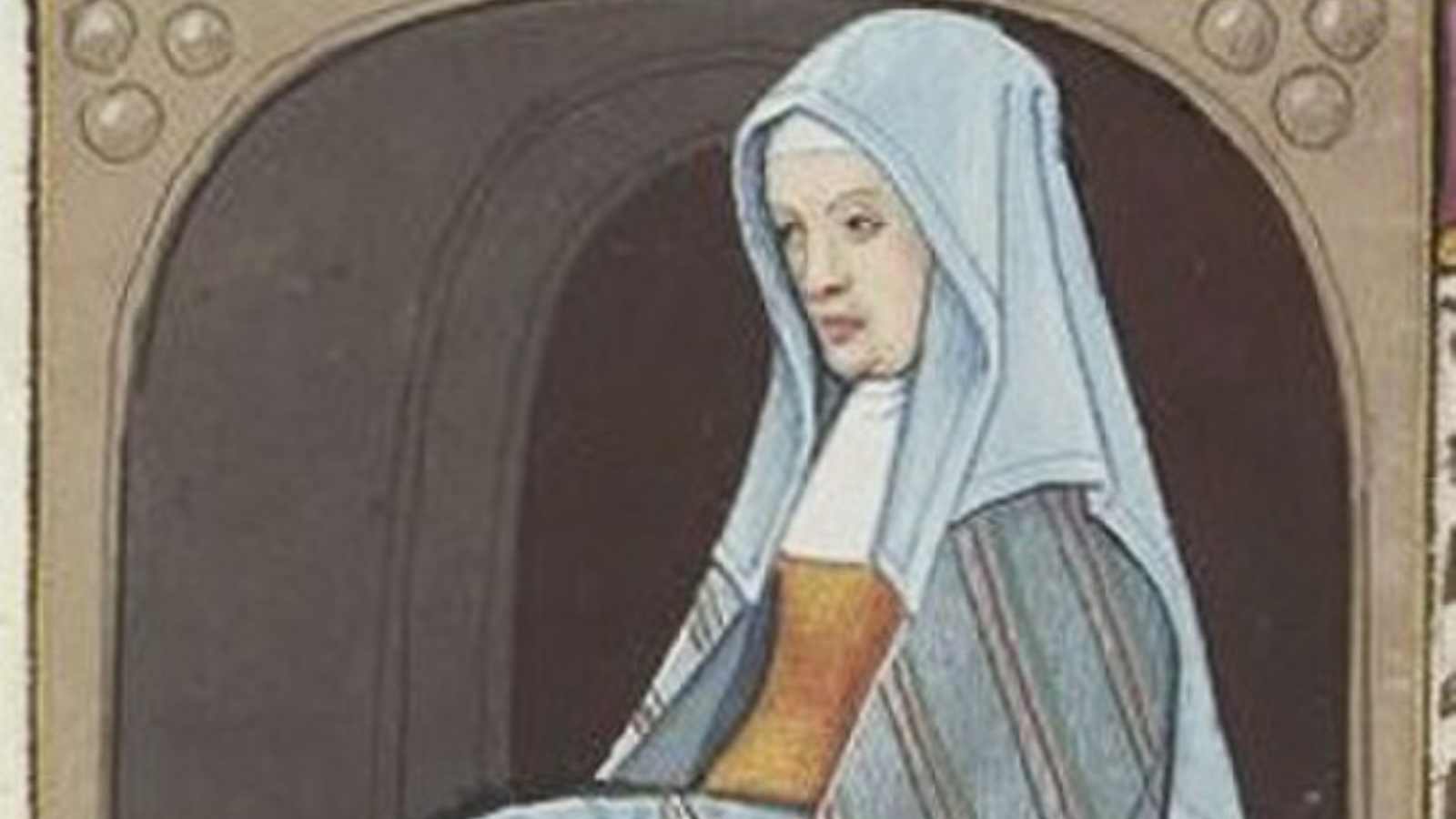
Leontion survives in scraps, insults, and hostile admiration, which is often how women thinkers are preserved when men control the archive. She was connected with Epicurus and his philosophical circle, a school notable for allowing women and other excluded groups to participate in serious discussion. Ancient testimony indicates that she wrote a response to Theophrastus, one of the most respected philosophers of the age, and Cicero, for all his disdain, conceded that she wrote in elegant Attic Greek.
That is a revealing detail. Her enemies wanted to shame her, yet they could not quite deny her skill. The very fact that her authorship became a scandal shows how threatening an articulate female philosopher could appear in the Hellenistic world. Leontion matters because she did not merely sit near philosophy. She argued within it. Her work is lost, but her reputation survives in the startled reaction of men who found themselves forced to answer a woman they thought had no right to speak at all.
Agnodice, the Medical Rebel Whose Legend Carried a Lasting Truth
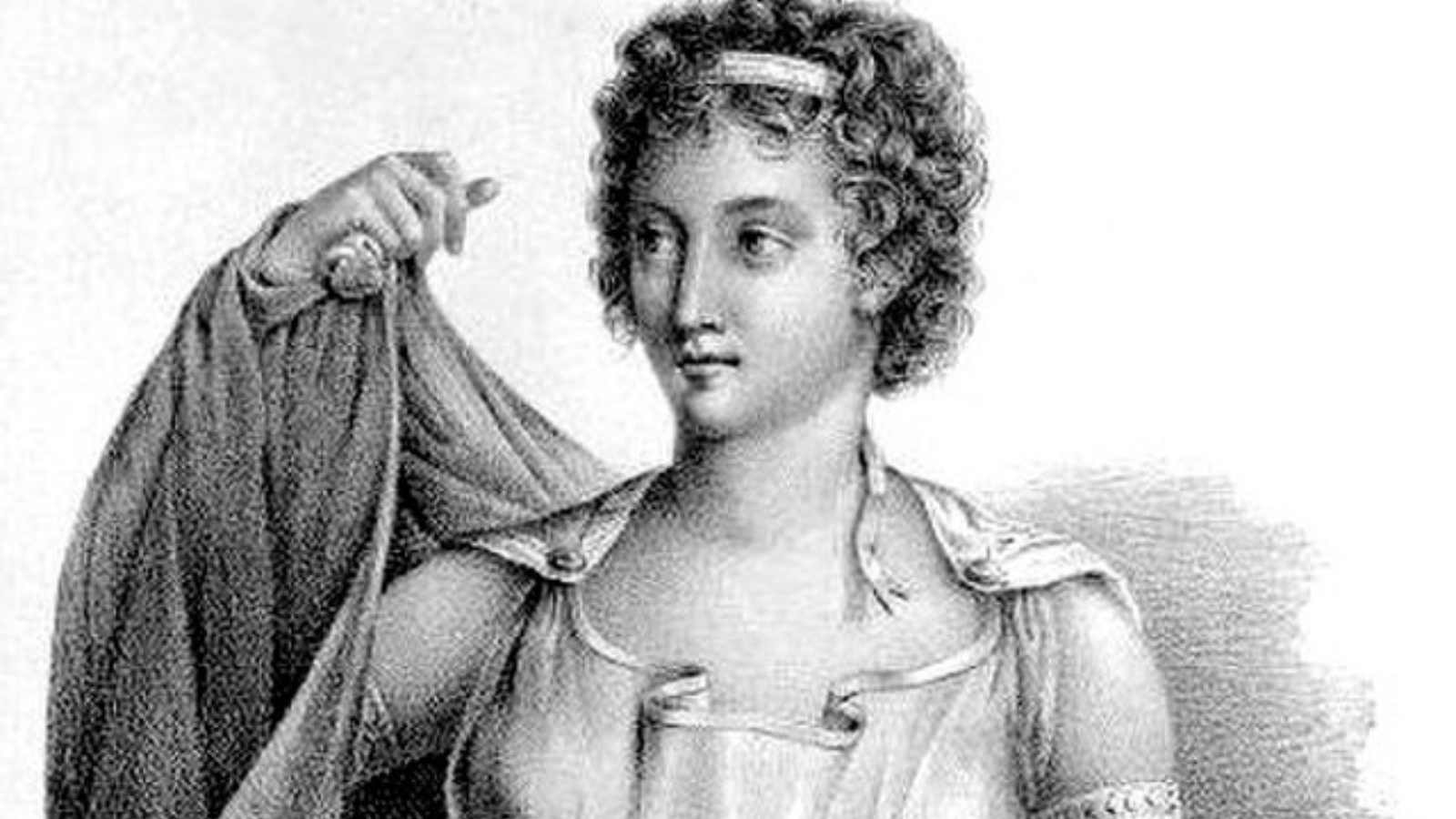
Agnodice occupies the border between legend and social history, and that is exactly what makes her so compelling. Later, ancient tradition tells of an Athenian woman who disguised herself as a man, studied medicine, treated women, and was eventually defended in court by female citizens who wanted her to be allowed to practice. Modern scholars generally treat the tale with caution, and important scholarship has argued that the story works more like a crafted narrative than a straightforward biography. Yet dismissing it would miss its deeper force.
Legends do not survive for centuries unless they answer a need. Agnodice’s story preserved a truth that the ancient world could not entirely suppress: women wanted access to medical knowledge, women needed care from practitioners they could trust, and male control over the profession was neither natural nor uncontested. Even if we cannot treat every scene as literal history, Agnodice remains one of antiquity’s most powerful symbols of women crossing forbidden professional boundaries and forcing society to reckon with the result.
Conclusion
Taken together, these women do more than decorate the margins of antiquity. They alter the map. They show us literature beginning with a priestess, experimental technique emerging through a perfumer and an alchemist, philosophy widened by women who insisted on argument, public courage embodied by a diver and a poet, and medicine challenged by a figure whose legend exposed the costs of exclusion.
Some names rest on richer evidence than others, and some arrive through myth, sacred text, or moralized retelling. That is the nature of ancient history. Yet even with those differences, the pattern is impossible to miss. Wherever we look closely enough, women are already there, writing, inventing, teaching, defending, and reshaping the world that later histories tried to hand to men alone.