Throughout history, women have faced innumerable obstacles in their pursuit of success, especially in societies where gender roles confined them to specific, often subservient, roles. However, some exceptional women found clever and daring ways to break through these societal barriers by adopting male identities, disguising themselves as men, and achieving feats that were unimaginable for women at the time.
These courageous acts not only defied gender expectations but also left lasting legacies that reshaped the course of history.
Below, we explore some of the most remarkable women who successfully disguised themselves as men to forge their own paths to greatness.
j.k. Rowling – Reinventing Her Authorial Identity

Joanne Rowling, famously known as J.K. Rowling, achieved international fame with her Harry Potter series. However, early in her career, she chose to publish under the gender-neutral pen name “J.K. Rowling” to appeal to a male audience. Her decision was driven by concerns that young male readers might not take her seriously if they knew the books were written by a woman.
Later in her career, Rowling once again adopted a male pseudonym, Robert Galbraith, to write crime fiction. Under this name, she published The Cuckoo’s Calling, which became a bestseller. Her success in both genres demonstrates how embracing a different identity can break barriers and lead to creative triumph.
Kathrine Switzer – Breaking the Gender Barrier in the Boston Marathon
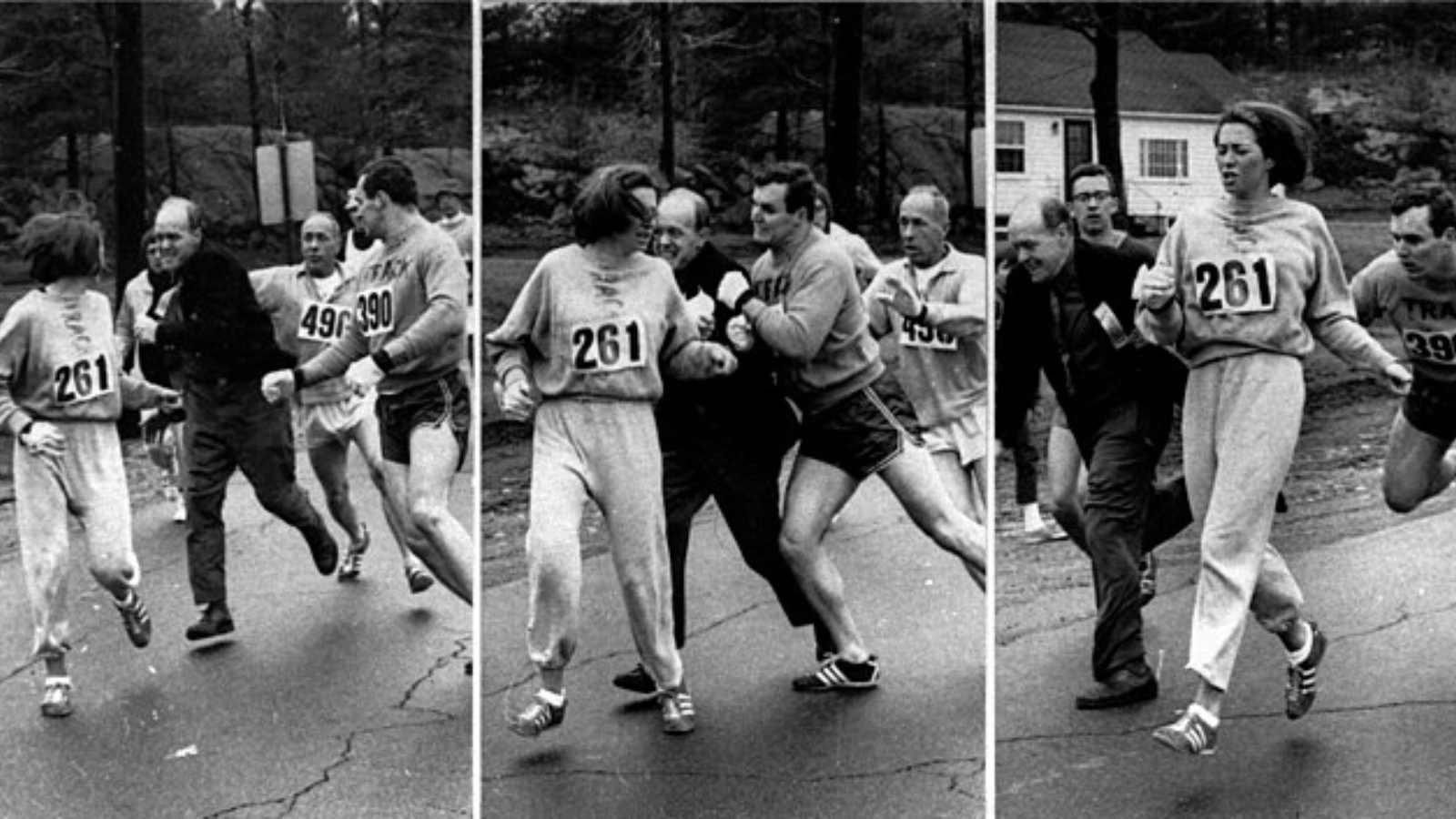
Kathrine Switzer made history in 1967 as the first woman to run the Boston Marathon, a feat that was unheard of at the time. Despite being officially banned from competing, Switzer applied to the marathon under a male alias. When race officials realized a woman was running, they tried to physically remove her from the race.
Switzer’s defiant stance sparked a movement for women in sports. In 1972, the Boston Marathon officially allowed women to participate. Switzer’s bravery in the face of adversity helped pave the way for future generations of female athletes.
Rena ‘Rusty’ Kanokogi – Championing Women’s Judo
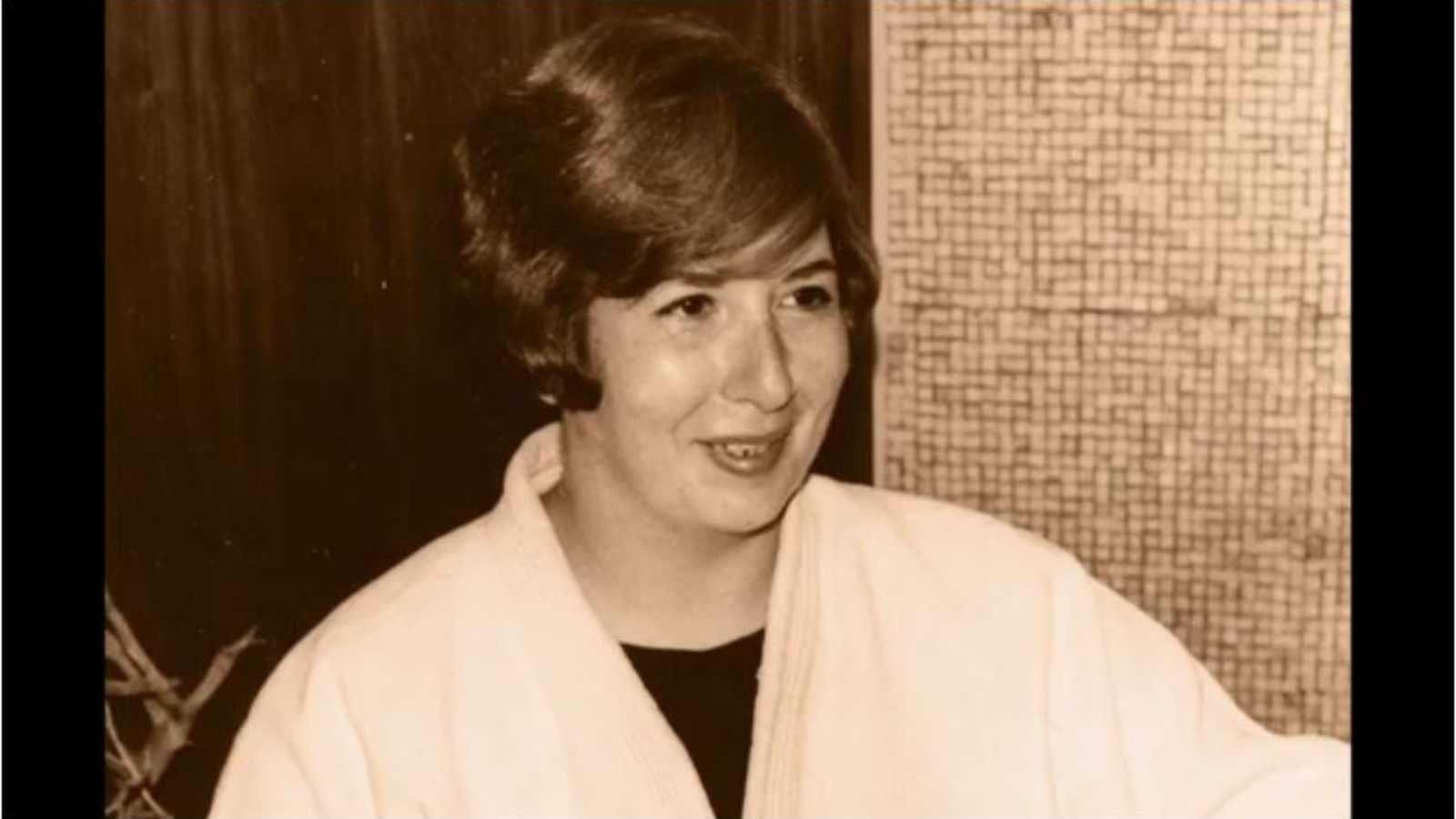
Rena “Rusty” Kanokogi by ריקי שחם via YouTube.Used under fair use for commentary
In 1959, Rena ‘Rusty’ Kanokogi entered the YMCA Judo Championship in Utica, New York. At the time, women’s judo was not widely accepted as a legitimate sport, and Kanokogi’s fight to be recognized in the male-dominated world of judo was both personal and revolutionary. To compete, she cut her hair short, taped down her chest, and presented herself as a man, ultimately winning the championship. However, her victory was short-lived when an official discovered her gender and stripped her of her medal.
Instead of retreating, Kanokogi’s determination grew stronger. Her personal experience of discrimination fueled her lifelong fight to include women’s judo in the Olympics. By 1984, her efforts paid off, as women’s judo became an exhibition sport in the Los Angeles Games. By the 1988 Seoul Olympics, judo for women had gained medal status. Kanokogi’s legacy continues to inspire athletes today, and she is remembered as the “mother of women’s judo.”
Joan of Arc – The Maid of Orleans Who Led an Army
Joan of Arc, the famed heroine of France, was a young peasant girl who disguised herself as a man in order to join the French army and fight against the English during the Hundred Years’ War. In 1429, at just 17, she convinced Charles VII of France that she had been sent by God to lead the French forces. Disguised as a man, she led troops to several key victories, including the liberation of Orleans.
Her accomplishments were nothing short of remarkable, but Joan’s defiance of traditional gender roles did not go unnoticed. She was eventually captured by the Burgundians, tried for charges including dressing as a man, and executed by burning at the stake at the age of 19. Despite her tragic end, Joan’s legacy as a fearless leader and symbol of courage endures, inspiring countless individuals who defy societal expectations.
Anna Maria Lane – Revolutionary War Soldier
During the American Revolutionary War, Anna Maria Lane disguised herself as a man to fight alongside her husband, John Lane, in the Continental Army. Women were typically relegated to non-combat roles such as cooks or nurses, but Anna Maria was determined to be a part of the action. She joined her husband’s unit and fought in battles across New York, New Jersey, Pennsylvania, and Georgia.
Her true identity remained hidden for much of her service, as soldiers of the time rarely bathed and often slept in their uniforms, making it easy for her to remain undetected. Lane’s bravery in the Battle of Germantown earned her a lifetime pension of $100 a year, and her story is a testament to the strength and resilience of women in wartime.
The Brontë Sisters – The Power of Male Pseudonyms
In 1846, the Brontë sisters, Charlotte, Emily, and Anne, published a collection of poetry under male pen names: Currer, Ellis, and Acton Bell. At the time, female authors were often dismissed or criticized for being “too emotional” or “too personal” in their writing. The sisters, eager to be taken seriously, chose male pseudonyms to avoid the prejudice that women writers often faced. Their works, including Wuthering Heights (Emily), Jane Eyre (Charlotte), and Agnes Grey (Anne), received critical acclaim and solidified their place in literary history.
The Brontë sisters’ decision to conceal their true identities proved that their writing was of universal importance, regardless of gender. Despite societal constraints, their works still resonate with readers today, proving that their creative genius was not confined by gender roles.
Deborah Sampson – The Only Woman To Receive a Military Pension
Deborah Sampson, one of the most famous women soldiers in American history, disguised herself as a man named Robert Shurtleff to fight in the American Revolutionary War. Sampson served for over a year, taking part in battles, leading men, and displaying exceptional military skill.
Her gender remained undiscovered until she fell ill and was taken to a hospital unconscious. After her true identity was revealed, Sampson received an honorable discharge. She went on to lecture about her experiences while dressed in military regalia. In 1816, her husband petitioned for a pension on her behalf, and she became the first woman to receive a military pension for her service.
Joanna Zubr – A Female Soldier of the Napoleonic Wars
Joanna Zubr’s story is one of stealth, survival, and valor. In 1808, she enlisted in the Polish army alongside her husband, Michal Zubr, during the Napoleonic Wars. She disguised herself as a man and fought alongside male soldiers in Napoleon’s army. Zubr’s identity was never discovered during the war, and she was promoted to the rank of sergeant. Her bravery earned her Poland’s highest military honor, the Virtuti Militari, making her the first woman in history to be awarded this prestigious medal.
Her heroic acts and dedication to the cause were significant contributions to the Polish military efforts. Zubr lived the rest of her life in Poland and passed away at the age of 80 during a cholera epidemic.
Maria Quitéria de Jesus – Brazil’s Female Hero
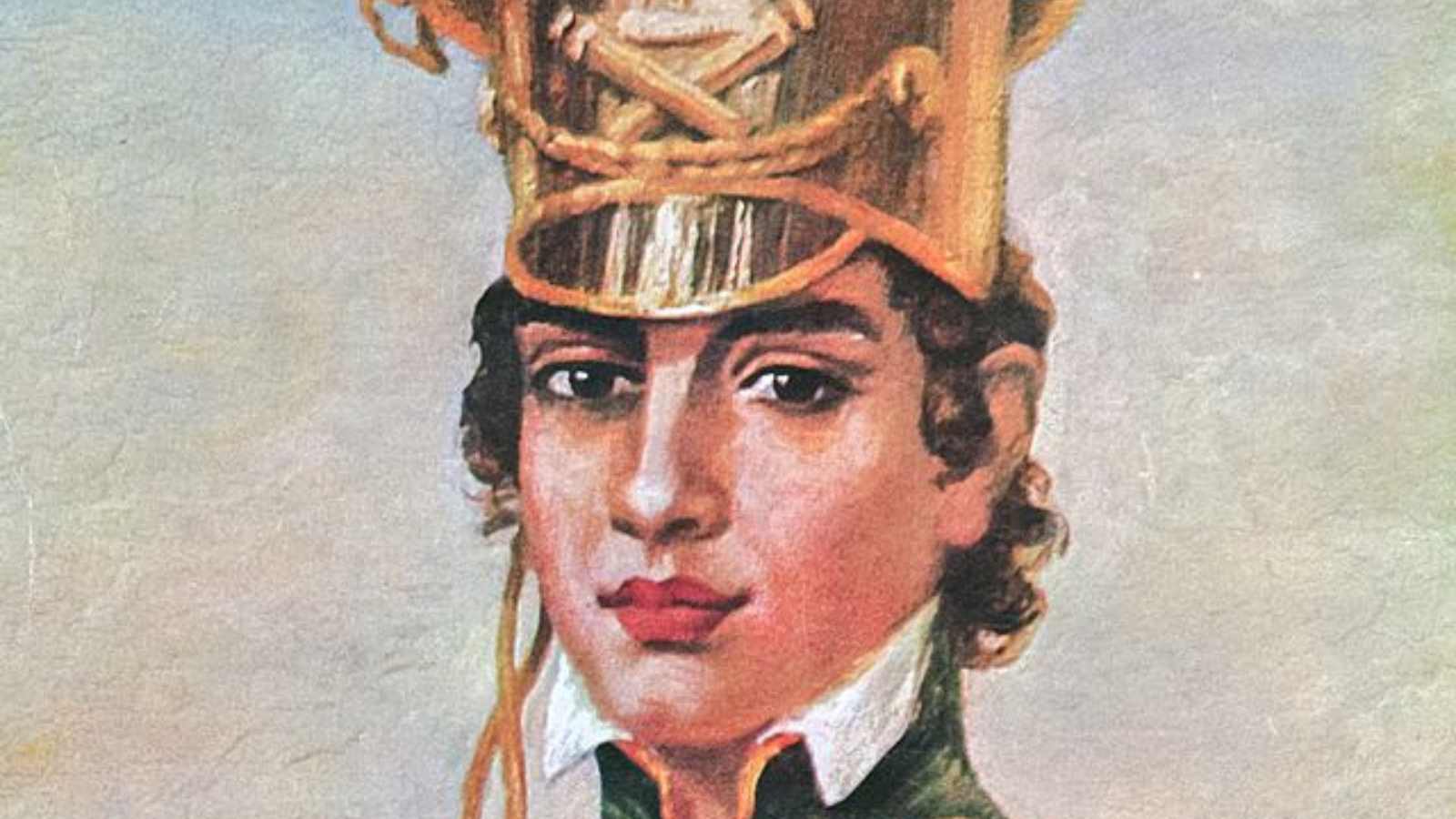
In 1822, Maria Quitéria, a Brazilian woman, disguised herself as a man to join the Brazilian Army. She ran away from home, cut her hair, and dressed as a man to enlist. Maria Quitéria’s abilities on the battlefield were extraordinary, and she quickly gained the respect of her comrades.
Her most notable achievement came in 1823 when Emperor Pedro I of Brazil granted her the rank of lieutenant, a rare honor for any woman at the time. She fought valiantly in the Battle of Itaparica and remained a soldier until the war ended. Her courageous actions earned her a place in Brazilian military history, and in 1953, 100 years after her death, her portrait was hung in the Brazilian military headquarters.
James Barry – The Military Surgeon Who Was Actually a Woman
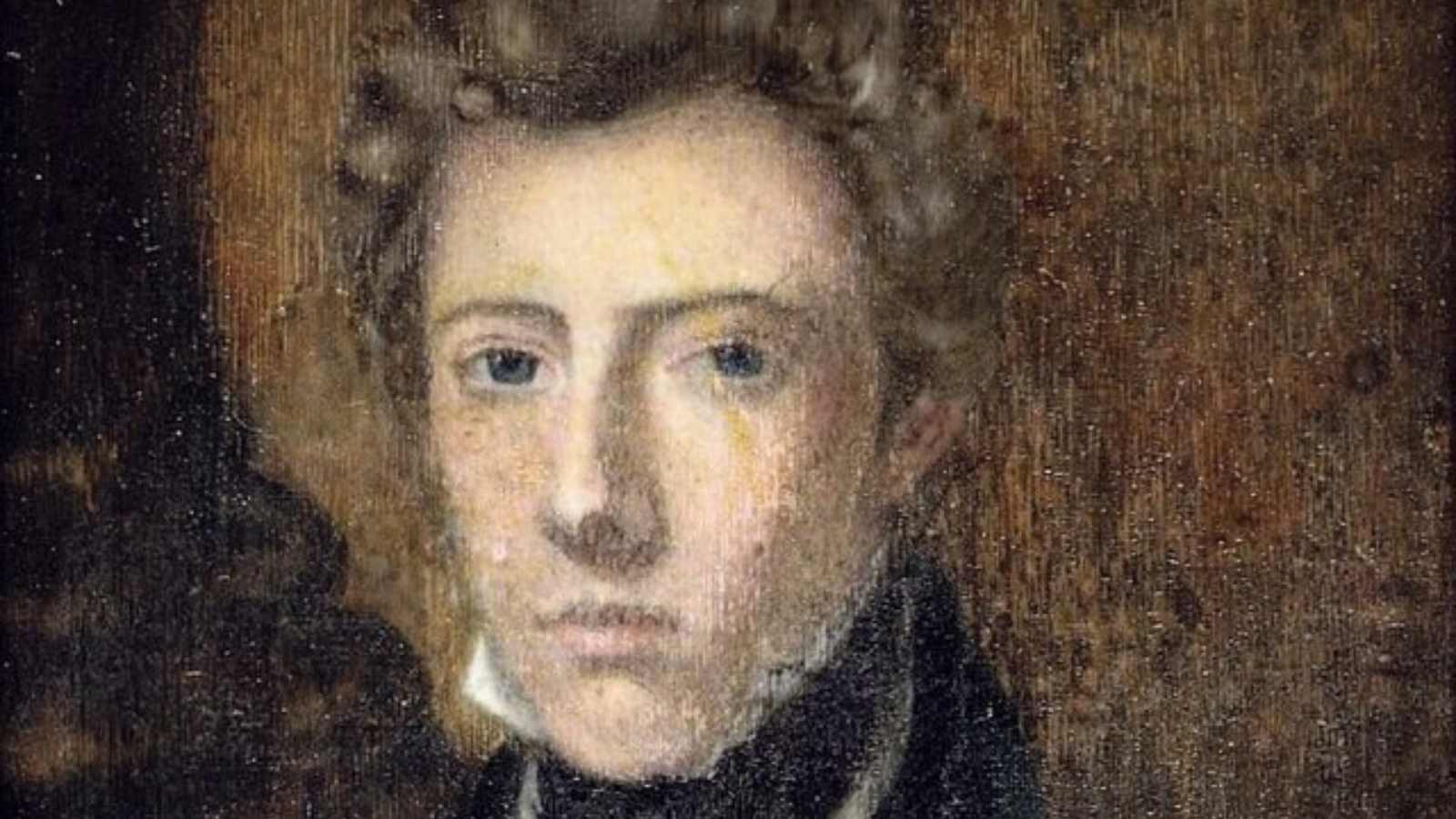
James Barry, one of the most distinguished surgeons in British military history, is remembered for his exceptional skills and pioneering medical practices. Barry, who was in charge of military hospitals and performed the first successful cesarean section in South Africa, maintained a secret throughout his career: He was, in fact, a woman named Margaret Ann Bulkley.
Her true identity was not revealed until after her death in 1865. This revelation shocked the British Army, as Barry had served for many years under the guise of a man. Barry’s contributions to medicine were groundbreaking, and her efforts to improve healthcare for soldiers were transformative. Her case continues to challenge gender norms in medicine and military service.
Conclusion
These bold and courageous women, who disguised themselves as men to achieve their goals, continue to inspire us today. Their stories remind us that no matter the obstacles, it is possible to break free from societal expectations and pursue greatness. These women not only changed history, but they also redefined what it means to be a woman in a world that often seeks to hold them back. Their enduring legacies continue to inspire individuals of all genders to challenge the status quo and strive for excellence, no matter the barriers they face.