
Film has always been a medium for storytelling that challenges our perception of reality. However, some films don’t just bend the rules; they break them, forcing entire industries to evolve. These groundbreaking movies pushed the boundaries of technology, creating tools and systems that didn’t exist before.
From jaw-dropping special effects to new methods of motion capture, these films shaped the future of cinema and remain influential today.
Star Wars (1977)
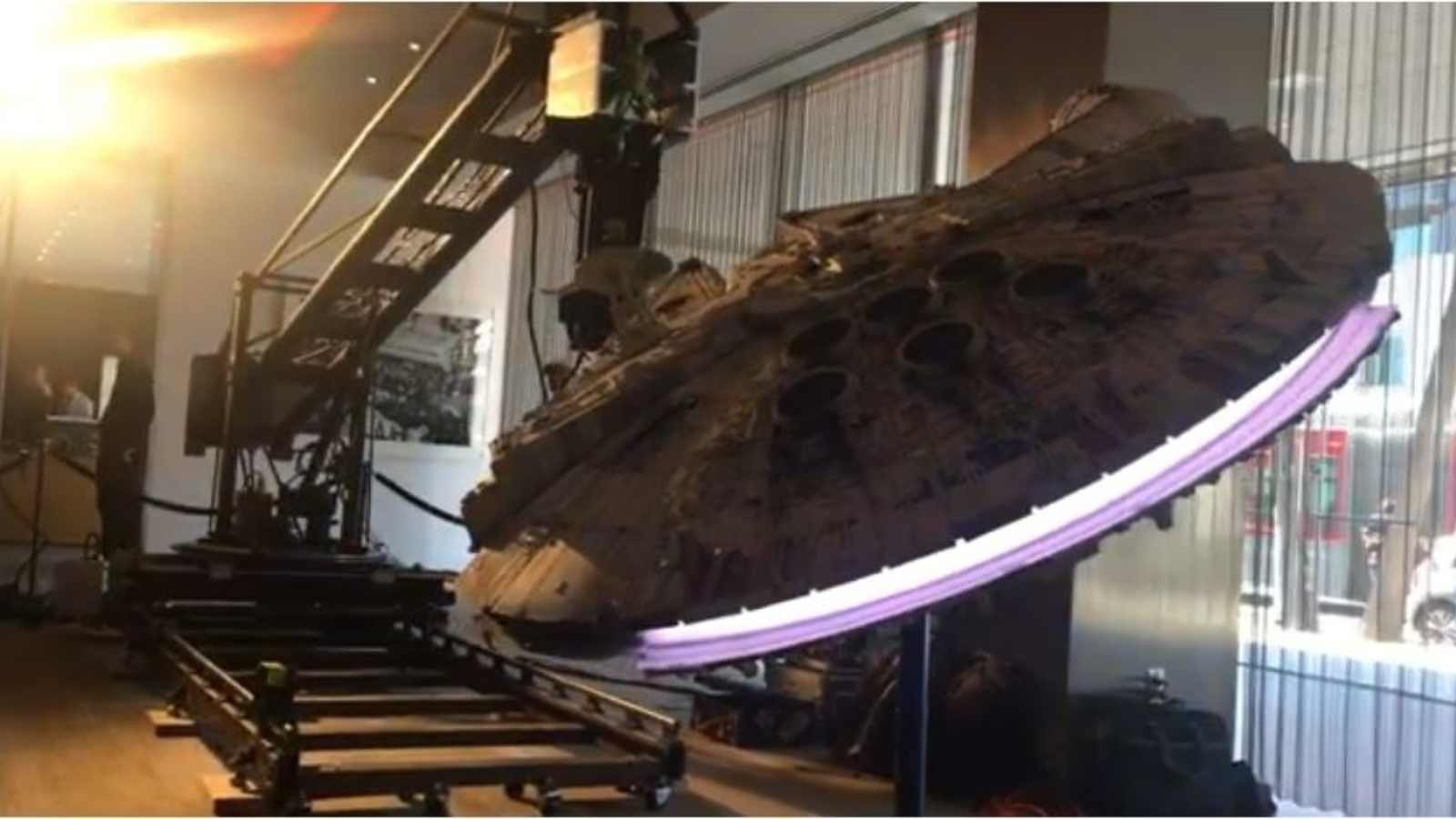
Before Star Wars, space battles were limited by the technology of the time. Fast-moving ships on screen often looked slow or awkward. George Lucas, determined to create fast-paced, realistic space combat, took matters into his own hands. By founding Industrial Light & Magic (ILM), Lucas and his team created the Dykstraflex, a motion-control camera system capable of replicating complex camera movements with unmatched precision.
The invention of this system allowed filmmakers to layer multiple passes of shots seamlessly, making spacecraft appear to perform dynamic maneuvers. The results were groundbreaking: for the first time, audiences witnessed space combat that felt alive and realistic. The Dykstraflex system set the standard for motion-control photography, and ILM became the go-to studio for visual effects.
Jurassic Park (1993)
When Jurassic Park was being developed, the concept of computer-generated dinosaurs was nearly unimaginable. The idea of creating realistic creatures through computer graphics hadn’t fully materialized. Early tests with stop-motion animation and animatronics just didn’t capture the fluidity needed. That’s when ILM stepped in and revolutionized CGI.
The team created software to simulate muscle movement, skin texture, and weight distribution, which gave the dinosaurs a lifelike quality never before seen on screen. The marriage of CGI and practical effects resulted in creatures so convincing that the audience truly believed they were alive. This was the movie that made CGI mainstream in the film industry, showing filmmakers worldwide the potential of digital animation.
Avatar (2009)

James Cameron’s Avatar was a cinematic vision that required cutting-edge technology. The challenge? To create lifelike digital characters with complex emotions, especially in facial expressions. While motion capture systems were available, they couldn’t capture the nuances of facial movements that Cameron envisioned for his alien world of Pandora.
Cameron’s solution was groundbreaking. The team developed a system that captured the slightest facial muscle movements, enabling the digital characters to convey emotion with unmatched depth. In addition, the creation of a “virtual camera” allowed Cameron to film scenes in real time in a fully digital world, bypassing the limitations of post-production.
These innovations, along with the advances in 3D filming, set a new standard for immersive cinema and brought motion capture and virtual production to the forefront of filmmaking.
The Matrix (1999)
The Matrix introduced the concept of bullet time, a revolutionary way of depicting slow-motion action. Traditional slow-motion cameras could not create the fluid movement the filmmakers envisioned. The solution? A rig of 120 still cameras arranged in a circular pattern around the action, each camera firing at high speed in rapid succession.
The result was a surreal effect in which time seemed to freeze as the camera moved around the action. New software was developed to smooth the transitions between the still shots, creating an effect that was both groundbreaking and mesmerizing. Bullet time became one of the most iconic visual effects in movie history and influenced countless films, TV shows, and commercials.
Toy Story (1995)

Before Toy Story, animated films were traditionally created through hand-drawn animation. Computers had been used for short sequences, but the idea of creating an entire feature-length film using CGI was an uncharted territory. To make it a reality, Pixar had to invent new software and workflows.
The team developed RenderMan, a system that enabled realistic lighting, textures, and shadows for 3D objects. This groundbreaking rendering system helped transform animation from a tedious, hand-drawn process to a dynamic, computer-generated world. Toy Story paved the way for modern CGI animation, proving that fully computer-generated films could be just as engaging as traditional animated movies.
Titanic (1997)
James Cameron’s Titanic required a unique combination of practical and digital effects to depict the ship’s massive sinking. Large-scale, realistic crowd simulations were essential to portraying the chaotic scenes, and traditional methods weren’t enough. To achieve this, new crowd-simulation software was developed, allowing each digital person to move independently and react to their surroundings.
Another challenge was simulating water. New fluid dynamics techniques allowed the filmmakers to accurately depict how water interacted with the ship, the passengers, and the environment. These innovations raised the bar for realism and were instrumental in bringing the disaster to life.
The Lord of the Rings
When Peter Jackson began work on The Lord of the Rings, depicting massive armies in battle was a problem no previous film had solved. Weta Digital developed MASSIVE, a revolutionary artificial intelligence system that enabled individual soldiers to act independently and react to their surroundings in real time.
The system brought digital crowds to life, creating battle sequences that felt more organic and believable. The technology made large-scale battles with thousands of characters a reality and set the stage for digital crowds in future films and video games.
Iron Man (2008)

When Iron Man was in development, creating a superhero suit that looked both realistic and functional was a massive challenge. Practical suits were bulky and restrictive, while fully digital suits lacked the realism needed for close-up shots. Industrial Light & Magic developed a hybrid solution combining a physical suit with a fully digital version.
This combination allowed the filmmakers to track Robert Downey Jr.’s movements with precision, animating the suit in real-time to match his performance. The result was a superhero suit that seamlessly blended digital effects and live-action footage, setting the bar for superhero movies and digital character integration.
Avatar: The Way of Water (2022)
James Cameron’s Avatar: The Way of Water introduced a new challenge in underwater performance capture. Traditional motion-capture systems struggled in water, especially when capturing facial expressions. The team developed new underwater capture systems that allowed actors to perform in large tanks while recording detailed body and facial data.
The film also pushed the boundaries of fluid dynamics, developing new systems to simulate how water interacted with characters and their environment. These advancements, along with virtual production techniques, made Avatar: The Way of Water a visual spectacle and set new standards for underwater CGI.
Gravity (2013)
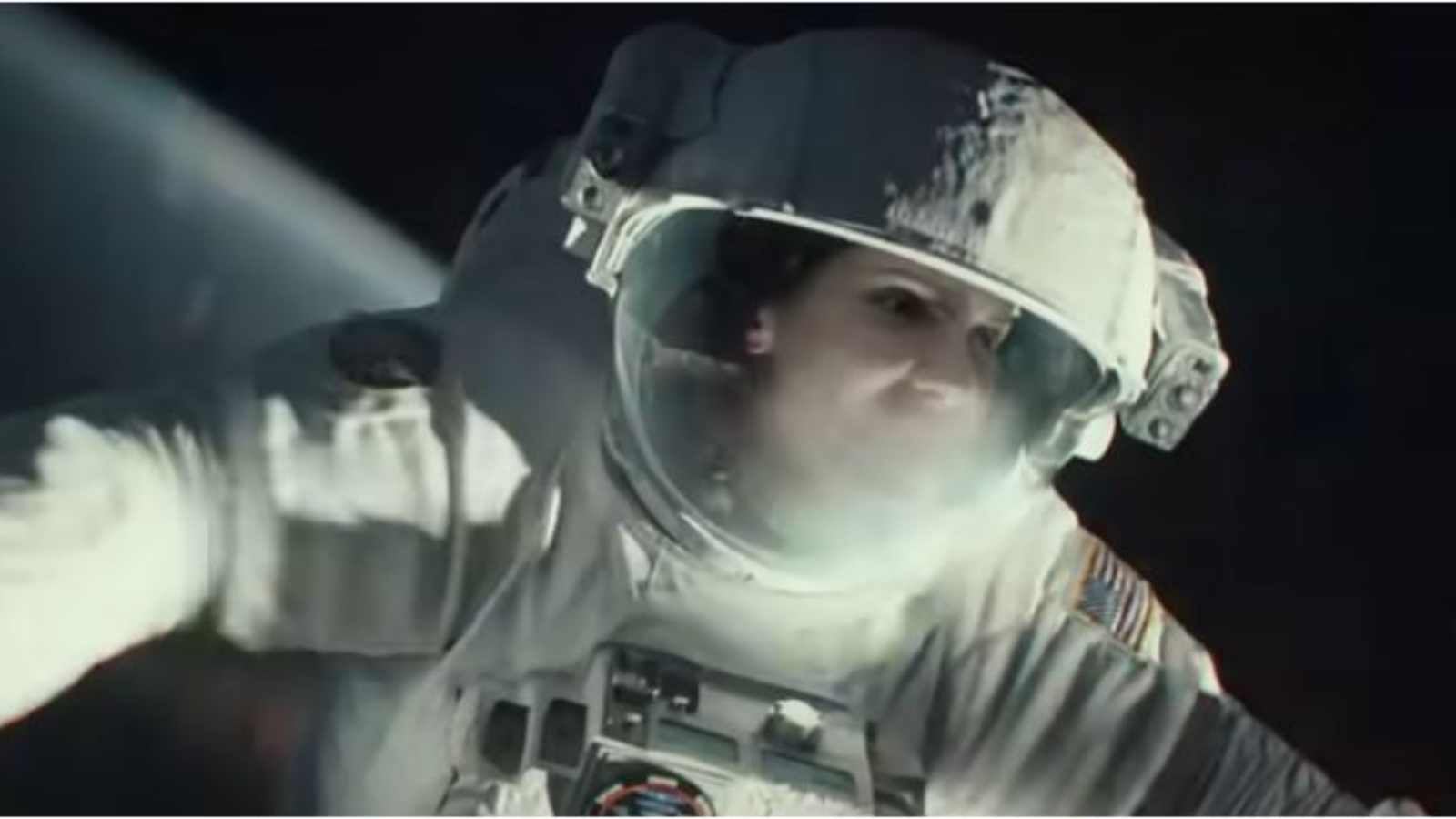
Additionally, robotic rigs and motion-controlled cameras were used to create the illusion of weightlessness, while virtual cinematography allowed filmmakers to preview how the actors’ performances would interact with fully digital environments. These innovations helped create one of the most immersive space experiences in film.
conclusion
These ten films didn’t just push the envelope, they reinvented how movies are made, influencing filmmaking for years to come. From CGI innovations to entirely new methods of motion capture, these movies created tools and techniques that are now standard in the industry. As technology evolves, the impact of these films will continue to shape the future of cinema.