History is full of remarkable figures who shaped the world through their lives and actions, but their deaths often become the most compelling stories. Over time, the circumstances of their final moments have been clouded by rumors, myths, and exaggerations, sometimes making their passing more sensational than it really was. From miraculous escapes to heroic last stands, these stories have become part of the fabric of our collective memory, but how much of what we think we know is actually true?
Let’s peel back the layers of myth and uncover the real stories behind ten of history’s most exaggerated deaths. It’s time to separate fact from fiction and explore how these legendary figures’ final moments were distorted over time.
Joseph-Ignace Guillotin
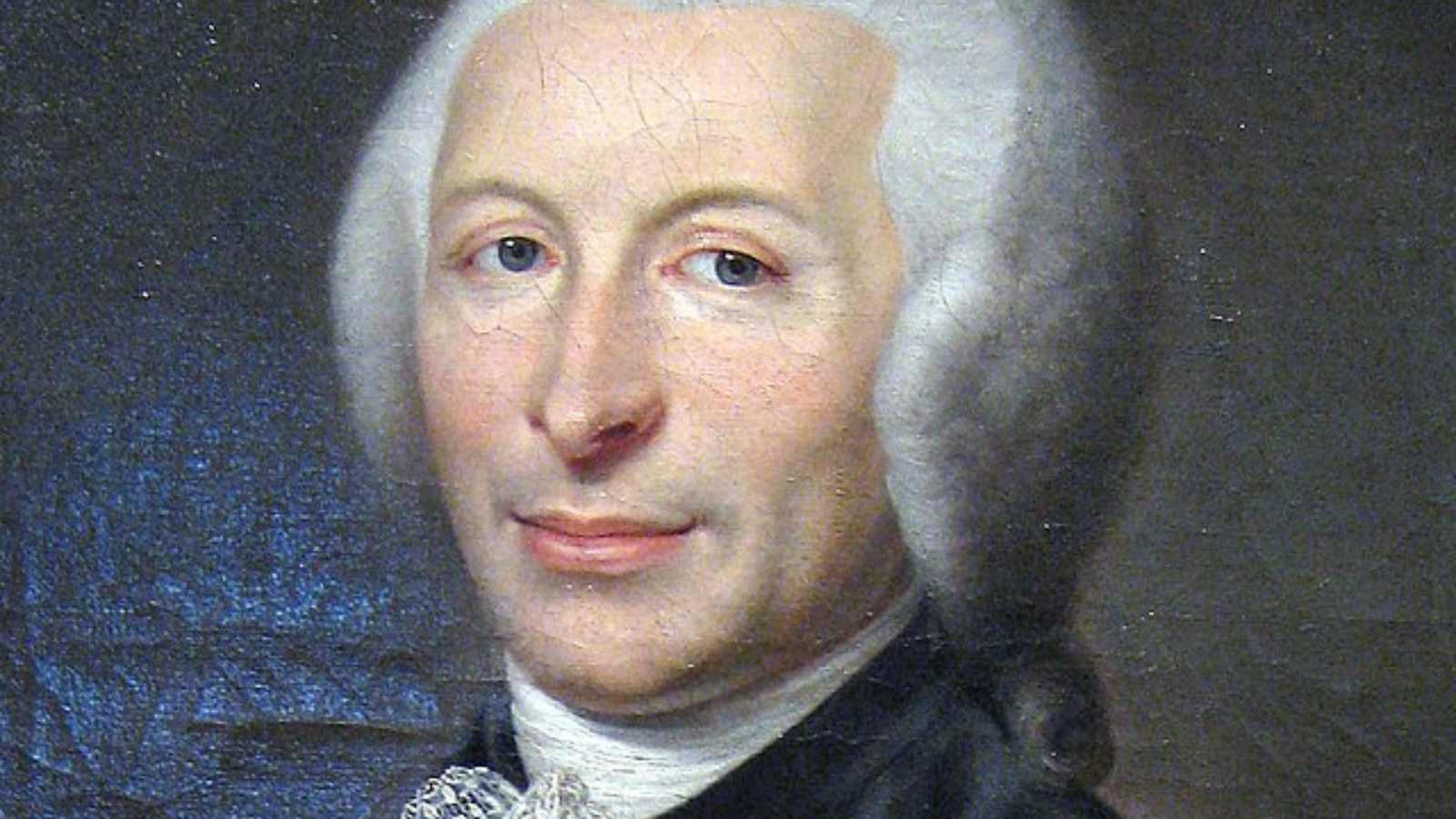
The guillotine, an emblem of the French Revolution, is often associated with its inventor, Joseph-Ignace Guillotin. Over the years, a popular myth has spread that Guillotin himself was executed by the very device he helped create. This dramatic tale, full of irony and dark humor, is entirely false.
In truth, Joseph-Ignace Guillotin died of natural causes in 1814, nearly two decades after the invention of the guillotine. The myth likely gained traction due to the association of his name with the infamous execution device. While it makes for a compelling story, it’s far removed from the actual events surrounding his death.
Guillotin’s contribution to the Revolution remains significant, but his death, as it turns out, was free from the poetic justice of being executed by his own invention.
Dylan Thomas
The Welsh poet Dylan Thomas is often remembered for his love of alcohol and his boozy, tragic end. According to the popular story, he drank heavily on the night before his death, consuming several whiskies before slipping into a coma. The myth suggests that excessive drinking was the sole cause of his demise.
In reality, Dylan Thomas’s death was far more complex. He died at the age of 39 from pneumonia, a condition that was worsened by his heavy drinking. While it’s true that alcohol played a role in his health problems, his death wasn’t the result of a single night of drinking, as the myth would suggest. His struggle with alcohol was part of a larger pattern of self-destructive behavior that ultimately led to his untimely death.
The story of Dylan Thomas’s death, though tragic, is much more than just the result of a drunken binge.
Grigori Rasputin
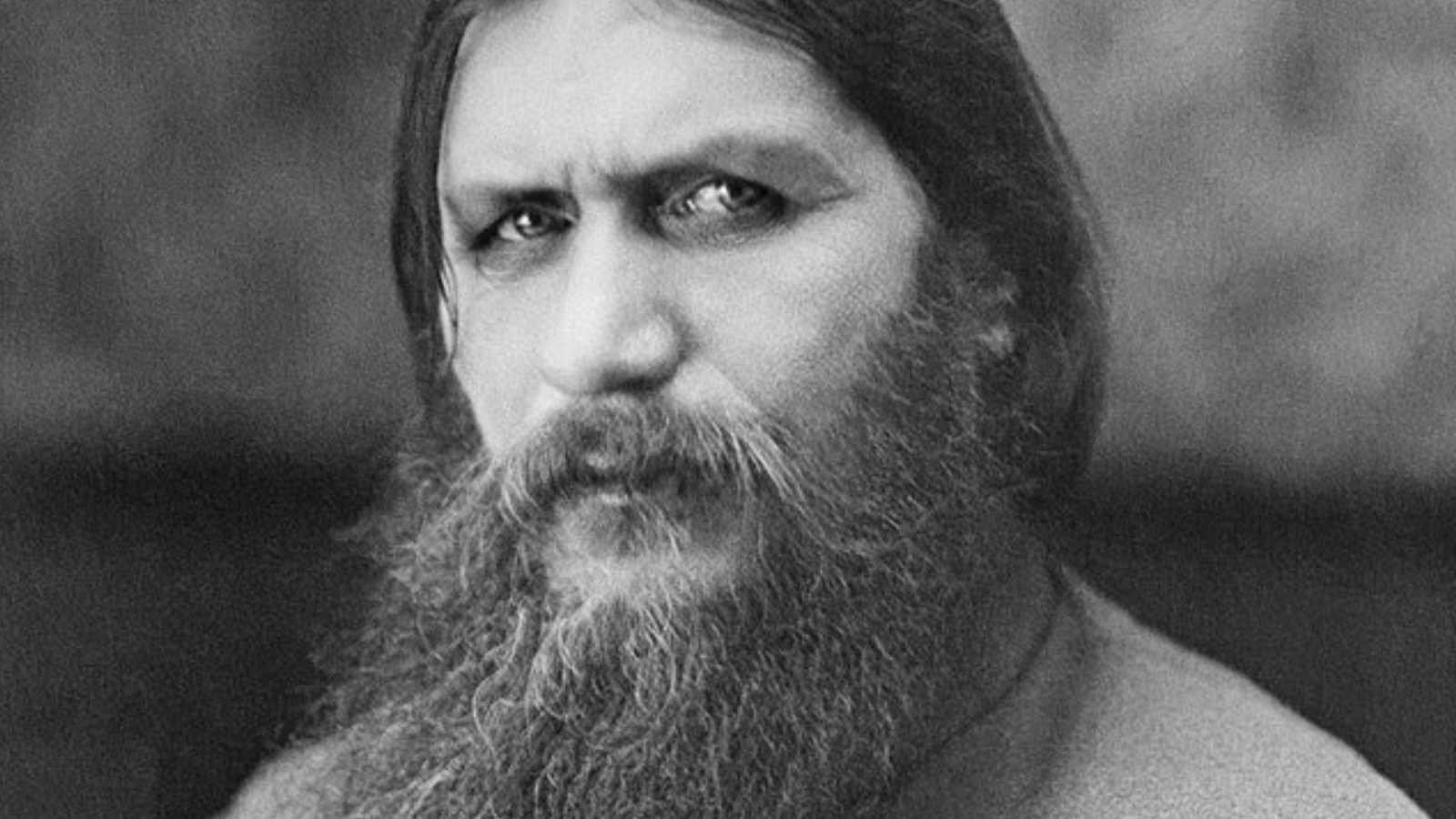
In reality, Rasputin was shot multiple times by Prince Felix Yusupov and his accomplices. There’s no evidence of poison or drowning involved in his death, though the reports of him surviving an earlier poisoning are likely exaggerated to add to the mystique of his larger-than-life persona. Rasputin’s true death was violent, but not nearly as drawn out as the myth suggests.
Rasputin’s death became so entrenched in Russian folklore that it continues to be debated. His apparent resistance to the poison may have simply been due to the fact that he was in poor health and didn’t die from the first attempt, not because of any miraculous power or immortality. His reputation as a mystical figure grew even further as this outrageous story spread far beyond the Russian Empire.
Walt Disney
The legend of Walt Disney being frozen after his death has persisted for decades. According to the myth, Disney was frozen in hopes that future technology would bring him back to life. It’s a captivating narrative, especially considering Disney’s pioneering and imaginative nature, but it’s purely fictitious.
Walt Disney passed away in 1966 from lung cancer, and his body was cremated shortly thereafter. Despite this, the myth of Disney being cryogenically frozen likely grew out of his love for futuristic concepts and technological advancements. The idea that his death was just another step in his visionary pursuit of the future captured the imaginations of many, but there’s no evidence to suggest Disney himself was ever interested in being frozen.
This myth continues to fascinate fans of Disney and conspiracy theorists alike, but the truth is far more straightforward, no ice chambers or cryonics, just the untimely death of an industry giant.
Charles Darwin
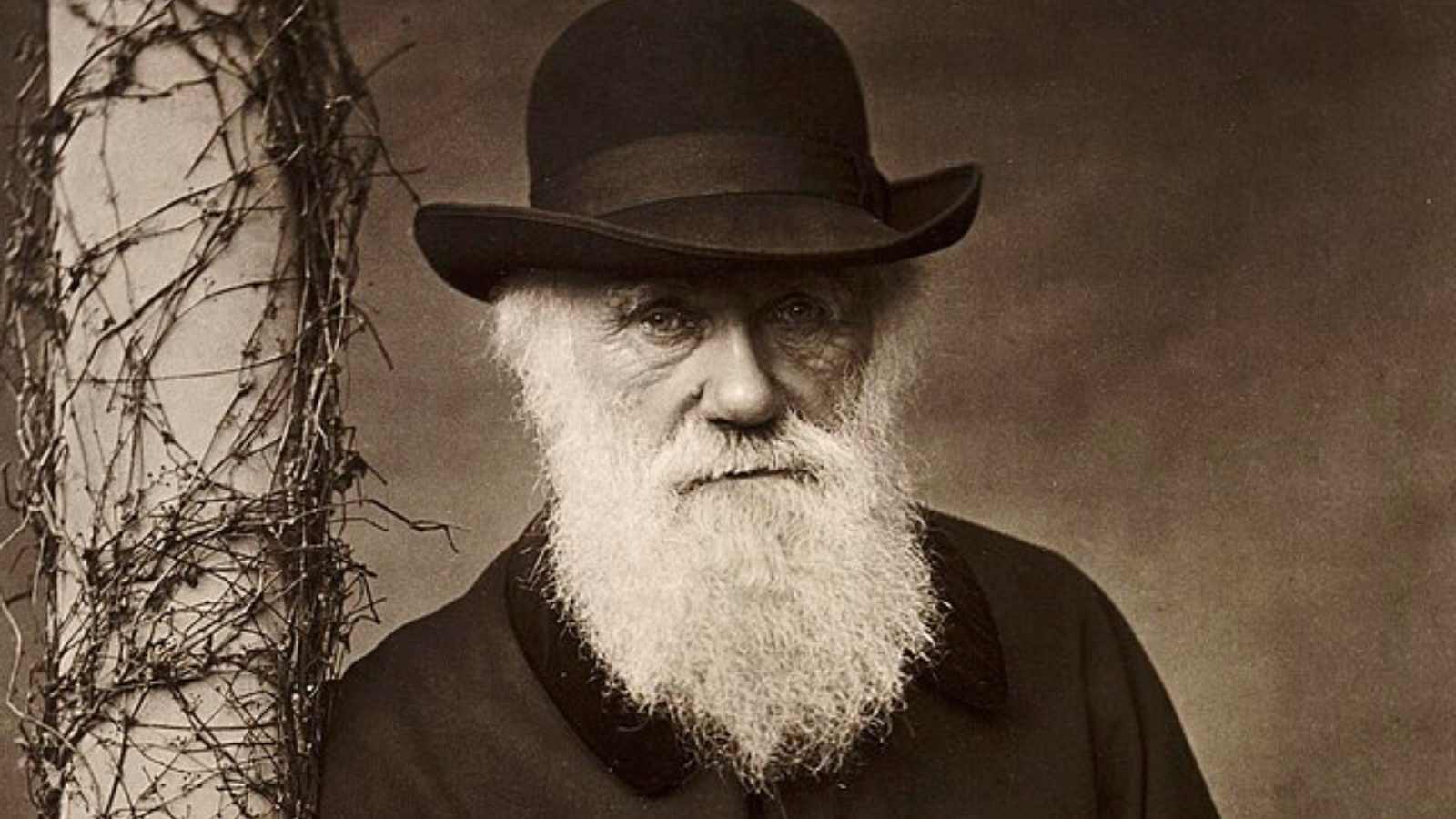
The myth that Charles Darwin renounced his groundbreaking theory of evolution on his deathbed is one of the most enduring falsehoods in scientific history. The story goes that Darwin, perhaps fearing the controversy he had sparked, repented of his work and denounced evolution just before his death. This has been widely debunked.
Charles Darwin passed away peacefully in 1882, many years after his theory of evolution had already shaken the scientific community. There’s no record of him ever renouncing his work. In fact, Darwin stood by his theory until his death. The myth likely arose to discredit his theories, turning a brilliant scientist into a tragic figure who later regretted his contributions.
Rather than an agonizing deathbed confession, Darwin’s passing was quiet and natural, with his legacy as one of the most important scientists in history remaining unshaken.
Genghis Khan
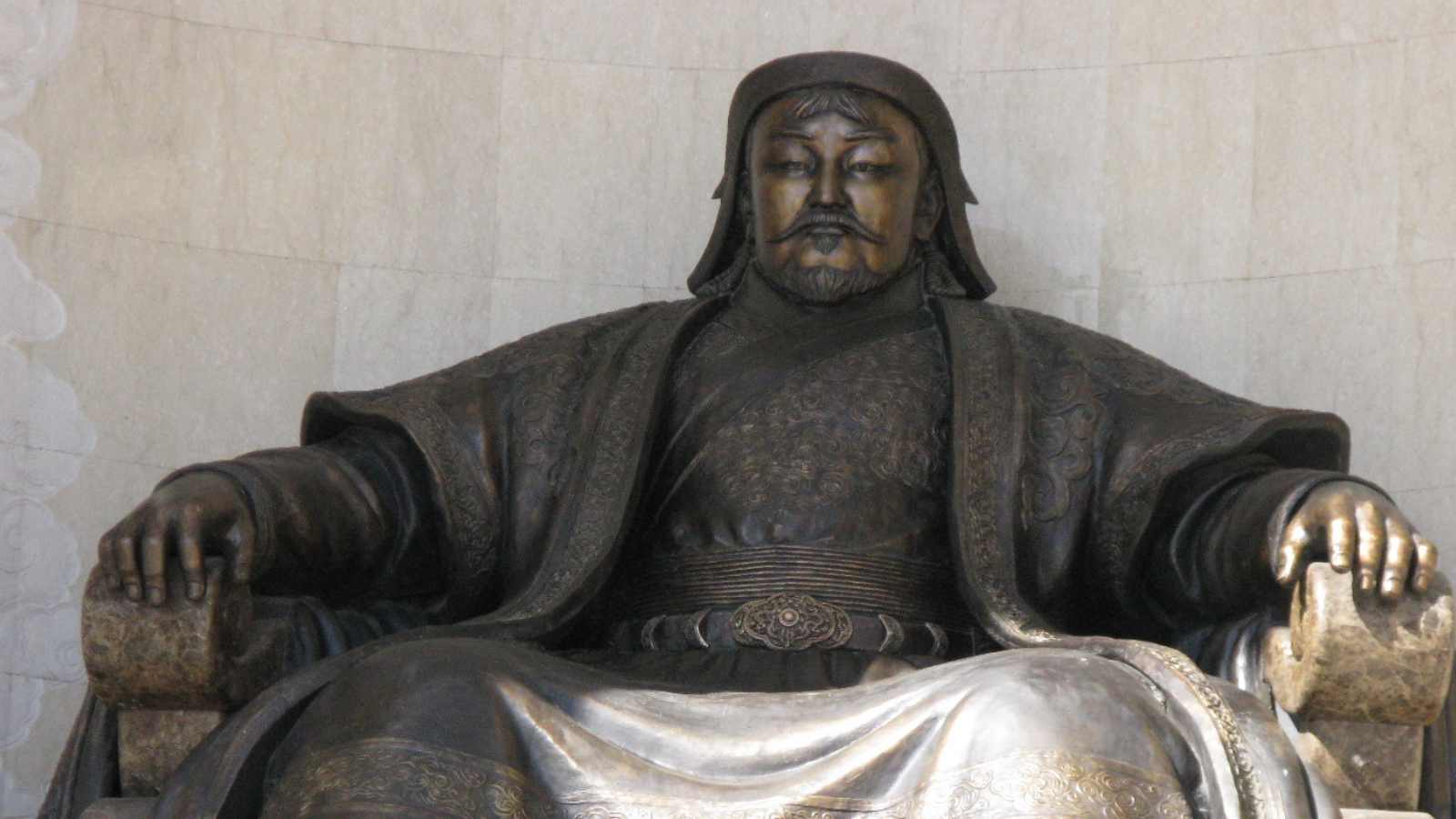
The death of Genghis Khan, one of history’s most formidable conquerors, has been shrouded in mystery for centuries. Some accounts suggest that he fell off his horse during a battle and died from the injuries. Other stories claim that he succumbed to illness or old age after years of brutal campaigning. The truth, however, remains unclear.
What we do know is that Genghis Khan died in 1227, but the exact cause is still a topic of debate among historians. Some believe he died from injuries sustained in a fall during a military campaign, while others think he might have died from natural causes like a fever. The myth of his dramatic death on the battlefield has taken on a life of its own, but the reality is likely much more mundane.
Despite the uncertainty surrounding his death, Genghis Khan’s legacy as a military strategist and empire builder remains unassailable.
Alan Turing
Alan Turing, the brilliant mathematician and cryptanalyst who played a pivotal role in breaking the German Enigma code during World War II, is often linked to a myth involving a cyanide-laced apple. The story suggests that Turing bit into the apple and died, but this image has been romanticized and distorted over time.
While Turing did die from cyanide poisoning in 1954, there’s no evidence to suggest that he used an apple to administer the poison. The apple became a symbolic image after his death, likely due to Turing’s love of apples and the apple’s connection to the discovery of the element of chemistry used in cyanide. The story of Turing’s death has been clouded by both historical gaps and modern myth-making.
Turing’s death, though tragic, was not as dramatic or symbolic as the apple myth suggests. It was, instead, the sad ending to a life marked by genius and tragedy.
Nathan Hale
Nathan Hale, the young American spy during the Revolutionary War, is often remembered for his supposed last words: “I only regret that I have but one life to give for my country.” These iconic words, which have come to symbolize patriotism and sacrifice, are legendary, but there’s no solid historical evidence that Hale actually said them.
Historical accounts of Hale’s execution do not mention this speech. In fact, the first known record of Hale’s supposed last words only emerged long after his death. While the sentiment expressed is undeniably powerful and fitting for the narrative of Hale’s sacrifice, there’s no indication that he said these words before his execution. It’s likely that this heroic statement was later attributed to Hale as a symbol of his dedication to the American cause.
Nathan Hale’s real last moments remain unknown, but the words we associate with him are more a product of American legend than fact.
Davy Crockett and the Alamo
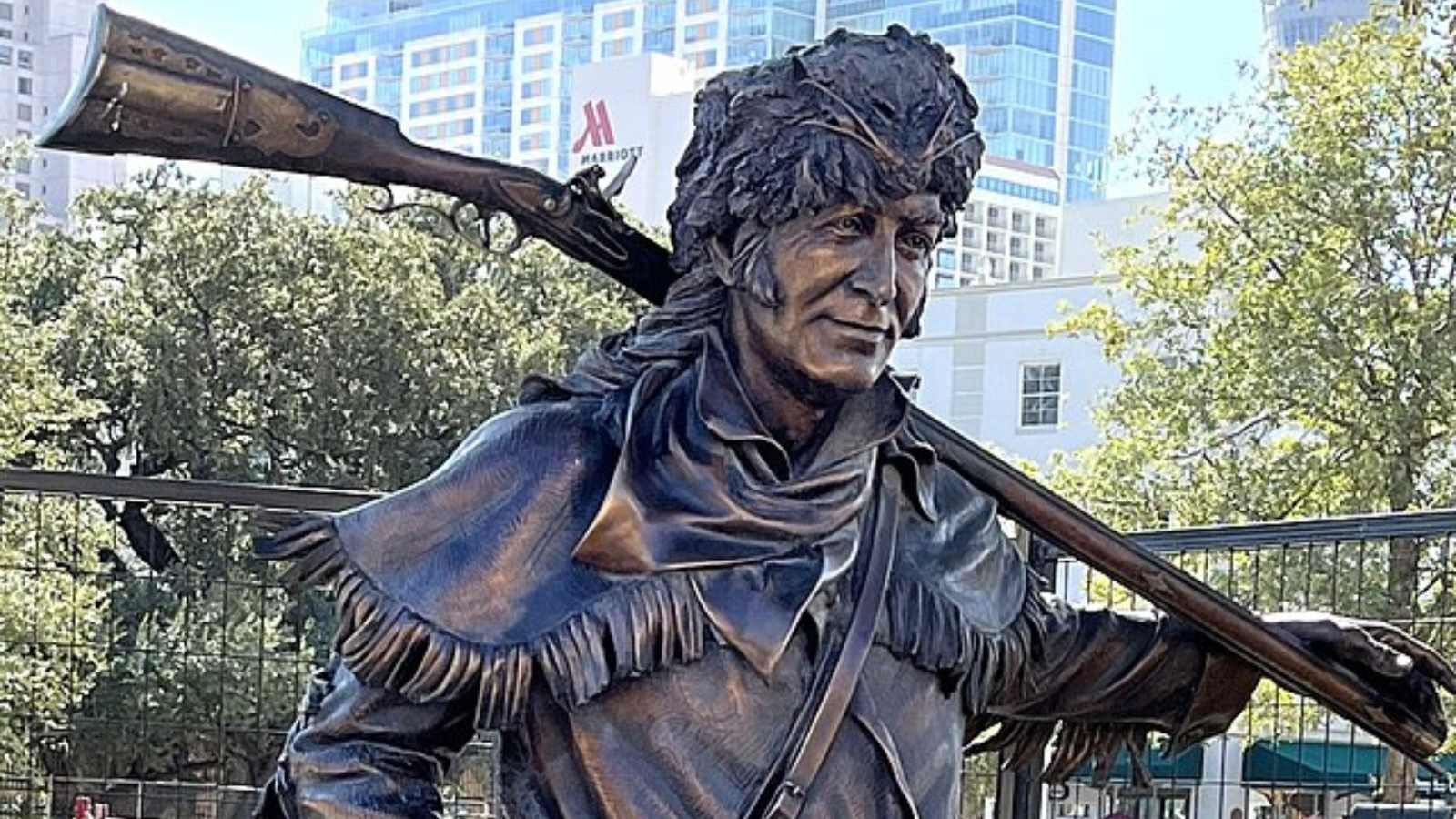
Davy Crockett’s death at the Battle of the Alamo is often depicted as a heroic last stand, with Crockett fighting off wave after wave of Mexican soldiers. This story of Crockett’s final moments, though, is largely a product of myth-making rather than historical fact.
Historical accounts of the Alamo suggest that Crockett was captured during the battle and executed by Mexican forces, rather than dying in combat as the popular narrative suggests. While Crockett’s bravery is undeniable, the dramatic myth of him fighting heroically to his last breath is an embellishment of his true final moments.
The real story of Crockett’s death is one of tragic loss and sacrifice, but it’s far more nuanced than the tale of an epic final stand.
Wall Street Stockbrokers
The Wall Street crash of 1929 is often remembered for the stories of stockbrokers jumping to their deaths from skyscrapers, their bodies splattering on the sidewalks below. This image of financial ruin and despair has become an enduring myth, but the reality is less sensational.
While there were a few documented suicides among stockbrokers following the crash, the number of people who jumped to their deaths is grossly exaggerated. The myth likely grew out of the press’s desire to create a more dramatic narrative around the economic collapse. In truth, most Wall Street workers faced the financial disaster with far less fanfare than the stories suggest.
The myth of the mass suicides adds an extra layer of tragedy to an already devastating event, but it’s important to recognize the true scale of the crash and its impact without the need for sensationalism.
Conclusion
History, like memory itself, often distorts the truth in ways that are as fascinating as they are misleading. The stories we tell about the deaths of famous figures are not always grounded in fact but are shaped by the need for drama, symbolism, and emotion. While these myths may be entertaining or thought-provoking, they often obscure the real, sometimes more sobering, truth.
What’s important is not the dramatic flair of these exaggerated deaths but the real legacies of the individuals who lived and died. Whether their last moments were as grand as legend suggests or as quiet as history records, the impact of these figures continues to reverberate long after their deaths. So next time you hear a tale of a historical death, remember: the truth is often stranger—and more fascinating—than the myths we’ve created.