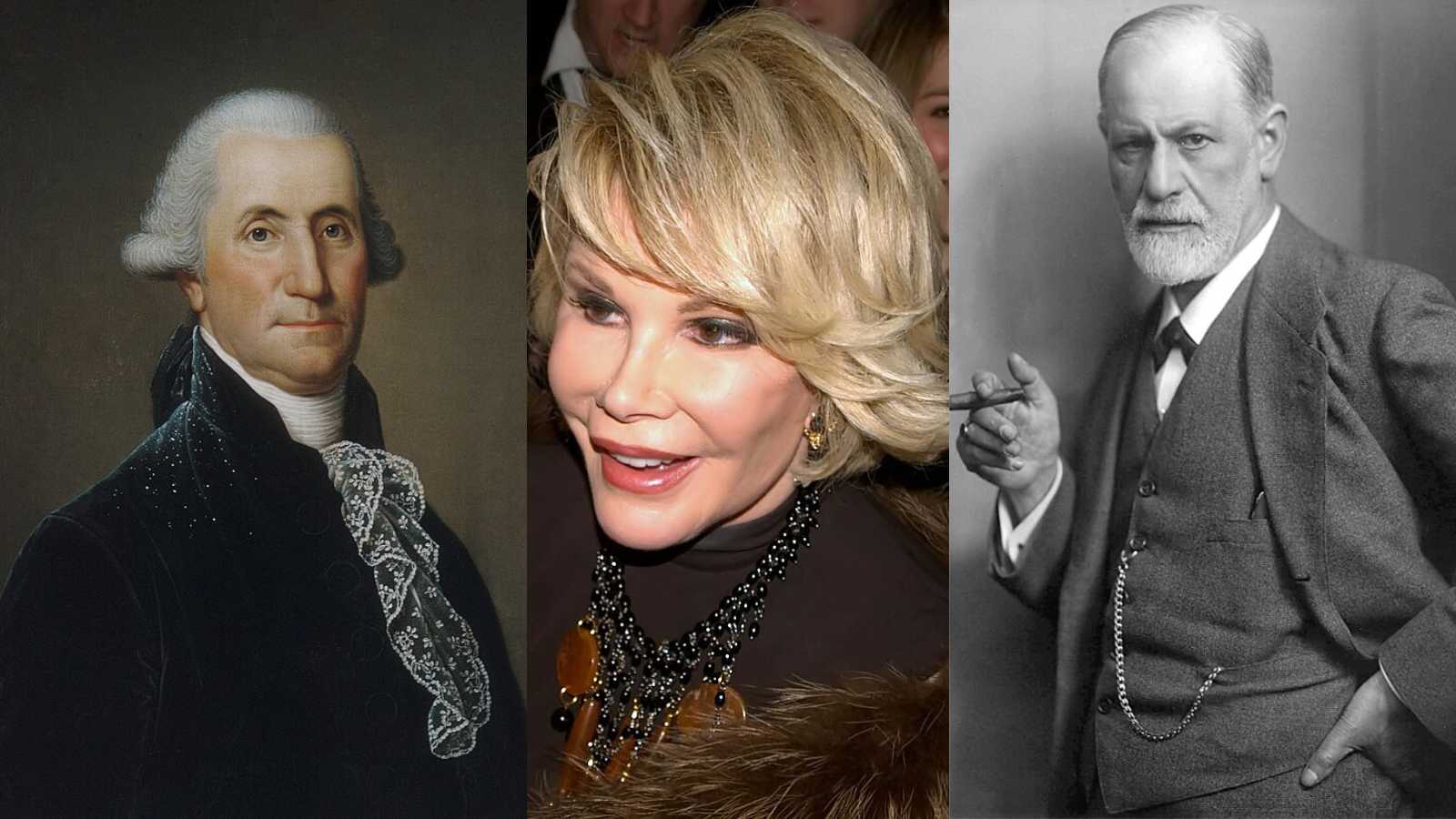
Throughout history, we’ve often been taught to place trust in our doctors, believing they are our most reliable guides in times of illness. However, for some famous figures, their trust in medical professionals led not to healing, but to premature death. The following stories reveal the dark side of medical care, where treatment, rather than cure, led to the tragic end of iconic lives.
Let’s explore how some of history’s greatest individuals met their untimely demise under the care of their doctors.
King Charles II

King Charles II of England was a man of indulgence, but his final days were marked by excessive medical treatment. The king suffered from a mysterious illness and was attended by fourteen doctors, all of whom subjected him to a series of increasingly bizarre and painful treatments.
These included bloodletting, blistering, enemas, and even the application of plasters made from pigeon droppings. Over the course of several days, the relentless treatments weakened him, and he eventually succumbed to the effects of the treatments themselves, demonstrating how even royal status could not protect one from medical malpractice.
King George V
King George V’s passing was shrouded in secrecy, but the manner of his death raised eyebrows. The monarch had been gravely ill, yet his death was prolonged far beyond the point of convenience. To avoid the embarrassment of the king dying too late for the morning papers, his doctor, Lord Dawson, administered a lethal cocktail of cocaine and morphine, hastening his death.
This controversial decision ensured that the king’s obituary would appear in the morning editions, but it also marked one of the most unethical actions taken by a royal physician.
President James Garfield
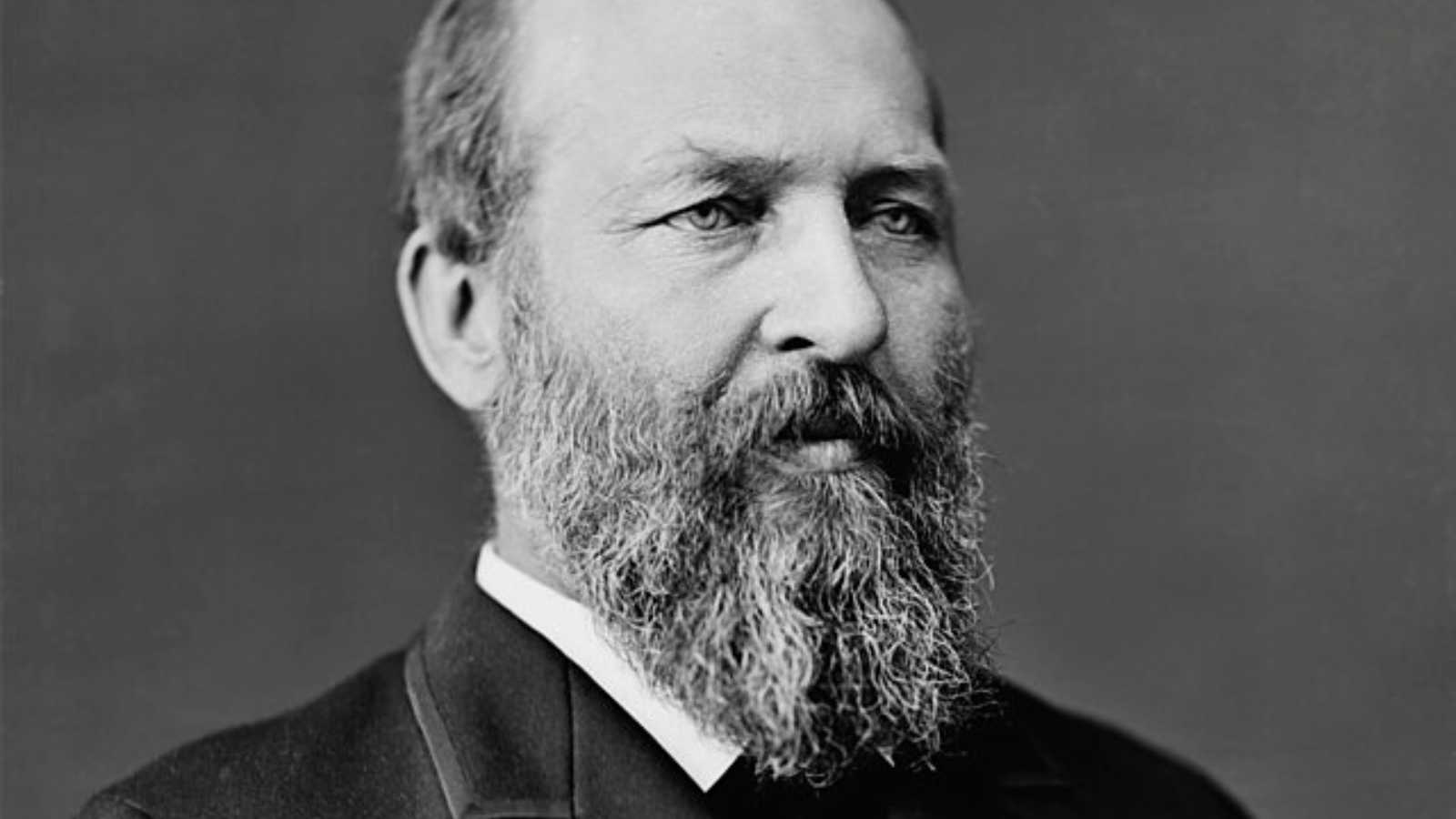
In 1881, President James Garfield was tragically shot, but it was not the assassin’s bullet that ultimately claimed his life. The doctors who attended to him failed to understand the importance of sanitation, and they repeatedly probed the wound with unsterilized hands and instruments.
As a result, the wound became infected, and the infection spread rapidly, causing a fever that killed the president more than two months later. The death of Garfield highlights the danger of medical malpractice and the critical need for proper hygiene in surgery.
Charles II of Navarre
Charles II of Navarre, known as “Charles the Bad,” met an ironic and painful end in 1387. When he fell ill, his doctors prescribed wrapping him in brandy-soaked cloths to treat his condition. The treatment, however, went tragically wrong when a seamstress accidentally set fire to the clothes with a candle.
The resulting fire caused the king severe burns, and after two weeks of suffering, he died. His death serves as a chilling example of how misguided medical treatments can lead to unnecessary suffering and death.
George Washington
George Washington, the first president of the United States, died after a routine illness turned fatal, thanks to the archaic medical practices of his time. In 1799, Washington developed a sore throat and, rather than being allowed to recover naturally, he was subjected to a series of brutal medical interventions.
His doctors bled him multiple times, applied blisters, and administered a range of ineffective treatments, including enemas. His weakened condition worsened, leading to his death, making Washington’s demise a painful reminder of how medical practices can exacerbate rather than heal.
Michael Jackson

Michael Jackson’s sudden death in 2009 sent shockwaves around the world. The King of Pop had been struggling with insomnia as he prepared for a comeback tour, and in an attempt to help him sleep, his doctor administered propofol, a powerful anesthetic. Propofol is typically used in surgical procedures, not for regular sleep, and its misuse led to Jackson’s fatal overdose.
The doctor, Conrad Murray, was convicted of involuntary manslaughter for his role in Jackson’s death, demonstrating the catastrophic consequences of unprofessional medical decisions.
Joan Rivers
Joan Rivers, known for her sharp wit and brash humor, tragically died following a routine procedure. The comedienne had gone in for a throat surgery, but complications arose when the doctors performed an unauthorized biopsy during the procedure. This unapproved action led to severe damage to her vocal cords and caused her to stop breathing.
Rivers’ death raised critical questions about the ethics of medical consent and the risks involved in even the most routine of procedures.
Sigmund Freud
Sigmund Freud, known for his theories of the unconscious mind and his pioneering work in psychoanalysis, met his end not from a failed operation but from the mercy of his doctor. Freud had suffered from intense oral cancer due to his lifelong cigar habit. As the disease progressed and his pain became unbearable, Freud requested his doctor to help him die with dignity, free from pain.
At his request, his doctor administered morphine, easing him into a peaceful death, sparking debates over the ethics of physician-assisted death.
Abraham Lincoln

While most people are familiar with the details surrounding President Abraham Lincoln’s assassination, there’s a lesser-known aspect of his death. After being shot in the head by John Wilkes Booth in 1865, Lincoln was attended by a series of doctors who attempted to treat him.
In their haste and ignorance, the doctors repeatedly probed the wound, causing further trauma and significant blood loss. It is widely believed that the intervention of these doctors, rather than the bullet itself, led to Lincoln’s death just hours after the attack.
Edward Gibbon
Edward Gibbon, the esteemed historian known for writing The Decline and Fall of the Roman Empire, died not from an infection but from the treatment of a painful condition. Gibbon suffered from a swelling in his testicles, a condition that required surgical intervention.
Although the initial operation to drain the fluid provided some relief, repeated procedures led to infection, and Gibbon ultimately died from the complications. His death underscores how even the most knowledgeable and capable doctors could mismanage seemingly simple conditions.
Conclusion
Throughout history, these high-profile deaths have served as stark reminders of the critical role medical professionals play in both preserving and taking life. The cases above reflect both the progress and the dangers of medical practice over the centuries. Whether through negligence, outdated treatments, or sheer malpractice, the deaths of these famous figures at the hands of their doctors remind us that even the most skilled practitioners are capable of fatal errors. As we continue to advance in medical science, these tragic stories urge us to continually question and improve the methods we rely on to protect our health.