In the world of television, actors bring characters to life, creating unforgettable moments that remain etched in viewers’ memories. However, sometimes the magic of TV is interrupted by the harsh reality of life. When an actor passes away unexpectedly, writers and producers face the difficult decision of how to continue the show. Should they recast the role, or should they write the character out permanently? These decisions can have a profound impact on the storyline and the emotional connection fans have with the show.
Below are some of the most memorable TV deaths that happened because the actor died in real life, forever altering the trajectory of their respective series.
Owen Granger on NCIS: Los Angeles
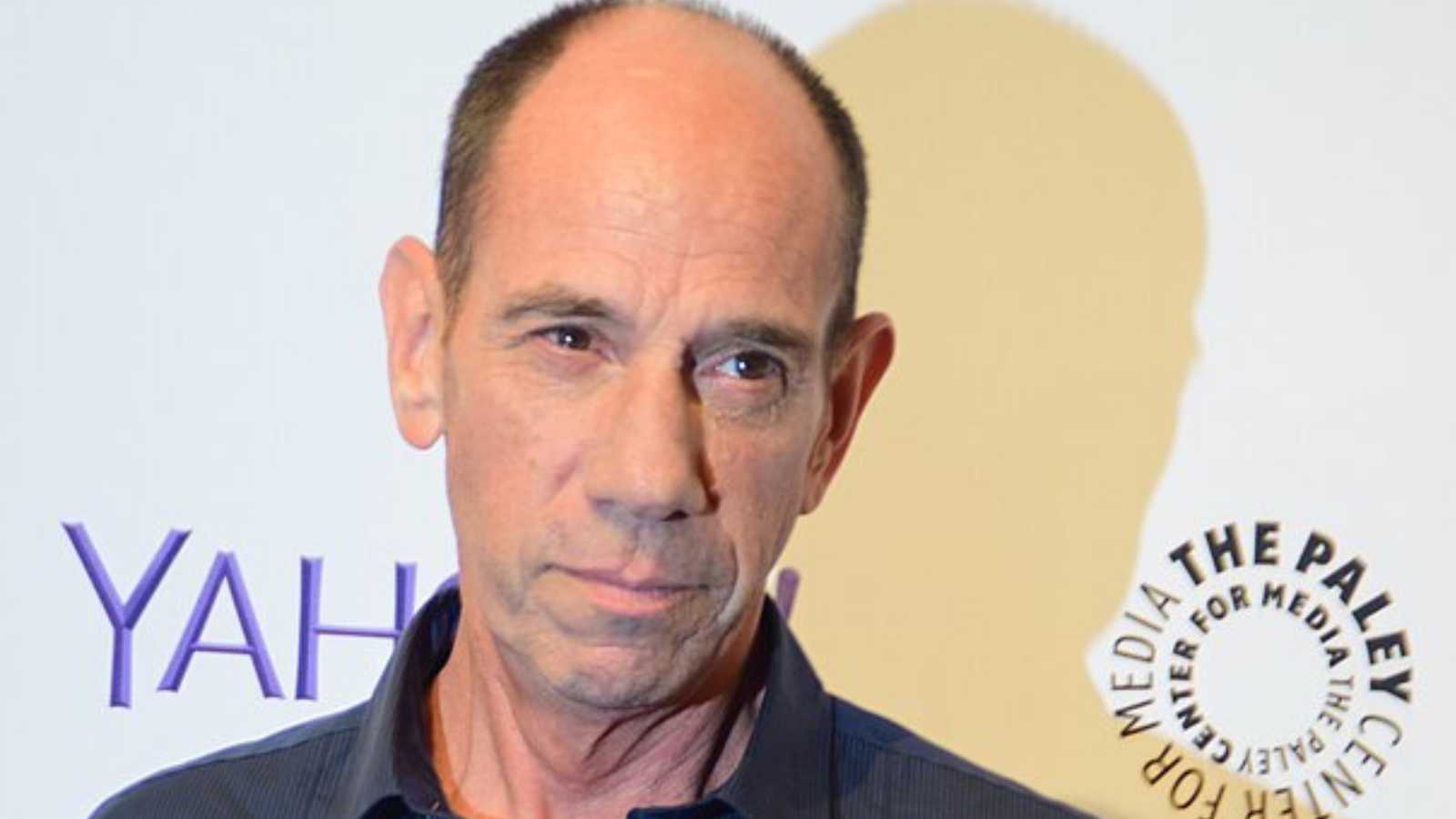
Miguel Ferrer was a seasoned actor, known for his distinctive voice and commanding presence on screen. He joined the cast of NCIS: Los Angeles in 2012 as A.D. Owen Granger, an enigmatic character with a complex past. In a plot twist, Granger was written to be diagnosed with cancer, mirroring Ferrer’s own struggle with the disease. Ferrer, unfortunately, passed away in 2017 at the age of 61, leaving the show in a difficult position.
The writers chose to honor his character’s arc by having Granger succumb to his illness off-screen. This poignant moment paid tribute to the actor’s legacy while also giving the show a natural conclusion to his character’s arc. The character’s on-screen death reflected Ferrer’s real-life battle, making his departure even more impactful for both the cast and viewers.
Paul Hennessy on 8 Simple Rules
John Ritter’s role as Paul Hennessy in 8 Simple Rules made him a household name in the early 2000s. However, his sudden death in September 2003, due to an aortic dissection, left the series without its central figure. Ritter had only filmed one full season, and the show had to quickly adjust. The writers decided to write his character’s death into the show, explaining that Paul collapsed at the grocery store.
This heart-wrenching episode, titled “Goodbye,” showed the profound impact of Ritter’s loss, both for the characters and the audience. Following Ritter’s passing, the show continued with new characters, but it was never quite the same without him. His untimely death left a void that no one could fill, and it marked a sad turning point in the series.
Cory Monteith (Finn Hudson) on Glee

Cory Monteith’s sudden death in 2013 shocked the world. The actor, beloved for his role as Finn Hudson on Glee, passed away from a heroin overdose at just 31 years old. The show faced the heartbreaking challenge of writing out Finn in a way that honored Monteith’s legacy.
In the tribute episode “The Quarterback,” Glee handled Finn’s death with raw emotion, addressing the loss of both the character and the actor. Characters like Rachel mourned Finn’s passing, while performances of Monteith’s iconic songs added depth to the tribute. The episode became a poignant moment for fans, blending real-life grief with the fictional world, showcasing how deeply Monteith had impacted both the show and its audience.
Monteith’s legacy endures in Glee’s most emotional moments, reminding us how an actor’s influence can transcend their character.
Angela on Family Guy
Carrie Fisher, best known for her portrayal of Princess Leia in Star Wars, brought her unique voice to Family Guy as Angela, Peter Griffin’s boss. Fisher’s sudden death in 2016 left a major void in the show, and the writers chose to honor her character by having Angela pass away as well. In a poignant 2017 episode, Peter Griffin delivers a heartfelt eulogy at Angela’s funeral.
The show paid tribute to Fisher’s remarkable talent and presence, giving Angela’s character a meaningful send-off. The tribute was a bittersweet moment for fans who had enjoyed Fisher’s voice work on the series, showcasing the show’s ability to balance humor and sincerity.
Mrs. Krabappel on The Simpsons
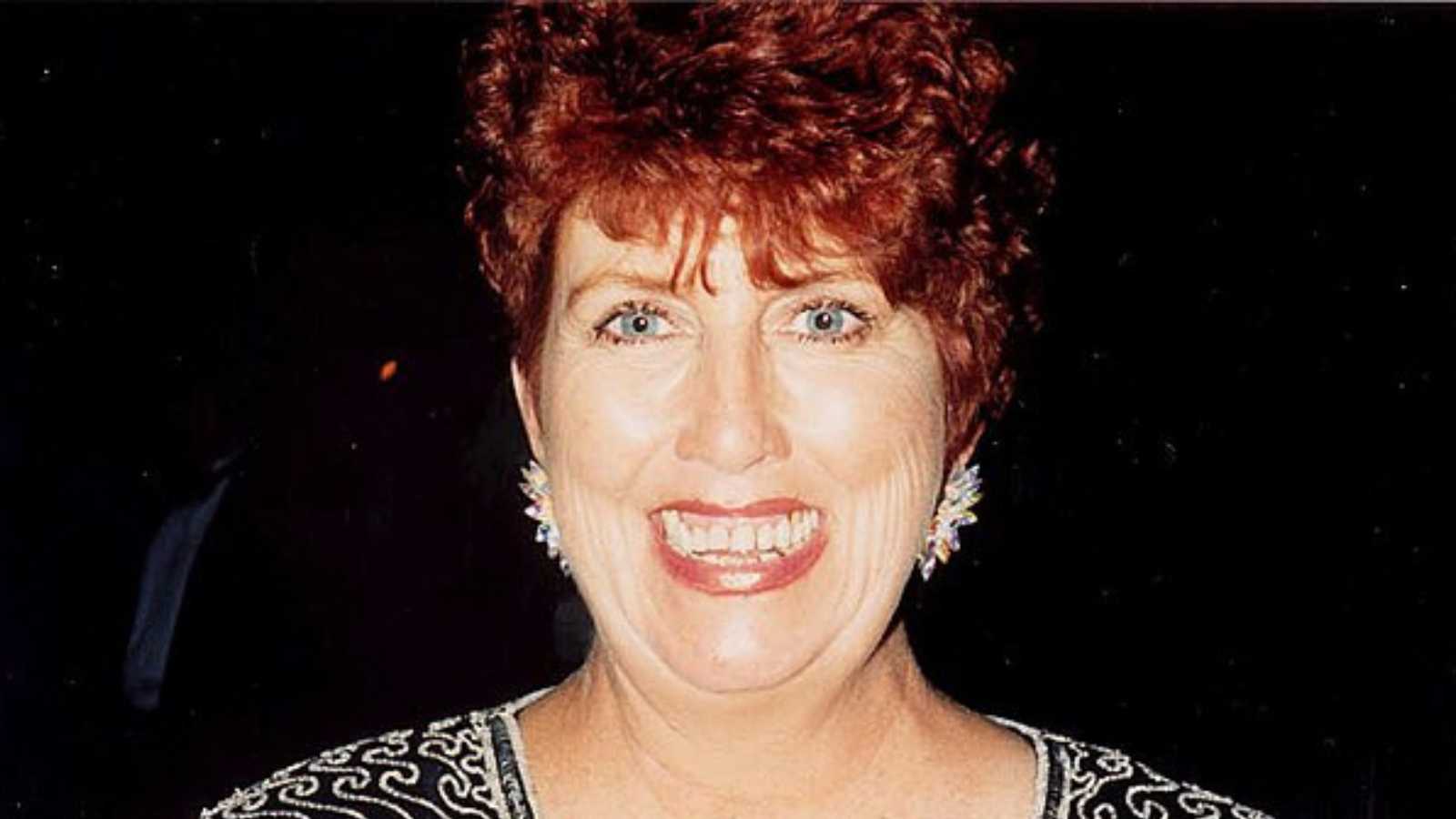
Marcia Wallace’s passing in 2013 left a notable absence on The Simpsons, where she had voiced the sarcastic, weary fourth-grade teacher Mrs. Krabappel for over two decades. The writers of The Simpsons opted to retire the character rather than recast the role, respecting Wallace’s irreplaceable contribution to the show.
In a touching tribute, Bart Simpson’s chalkboard message in the opening credits of the episode after her death read, “We’ll really miss you, Mrs. K.” The character’s death was later explored in an episode in which Ned Flanders, Mrs. Krabappel’s husband, remembers their time together. This emotional acknowledgment of Wallace’s death reminded viewers of the powerful connection between the cast and audience, and how the show had grown with its fans over the years.
Leo McGarry on The West Wing
John Spencer was a respected actor with a career spanning several decades before landing his iconic role as Leo McGarry on The West Wing. As President Bartlet’s loyal Chief of Staff, Spencer’s portrayal of Leo was one of the cornerstones of the show’s success. When Spencer died of a heart attack in 2005, the writers of The West Wing were faced with the challenging task of writing Leo’s departure.
In a heartbreaking plot twist, Leo dies of a heart attack just before the presidential election, with the news of his passing affecting both the characters and the political landscape of the show. Spencer’s real-life death was incorporated into the storyline, making Leo’s death a deeply personal and significant moment for fans of the series.
Coach on Cheers
Nicholas Colasanto’s portrayal of Coach on Cheers brought a unique blend of warmth and humor to the show. Colasanto, who had been suffering from heart problems for some time, passed away in 1985. In the wake of his death, the show introduced Woody Harrelson as Woody Boyd, a new bartender. The transition was handled delicately, with the characters acknowledging the loss of Coach, yet his absence left an emotional gap.
Coach’s death on the show was a significant moment, as it marked the end of an era for Cheers, a series that had come to define television. The impact of Colasanto’s passing was felt deeply by both the cast and fans, highlighting the human side of TV production.
Bill McNeal on Newsradio
Phil Hartman was a beloved comedic actor whose career included memorable roles in Saturday Night Live and NewsRadio. Hartman’s death in 1998, following a tragic domestic incident, left the cast of NewsRadio reeling. The show’s fifth season began with a tribute to Hartman’s character, Bill McNeal, who was said to have died from a heart attack.
The emotional farewell to McNeal was not only a tribute to Hartman’s talent but also an opportunity for the show to process its loss respectfully and with heartfelt emotion. Bill McNeal’s mourning became a real-life expression of grief shared by the cast, crew, and viewers, making it one of the most poignant moments in television history.
Fred Andrews on Riverdale
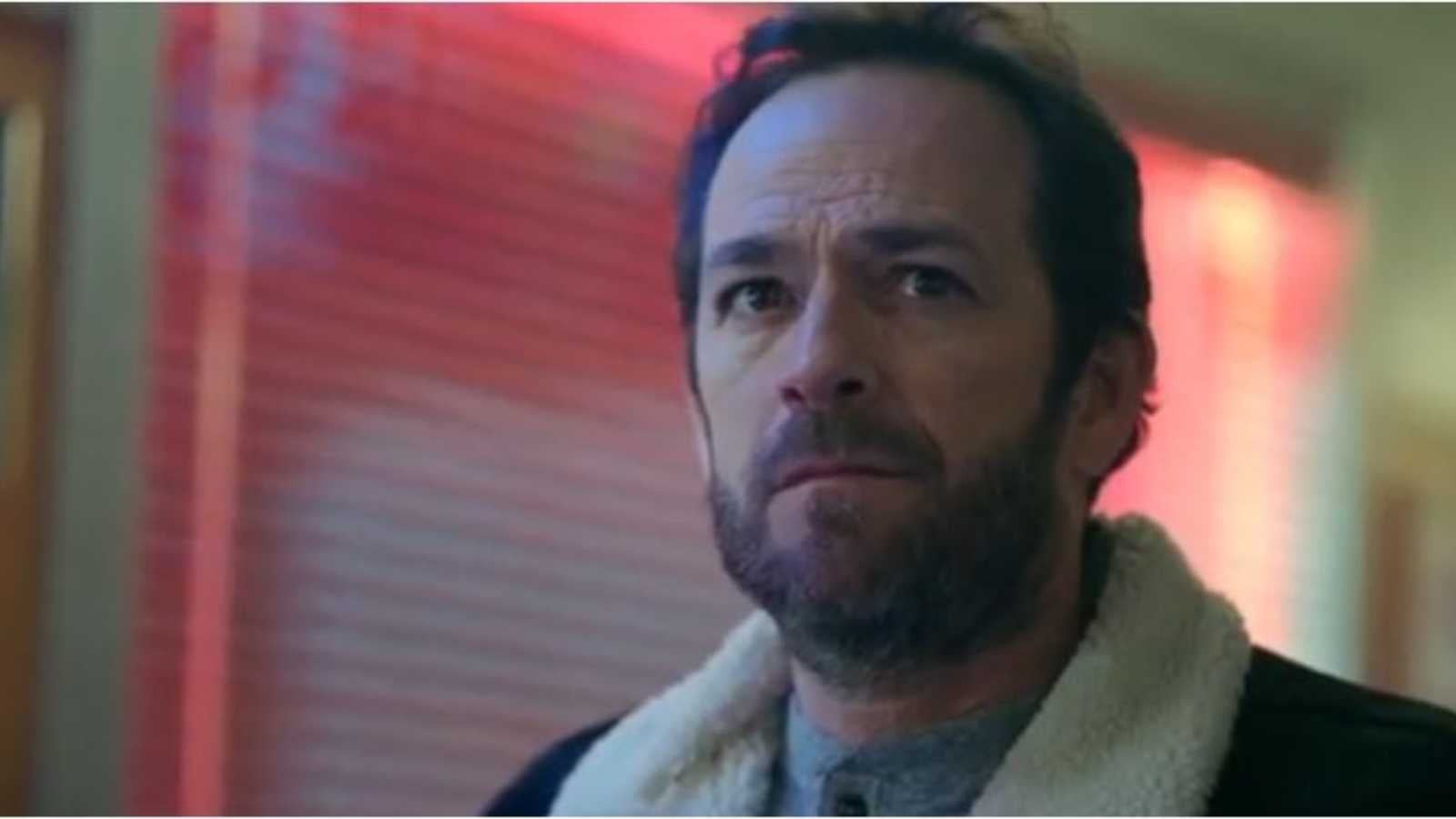
Luke Perry, the iconic actor best known for his role as Dylan McKay on Beverly Hills, 90210, became a fan favorite once again in Riverdale as Fred Andrews, Archie’s father. In 2019, Perry tragically passed away after suffering a stroke at the age of 52. The Riverdale writers chose to honor Perry’s legacy by having Fred die in the series.
In the opening episode of season four, Fred’s death is revealed to be the result of a hit-and-run accident while he was helping a stranded motorist. This sudden and unexpected loss served as a powerful tribute to Perry’s legacy and marked the beginning of a new chapter for the characters of Riverdale.
Livia Soprano on the Sopranos
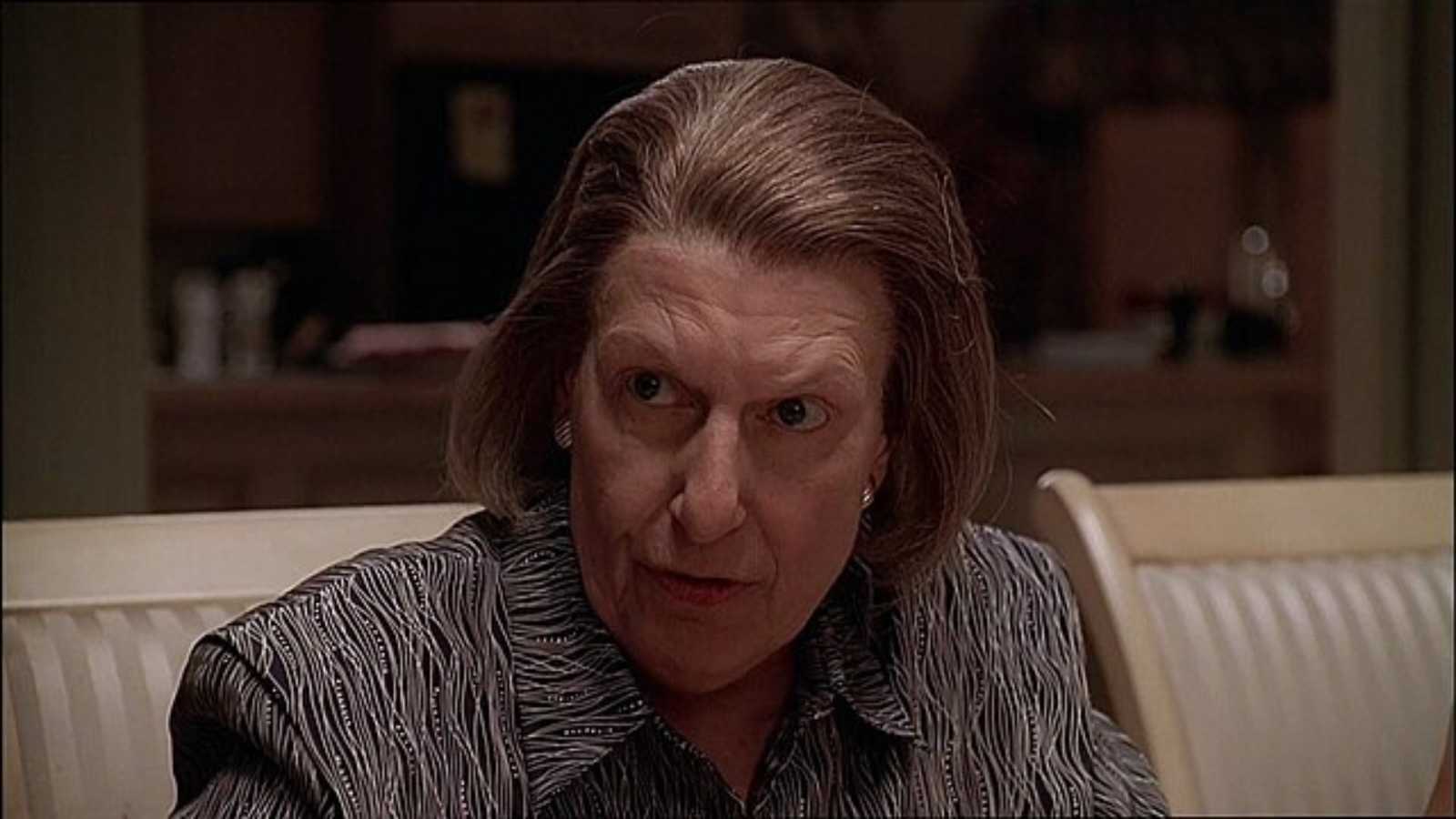
The untimely death of Nancy Marchand, who portrayed Livia Soprano on The Sopranos, posed a significant challenge for the writers of the critically acclaimed show. Marchand, who had been a central part of the series as the domineering mother of Tony Soprano, passed away from lung cancer in 2000. In a sensitive move, the writers chose to retire Livia’s character, explaining her absence by having her pass away off-screen.
The impact of her death reverberated throughout the show, with Tony’s unresolved issues with his mother remaining a significant theme in the series. Marchand’s death left a lasting void in The Sopranos, but her character’s legacy continued to influence the storylines long after her departure.
Conclusion
These real-life deaths serve as poignant reminders of how the entertainment industry deals with the loss of beloved actors. While TV shows often have to make difficult decisions about a character’s fate, the tributes and adaptations that follow are a testament to the profound influence actors have on the stories they help tell.