Throughout history, monarchs have ruled vast empires, leaving legacies that span centuries. However, there have been those whose reigns were far from enduring, with some lasting only hours, days, or months. These short-lived monarchs often met untimely ends, whether through political intrigue, warfare, or sheer misfortune.
Let’s delve into the stories of these rulers who ascended to the throne only to find their reigns slipping away faster than they could claim power.
Crown Prince Luís Filipe of Portugal
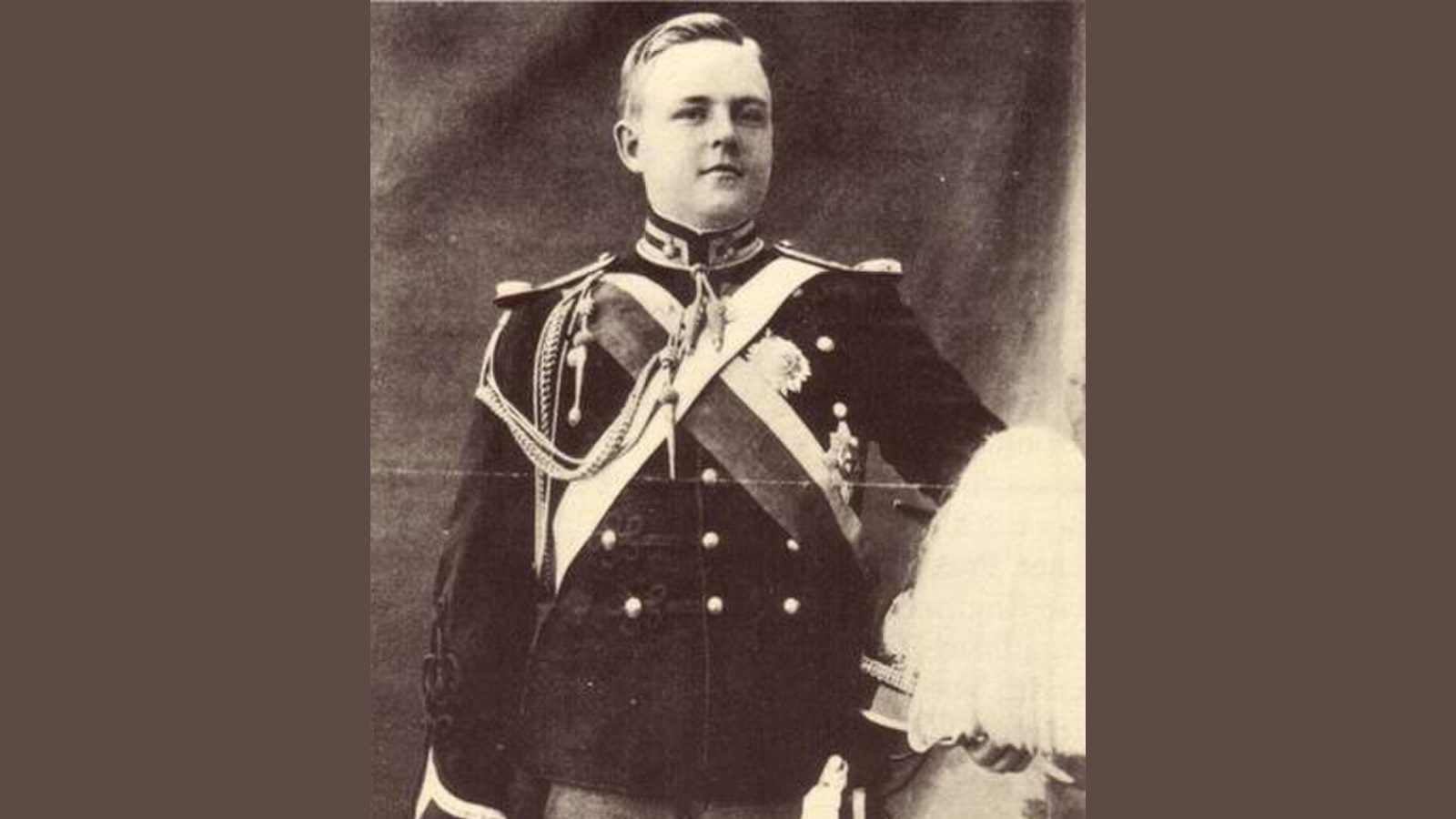
On February 1, 1908, Crown Prince Luís Filipe of Portugal was thrust into a kingly role after the assassination of his father, King Carlos I. Tragically, Luís Filipe was mortally wounded in the same attack and ruled for only 20 minutes before succumbing to his injuries.
Despite his brief reign, Luís Filipe holds the title of the second monarch in history to rule for such a short period, a title that stands as a somber reminder of Portugal’s turbulent royal history.
Emperor Mo of Jin
The shortest reign in Chinese history is credited to Emperor Mo of Jin, who ascended the throne in 1234 amid the Mongol invasion. The former emperor, Aizong, abdicated in favor of Wanyan Chenglin, also known as Emperor Mo. However, the new emperor’s rule lasted less than a day.
As the Mongol forces closed in, Emperor Mo attempted to lead a defense but was killed on the battlefield within hours of assuming the throne. His reign was a fleeting moment in the face of the Mongol onslaught, and the Jin dynasty came to an abrupt end.
King John I of France
King John I of France, also known as “John the Posthumous,” had the shortest reign of any monarch in history. Born in 1316 to King Louis X, John was immediately declared king upon his father’s death, but he lived only five days.
His untimely death led to immediate suspicions that foul play was involved, particularly by his uncle, Philip V, who took the throne shortly after. John I’s reign was, tragically, a mere formality, and his life and reign remain a historical anomaly.
Grand Duke Michael Alexandrovich of Russia
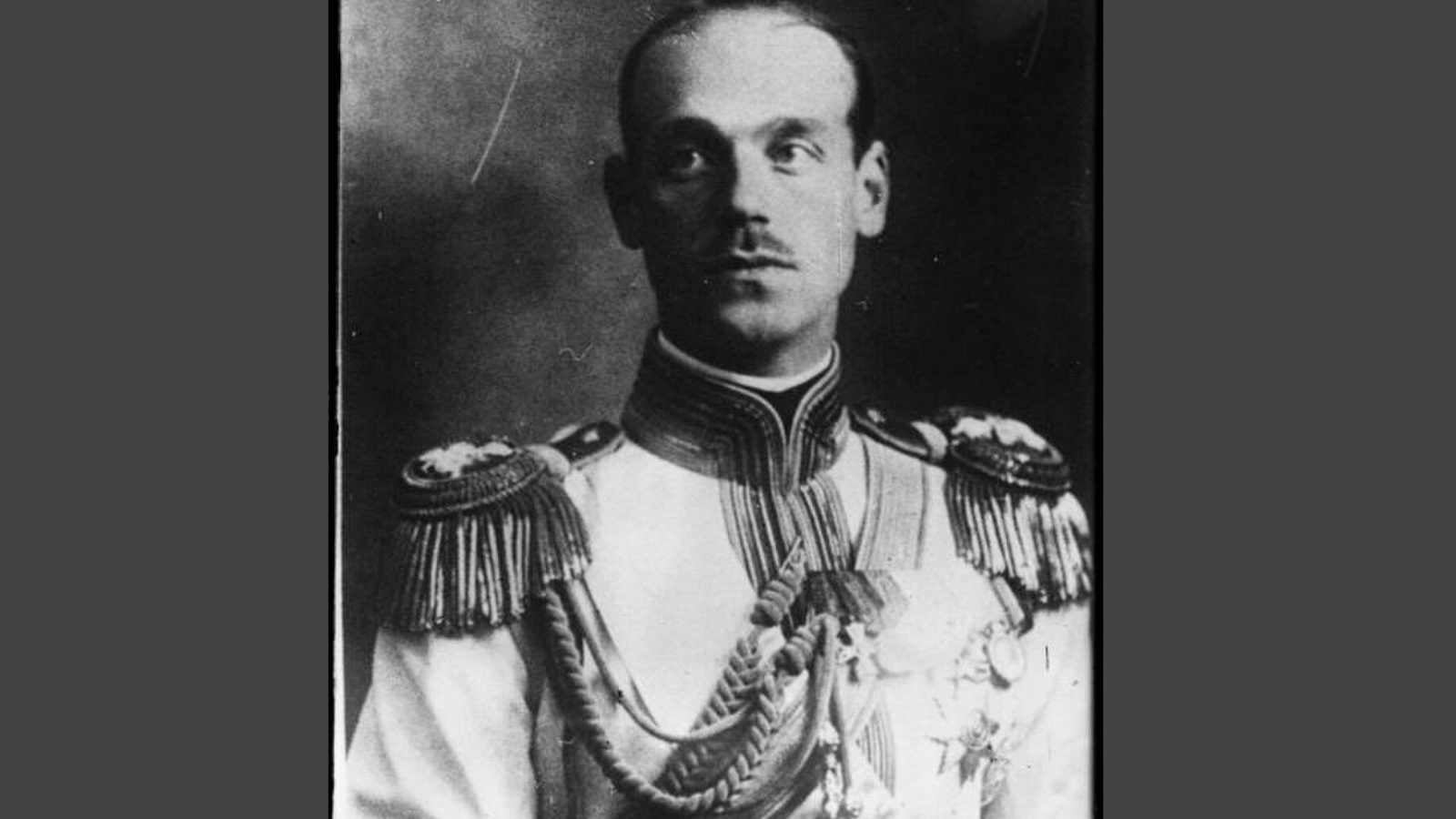
In 1917, the Russian Empire was in the throes of revolution. Tsar Nicholas II abdicated, and his brother, Grand Duke Michael Alexandrovich, was briefly named the new ruler. For just 18 hours, Michael held the title of Tsar.
But in the wake of growing unrest and as revolutionaries seized control, Michael declined the throne unless it was approved by a constituent assembly. His refusal led to the Bolshevik takeover, and the Romanov dynasty was finally extinguished in a mere day’s time.
King Michael II of Romania
In 1940, after King Carol II of Romania abdicated, his son, Michael II, was crowned king. But his reign was short-lived. Just 18 hours after ascending to the throne, Michael’s power was usurped by the military dictator Ion Antonescu, who rendered Michael a figurehead.
Michael’s brief reign marked the start of a tumultuous period in Romania’s royal history, but his eventual return to the throne years later would mark his true resilience.
Sultan Khalid bin Barghash of Zanzibar
One of the most peculiar monarchies in history is that of Sultan Khalid bin Barghash of Zanzibar, who ruled for just two days. In 1896, after the sudden death of his cousin, Khalid declared himself sultan. This move was met with immediate opposition from the British Empire, which had a different candidate in mind.
When Khalid refused to step down, the British Navy launched a bombardment, leading to the Anglo-Zanzibar War. The war lasted just 38 minutes, and Khalid’s reign ended abruptly with his escape into exile.
Tsar Igor II of Kiev
Tsar Igor II of Kiev ruled for only two weeks in 1146 before his reign was cut short by a revolt. Deeply unpopular, Igor faced widespread resistance from the citizens of Kiev. Within a fortnight, the people rose up against him, inviting a rival prince to take the throne.
Igor was imprisoned and later became a monk, but his brief and tumultuous reign ended in humiliation and defeat.
Emperor Didius Julianus of Rome
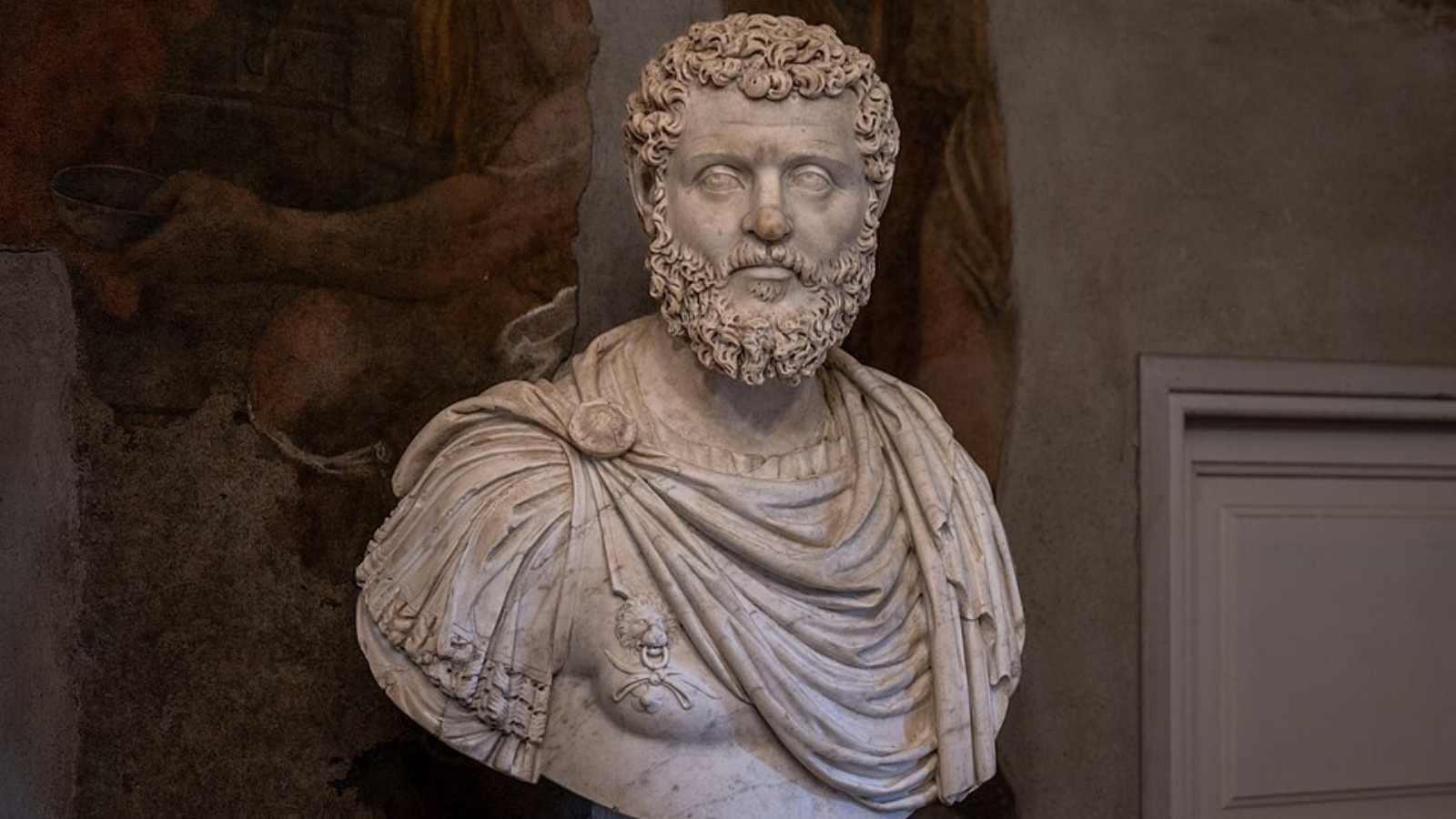
The Roman Empire’s history is filled with intrigue, and few stories are as dramatic as that of Emperor Didius Julianus. In 193 AD, the Praetorian Guard auctioned off the throne to the highest bidder, and Julianus won the bid with a large sum of money.
However, his reign lasted only 66 days, as the public and military quickly rejected him. Julianus was overthrown by the forces of Septimius Severus, and he met a swift and brutal end.
King Umberto II of Italy
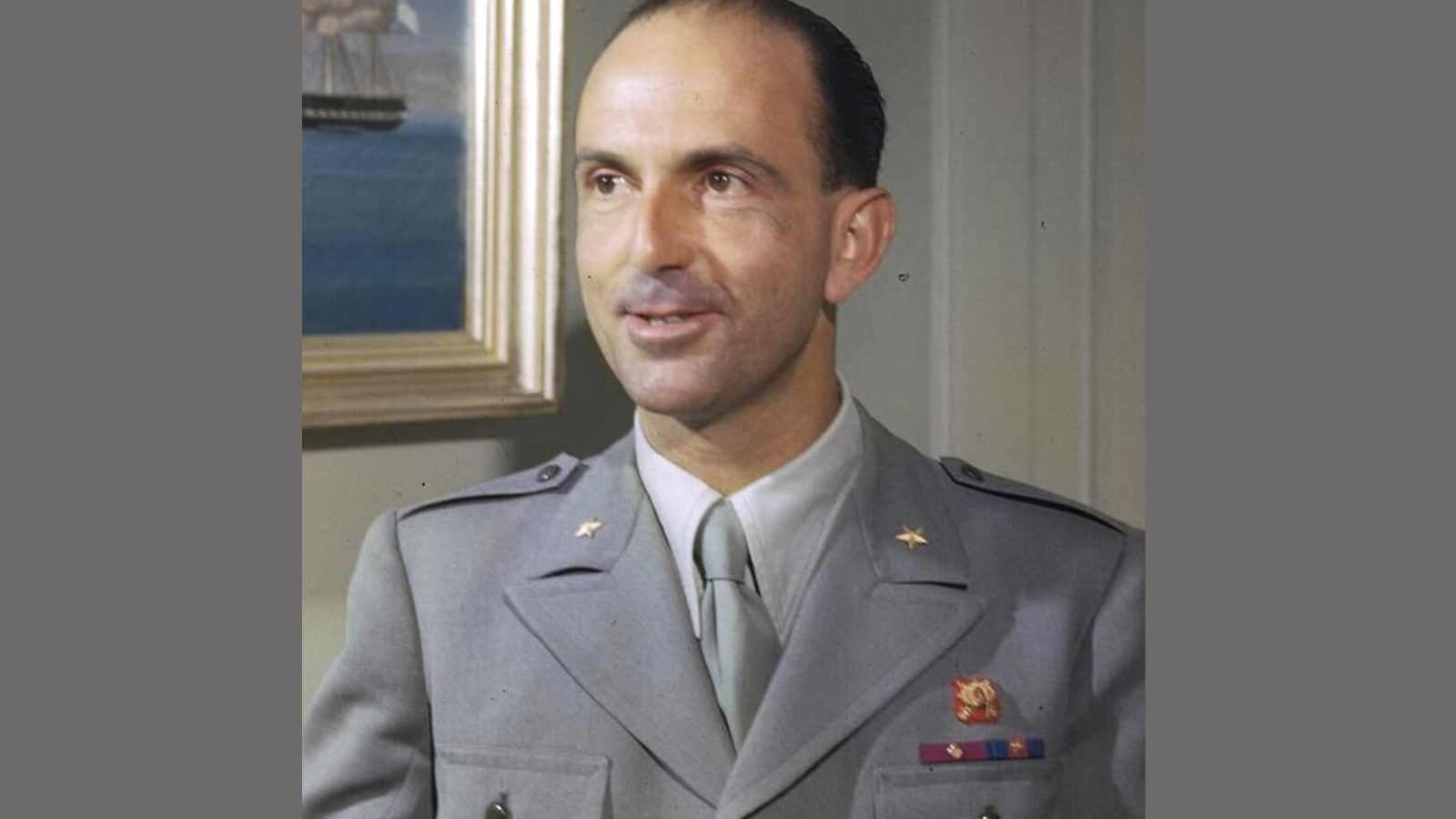
King Umberto II of Italy ruled for just 34 days in 1946, the last monarch of Italy before the country abolished its monarchy through a referendum. Despite his best efforts, Umberto’s reign came at a time when Italy was reeling from the aftermath of World War II. The Italians voted to establish a republic, and Umberto was exiled, marking the end of centuries of royal rule in Italy.
Pope-Elect Stephen
In 752 AD, Pope-Elect Stephen was elected to succeed Pope Zachary, but his papacy lasted only three days. Before he could even be formally consecrated, he suffered a stroke and passed away. The brevity of Stephen’s papacy sparked centuries of debate over whether he was a pope, but his reign remains one of the shortest in ecclesiastical history.
King Louis XIX of France
In 1830, during the July Revolution, King Charles X of France abdicated in favor of his son, Louis XIX. But the throne didn’t remain under Louis’s grasp for long. Within a mere 20 minutes, amidst the tumult of a revolution, Louis signed his abdication papers, marking one of the shortest reigns in history.
The young king’s time on the throne was so brief that it felt more like an afterthought than a legitimate rule. France’s monarchy came to a swift, tragic end in the face of overwhelming civil unrest.
Lady Jane Grey
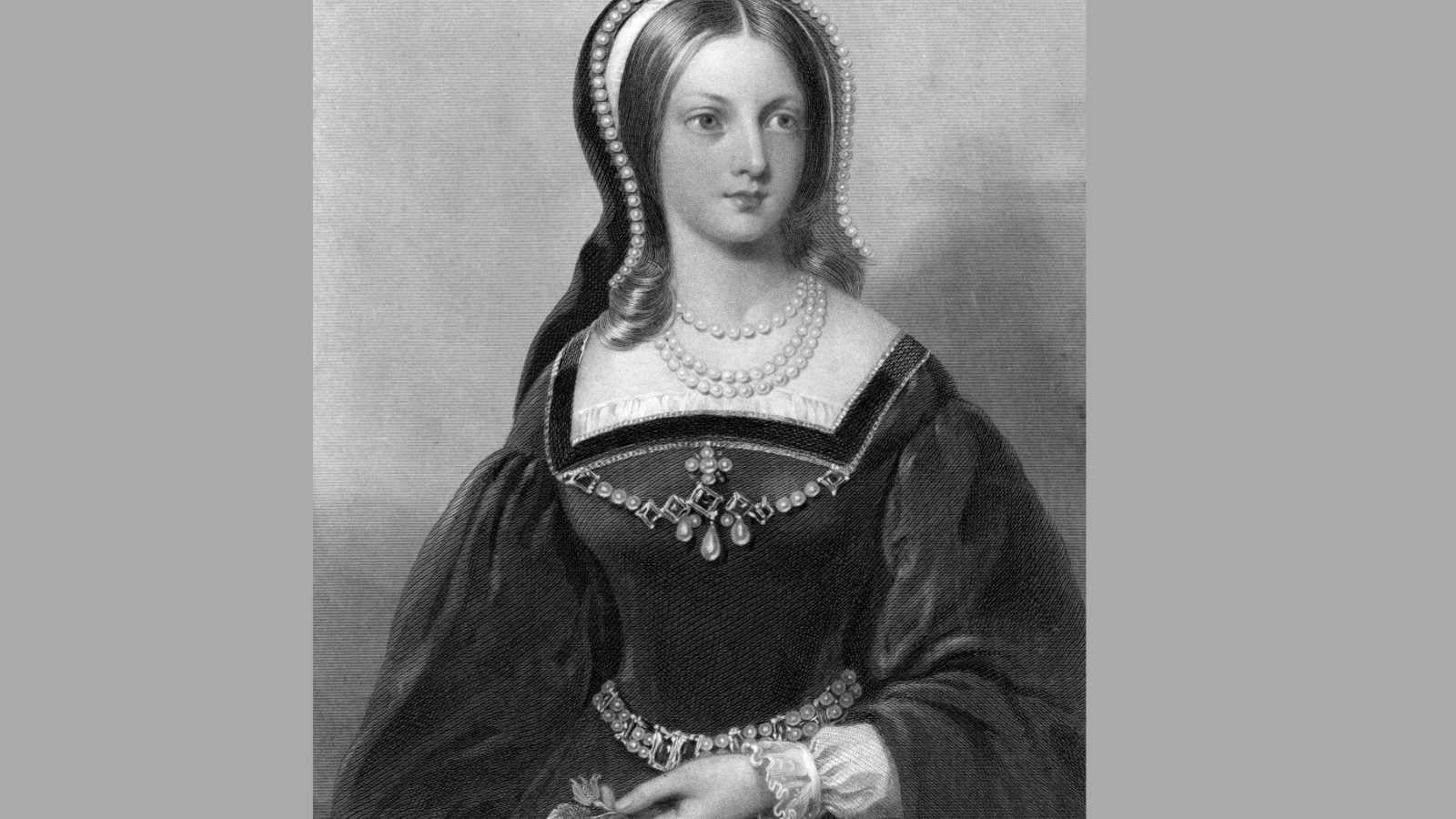
Lady Jane Grey, often referred to as the Nine Days’ Queen, became queen of England in 1553 after a political maneuver by her family. Jane’s reign lasted only nine days, as Mary I gathered enough support to take the throne.
Jane was deposed, imprisoned in the Tower of London, and ultimately executed. Her short reign remains one of the most famous in British history.
Conclusion
The stories of these monarchs remind us that power, no matter how grand or ancient, can be fleeting. Whether due to assassination, revolution, or personal choice, their reigns ended swiftly, leaving behind legacies defined more by brevity than by achievement. These monarchs may have lacked time, but their stories are preserved in history as cautionary tales of the unpredictable nature of power.