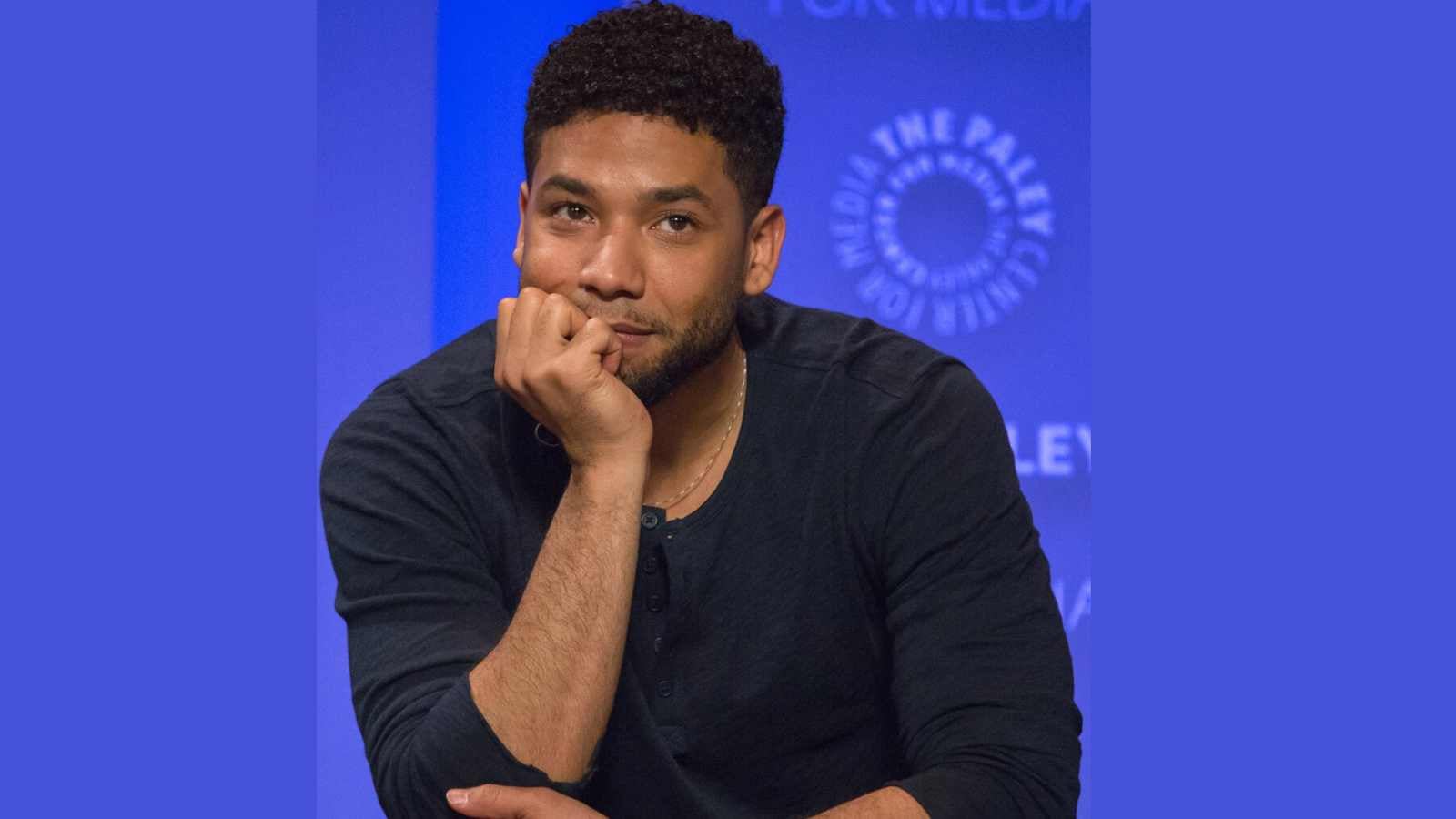
Celebrity culture often creates an aura of perfection and credibility. Fans invest emotionally, believing that the stories and talents of their favorite stars are genuine. But behind the glitz and glam, not all celebrities are what they seem. From fake talents to fabricated stories, these shocking exposés have exposed some of the world’s most famous figures.
Here are 15 notorious cases of stars who were exposed as frauds, shaking public trust and revealing the darker side of fame.
Milli Vanilli
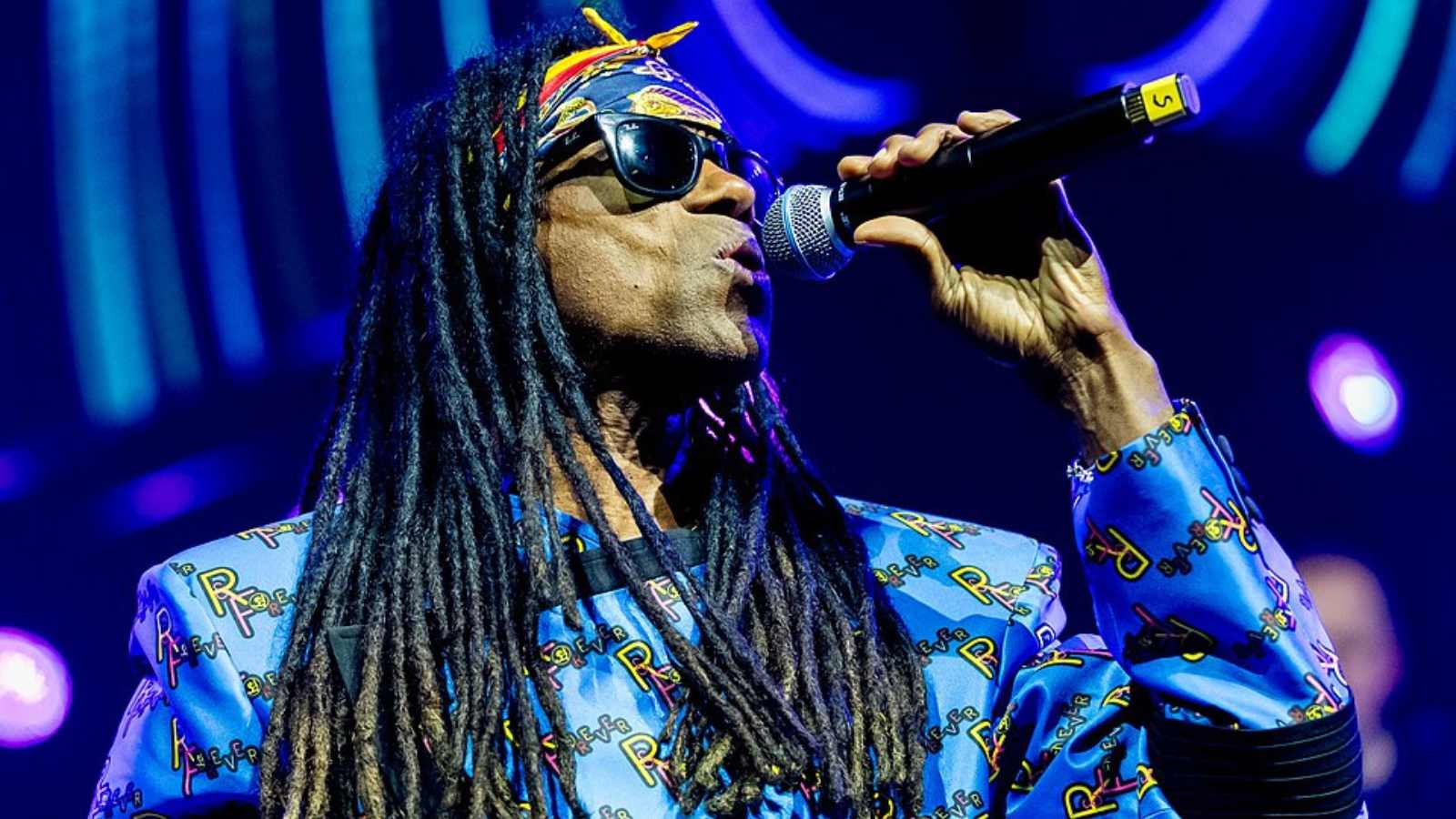
Milli Vanilli, a pop duo consisting of Rob Pilatus and Fab Morvan, made headlines in the late ’80s with their chart-topping hits and a Grammy Award for Best New Artist. However, it was later revealed that they never actually sang on their records. The duo’s rise to fame was built on the vocal talents of studio singers, a fact that became public after a live performance malfunction exposed their lip-syncing.
The scandal led to the revocation of their Grammy Award and a major overhaul in how the music industry approaches live performances and authenticity.
Rachel Dolezal
Rachel Dolezal, once the head of a local NAACP chapter, presented herself as a Black woman and became a prominent civil rights activist. In 2015, it was revealed that she was, in fact, a white woman of European descent. The scandal sparked a national conversation about identity and cultural appropriation.
Dolezal’s fraudulent identity prompted her resignation and a reevaluation of what it means to “pass” as a member of a marginalized group.
James Frey
James Frey’s memoir A Million Little Pieces became a bestseller and was even selected for Oprah Winfrey’s book club. However, investigations revealed that many events in the memoir were either exaggerated or entirely fabricated. The book’s authenticity was called into question, culminating in a heated confrontation between Frey and Oprah.
The scandal prompted publishers to adopt stricter guidelines for verifying memoirs and highlighted the blurred lines between fiction and nonfiction.
Anna Delvey
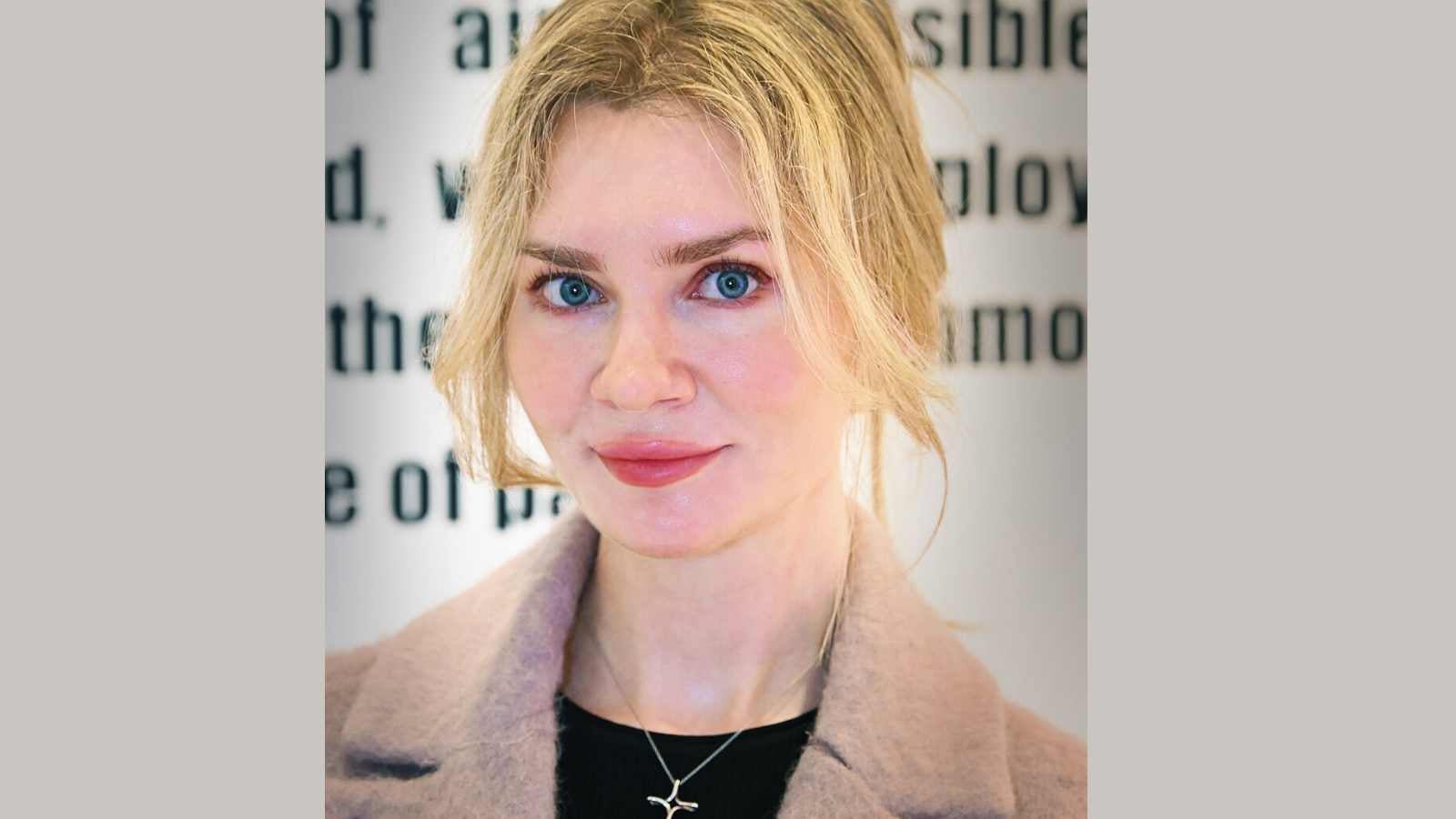
Anna Sorokin, also known as Anna Delvey, posed as a wealthy German socialite to infiltrate New York’s elite circles. She gained access to private jets, luxury hotels, and financial institutions, all without having any actual wealth. In 2019, Delvey was arrested and convicted on multiple charges of fraud and theft.
Her case exposed the vulnerabilities of high society and the ease with which appearances can overshadow reality in financial and social circles.
Billy McFarland
Billy McFarland promised a luxurious, exclusive music festival in the Bahamas, but attendees arrived to find a complete disaster: no infrastructure, inadequate food, and disaster-relief tents. The Fyre Festival, billed as a once-in-a-lifetime experience, turned into a catastrophic failure. McFarland was later convicted of wire fraud and sentenced to prison.
The debacle served as a cautionary tale about influencer marketing, unchecked hype, and the dangers of online promises.
Elizabeth Holmes
Elizabeth Holmes, the founder of Theranos, claimed she had revolutionized blood testing with a device that could deliver results with just a drop of blood. However, investigations revealed that the technology was faulty and that the device’s results were unreliable.
Holmes misled investors and patients, leading to her conviction for fraud in 2022. Her case underscored the risks of hype-driven innovation in Silicon Valley, where ambition often outpaces reality.
Lance Armstrong
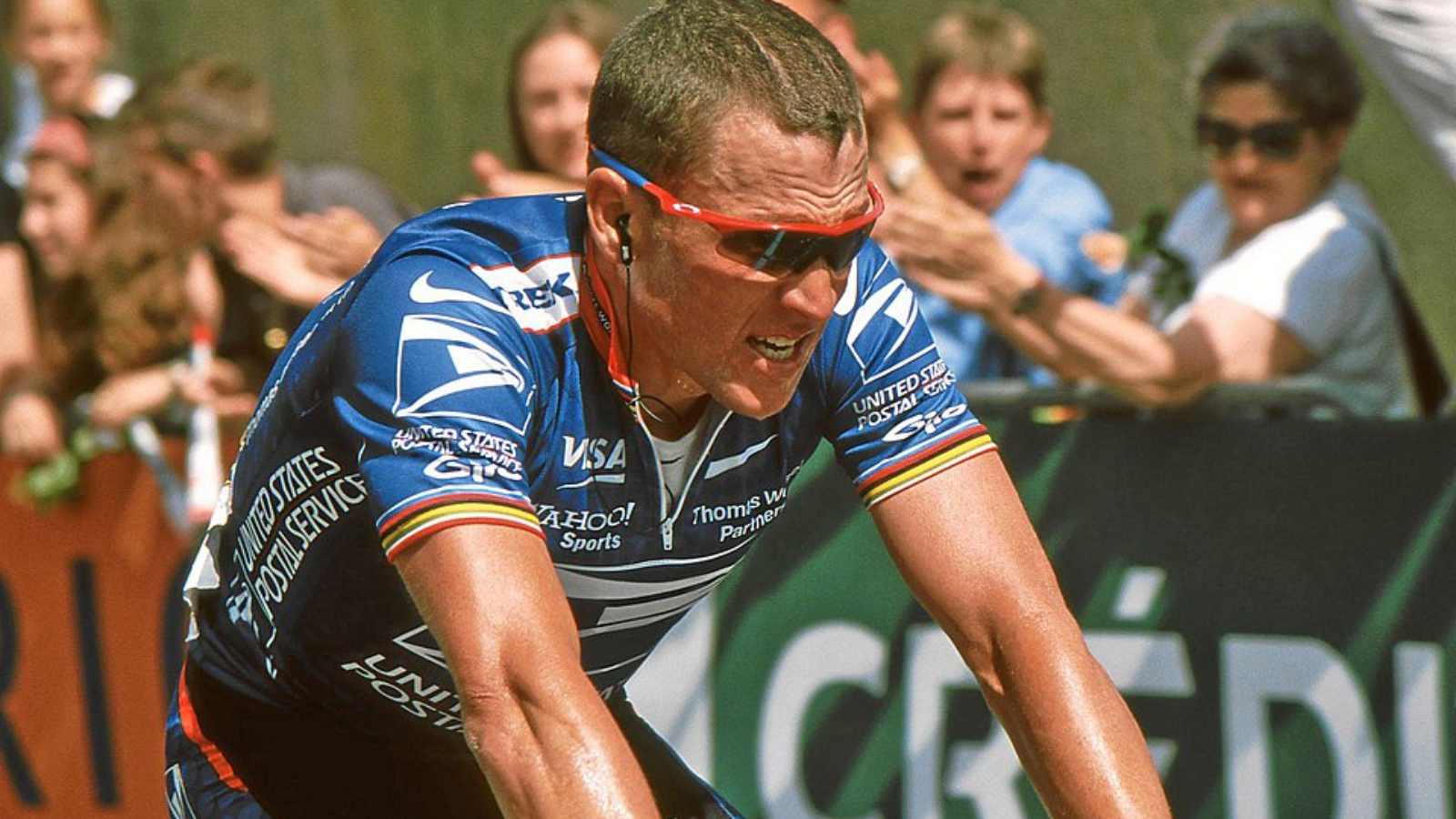
Lance Armstrong, the cycling legend who won seven consecutive Tour de France titles, was once the epitome of inspiration after overcoming cancer. However, a series of investigations revealed that Armstrong had been doping throughout his career, using performance-enhancing drugs to secure his victories.
Despite years of denial, Armstrong finally admitted to the charges in 2013, resulting in the loss of all his titles and a lifetime ban from professional cycling. His fall from grace forced the sports world to confront the pervasive issue of doping.
Jussie Smollett
Actor Jussie Smollett reported being the victim of a hate crime in Chicago in 2019, which sparked outrage and widespread media coverage. However, police investigations revealed that the incident had been staged by Smollett himself to gain sympathy and attention.
Smollett was charged with filing a false police report and later convicted. The case ignited a broader conversation about the media’s responsibility in covering sensitive issues and the consequences of false claims.
Belle Gibson
Australian wellness influencer Belle Gibson claimed that she had cured her terminal cancer through natural remedies. However, investigations revealed that she had never been diagnosed with cancer. Gibson’s app, The Whole Pantry, was removed from stores, and she was fined for misleading consumers.
The scandal raised awareness about the dangers of unverified health claims on social media and highlighted the need for greater regulation in the wellness industry.
Tania Head
Tania Head became a prominent spokesperson for survivors of the September 11 attacks, claiming she had narrowly escaped the disaster. However, investigations revealed that she had not even been in the United States during the attacks. Her fabricated narrative deeply hurt real survivors and damaged the credibility of survivor advocacy groups.
The case illustrated the harm that can result from exploiting tragic events for personal gain.
George Santos
Politician George Santos faced intense scrutiny after it was revealed that many aspects of his personal and professional background were fabricated. Claims about his education, work history, and even his heritage were proven to be false.
Santos’s case prompted investigations and legal challenges, highlighting the need for more rigorous vetting of political candidates and the dangers of misinformation in the political arena.
Stephen Glass
Journalist Stephen Glass gained recognition for his compelling stories at The New Republic, but it was later revealed that many of his articles were either partially or completely fabricated. The scandal led to his dismissal and prompted major reforms in journalistic standards, particularly in fact-checking processes.
Glass’s actions served as a cautionary tale for journalists and publications about the dangers of embellishment and the importance of maintaining credibility.
Claudine Gay
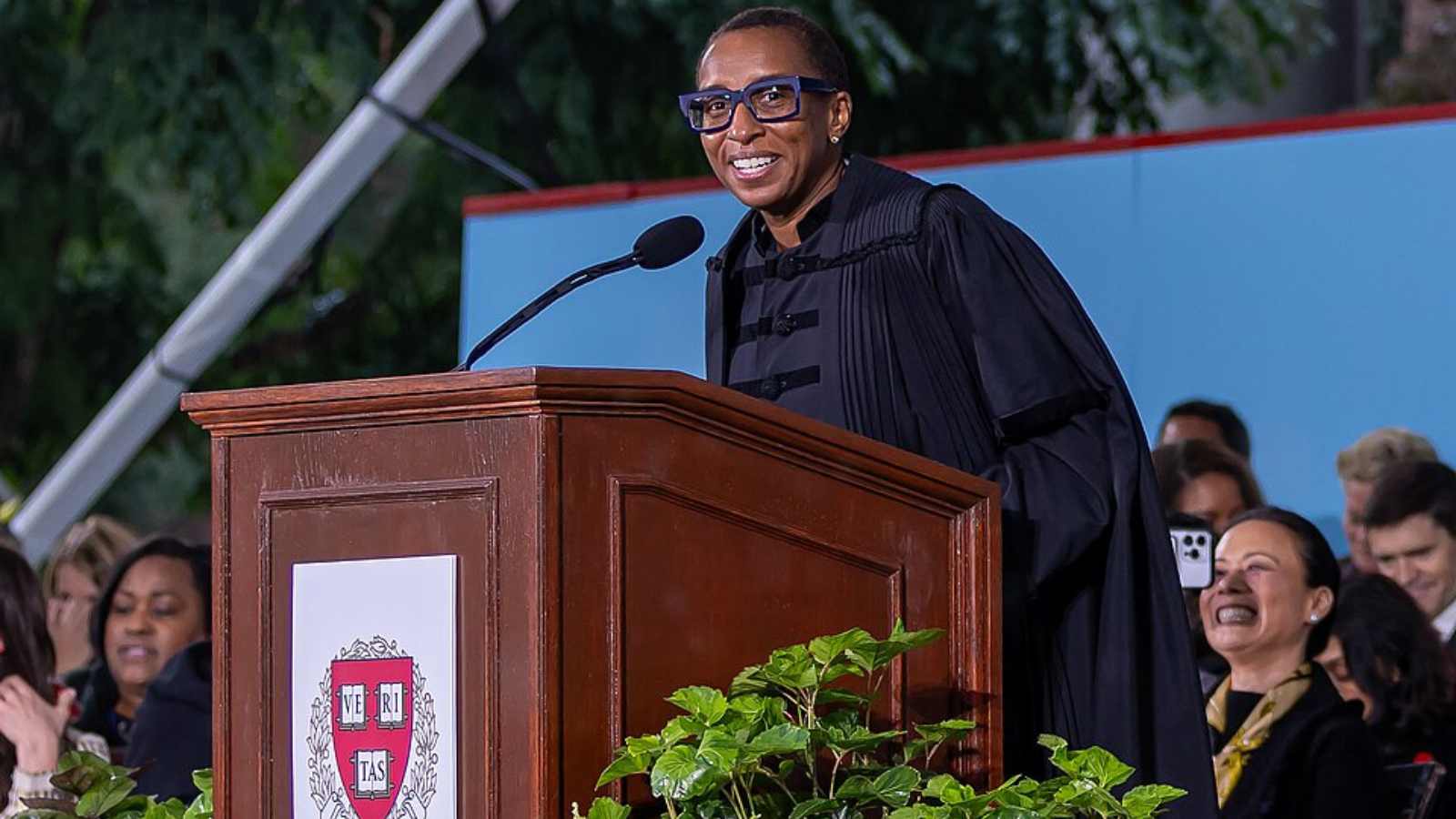
Claudine Gay, the former president of Harvard University, faced allegations of plagiarism in her academic work. Investigations found multiple instances of improper citation, raising questions about academic integrity at one of the world’s most prestigious universities.
The controversy sparked debates over the severity of plagiarism in academia and the accountability of top educational institutions.
Wolfgang Beltracchi
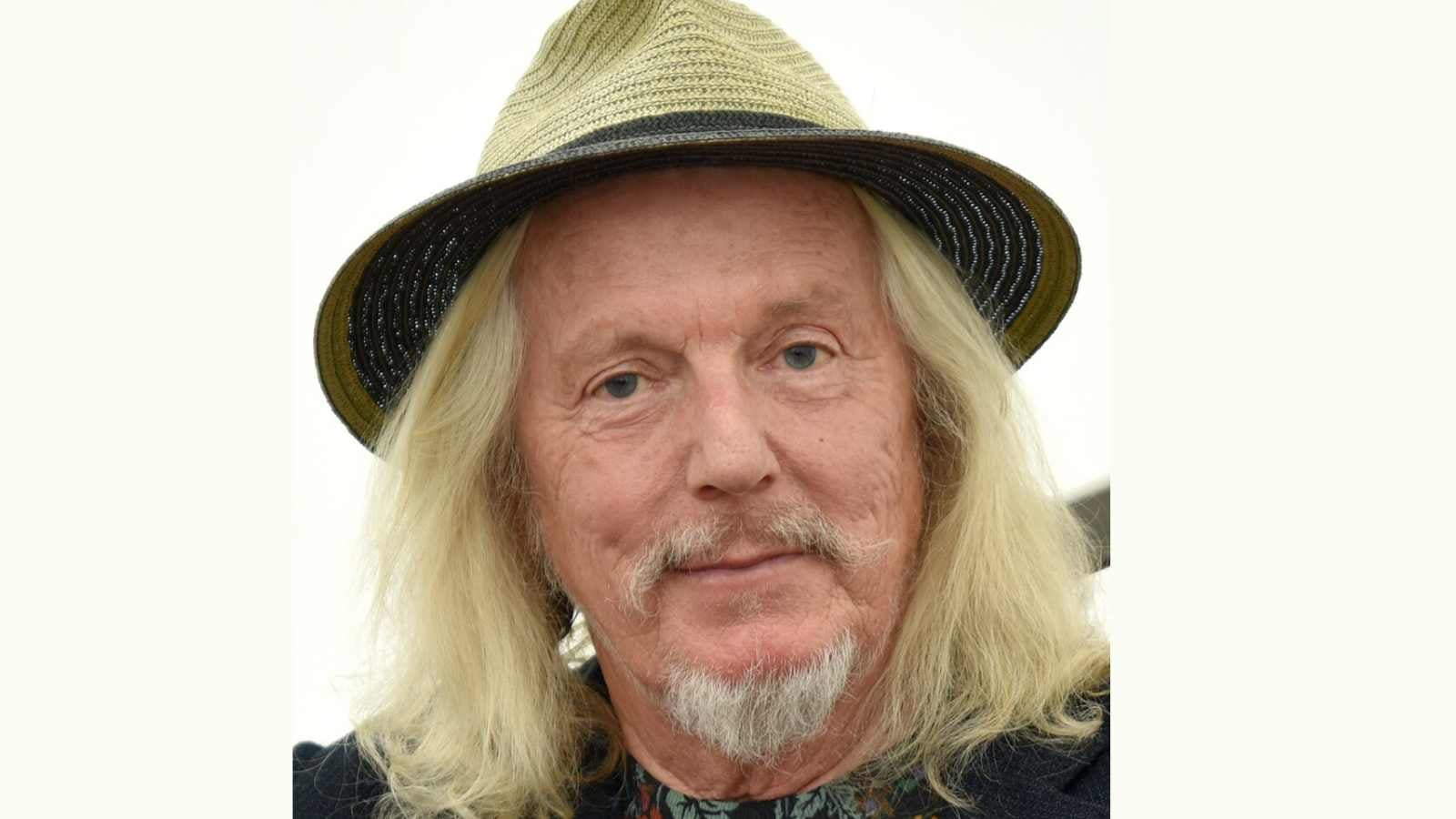
Wolfgang Beltracchi was one of the most notorious art forgers in history, creating paintings that were passed off as works by famous artists. For years, collectors and experts were duped into buying his forgeries at high prices. Eventually, scientific analysis exposed the fraud, and Beltracchi was convicted of one of the largest art forgery scams in history.
His case underscored the vulnerabilities in the art world and the lengths to which individuals will go to deceive collectors.
Conclusion
The rise and fall of these stars exposed as frauds highlight the dangers of fame and the power of deception. Each case not only shattered reputations but also left lasting impacts on the industries involved, whether in music, politics, sports, or art. The truth eventually emerged, often through thorough investigations and the uncovering of key inconsistencies. These stories remind us of the importance of verifying claims, questioning narratives, and maintaining a critical eye, even when faced with the most convincing public figures.