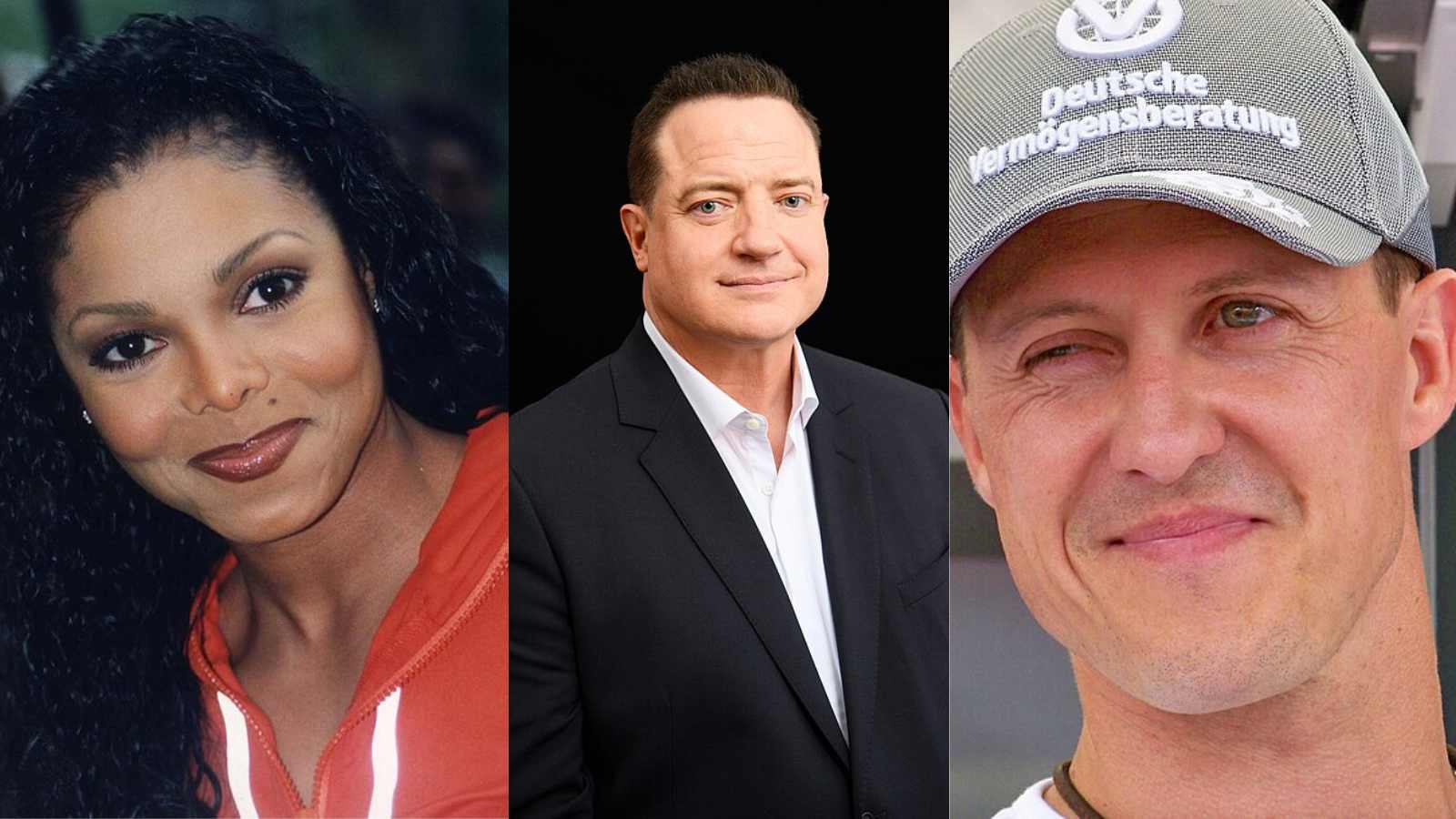
The spotlight can be unforgiving, and fame often comes with a price. While some celebrities experience a fall from grace due to their own mistakes, others face tragic setbacks that are completely beyond their control. The stories of these 15 celebrities who didn’t deserve their downfall remind us that even the most talented and beloved stars are vulnerable to the unforgiving nature of the entertainment industry.
Here’s a deep dive into the lives of those whose stories deserve to be told with more empathy and understanding.
Robin Williams
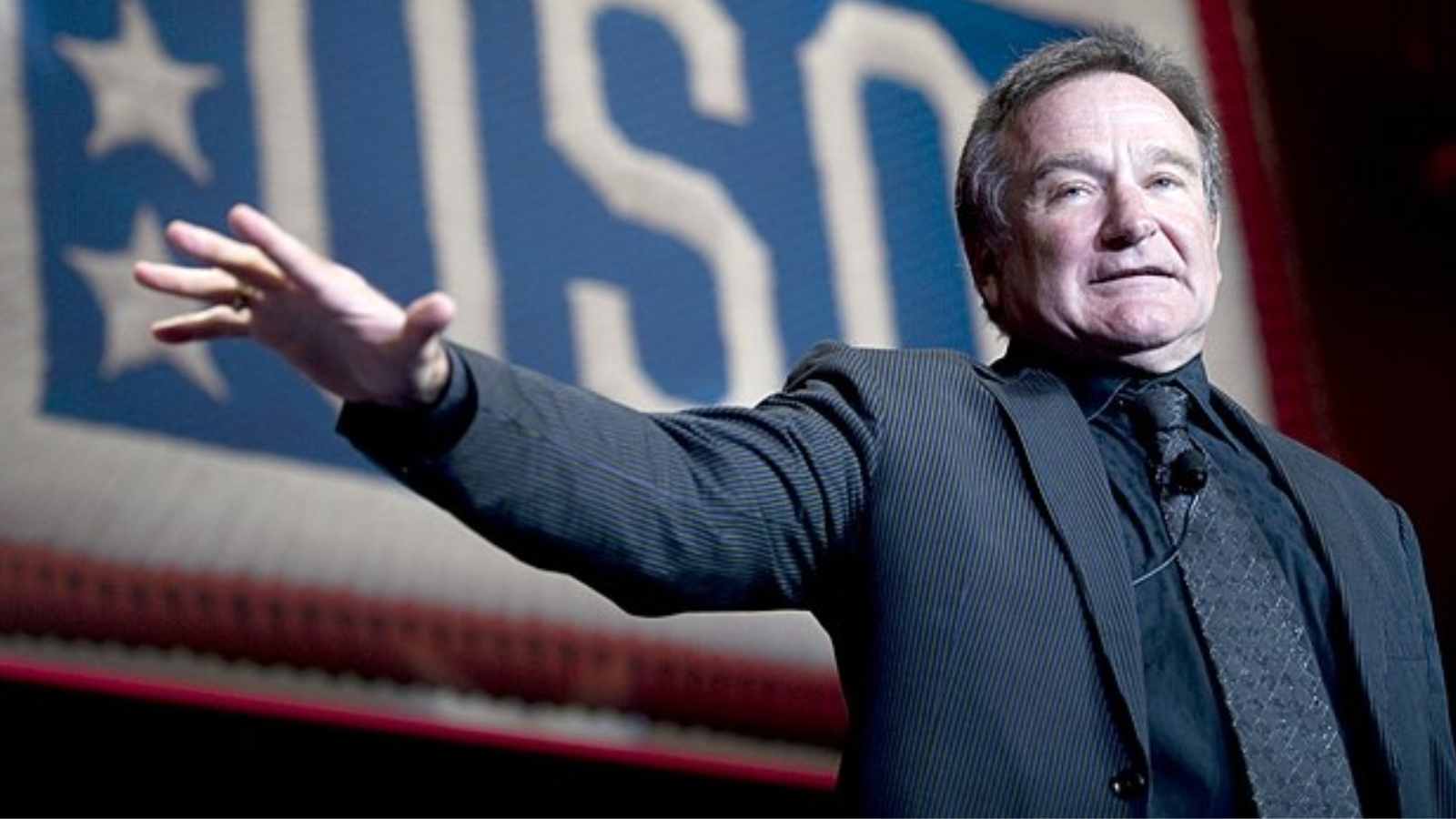
Robin Williams brought joy to millions with his unmatched comedic brilliance and heartfelt performances. From his iconic role in Mork & Mindy to his Academy Award-winning performance in Good Will Hunting, Williams was adored by fans worldwide. However, behind his infectious smile and humorous persona, he struggled with personal demons, including undiagnosed Lewy body dementia.
This cruel condition, which caused paranoia, depression, and Parkinson’s-like symptoms, contributed to his tragic death in 2014. It’s essential to remember that Williams’ fall was not due to poor choices but a hidden medical condition, highlighting the importance of understanding mental health issues.
Gary Coleman
Gary Coleman was one of the most famous child stars of the 1970s and 1980s, earning $100,000 per episode on Diff’rent Strokes at the peak of his career. However, his life took a dark turn as he faced kidney disease from a young age, undergoing a double transplant at just five years old. Unfortunately, his adoptive parents mishandled his fortune, leaving him financially ruined by 1999.
By the time he passed away in 2010, his life had been marred by personal and financial struggles. Coleman’s downfall was the result of unfortunate health issues and mismanagement, not any fault of his own.
Jennette McCurdy
Jennette McCurdy, known for her role as Sam Puckett on iCarly, was a beloved figure for many young fans. However, McCurdy’s life behind the scenes was far from glamorous. Her mother pushed her into acting from a young age, exploiting her for financial gain and subjecting her to a work environment rife with inappropriate behavior.
McCurdy’s experiences with Nickelodeon left lasting scars, and she eventually quit acting, choosing instead to write a memoir titled I’m Glad My Mom Died, which became a powerful testament to her struggle for autonomy. McCurdy’s story highlights the dark side of the entertainment industry, where young stars are often neglected and exploited.
Rick Moranis
Rick Moranis, known for his roles in Ghostbusters and Honey, I Shrunk the Kids, was a beloved comedian of the ’80s and ’90s. However, when tragedy struck in 1991 with the death of his wife from breast cancer, Moranis made the selfless decision to step away from Hollywood to raise his children as a single parent. Though he occasionally considered comebacks, Moranis largely stayed out of the limelight.
His attempt to return to acting with the Honey, I Shrunk the Kids reboot was thwarted by the COVID-19 pandemic. In 2020, he was also the victim of a random street assault, a cruel turn in his already difficult life. Moranis’ story is a reminder of the personal sacrifices celebrities make, often out of love and duty.
Amy Winehouse
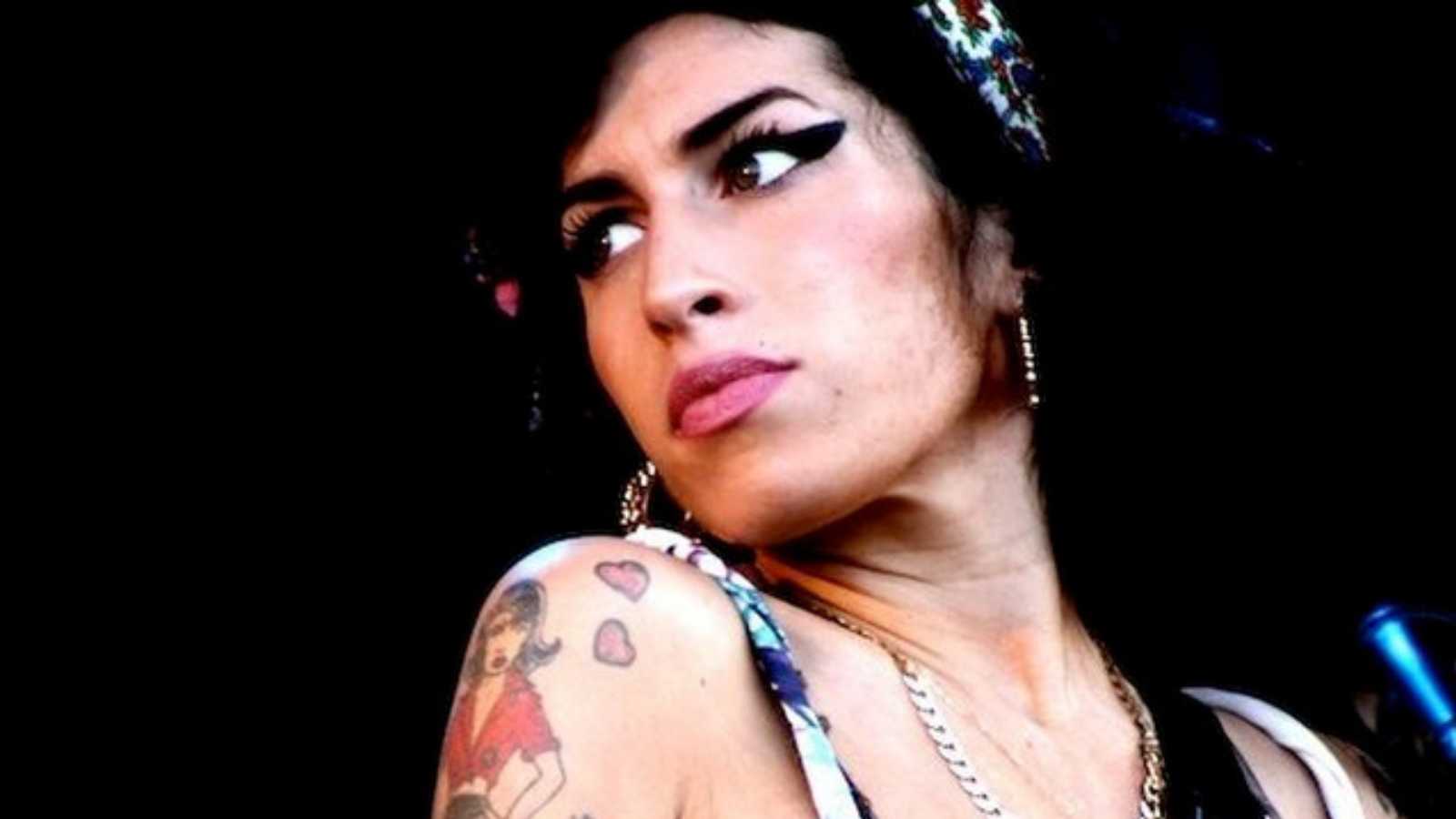
Amy Winehouse was a musical prodigy with a voice that blended jazz, soul, and R&B in a way that felt timeless. Her album Back to Black won multiple Grammy Awards and cemented her place in music history. However, her battles with substance abuse, mental health struggles, and a relentless media pursuit overshadowed her talent. In 2011, Winehouse tragically died from alcohol poisoning at the young age of 27.
Her passing was a collective failure, society’s obsession with her struggles and the lack of a supportive system around her contributed to her demise.
Michael Schumacher
Michael Schumacher, one of the greatest Formula 1 drivers of all time, dominated the racing world with seven world titles. His legacy as a precision-driven champion of Ferrari is unmatched. However, in 2013, Schumacher’s life was altered forever by a skiing accident in the French Alps, resulting in severe brain trauma and a long battle in a coma.
Despite private updates from his family, very little is known about his current condition. Schumacher’s tragic downfall serves as a reminder that even the strongest athletes are not invincible to life’s unexpected twists.
Amanda Bynes
Amanda Bynes was a Nickelodeon darling, known for her roles in The Amanda Show and She’s the Man. But behind her comedic performances, Bynes struggled with mental health issues and substance abuse. Her parents failed to protect her from the pressures of early fame, and she fell victim to alleged grooming by industry figures.
By 2012, Bynes was arrested multiple times, leading to psychiatric hospitalizations. Her story underscores the failure of the entertainment industry to protect its young stars from such destructive forces.
Katherine Heigl
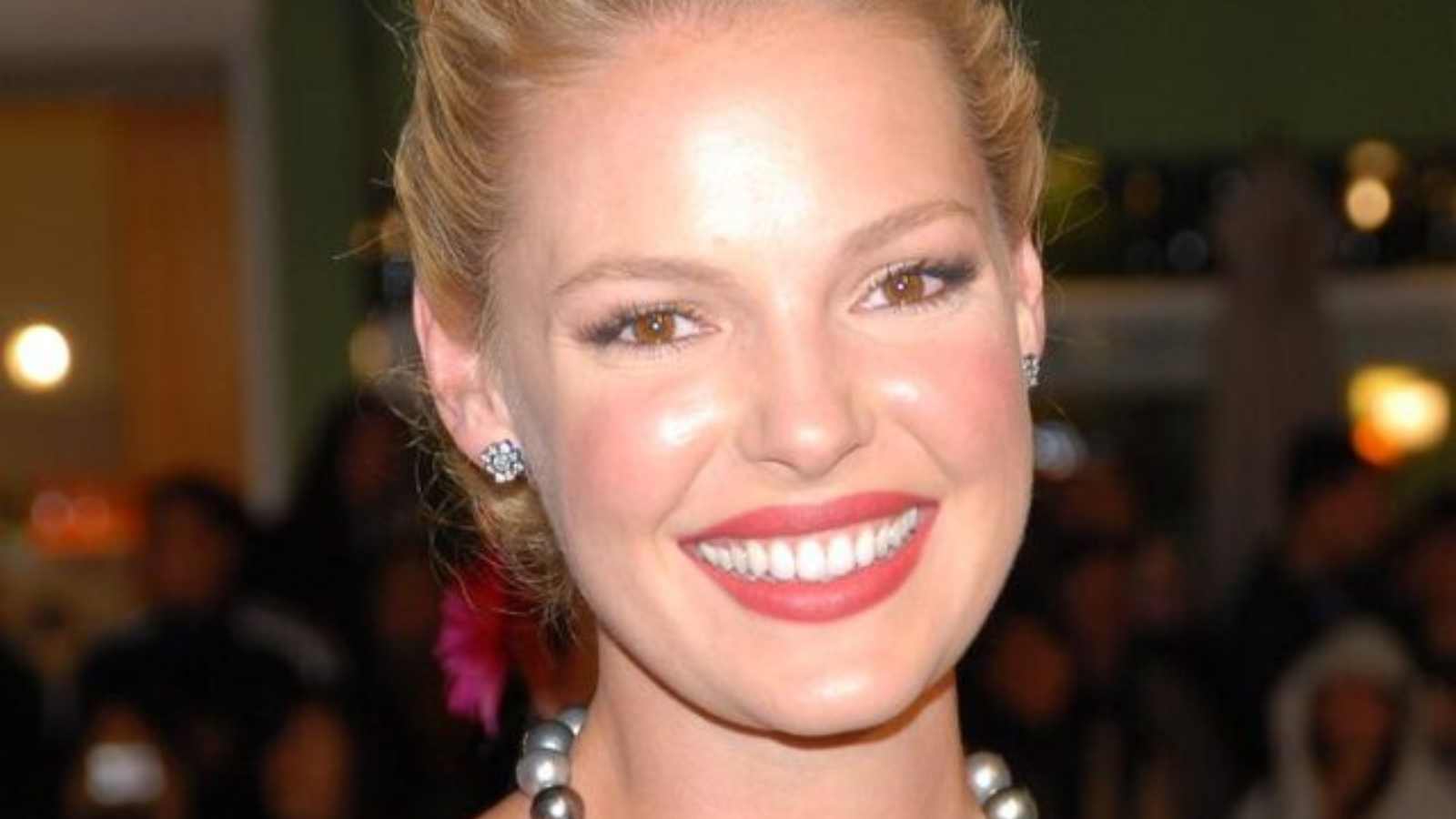
Katherine Heigl’s career skyrocketed with roles in Grey’s Anatomy and films like Knocked Up and 27 Dresses. However, her candor about the sexism she experienced on Knocked Up and her decision to withdraw her Emmy nomination for Grey’s Anatomy over what she felt was weak writing led to her being labeled “difficult” in the industry.
Heigl was quickly blacklisted, and her career was severely hindered. The punishment for speaking out was disproportionate, and Heigl’s case is a clear example of how the entertainment industry punishes those who dare to challenge the status quo.
Brendan Fraser
Brendan Fraser became a household name with films like George of the Jungle and The Mummy, but his life behind the scenes was far more tumultuous. Fraser underwent multiple surgeries for injuries sustained from performing his own stunts, and his personal life was rocked by a divorce and a groping allegation.
Hollywood’s neglect of Fraser during this time left him out of the spotlight for years. His remarkable comeback with The Whale in 2022 marked a triumphant return, yet Fraser admits that the scars of his past remain. His story is one of endurance, where pain became the catalyst for powerful art.
Jake Lloyd
Jake Lloyd’s portrayal of young Anakin Skywalker in The Phantom Menace was met with harsh criticism. Fans ridiculed his performance, not knowing that Lloyd was struggling with genetic paranoid schizophrenia. The condition worsened after filming, leading to a significant decline in his mental health, and he eventually required inpatient care.
Despite his acting career being unfairly tarnished by fan hate, Lloyd’s real downfall stemmed from illness, not his acting abilities. Today, he is receiving care and continues to work on his recovery.
Martha Stewart
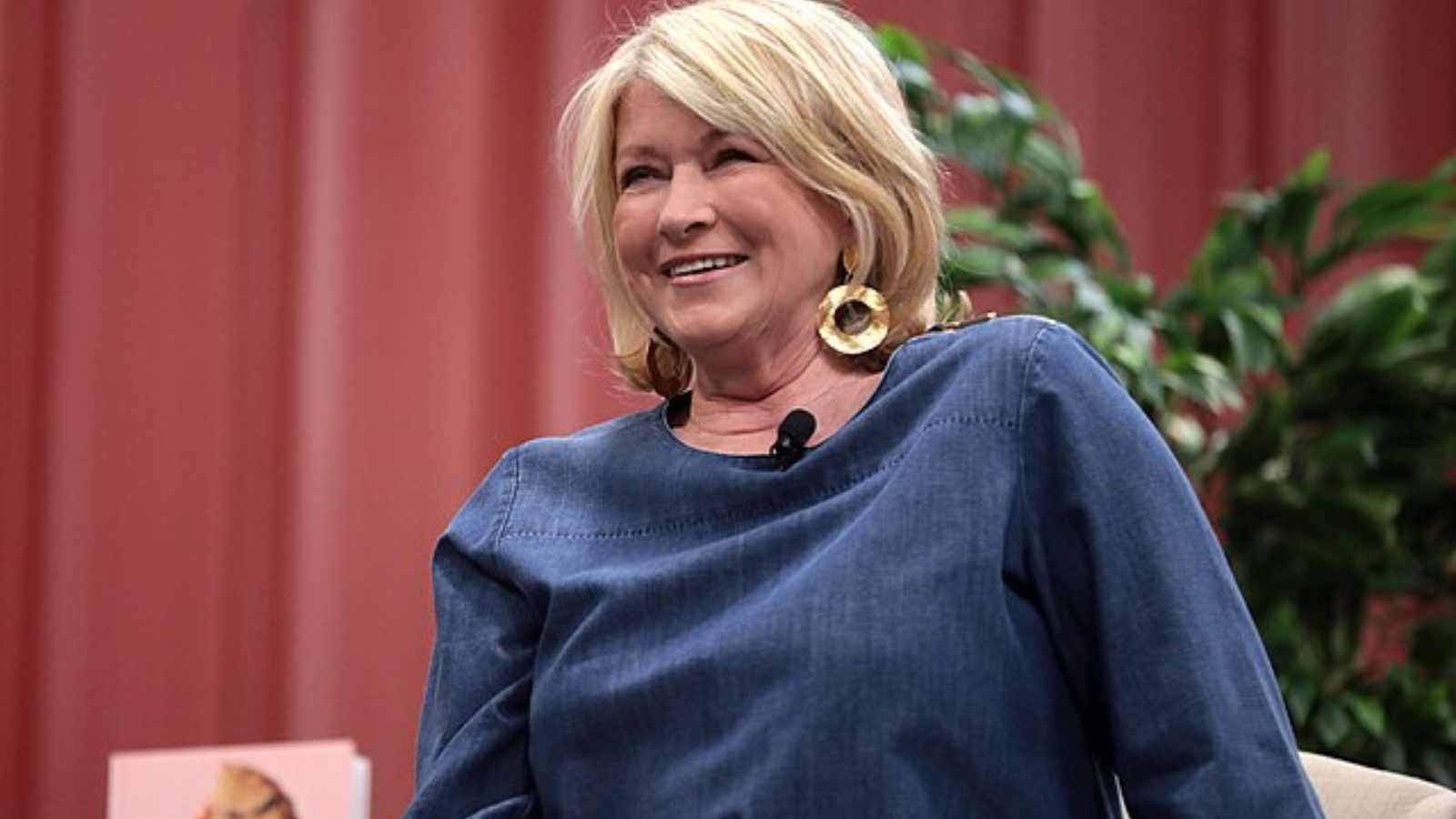
Martha Stewart built a business empire based on homemaking and domestic excellence, becoming the first female entrepreneur to list on the New York Stock Exchange. But in 2004, Stewart was convicted of insider trading related to a stock tip about ImClone.
Although her conviction was centered on lying and obstruction, not the trade itself, Stewart served five months in prison. She emerged from the ordeal determined to rebuild her empire, proving that resilience and determination can turn even the harshest setbacks into opportunities.
Janet Jackson
Janet Jackson’s career was rocked in 2004 after the infamous Super Bowl “wardrobe malfunction” during her performance with Justin Timberlake. While Timberlake’s career went unscathed, Jackson faced a media frenzy and was blacklisted from radio stations and television networks.
Her album sales plummeted, and her momentum was derailed by a split-second incident that was largely out of her control. Jackson’s experience exposed the glaring double standard faced by women in the entertainment industry.
Hayden Christensen
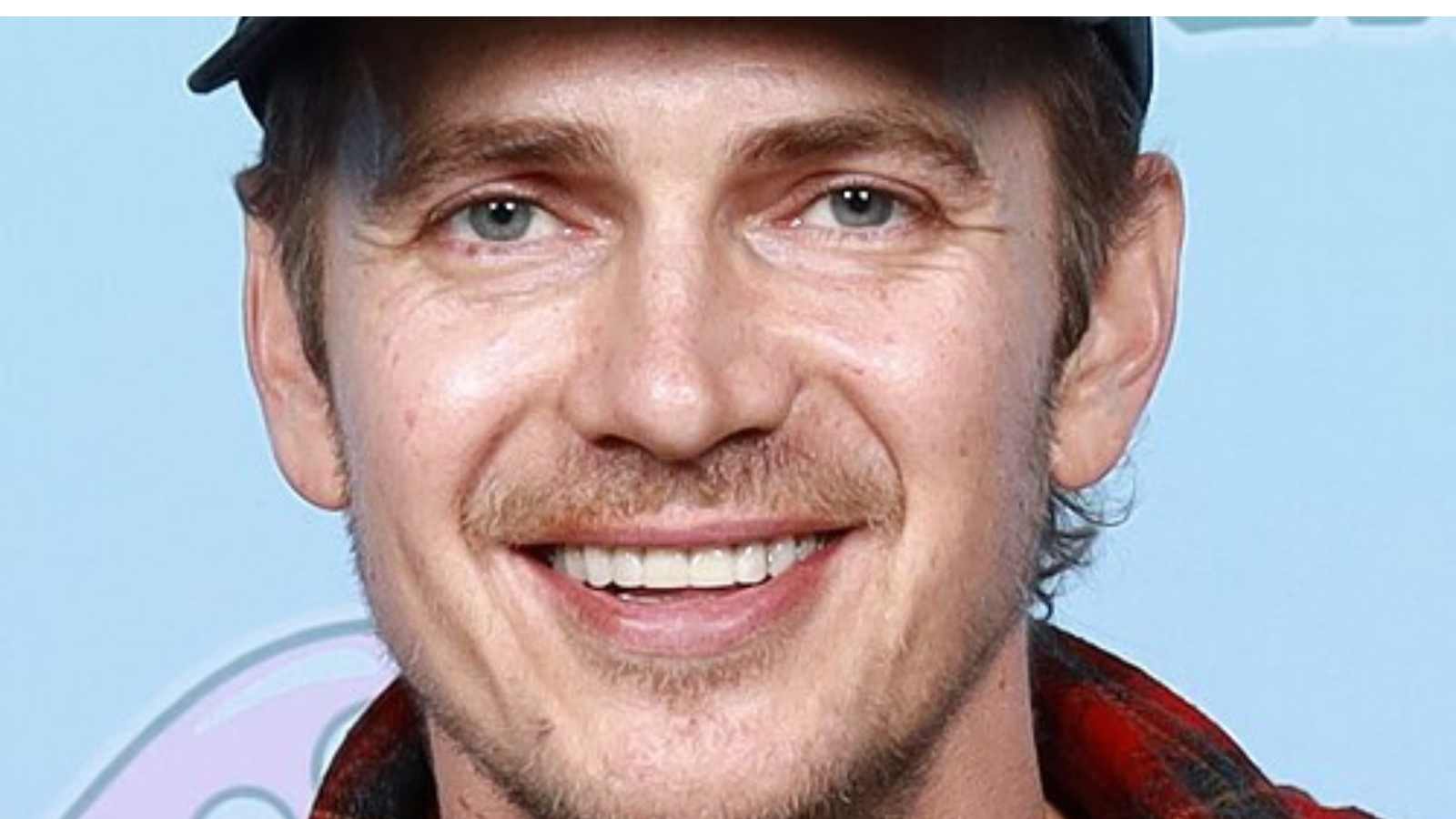
Hayden Christensen’s portrayal of Anakin Skywalker in the Star Wars prequels was met with harsh criticism. Fans branded him “whiny” and criticized his performances, but much of this backlash was unfairly directed at Christensen. The script and direction of the prequels were often criticized, yet Christensen was made the scapegoat.
Over the years, nostalgia has softened perceptions of his work, and Christensen is finally receiving the recognition he deserved all along.
Roscoe “Fatty” Arbuckle
Roscoe “Fatty” Arbuckle was a pioneering figure in silent film comedy. His groundbreaking work at Keystone Films influenced generations of comedians and filmmakers. However, in 1921, Arbuckle was falsely accused of manslaughter following the death of actress Virginia Rappe. Despite three trials and an acquittal, moralist groups blacklisted him, and his career was destroyed.
Arbuckle’s story is a tragic example of how false accusations and moral panic can ruin a person’s life and career.
Nicolas Cage
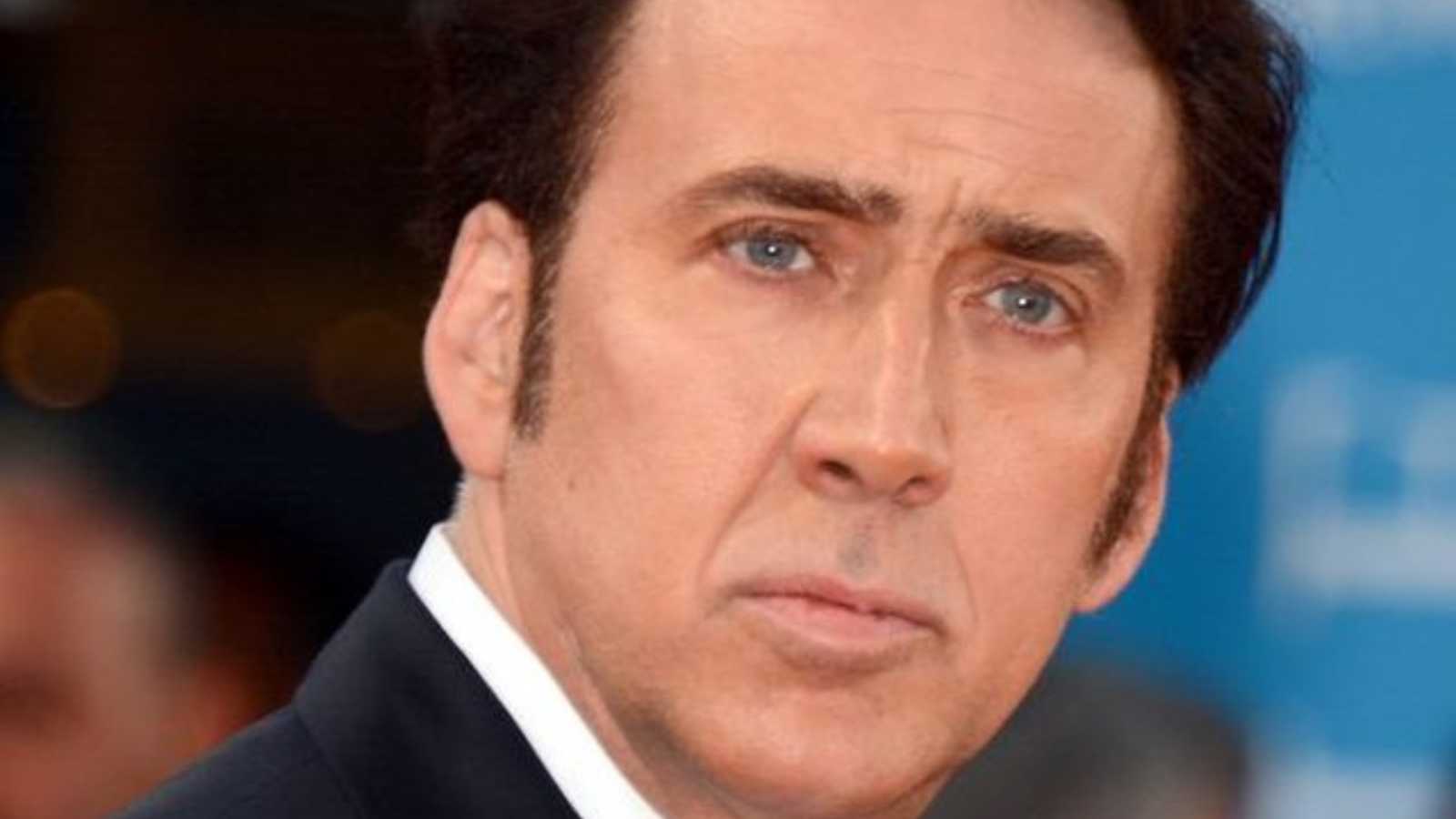
Nicolas Cage is one of Hollywood’s most versatile and talented actors, earning an Academy Award for Leaving Las Vegas and starring in films like Face/Off and Adaptation. However, his financial mismanagement and tax troubles led to a series of low-budget films during the 2000s, damaging his reputation.
Despite these challenges, Cage never stopped delivering stellar performances. His downfall was financial, not artistic, and recent roles indicate a growing appreciation for his diverse range and commitment to his craft.
Conclusion
The stories of these celebrities reveal the painful reality that success and fame do not shield one from tragedy, illness, exploitation, or harsh public judgment. These stars, whose downfalls were disproportionate to their actions, remind us that empathy and understanding are essential when we judge those in the spotlight. It is crucial to reconsider how we treat public figures, especially when their struggles are not of their making but are the result of systemic failings within the industry.