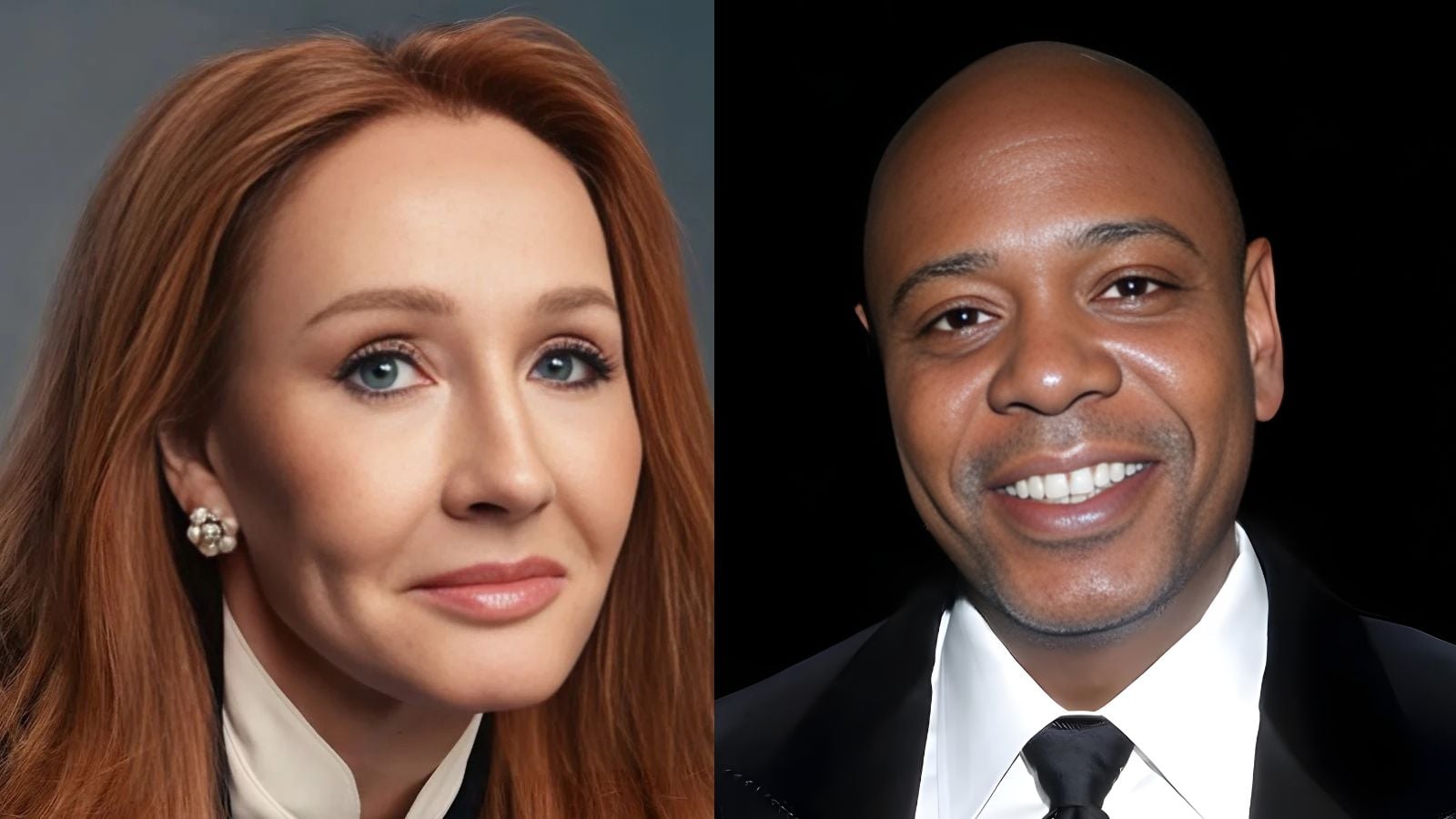
In today’s culture, public apologies have become almost automatic. One viral clip, one resurfaced tweet, one angry hashtag, and the expectation is clear: say sorry, say it fast, and say it convincingly. But some celebrities refuse to play that game.
Instead of backtracking, they stand firm. They argue their point. They double down. And in many cases, they keep their careers intact or even grow them.
Here are seven high-profile celebrities who faced serious backlash and chose not to apologize, along with why their refusal still matters right now.
Jimmy Kimmel
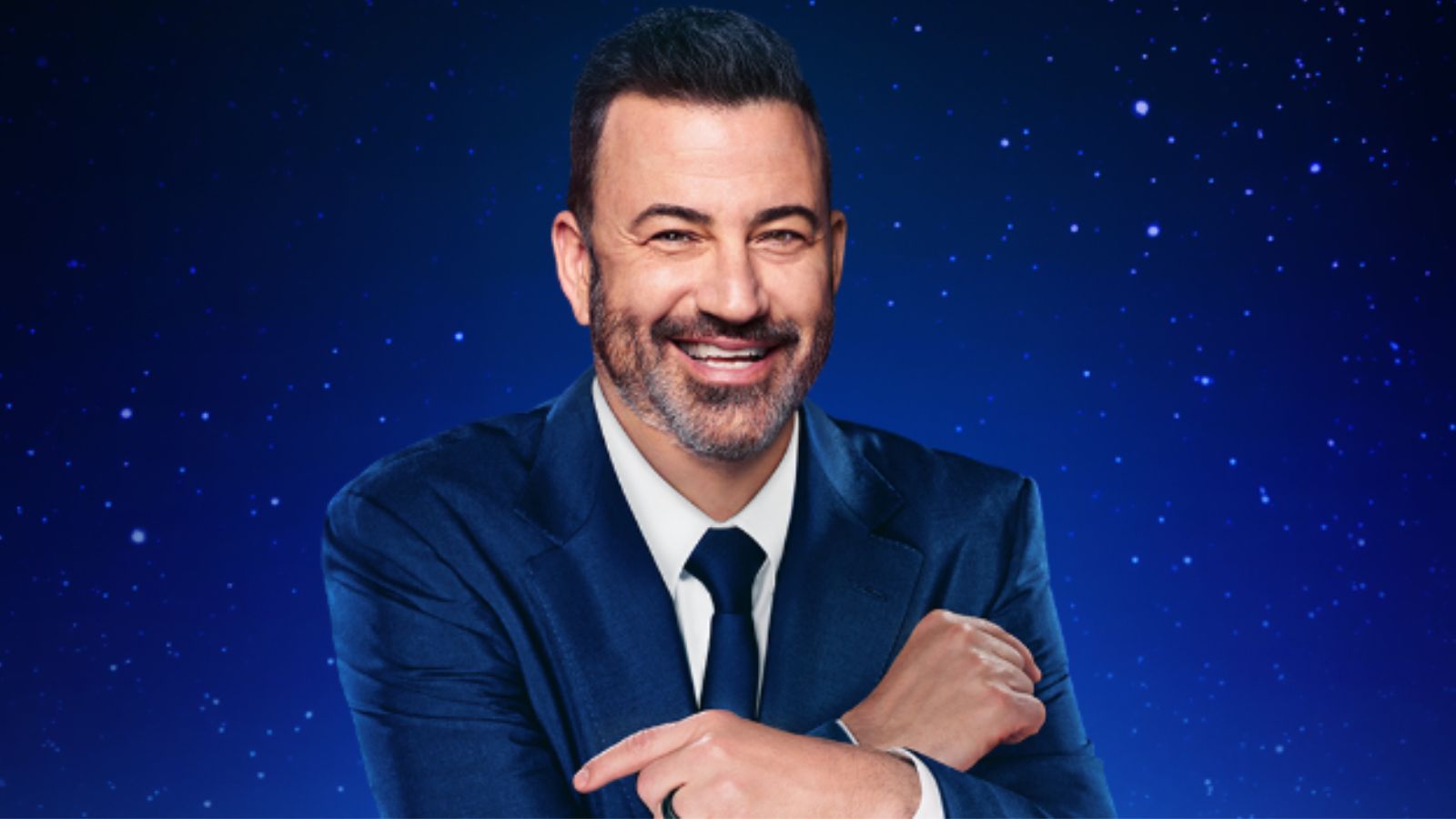
Talk-show titan Jimmy Kimmel found himself at the center of one of the biggest media controversies of 2025. After making a polarizing monologue about the assassination of conservative activist Charlie Kirk, ABC affiliates demanded an apology.
Instead, Kimmel dug in his heels, refused to apologize, and framed his words as commentary, not something deserving of retraction.
The show Jimmy Kimmel Live! was temporarily suspended, a huge deal for a celebrity with 20+ years of primetime TV history. Even when he returned, he did not offer the apology critics insisted on but emphasized his intent and continued on air.
Ricky Gervais
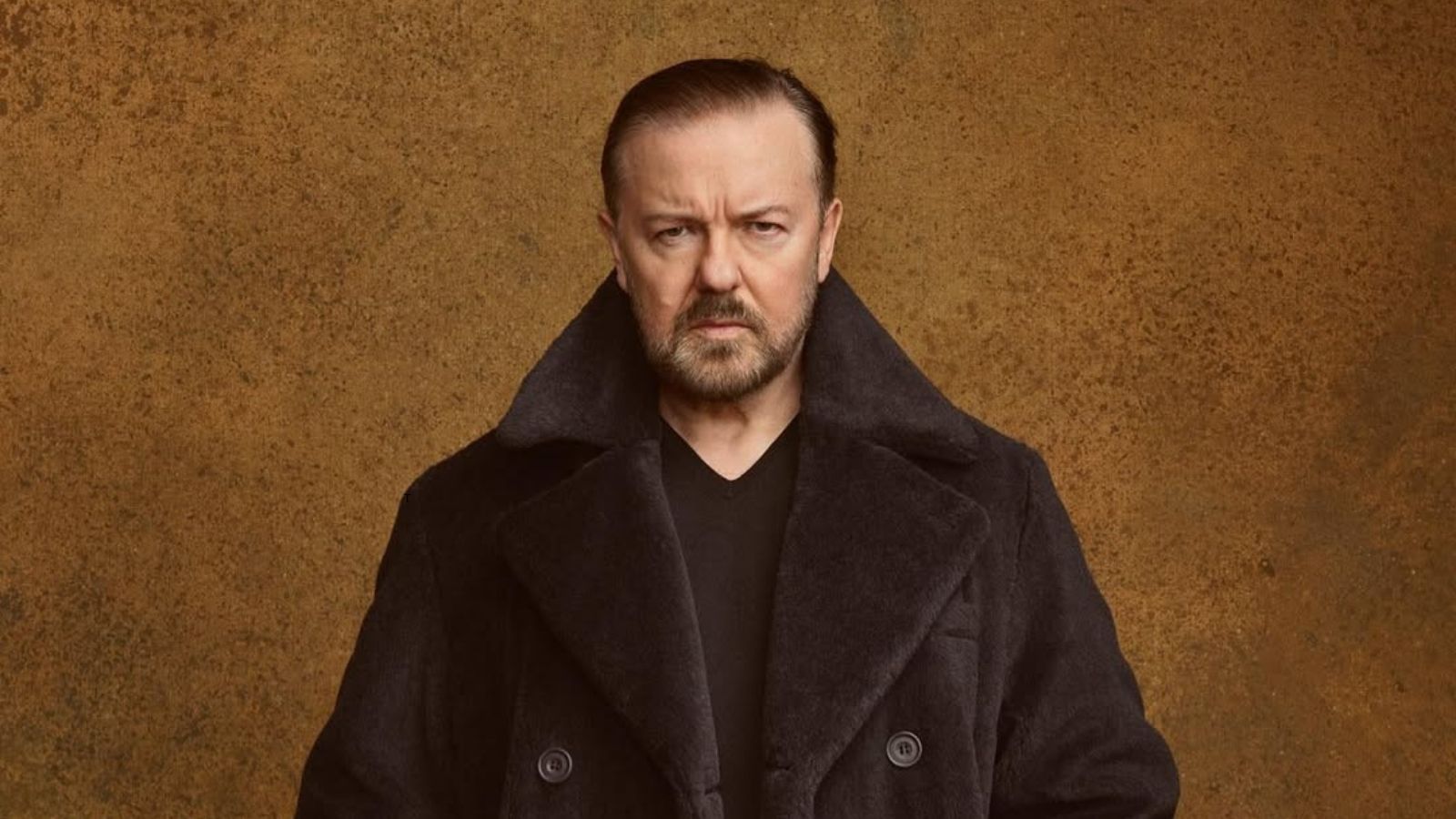
Ricky Gervais has been criticized for years over jokes about religion, disability, and transgender issues. Each time, the response is the same: he does not apologize.
Gervais has consistently argued that jokes are not statements of belief and that offense is subjective. He has openly mocked cancel culture in interviews and on X, often reposting angry reactions to his own comedy as proof that people misunderstand satire.
Despite repeated calls for apologies, Netflix has continued to work with him, his tours sell out, and his audience has remained loyal. Whether people agree with him or not, Gervais has become one of the clearest examples of a comedian who refuses to retreat under pressure.
Logan Paul

After the infamous 2017 video filmed in Japan’s Aokigahara forest, Logan Paul did issue an apology. But years later, he openly expressed regret about apologizing at all.
On his podcast and through posts shared on X, Paul suggested that the backlash taught him that public apologies often do more harm than good. He framed the experience as a turning point where he stopped trying to please everyone.
While he acknowledged the mistake, his refusal to keep apologizing signaled a shift in how influencers handle scandals. Move forward, rebuild quietly, and never grovel again.
Dave Chappelle
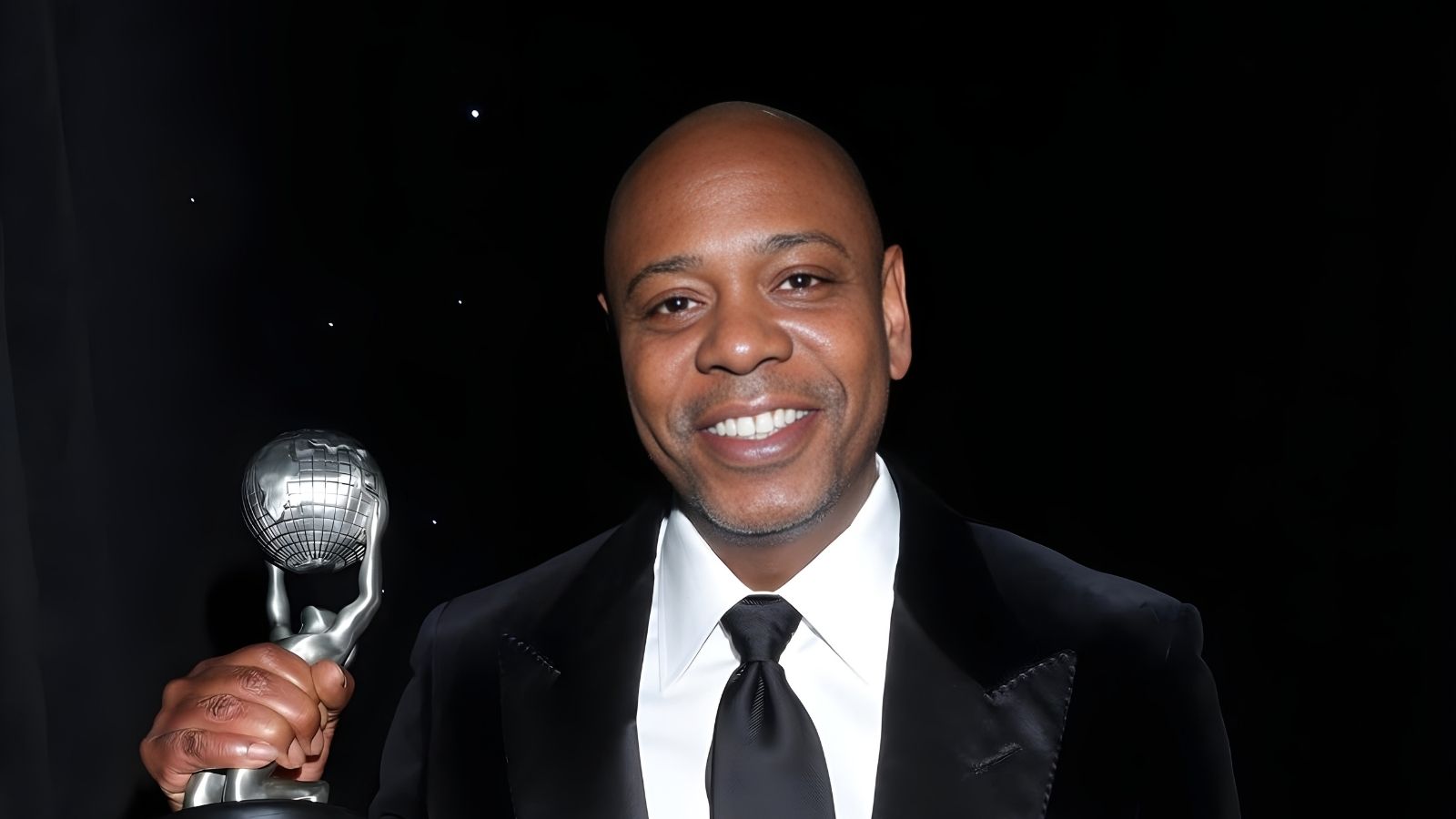
No entertainer has become more synonymous with the anti-cancel culture narrative than Dave Chappelle. After Netflix specials like The Closer sparked intense backlash for jokes about transgender issues, Chappelle didn’t back down.
Instead, he openly challenged the idea of being “canceled,” saying he wasn’t worried about it and continued to defend his comedy as free expression.
Fans and critics are still divided, but one thing’s clear: Chappelle’s refusal to apologize hasn’t quieted the conversation, and it arguably keeps him more talked about than many comedians half his age would be
J.K. Rowling
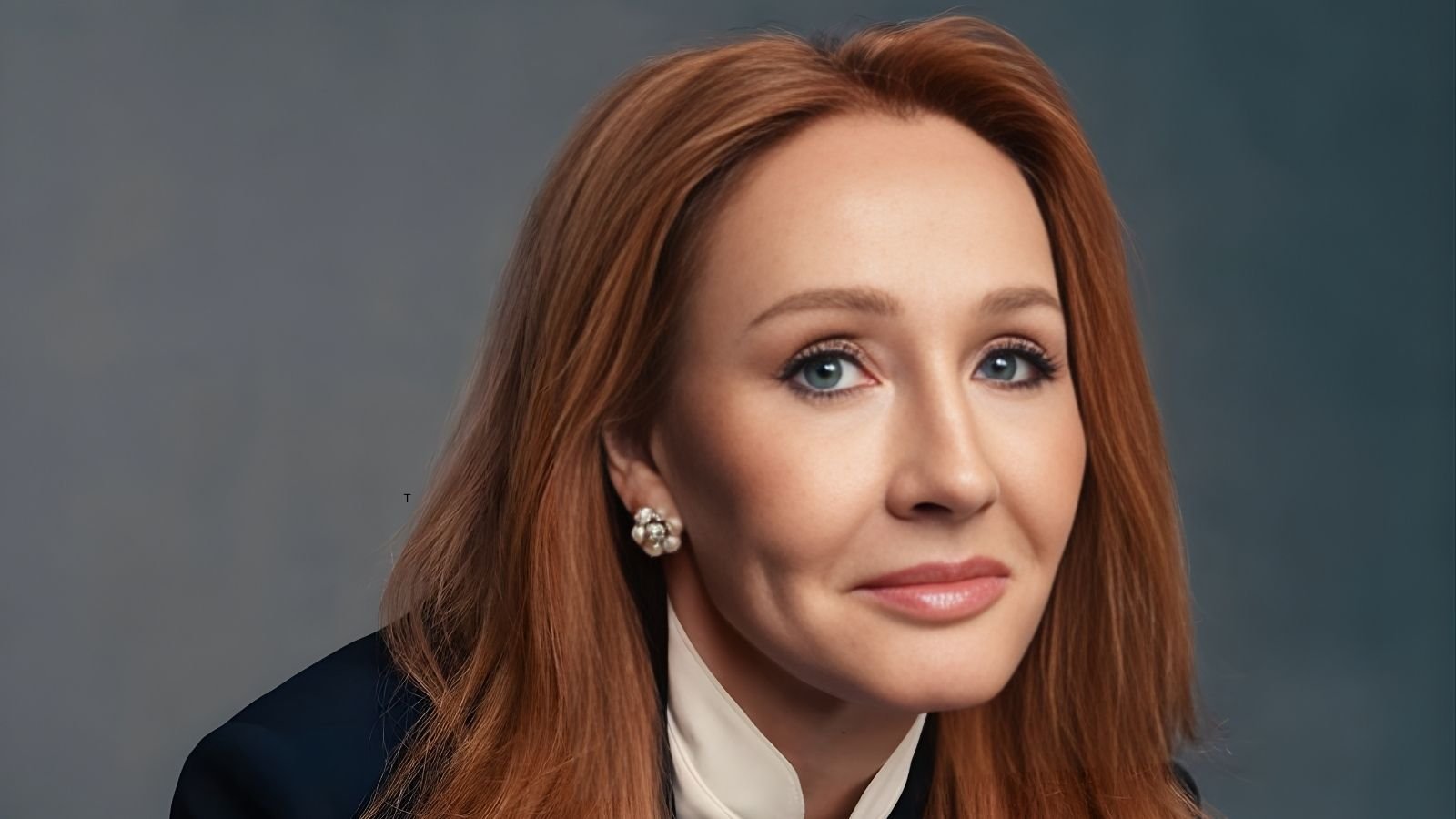
J.K. Rowling has faced intense criticism for her views on gender identity. While she has said she supports trans people’s safety and dignity, she has consistently refused to apologize for her beliefs.
Instead, Rowling has published long-form explanations of her views and defended them as matters of women’s rights and free speech. She has remained firm despite boycotts, criticism from actors in the Harry Potter franchise, and widespread online backlash.
Her refusal to apologize has made her one of the most polarizing figures in modern pop culture, but her influence and platform remain enormous.
Kanye West
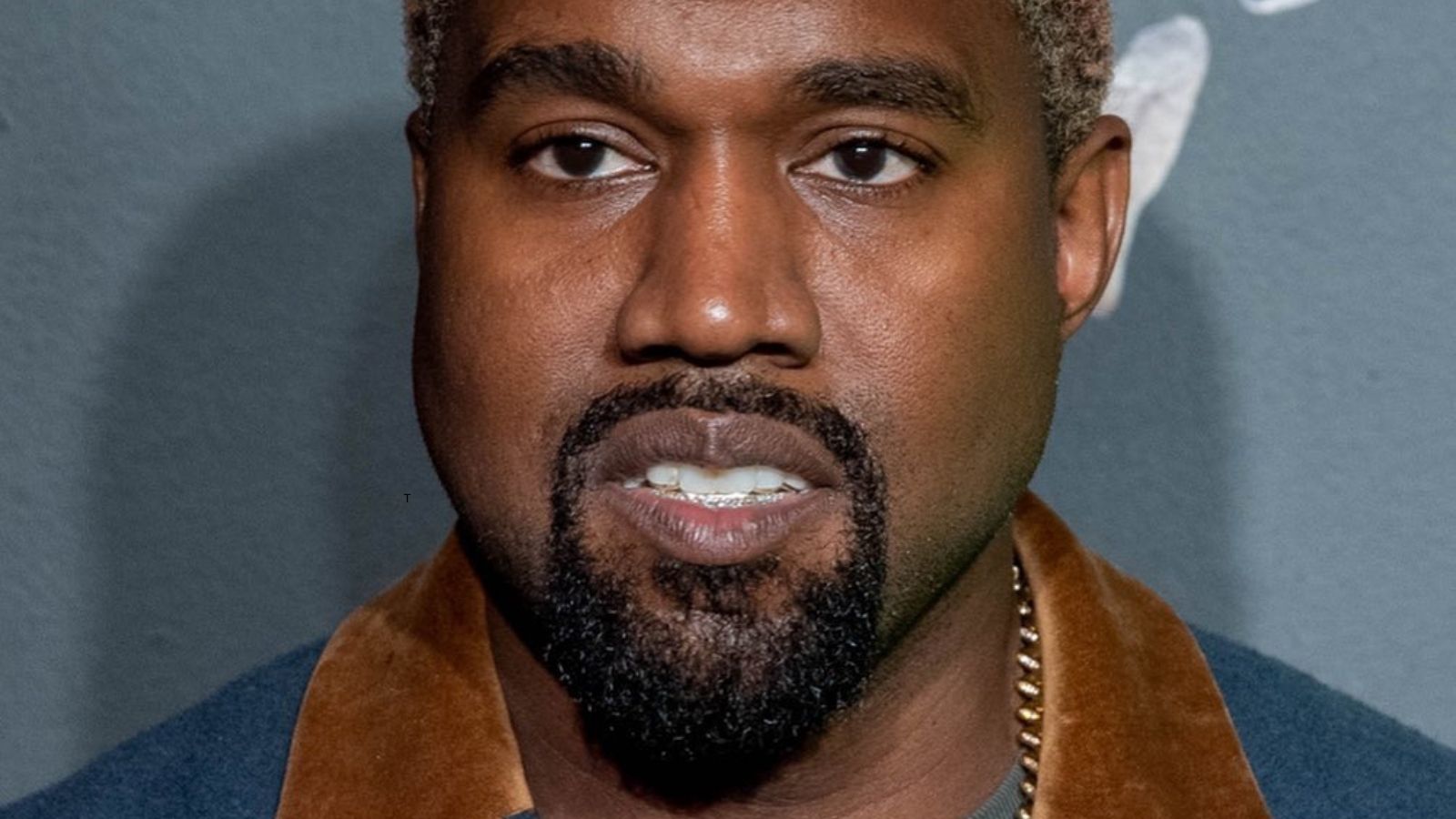
Kanye West has a long history of controversial statements and public behavior. Over the years, he has often responded to backlash not with apologies, but with explanations, reframing, or complete dismissal of criticism.
While some of his controversies have led to serious professional consequences, Ye has repeatedly returned to music and fashion without fully apologizing in the way critics expect. He often positions himself as misunderstood rather than remorseful.
His approach highlights how refusal to apologize can coexist with both massive fallout and enduring relevance.
Elon Musk
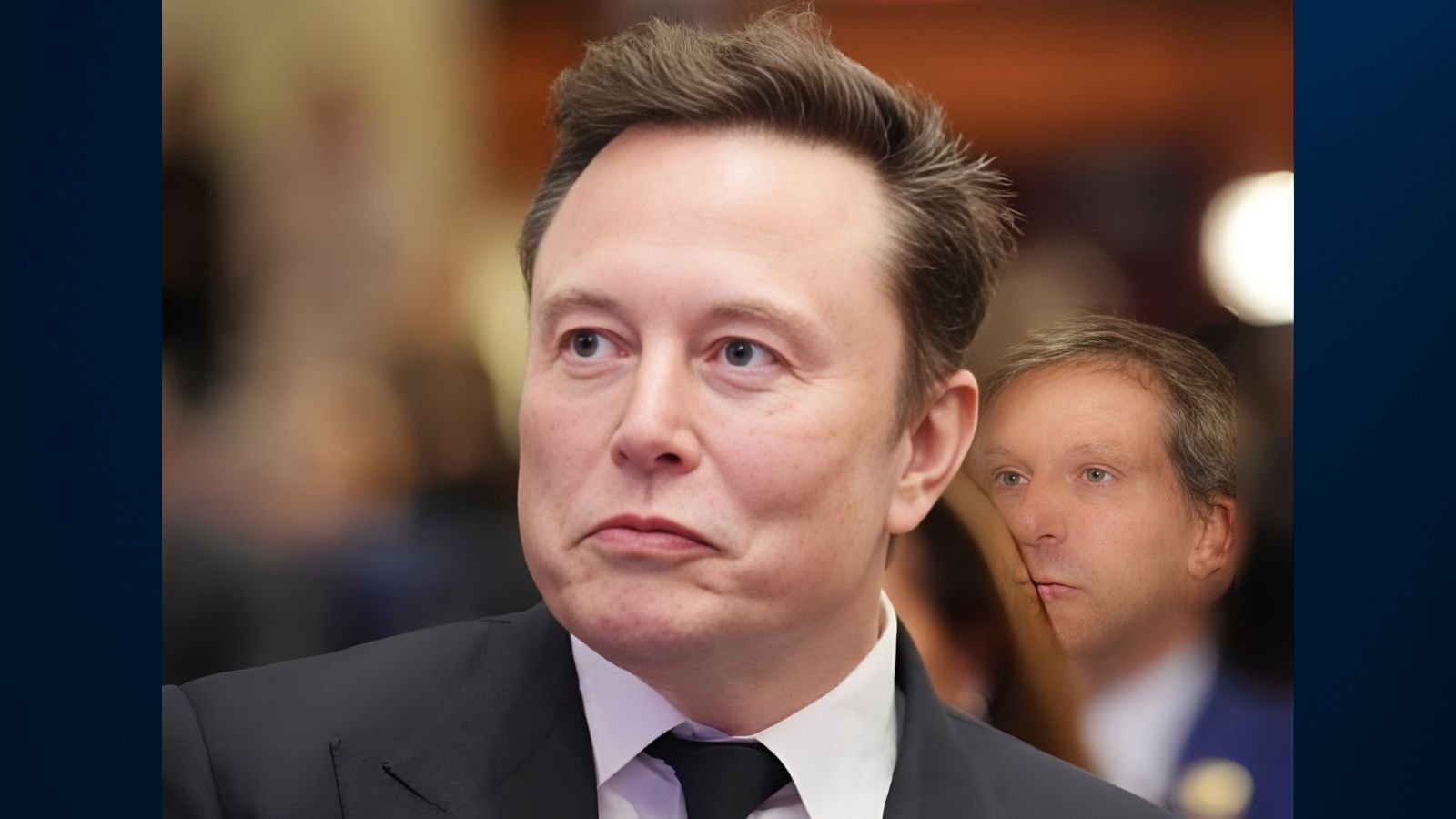
Elon Musk is one of the most talked-about public figures when it comes to controversial statements and refusal to bow to backlash. In 2025, during a public event at President Trump’s inauguration celebration, Musk made a gesture that many interpreted as resembling a Nazi or fascist salute.
Critics demanded he clarify or apologize. Musk responded by dismissing the outrage as tired or misinformed and doubled down with puns and pushback instead of saying he was sorry.
Even when advertisers pulled out of X, Musk publicly said he would not change his stance to win them back. Whether viewed as reckless or resolute, Musk’s refusal to apologize has become central to his public identity.
Why This Matters Now
Cancel culture is no longer a one-way street. These celebrities show that refusing to apologize can sometimes be a strategy, not a mistake. In an era where outrage cycles move fast and audiences are deeply divided, standing your ground can be just as effective as saying sorry.
Whether it earns respect or resentment depends on who is watching. But one thing is clear. Apologies are no longer guaranteed, and cancellation no longer means silence.
Love it or hate it, the era of unapologetic celebrities is here to stay.
What’s your take on this?