Hollywood’s glitz and glamour often mask the chaos and drama happening behind the scenes. For some films, however, the off-camera controversies became so overwhelming that they overshadowed the actual content.
Whether it’s problematic actors, production scandals, or public feuds, these behind-the-scenes dramas have shaped the stories of some iconic films and, in many cases, become more memorable than the films themselves.
Here’s a deep dive into some of the most controversial movie productions of recent years.
The Interview (2014)

The release of The Interview sparked a media frenzy like no other. This comedy starring Seth Rogen and James Franco was about two journalists recruited by the CIA to assassinate North Korean leader Kim Jong-Un.
What started as a comedy film quickly escalated into an international incident when North Korea condemned it as an act of war. The North Korean government even linked it to President Obama, claiming his administration pressured Sony into releasing the film.
To make matters worse, Sony Pictures suffered a massive cyberattack, which was widely attributed to North Korea, although some doubts remain. Despite its release, the film quickly faded from public memory, overshadowed by the political fallout and its lackluster reception.
Ironically, The Interview became less about its comedic content and more about the geopolitical turmoil it sparked.
Ghostbusters (2016)
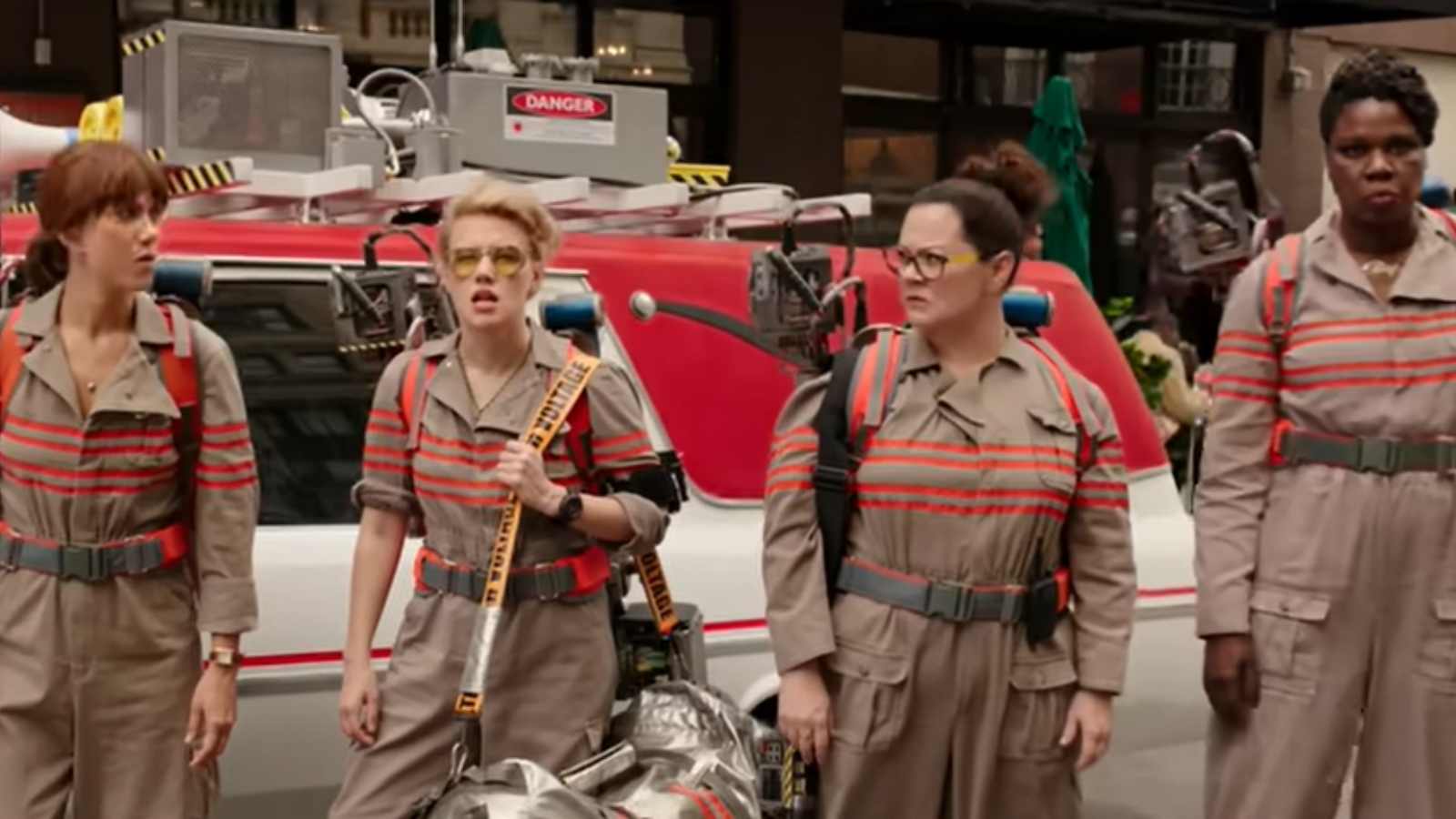
The 2016 Ghostbusters reboot, directed by Paul Feig, was mired in controversy from the moment it was announced. The decision to cast an all-female lead team for the reboot of the beloved 1984 classic prompted an online backlash that reached new heights of toxicity.
Misogynistic hate campaigns flooded the internet, with some critics attacking the film before it even premiered, claiming that the franchise was being “ruined.”
As the film’s release neared, the controversy escalated into personal attacks on cast members, particularly Leslie Jones, who was subjected to racist and sexist abuse online.
Despite the controversy, the film was mostly panned for its mediocrity rather than the backlash it faced. The film’s failure highlighted how a combination of social issues and underwhelming content can make even the best intentions feel like a disaster.
All the Money in the World (2017)
The controversy surrounding All the Money in the World was both fast-paced and dramatic. Kevin Spacey, originally cast as the oil magnate J. Paul Getty, was dropped from the film after multiple sexual assault allegations surfaced.
In a bold move, director Ridley Scott decided to reshoot all of Spacey’s scenes with Christopher Plummer, and the new scenes were filmed in a matter of days. This quick decision showed the film’s commitment to confronting the issue head-on.
However, the film’s efforts to distance itself from the scandal were tainted by the revelation that co-stars Mark Wahlberg and Michelle Williams had drastically unequal pay for the reshoots.
Wahlberg was paid $1.5 million, while Williams received only $80 in per diems. The controversy surrounding the film’s treatment of gender pay gaps overshadowed its attempts to handle the #MeToo movement sensitively.
Star Wars- The Rise of Skywalker (2019)

The release of The Rise of Skywalker was supposed to bring the Skywalker saga to a triumphant close, but instead, it was bogged down by controversies that tarnished the finale.
The death of Carrie Fisher, who played Princess Leia, was one of the most significant emotional challenges the film faced.
But it was the film’s lack of a cohesive plan for the trilogy, compounded by J.J. Abrams’ decision to undo key plot points from The Last Jedi, that led to a fractured, incoherent storyline.
Fans were furious at how the film disregarded the narrative choices Rian Johnson made in the previous installment, resulting in a chaotic finale.
The lack of planning for the trilogy, coupled with the emotional baggage of Fisher’s passing, left the final film feeling like a rushed conclusion to a saga that had once captured the hearts of millions.
Tenet (2020)
Christopher Nolan’s Tenet was intended to be the blockbuster that saved the cinema industry during the COVID-19 pandemic. With cinemas struggling to stay open and moviegoing at an all-time low, Nolan’s commitment to the theatrical experience was admirable.
However, the release timing was disastrous. The film was released during a period of ongoing lockdowns, limiting its box-office prospects.
Despite its complex time-bending plot and the star power of John David Washington and Robert Pattinson, Tenet is remembered more as the pandemic movie than as the mind-bending sci-fi thriller it set out to be.
Rather than a triumph of cinema, it became a symbol of Hollywood’s struggle to regain its footing amid an unprecedented global crisis.
Don’t Worry Darling (2022)
The production of Don’t Worry Darling became a media circus long before it hit theaters. The controversy surrounding the film, starring Florence Pugh and directed by Olivia Wilde, involved alleged feuds, mysterious cast changes, and a viral incident at the Venice Film Festival.
The drama surrounding Wilde’s reported rift with Pugh and the highly publicized spat between Harry Styles and Chris Pine overshadowed the film’s potential.
The entire situation was exacerbated by online speculation and gossip, turning the film into more of a pop culture spectacle than a serious cinematic release.
Despite a solid premise and an impressive cast, the internet drama prevented the film from reaching its full potential, proving that sometimes, the movie is less important than the surrounding chaos.
Aquaman and the Lost Kingdom (2023)
By the time Aquaman and the Lost Kingdom was announced, the DC Extended Universe was already on its last legs. With the failure of The Flash and the DCEU’s impending reboot, the film had little chance of succeeding.
However, the controversies surrounding its production, including the departure of key actors and shifts in creative direction, further undermined the film’s potential.
The drama behind the scenes, coupled with the uncertainty surrounding the future of the DCEU, left Aquaman and the Lost Kingdom with little to offer.
The film’s release felt more like an afterthought than a major superhero blockbuster, and its controversies became just another sad chapter in the DCEU’s decline.
The Flash (2023)
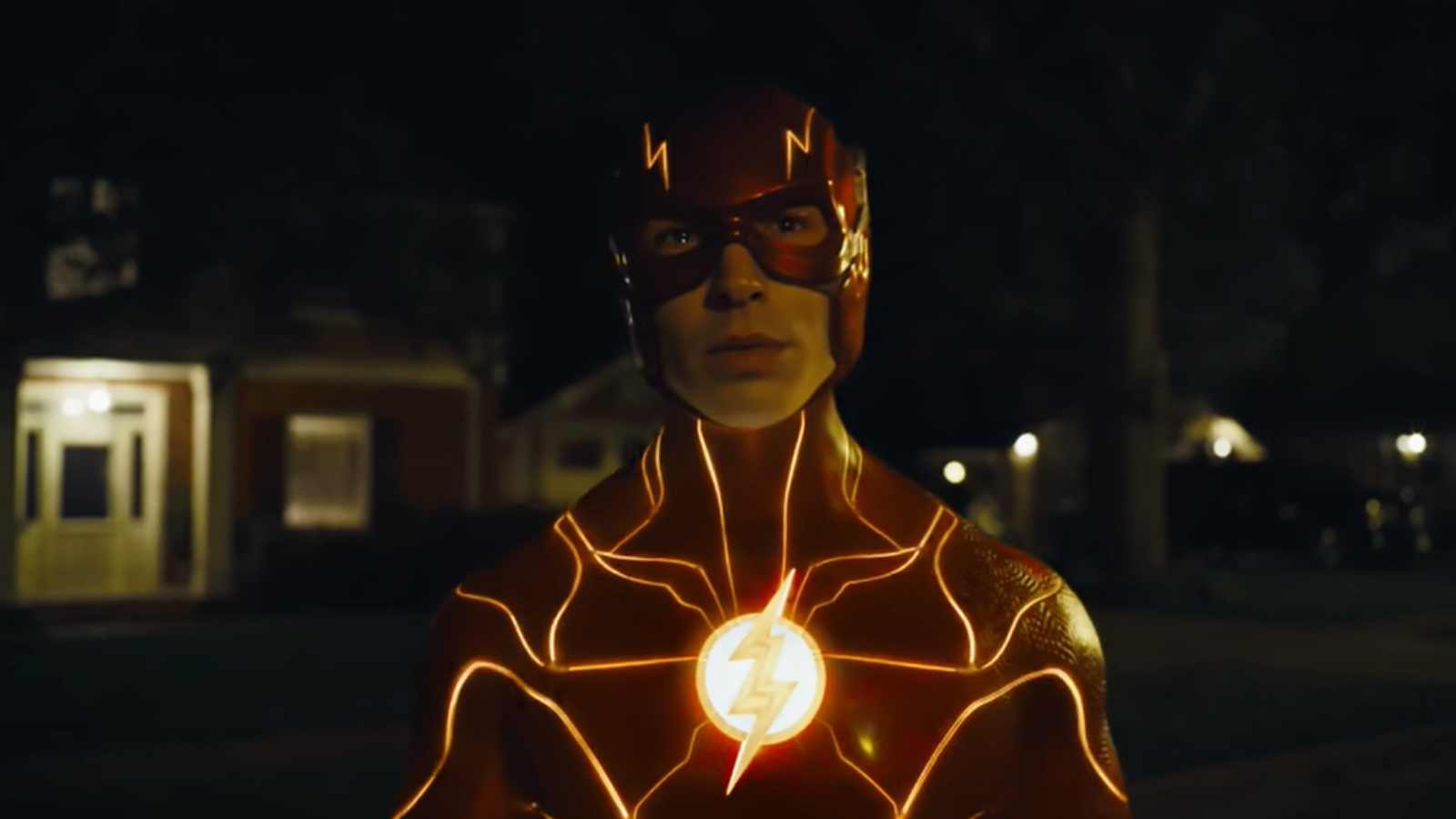
The Flash had all the makings of a blockbuster superhero film. However, the controversy surrounding lead actor Ezra Miller’s off-screen behavior, including allegations of assault, grooming, and harassment, became a constant talking point before and after the film’s release.
The negative press surrounding Miller’s legal issues and erratic behavior tainted the film’s promotional efforts.
Warner Bros. tried to downplay Miller’s involvement in the film by focusing on the movie’s other stars, but the damage was already done.
The controversy proved too much to overcome, and The Flash failed at the box office, further contributing to the DCEU’s collapse.
Conclusion
Hollywood has always been a hotbed for controversy, but these films are prime examples of how behind-the-scenes issues can overshadow even the most anticipated releases.
Whether it’s geopolitical tensions, personal scandals, or production missteps, these films have proven that sometimes the drama behind the camera is more captivating than the story on the screen.
For moviegoers, the lesson is clear: never underestimate the power of a scandal to reshape a film’s legacy.