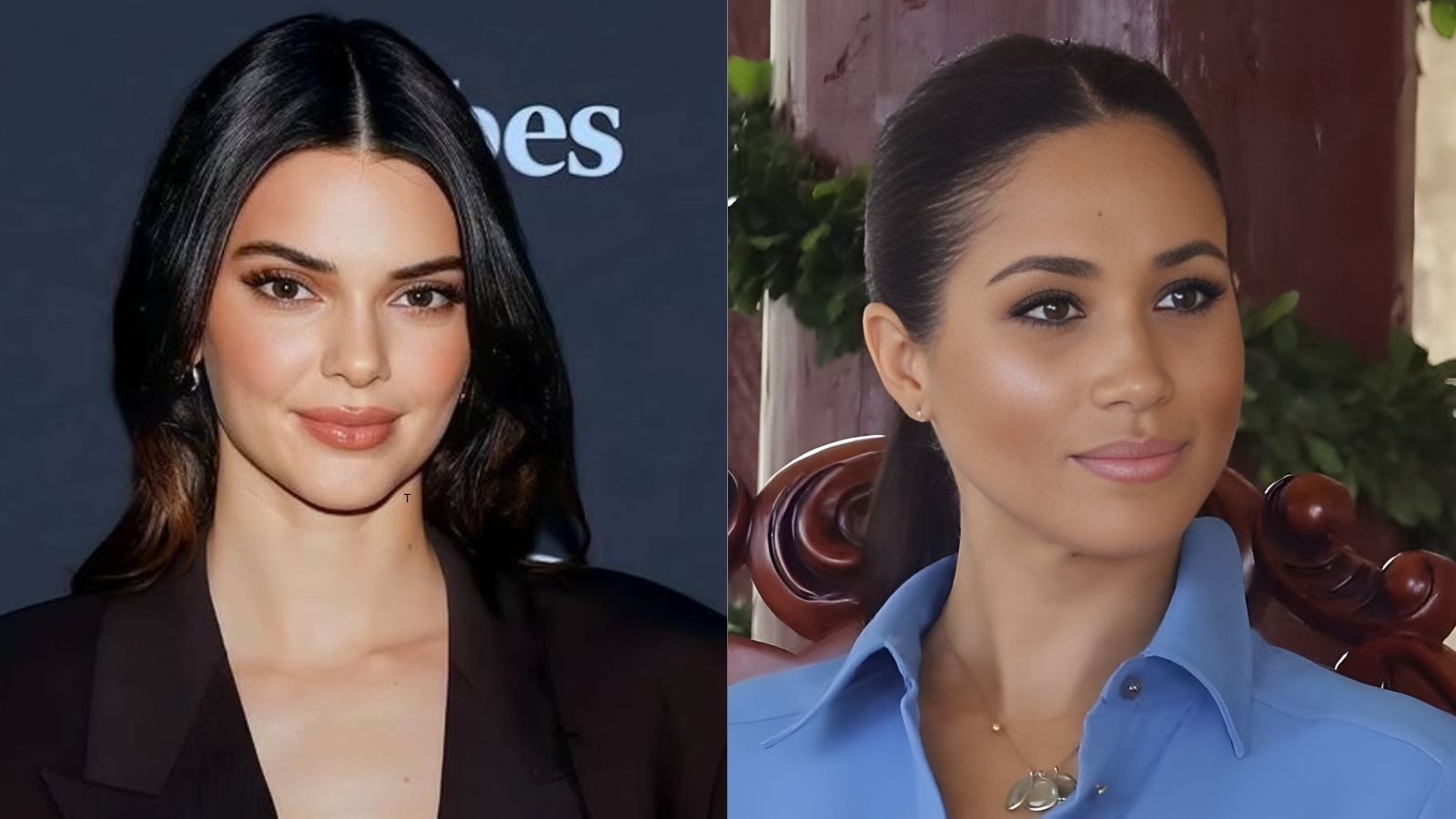
The nepo baby buzz refuses to die in 2026, with social media piling on celebrity kids for riding on family fame. These privileged stars tried hard to bridge the gap, sinking serious cash into projects meant to win hearts.
Instead, fans rolled their eyes at the tone-deaf efforts. From overproduced cooking flops to big-budget bombs, these attempts highlight how money can’t buy authenticity.
Keep reading for the awkward moments that had everyone talking.
Brooklyn Beckham
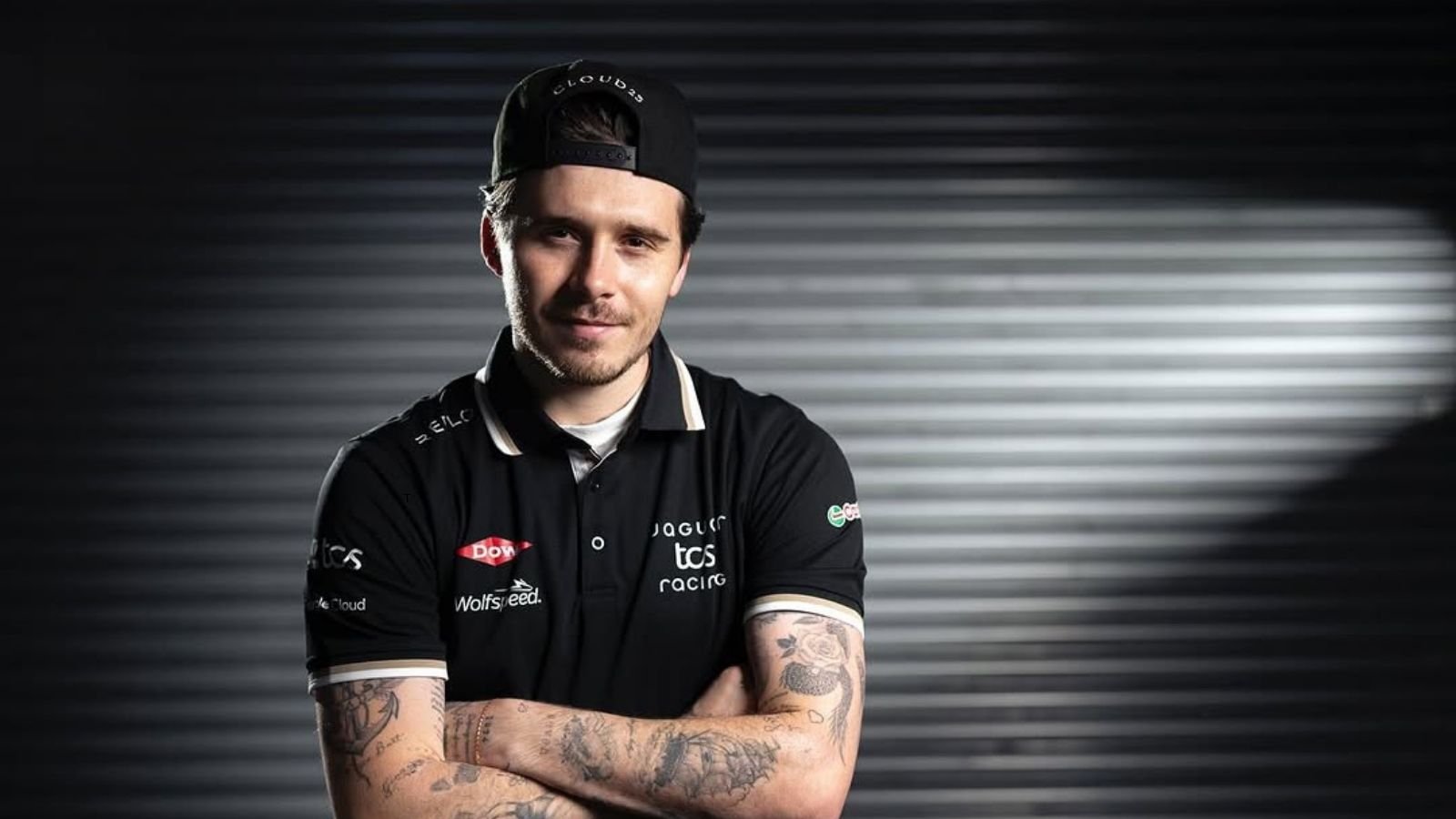
Brooklyn Beckham, son of David and Victoria Beckham, dove into cooking to show fans his relatable side. His 2021 Facebook Watch series, Cookin’ with Brooklyn, aimed to showcase simple recipes and connect through food.
The show cost a staggering $100,000 per episode, with 62 crew members for each eight-minute segment. Fans slammed it as out of touch, pointing out Brooklyn often watched pros cook while claiming the spotlight.
Critics pointed out that opportunities appeared far larger than the skill on display, making the content feel aspirational rather than accessible.
Jaden Smith
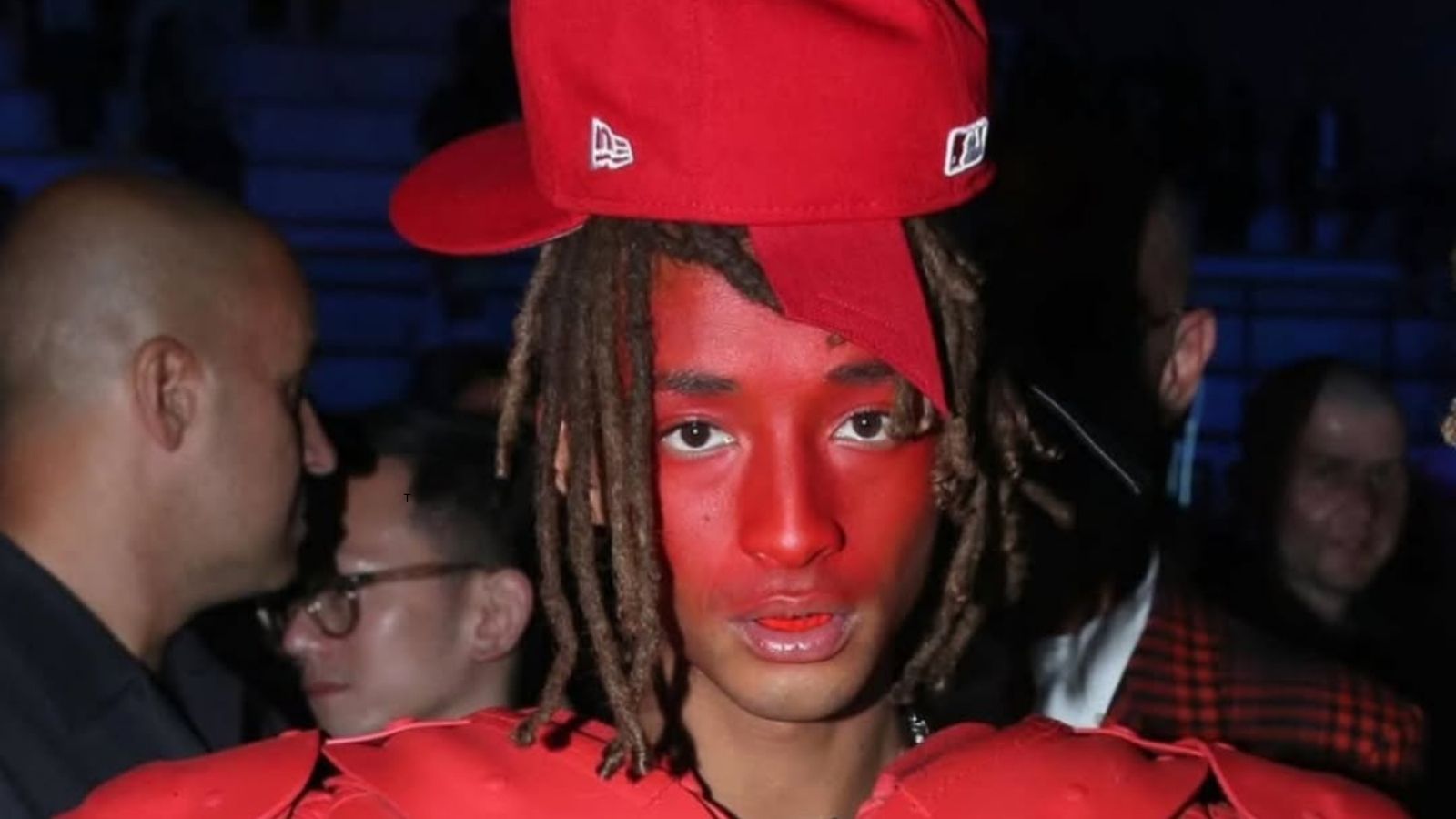
Jaden Smith, offspring of Will and Jada Pinkett Smith, chased stardom with massive projects to bond over shared creativity. His 2013 film After Earth, co-starring dad, promised epic sci-fi vibes for fans craving blockbuster thrills.
With a $130 million budget, the movie tanked at the box office, earning far less and drawing brutal reviews for Jaden’s performance.
Jaden’s music ventures, like albums and fashion lines, faced similar shade for lacking depth. He tweeted about new music videos, such as one in 2023 announcing a Valentine’s Day release, but the hype fizzled amid ongoing skepticism.
Meghan Markle
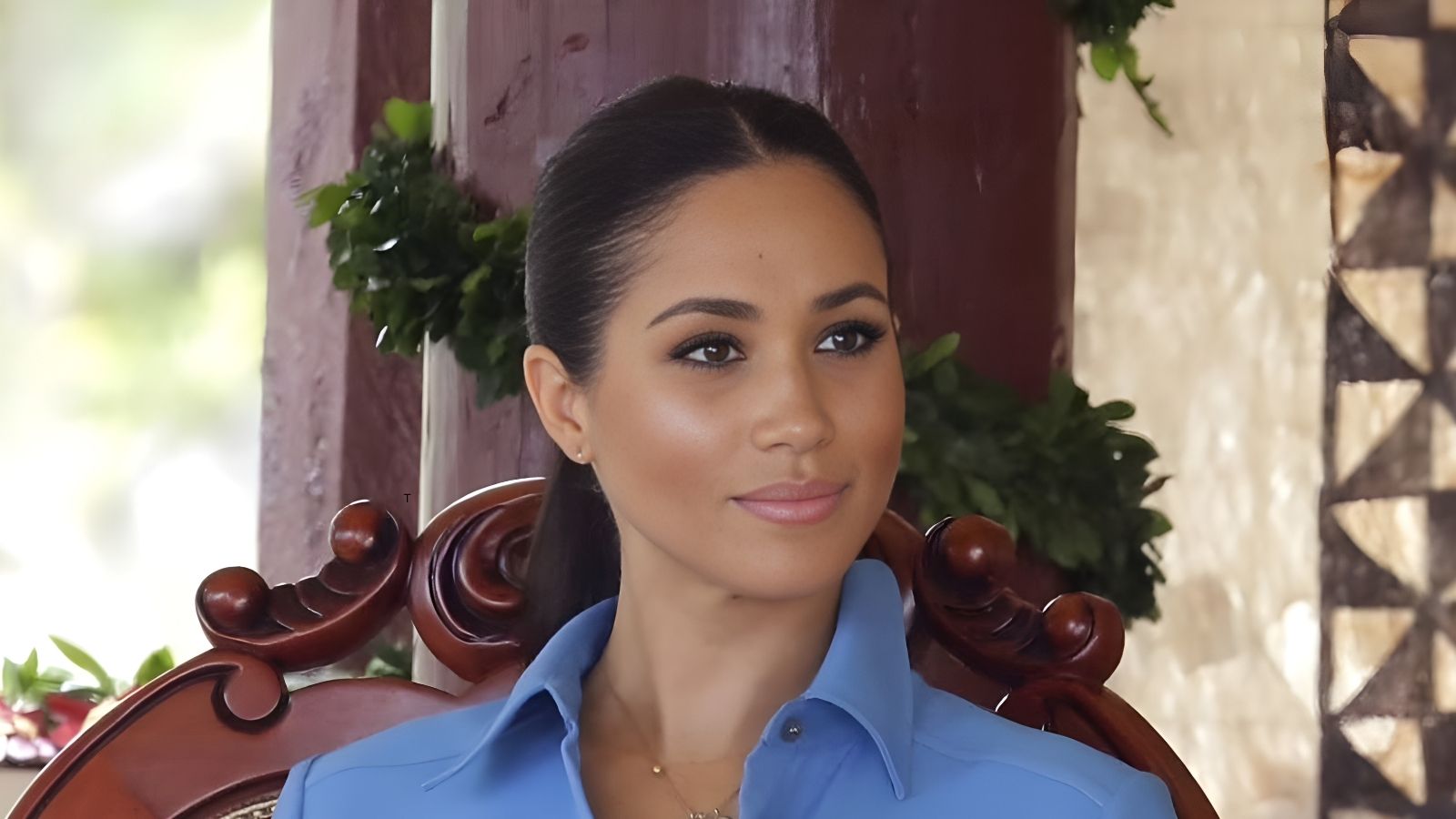
Meghan Markle, whose Hollywood acting career and royal ties gave her a massive platform, launched American Riviera Orchard in 2024 as a lifestyle brand promising cozy, homemade vibes like jams and home goods.
She sent limited-edition strawberry jam jars to celeb pals, building huge hype for an accessible luxury feel. The rollout hit snag after snag: trademark battles forced a full rebrand to As Ever in early 2025, products faced delays, and early items like raspberry spread got slammed as runny, overpriced, and mass-produced far from her Montecito home.
Critics called it underwhelming despite the glossy marketing and Netflix tie-ins. Fans saw the mansion glamour and endless teases as disconnected from real life, turning excitement into frustration.
Lily-Rose Depp
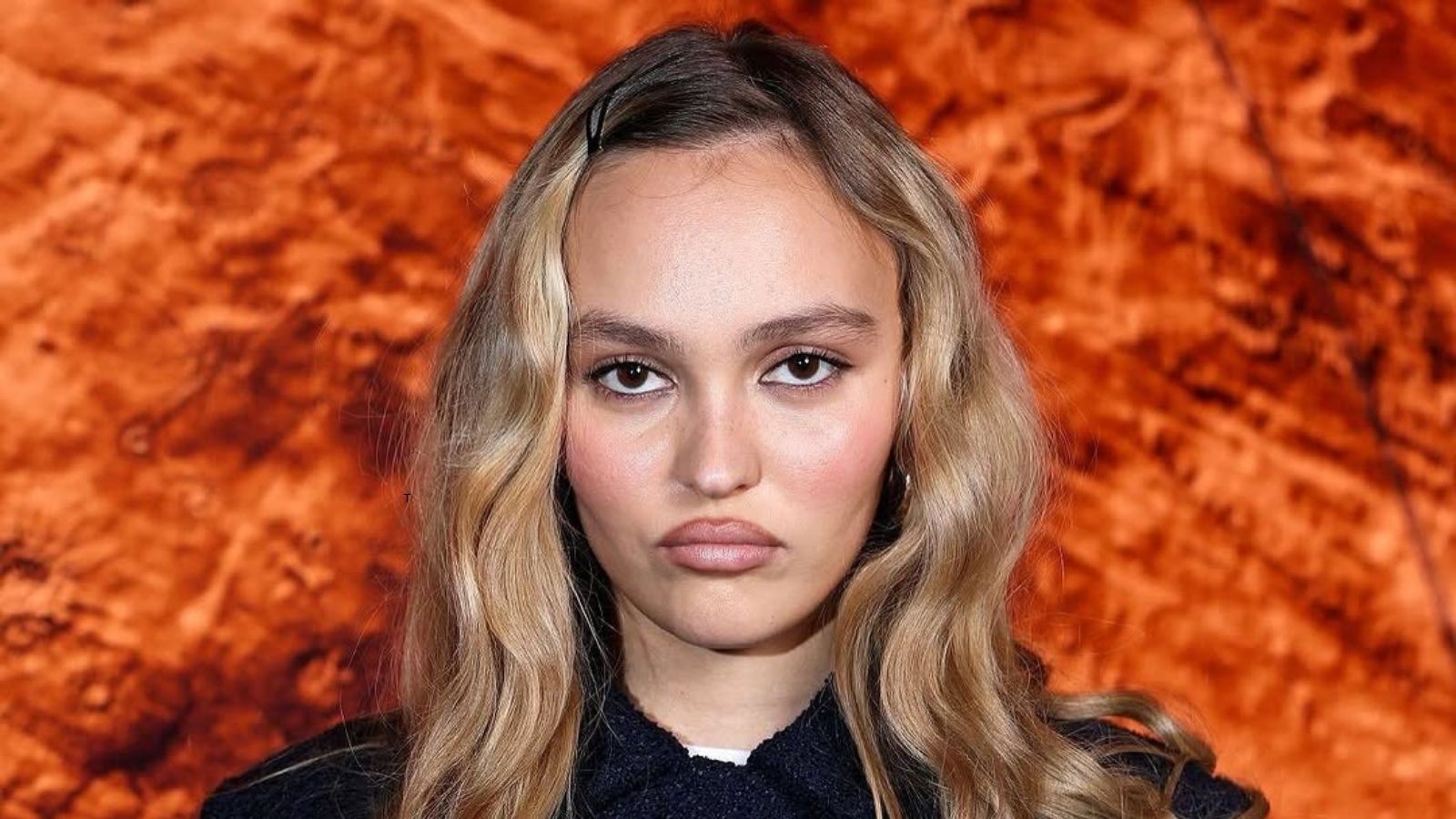
Lily-Rose Depp, daughter of Johnny Depp and Vanessa Paradis, starred in The Idol, portraying a pop star’s raw life and mirroring fans’ struggles with fame. The HBO series targeted music lovers with gritty drama.
Budget ballooned to $75 million after reshoots, but it crashed with a 19% Rotten Tomatoes score and viewer drop-off. Fans trashed it as pointless and cringy, calling it a nepo showcase gone wrong.
Lily-Rose promoted on X, but posts about the show drew mixed reactions, amplifying the failure.
Kendall Jenner
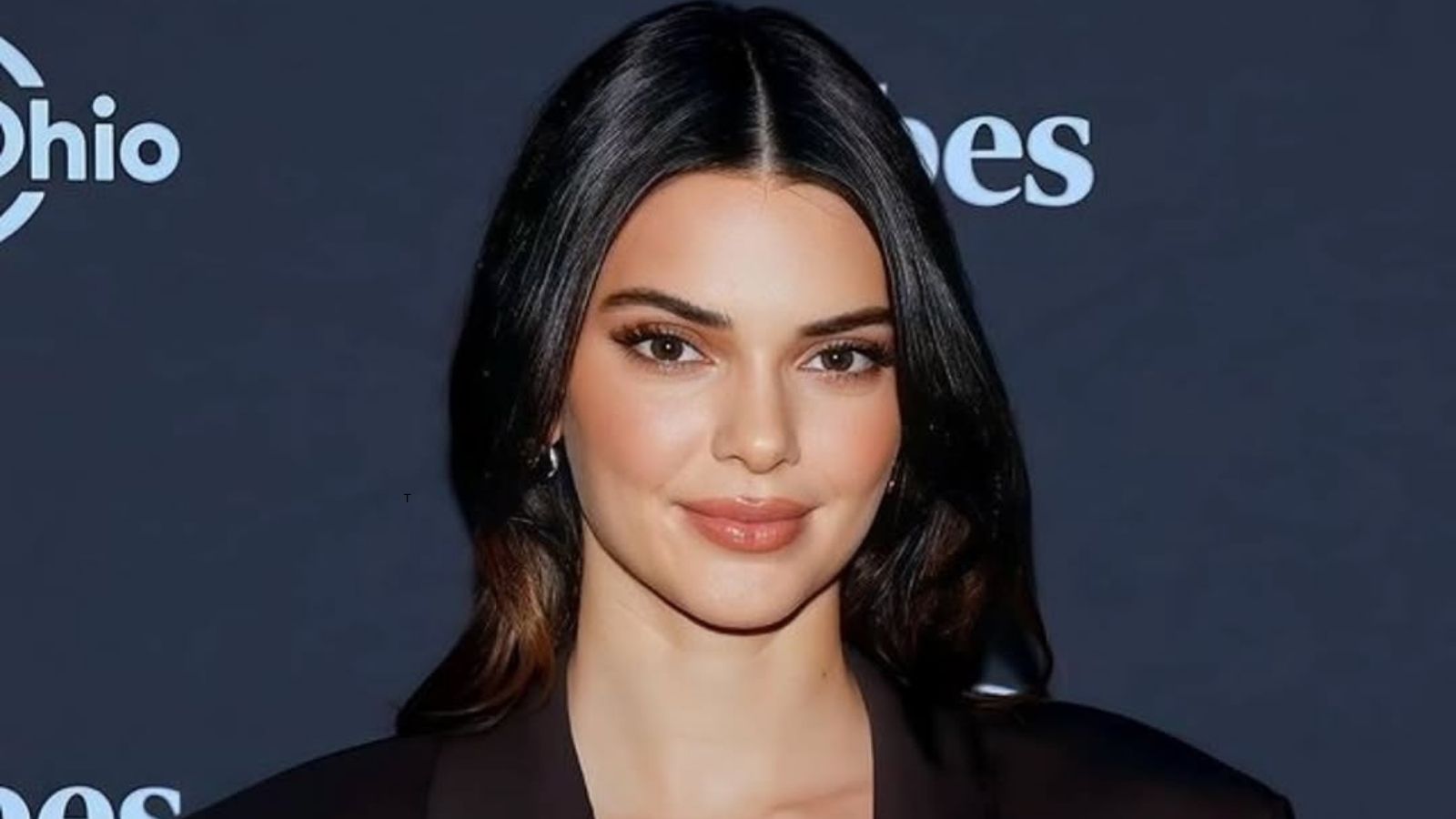
Kendall Jenner, ultimate Kardashian nepo icon, dropped 818 Tequila in 2021 to share her “passion” for the spirit and give back to Jalisco communities. Heavy promotion positioned it as an authentic, sustainable choice from someone who “worked hard” on it.
The launch ignited instant fire: ads showing her on agave farms drew cultural appropriation accusations for whitewashing Mexican traditions. Lawsuits over design rip-offs followed, and despite awards and solid sales, the nepo label stuck hard—fans questioned if it would exist without her fame.
Efforts to seem down-to-earth, like community donations, felt overshadowed by the privilege, keeping the relatability push from landing.
Kelly Osbourne
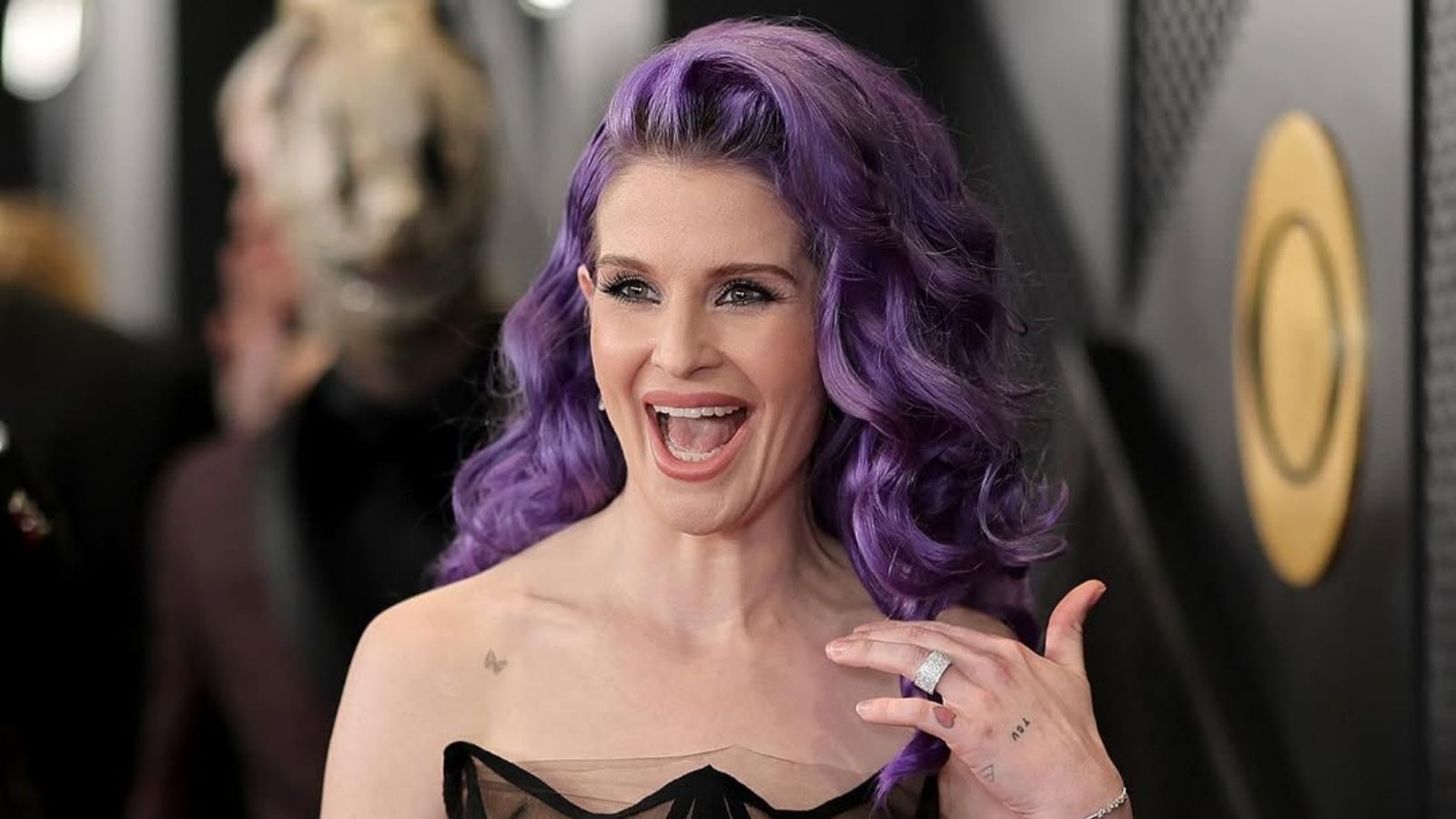
Kelly Osbourne, the daughter of Ozzy and Sharon Osbourne, launched a music career post-reality TV to share her edgy voice with rock fans. Albums like Shut Up aimed to build on family fame.
She poured resources into tours and publicity, but the career fizzled fast, with Kelly later regretting quitting amid overload.
Hailey Bieber

Hailey Bieber, Stephen Baldwin’s daughter, founded Rhode beauty to offer “relatable” skincare for everyday fans. The line promised accessible glow-ups.
Amid a trademark lawsuit and $75 million valuation push, backlash hit over non-inclusive shades and odd accessories like a lipgloss belt mistaken for something else.
Hailey posted on X promoting Rhode, but controversies like AI ads fueled doubts.
Chet Hanks
Chet Hanks, Tom Hanks’ son, aimed to vibe with fans through music, blending rap and reggae to share his “real” self. As Chet Haze, he pushed tracks hoping to resonate with diverse crowds.
His early attempts bombed, with backlash over cultural appropriation, like using Jamaican patois that fans called “verbal blackface.” Spending on production didn’t help; the music flopped commercially.
Chet switched to country in 2025, but past fails linger.
Why These Attempts Often Fail
Relatability cannot be engineered. Audiences respond more to consistency, humility, and acknowledgment of privilege than to curated vulnerability. When large budgets, professional teams, and luxury framing dominate the message, sincerity becomes harder to take at face value.
Fans do not expect wealthy celebrities to pretend they are not rich. They expect honesty. And when that honesty is missing, even the most expensive efforts can feel hollow.
Which celebrity do you think came closest to pulling it off, and who missed the mark the most?