Since its 1975 debut, Saturday Night Live has functioned as both a comedy institution and a high-pressure social experiment. While the “Not Ready for Prime Time Players” often look like a tight-knit family during the goodnight bows, the reality behind the curtain is frequently closer to a battlefield, fueled by sleep deprivation, massive egos, and the cutthroat nature of Studio 8H.
The longevity of SNL means we have decades of receipts regarding who didn’t play nice in the sandbox. While many cast members eventually find common ground through the shared trauma of the long writing sessions, others have spent their post-show careers being refreshingly, and sometimes brutally, honest about their former colleagues. From legendary “Golden Era” friction to modern-day podcast-induced firings, the history of SNL is paved with as many grudges as it is with catchphrases.
Tracy Morgan and Jimmy Fallon
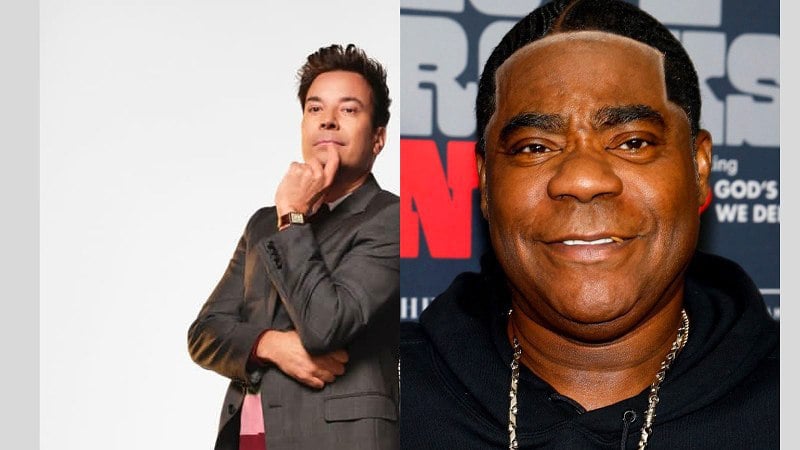
This was the case of one man’s “charming” quirk being another man’s professional deal breaker. While fans spent the early 2000s obsessed with Jimmy Fallon’s inability to keep a straight face, turning sketches into legendary moments of “breaking”. Tracy Morgan wasn’t buying the hype. In a candid interview with Penthouse magazine, Morgan didn’t hold back, stating that Fallon’s “laughing and all that dumb [bleep] he used to do” irritated him and the rest of the cast.
According to Morgan, this wasn’t just a lack of discipline; it was a calculated move. “That’s taking all the attention off of everybody else and putting it on you, like, ‘Oh, look at me, I’m the cute one,'” Morgan remarked. The 30 Rock star even claimed he had to set a hard boundary with the Tonight Show host: “I told him not to do that shit in my sketches, so he never did.”
Jan Hooks and Victoria Jackson
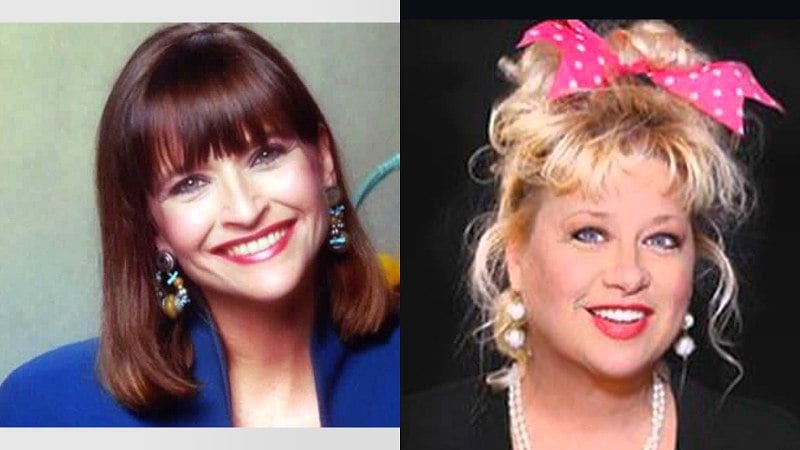
The late 1980s saw a powerhouse female cast, but that didn’t mean there was sisterhood across the board. The late Jan Hooks, widely considered one of the most versatile performers in the show’s history, was famously transparent about her discomfort with Victoria Jackson. The friction wasn’t just about comedic timing, it was a clash of fundamental personalities.
In the definitive oral history, Live from New York: The Complete Uncensored History of Saturday Night Live, Hooks admitted to a “particular repulsion to grown women who talk like little girls.” She famously quipped, “It’s like, ‘You’re a grown woman! Use your lower register!'” Beyond the vocal fry, Hooks noted that Jackson’s devout “born-again Christian” beliefs made her feel like she was “from Mars.” Jackson, who has since become a vocal conservative activist, was an outlier in the secular, often cynical world of late-night comedy. For Hooks, Jackson wasn’t just a coworker she didn’t like, she was a complete enigma that she simply couldn’t “get.”
David Spade and Rob Schneider
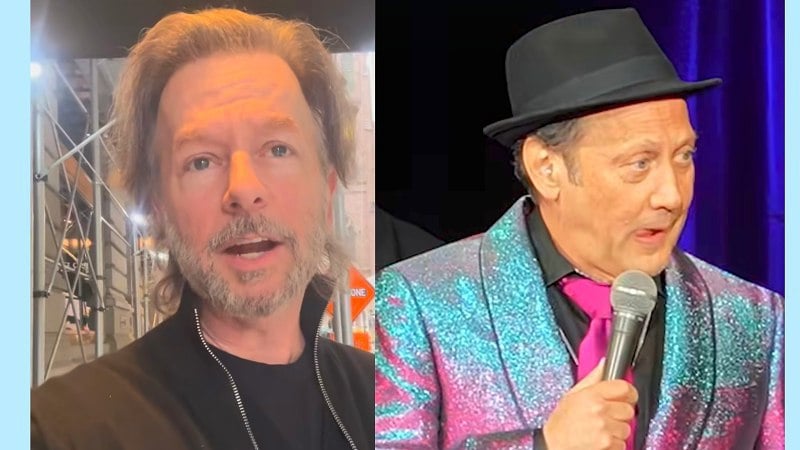
In the early 90s, David Spade and Rob Schneider were the quintessential “bad boy” duo of SNL. They were hired together, they rose through the ranks together, and they were, by all accounts, best friends. However, the competitive nature of the writers’ room eventually turned these “best buddies” into rivals for a period in their careers.
Spade recently revisited this friction during an appearance on Watch What Happens Live, explaining that the tension boiled over when Schneider allegedly began gatekeeping opportunities. “I think he didn’t put my name on a sketch the first time, [and] he didn’t tell me about a writers’ meeting,” Spade recalled. In the paranoid atmosphere of SNL, where being “cut” is a weekly fear, Spade viewed these omissions as an attempt to get him fired. While the two have since patched things up and collaborated on various Adam Sandler-produced projects, the incident serves as a reminder that in 8H, even your best friend might be your biggest competitor for airtime.
Tina Fey vs. Paula Abdul
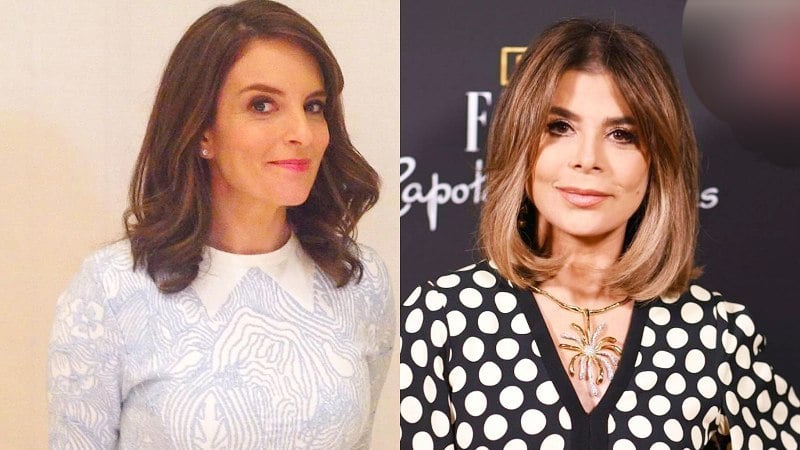
It isn’t always cast-on-cast violence; sometimes, the ire is directed at the weekly guest. Tina Fey, the show’s first female head writer, famously called out Paula Abdul’s 2005 cameo as a total “disaster.” In a candid 2007 interview with Playboy Magazine, Fey recounted the struggle of trying to get the American Idol judge through an “Idol” parody sketch where Abdul appeared alongside her own impersonator, Amy Poehler.
Fey, who was pregnant and admitted to being “a little moody” at the time, was exasperated by Abdul’s behavior during rehearsals. A year later, the two spotted each other on a flight, and Fey described a moment of silent, mutual recognition: “I saw it register on her face that she had had a terrible time with us… I remember thinking, ‘She’s a disaster! I gotta prop this lady up and get her on TV.'”
John Belushi vs. The ‘Other gender’
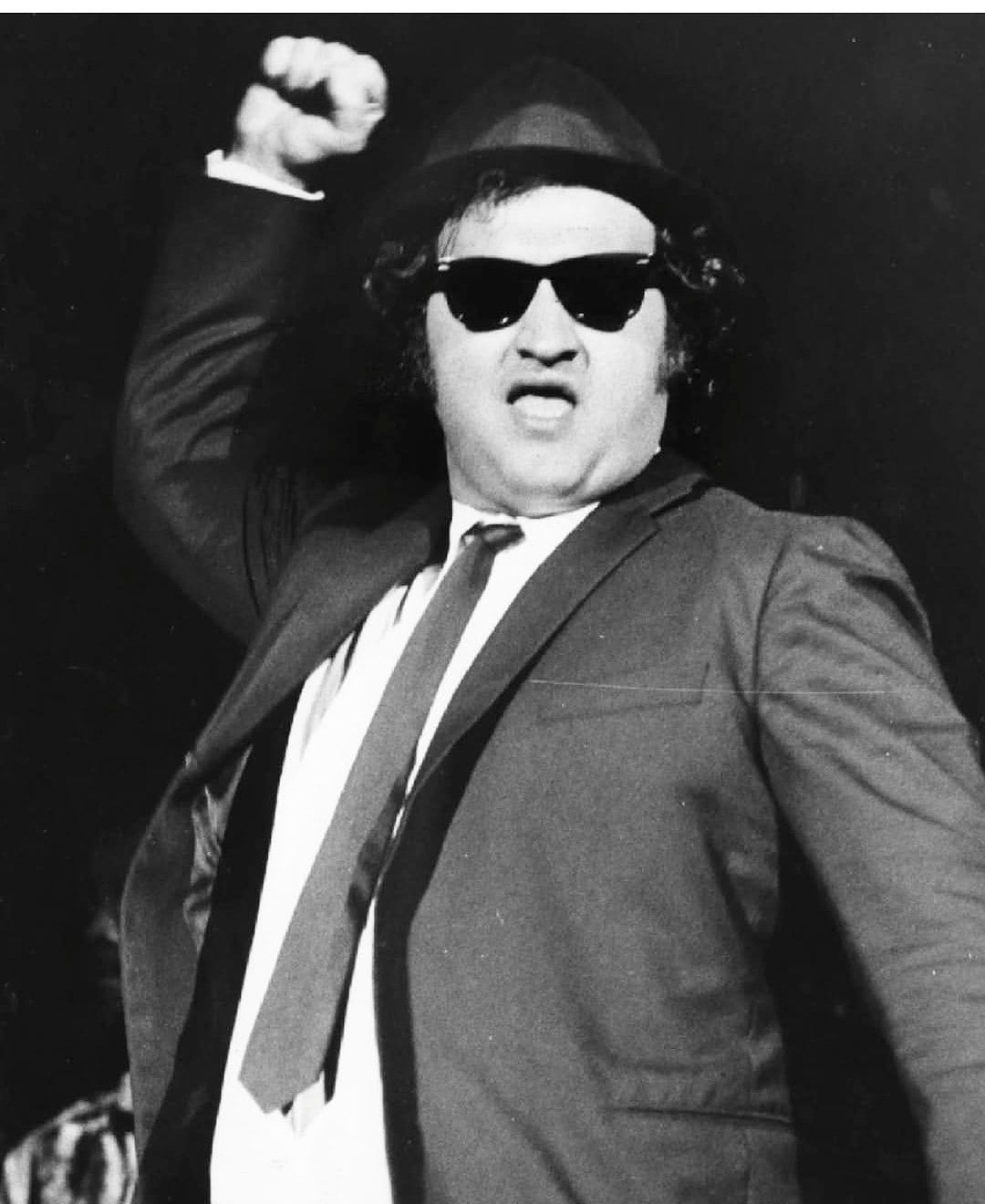
Perhaps the most damaging feud in the show’s history wasn’t between individuals, but between one man and an entire gender. John Belushi, the show’s original titan, reportedly held a deep-seated bias against female writers. According to the oral history Live from New York, Belushi frequently refused to perform sketches written by women, including the brilliant Anne Beatts and Rosie Shuster.
As recounted by Anne Beatts and other staff, Belushi believed women were “fundamentally not funny.” The irony was sharp: while he was “very attached” to Gilda Radner and Laraine Newman as performers, he didn’t respect the female pen. Writers often had to lie and tell Belushi a man had written a sketch just to get him to read it. This institutionalized sexism created a “boys’ club” atmosphere that the show struggled to shake for decades, casting a shadow over Belushi’s otherwise legendary comedic legacy.
Larry David and Dick Ebersol
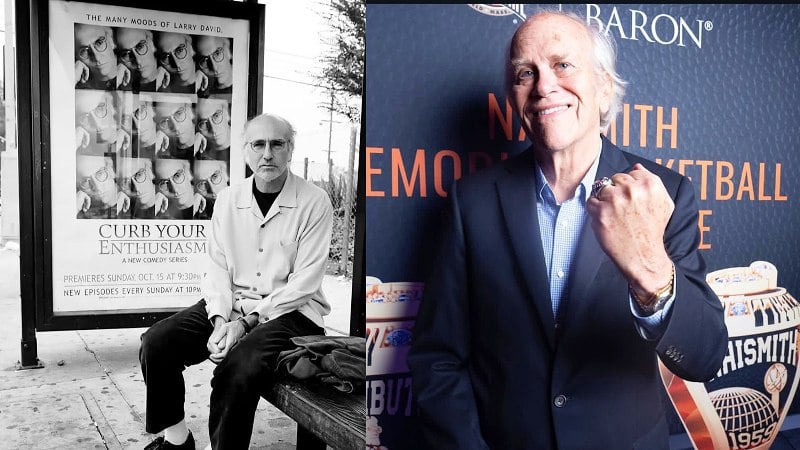
Before Seinfeld and Curb Your Enthusiasm, Larry David was a struggling writer for SNL during the 1984-1985 season, and he was miserable. According to Julia Louis-Dreyfus, who was a cast member at the time, David almost “came to blows” with executive producer Dick Ebersol. The tension peaked when Ebersol told David a sketch wasn’t funny, causing David to go “berserk.”
The friction led to a legendary story where David screamed at Ebersol and quit in a huff, only to show up on Monday and pretend the resignation never happened. David famously adapted this exact scenario into a Seinfeld plotline for the character George Costanza. While David’s tenure was short and he only got one sketch to air, his misery at 30 Rock became the fertilizer for some of the greatest sitcom writing in history.
Shane Gillis vs. The Internet

In more recent years, the friction has moved from the writers’ room to the internet. The 2019 hiring of Shane Gillis turned into a PR nightmare when offensive podcast clips surfaced just four days after his casting. The network fired him immediately, sparking a massive “cancel culture” debate.
However, this story had a rare Hollywood ending: Lorne Michaels later admitted he was “angry” with the NBC executives’ decision to fire Gillis and invited him back to host in February 2024. The reconciliation was so successful that Gillis returned to host a second time in March 2025, proving that even the most toxic “feud” with a network can be settled if the ratings and star power are high enough.
Charles Rocket and Eddie Murphy.
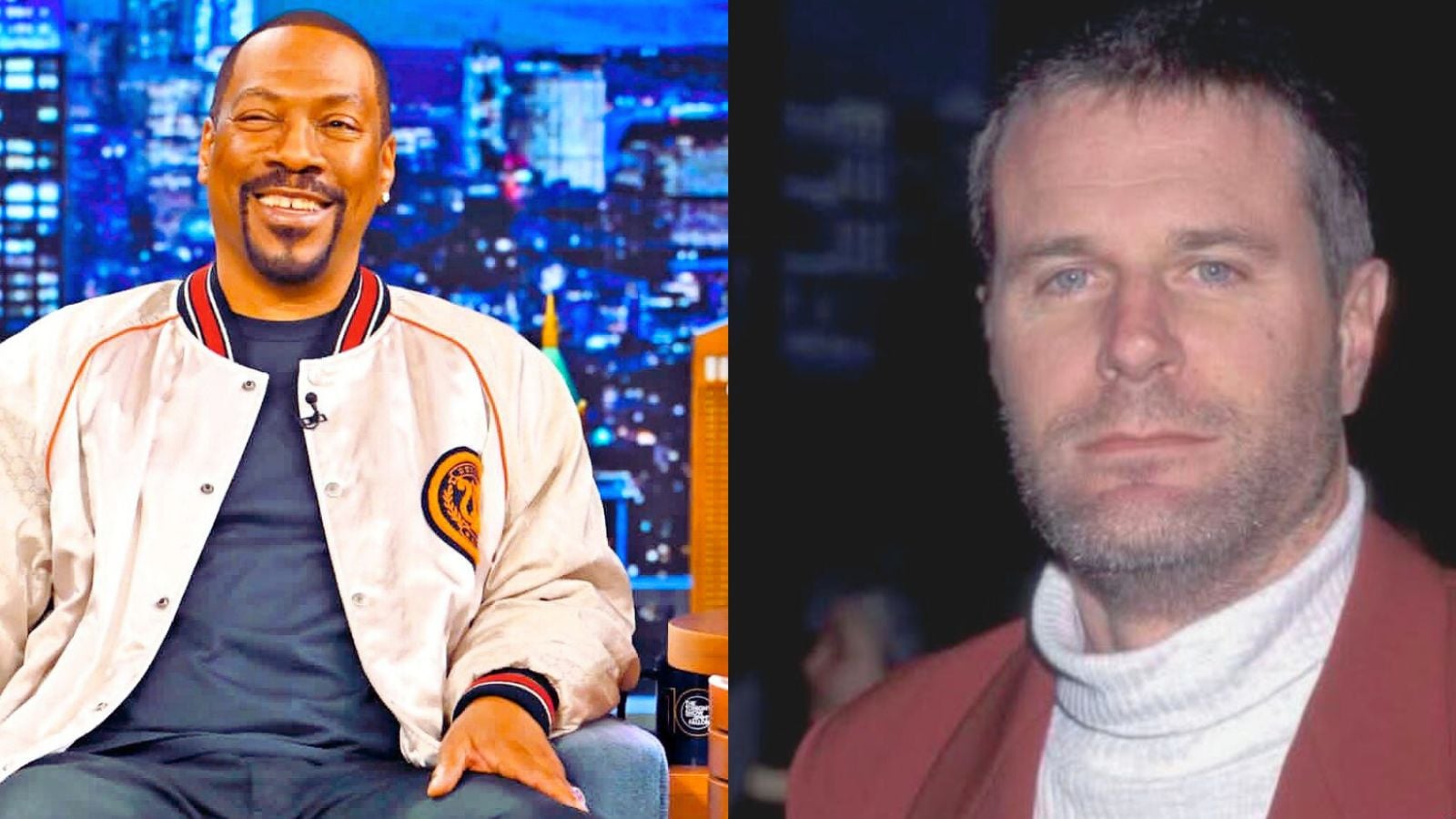
Finally, we look back at the 1980s rivalry between Charles Rocket and Eddie Murphy. Rocket was supposed to be the new star, but after he uttered the “F-word” on live TV, the show pivoted to a young Eddie Murphy. Rocket reportedly grew bitter as Murphy “saved” the show, illustrating the harsh reality of SNL: you are only as safe as your last laugh, and someone is always waiting in the wings to take your spot.