A caller says someone opened a credit card in your name and offers to help close it before fraudulent charges appear.
The account may be fake, but the warning could also point to real identity theft. Someone with access to your name, Social Security number, birth date and address may have applied for credit without your permission.
The safest first step is the same in either situation, end the call. Do not press a number, call back or provide information to the person who contacted you. Check the claim through the card issuer and your credit reports using contact information you find independently.
Do Not Let the Caller Control the Verification
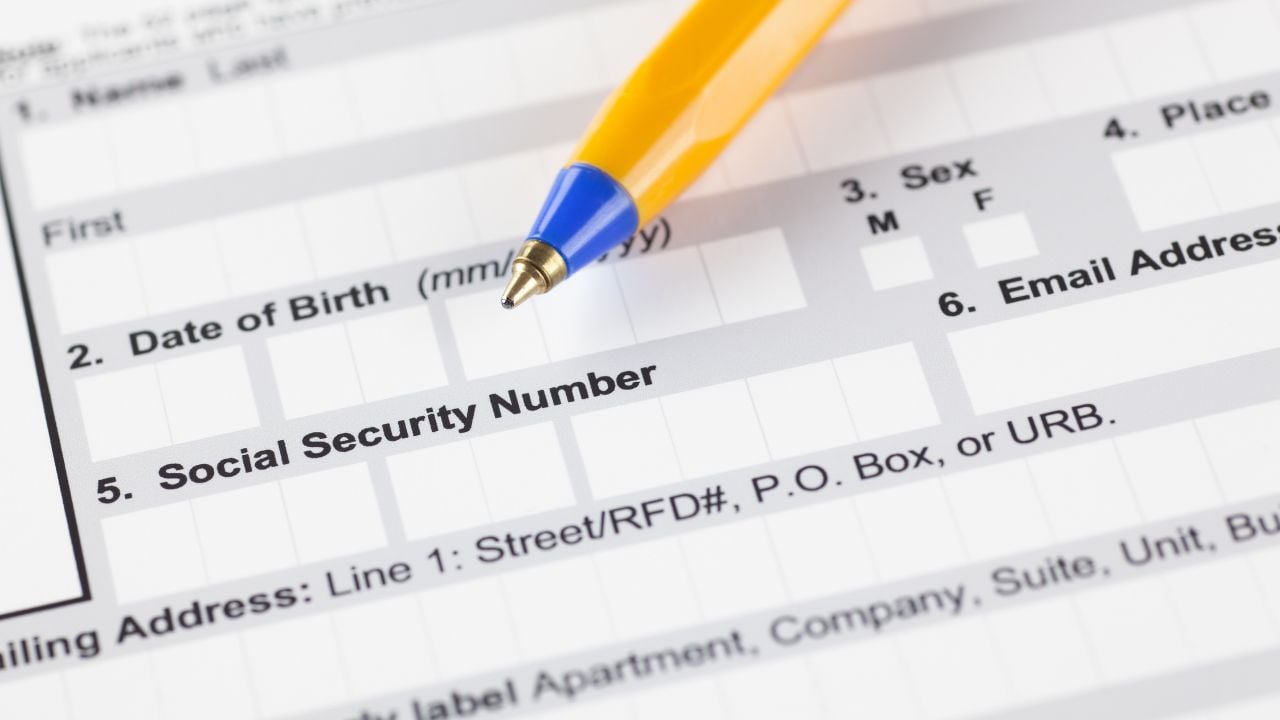
Multiple viewers told WGAL News 8 that they had received calls claiming new credit cards were opened in their names. An incoming caller may already know enough personal information to make the warning sound credible. That does not prove the call came from a bank or card issuer.
Caller ID can be manipulated, and any telephone number supplied during the conversation could lead back to the same operation. Do not provide a Social Security number, password, account PIN or one-time security code. A legitimate fraud department does not need a security code sent to your phone to investigate an account you did not open.
Find the financial institution through its official website or through the account entry on your credit report. Contact its fraud department and ask whether an application or account exists under your identity.
Ask the Issuer to Close the Unauthorized Account
If the issuer confirms that someone opened the card without your permission, explain that the account resulted from identity theft and ask for it to be closed or blocked immediately. Request written confirmation that you did not open the account and are not responsible for its balance.
Record the date of the call, the representative’s name, the fraud case number and the address or online portal where supporting documents must be submitted. Keep copies of statements, letters, emails and screenshots showing the account number, opening date, balance and disputed transactions. Do not send original identity documents unless the issuer specifically requires them and provides a secure method.
Passwords for existing banking, credit-card and email accounts should also be changed when the stolen information may provide access to more than the newly opened card. Enable multifactor authentication through an authenticator app or another secure method offered by the account provider.
Check All Three Credit Reports for Other Accounts
One unfamiliar card may not be the only use of the stolen identity. Review reports from Equifax, Experian and TransUnion through AnnualCreditReport.com, the federally authorized source for free credit reports. Free online reports are currently available weekly from all three nationwide credit bureaus.
Look for unfamiliar credit cards, loans, collection accounts, hard inquiries and changes to names, addresses or telephone numbers. A hard inquiry may appear before the resulting account is added to the report. Dispute fraudulent information with every credit bureau reporting it. Federal law allows consumers to dispute inaccurate information for free with the credit bureau, the company that supplied the information or both.
The Federal Trade Commission identifies a credit freeze as the strongest way to prevent an identity thief from opening additional accounts. Credit freezes are free, but they must be placed separately with Equifax, Experian and TransUnion. They remain active until the consumer removes them and can be lifted temporarily when the consumer legitimately applies for credit.
An FTC Report Provides the Documents for Disputes
Someone whose identity was used to open an account can report it through IdentityTheft.gov. The site creates an FTC Identity Theft Report and a personalized recovery plan. It also provides prefilled letters that can be sent to the card issuer, credit bureaus and debt collectors disputing an account or balance created through identity theft.
Keep the FTC report, police report, credit reports, issuer correspondence and delivery confirmations for every dispute. Those records may be needed again if the fraudulent balance reappears, is transferred to a debt collector or remains on a credit report after the issuer closes the account.