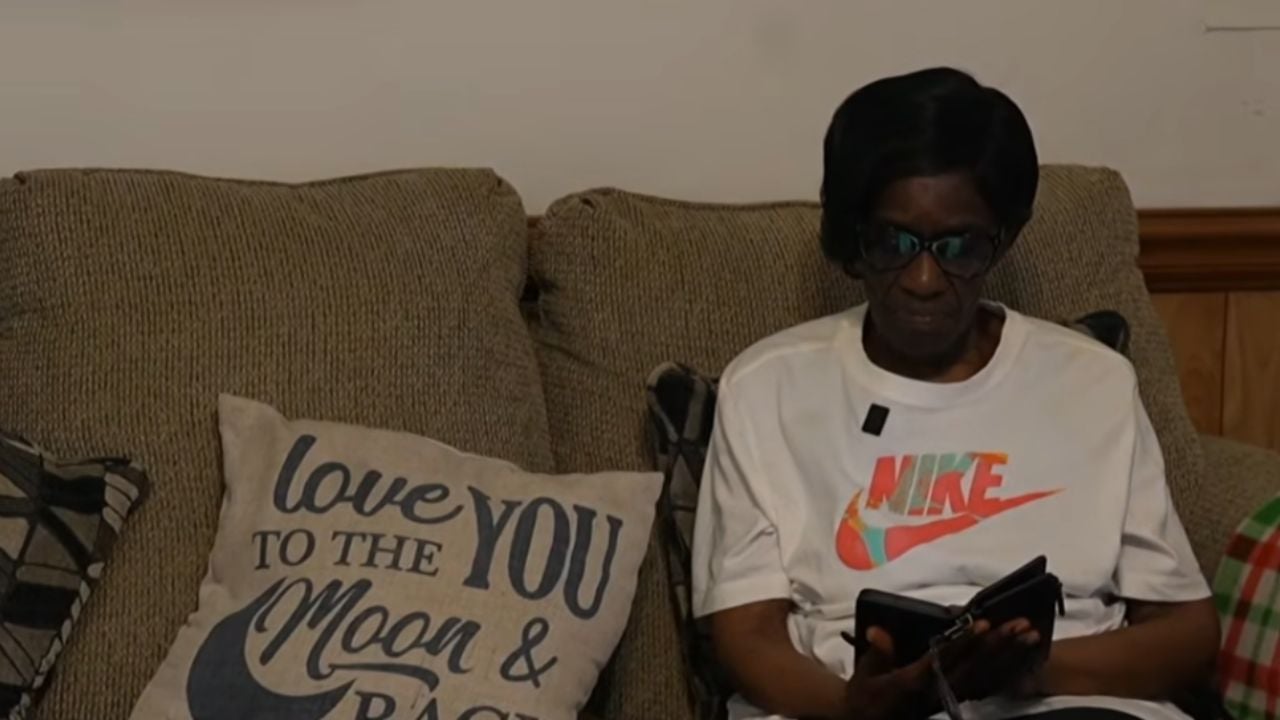
An 86-year-old Virginia woman lost $11,500 after a fake bank warning turned into a gift card scam.
Edith Minor, of New Kent, said the scam began when she opened her computer and saw an urgent alert. The message claimed someone was trying to hack into her accounts.
Minor called what she believed was a legitimate number connected to Wells Fargo, but investigators said the person on the other end was not from the bank.
The caller then kept contacting her, told her to withdraw money for safekeeping, and directed her to buy gift cards at multiple stores.
The Caller Told Her to Withdraw Her Money
The person on the phone allegedly told Minor her money needed to be moved so hackers could not reach it.
Minor said the caller contacted her more than 20 times and instructed her to go to the bank and withdraw funds from her checking and savings accounts.
The explanation was that the money would be protected while the supposed hackers were stopped. Instead of sending her to speak with a verified bank employee, the caller kept control of the conversation and gave step-by-step instructions over the phone.
The Money Was Converted Into Gift Cards
After withdrawing the cash, Minor was directed to buy gift cards and prepaid cards at several stores. She said the caller sent her to places including Publix and Lowe’s, then had her read the card numbers over the phone.
Once the gift card numbers were read to the caller, the money could be drained from the cards without the scammer needing to be physically present.
A $5,000 Loan Request Finally Raised Alarm
The scam did not stop after the first loss. Minor said the caller later told her to return to the bank and borrow another $5,000. That request made her realize something was wrong.
When she contacted the real Wells Fargo, she learned there had never been suspicious activity on her account, but the $11,500 had already been taken.
The Sheriff’s Office Is Investigating
The New Kent County Sheriff’s Office is investigating the case as bank imposter fraud. No arrest or suspect name was reported.
Sheriff Lee Bailey said reports of scam calls have increased since the start of the year and that callers often pressure victims not to speak with anyone else while the scam is underway.
Bailey said recovery is uncertain because scammers may be operating from another state or another country, making the money and the people behind the calls difficult to trace.
Minor Shared the Story to Warn Others
Minor said she had seen scam stories on the news before but never expected to become a victim herself.
She described the loss as a large amount of money from her savings and said she now recognizes warning signs she missed while the scam was happening.
Gift Cards Are Not a Way to Protect a Bank Account
A real bank will not tell a customer to withdraw savings, buy gift cards, read card numbers over the phone, borrow money, or keep the conversation secret from family or bank employees.
Wells Fargo warns that scammers may ask for payment through gift cards or prepaid cards because they work like cash, and that any request to pay or donate that way is a scam. The FTC also warns that no honest business or government agency will demand payment by gift card.
Anyone who sees a sudden computer warning about a bank account should avoid calling numbers shown in the pop-up. The safer step is to close the window, restart the device if needed, and contact the bank directly using the number on a statement, debit card, official app, or official website.
Gift card scams should be reported quickly to the gift card company, the victim’s bank, local law enforcement, and the FTC at ReportFraud.ftc.gov. Bank-imposter scams can also be reported to the FBI’s Internet Crime Complaint Center at IC3.gov.