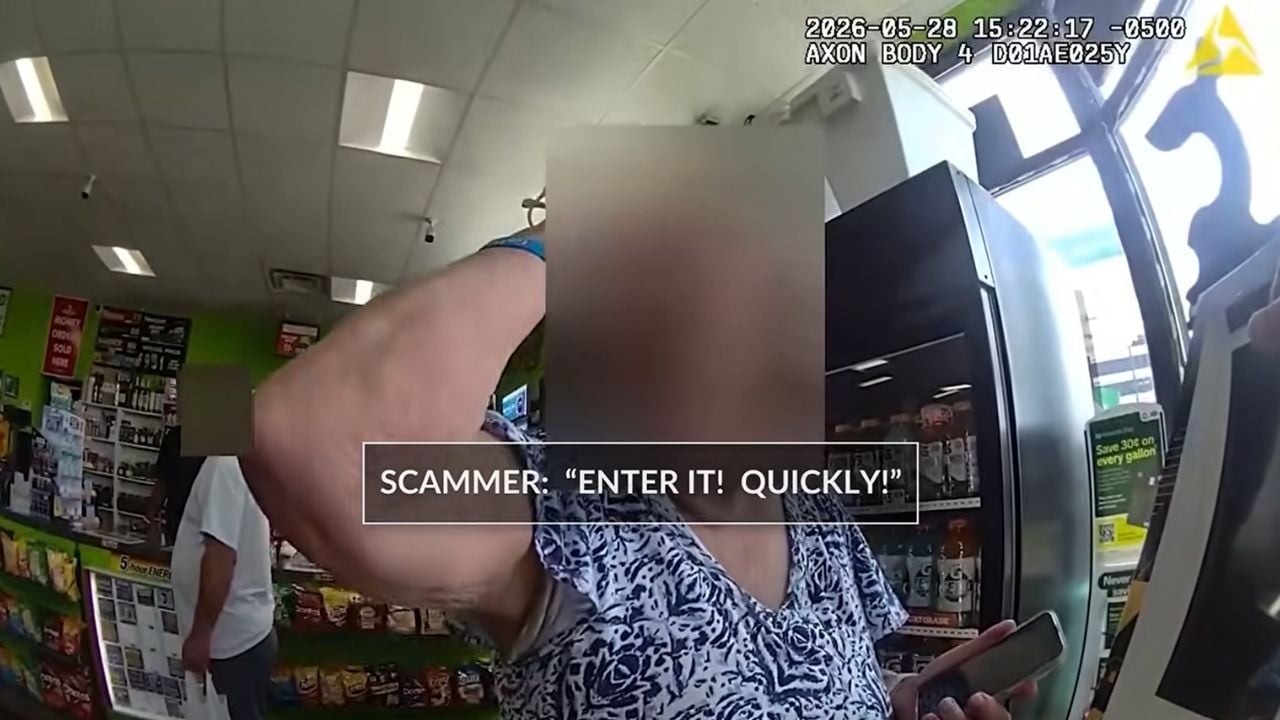
A Crestwood, Missouri, woman says a Facebook ad quickly turned into a demand for thousands of dollars before a stranger stopped the payment from going through.
The woman shared the close call with FOX 2 St. Louis, which reported that the situation began with an ad on Facebook and escalated into a much larger demand.
The station described the case as an online scam attempt, not a completed loss. The woman almost paid, but someone nearby intervened before the money was sent.
The case shows how fast a normal-looking social-media ad can move away from a protected purchase and into a direct payment demand.
The Facebook Ad Led to a Demand for Thousands
FOX 2 reported that the Crestwood woman first saw the ad on Facebook. The pitch did not stay inside a normal checkout process. It turned into a demand for thousands of dollars, according to the station.
The woman nearly followed through before the payment was stopped. FOX 2’s report and social posts described the story as a close call, saying she “almost fell for it” before a stranger stepped in.
No confirmed loss was reported in the FOX 2 story. The key facts are the Facebook ad, the demand for thousands, and the intervention before payment.
The Payment Request Moved Away From a Normal Checkout
A social-media ad can look like a routine offer at first. The danger begins when the buyer is pushed away from a normal website, order page, invoice, or protected checkout and toward a direct payment demand.
That shift gives scammers more control over the conversation. They can pressure the target to move quickly, claim the deal will disappear, or make the payment sound urgent before the person has time to verify who is actually asking for money.
In the Crestwood case, the payment did not go through. FOX 2 reported that the woman’s close call ended before she lost thousands of dollars.
Social-Media Ads Are a Common Starting Point for Scams
The FTC says shopping scams are among the most reported scams that start on social media. Scammers use ads, posts, and messages to pull people toward fake deals, fake sellers, or payment requests that do not carry the protections of a standard retail transaction.
The Better Business Bureau also warns shoppers to be cautious with social-media ads that show unusually low prices, poor-quality images, copied product photos, fake-looking websites, or pressure to pay quickly.
Before sending money from a Facebook ad, buyers can search for the company independently, check the website address, read outside reviews, and use a payment method with buyer protection. A rushed demand for thousands of dollars should stop the transaction before any money changes hands.