
A man allegedly used someone else’s personal information to walk into two Florida jewelry stores and leave with more than $20,000 in merchandise.
Investigators said the May 6 transactions occurred at Jared Jewelers on West Brandon Boulevard and Kay Jewelers inside Brandon Exchange.
Hillsborough County detectives identified 32-year-old Wallace Lake as the suspect and obtained an arrest warrant after reviewing evidence connected to the purchases.
The investigation eventually led authorities more than 1,000 miles away to Mount Vernon, New York, where Lake was taken into custody July 14.
Detectives Identified a Suspect After the May Transactions
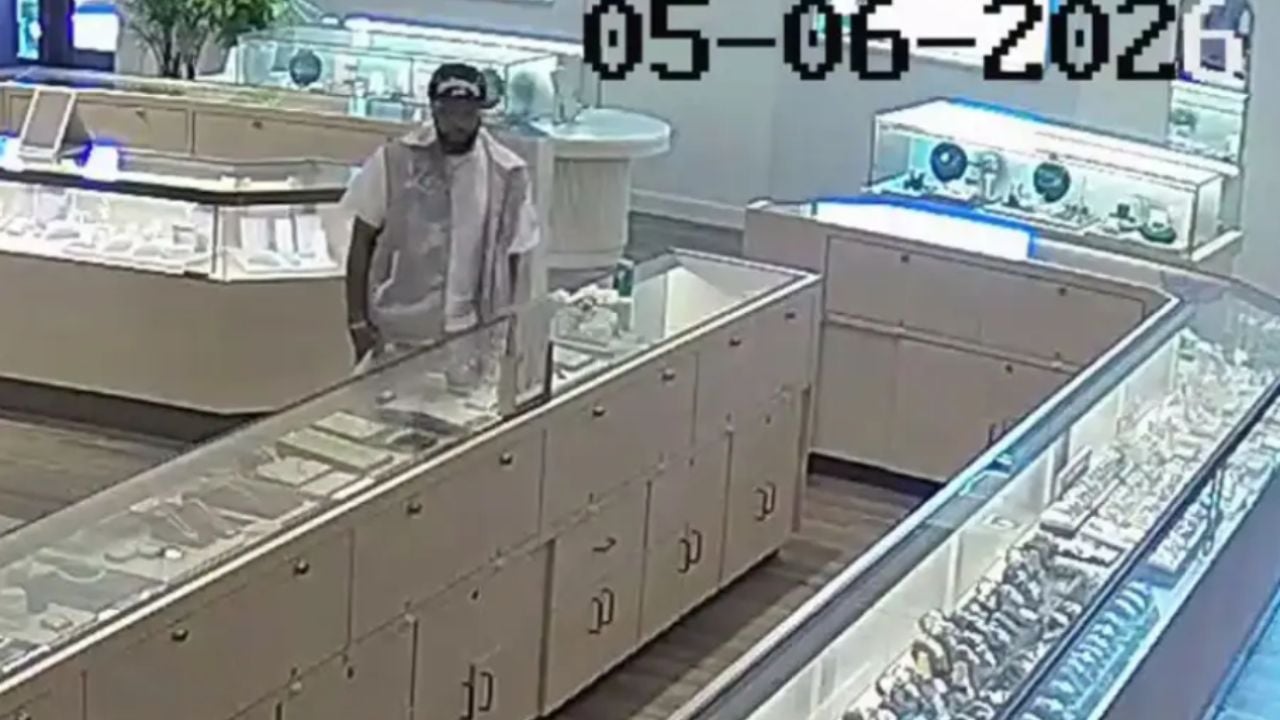
According to WWSB, investigators said Lake used stolen personal identification information to obtain more than $20,000 in jewelry from the two Brandon-area stores.
The Hillsborough County Sheriff’s Office said detectives ultimately identified Lake and obtained a warrant accusing him of second-degree grand theft and multiple fraud-related offenses, according to Tampa Bay 28.
The multistate investigation ended the search for Lake, but the criminal case remains pending. Officials have not said whether the jewelry was recovered, whether another person participated in the reported purchases, or when Lake will be transported to Florida to face the charges.
Victims Should Check for More Than One Account
The FTC says a credit freeze can help if someone has experienced identity theft, and an initial fraud alert tells businesses to check with the consumer before opening a new account.
Victims should review credit reports, dispute unfamiliar accounts, contact any retailer or lender tied to the fraudulent purchase, and file an identity-theft report through IdentityTheft.gov.
Suspected identity theft should be reported to the affected retailer or lender, local law enforcement, the FTC at IdentityTheft.gov, and the credit bureaus through a fraud alert or credit freeze request.