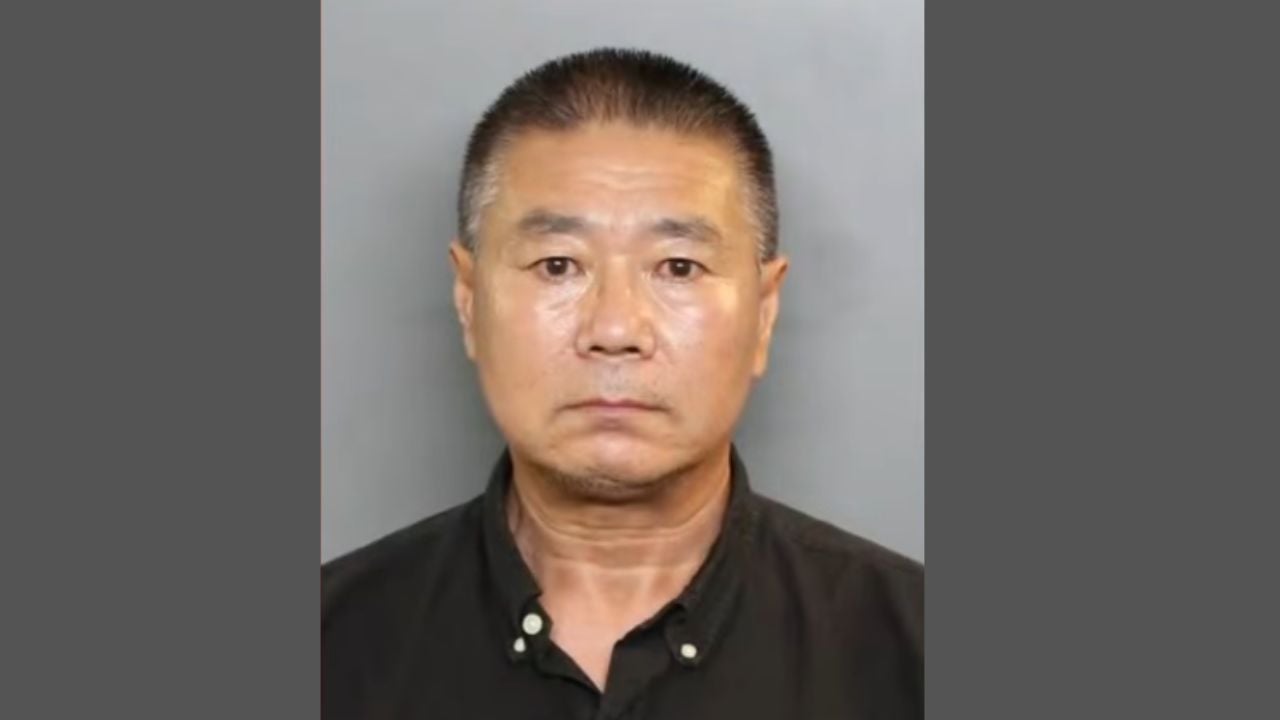
A Charlotte County man is accused of acting as a courier in a $30,000 scam that targeted a victim in Deep Creek, Florida.
The case began with a claim that the victim’s computer had been hacked, according to Gulf Coast News. Investigators said the victim was told money had to be sent by courier to stop funds from being removed from a bank account.
The report identified the man connected to the vehicle as Xiaofeng Wang, 60.
Deputies detained him for questioning after focusing on the car tied to the alleged courier pickup.
The Victim Was Told a Computer Had Been Hacked
Gulf Coast News reported that the Deep Creek victim was told their computer had been compromised. The warning was tied to the victim’s bank account, with the scammer claiming money could be removed if the victim did not act.
Investigators said the victim was then directed to send money through a courier. The amount connected to the alleged scam was $30,000, according to the report.
Deputies Focused on the Driver of the Car
According to the arrest report described by Gulf Coast News, deputies identified Wang as the driver of the car tied to the courier activity.
When questioned, Wang initially told deputies he was driving around because he was looking at homes for sale, the report said.
Authorities accused him of serving as the courier in the alleged scam. The public report did not say who allegedly made the hacking claim to the victim or who directed the pickup.
The Scam Followed a Familiar Courier Pattern
The setup described by investigators matches a pattern federal agencies have warned about: a victim is told there is an urgent problem with a computer, bank account, or investment account, then pushed to move money outside normal banking channels.
The Federal Trade Commission warns that tech-support scammers often claim there is a problem with a computer or account to scare people into paying money or handing over access. The agency also says the FTC will never tell people to withdraw money, buy gold, or give cash to someone to protect their funds.
The FBI has also warned about courier scams in which victims, often seniors, are told to hand cash or valuables to someone in person. In those schemes, the person collecting the money may be different from the person making the calls.
A Courier Pickup Is the Point To Stop
Anyone told to withdraw cash, send money by courier, keep a bank problem secret, or meet a stranger to protect an account should stop before leaving the house. A real bank, law enforcement agency, or computer-security company will not need a customer to hand $30,000 to a courier.
The safer move is to hang up and call the bank through the number on the back of the card or on an official statement. If a caller says a computer was hacked, the person should contact a trusted local repair provider or the company directly through its official website, not a number supplied by the caller.
If a pickup has already been arranged, call local law enforcement before meeting anyone. Victims should also save phone numbers, messages, receipts, bank withdrawal records, vehicle details, doorbell video, and any instructions the caller gave. Cyber-enabled scams can be reported to the FBI’s Internet Crime Complaint Center, and fraud can be reported to the FTC at ReportFraud.ftc.gov.