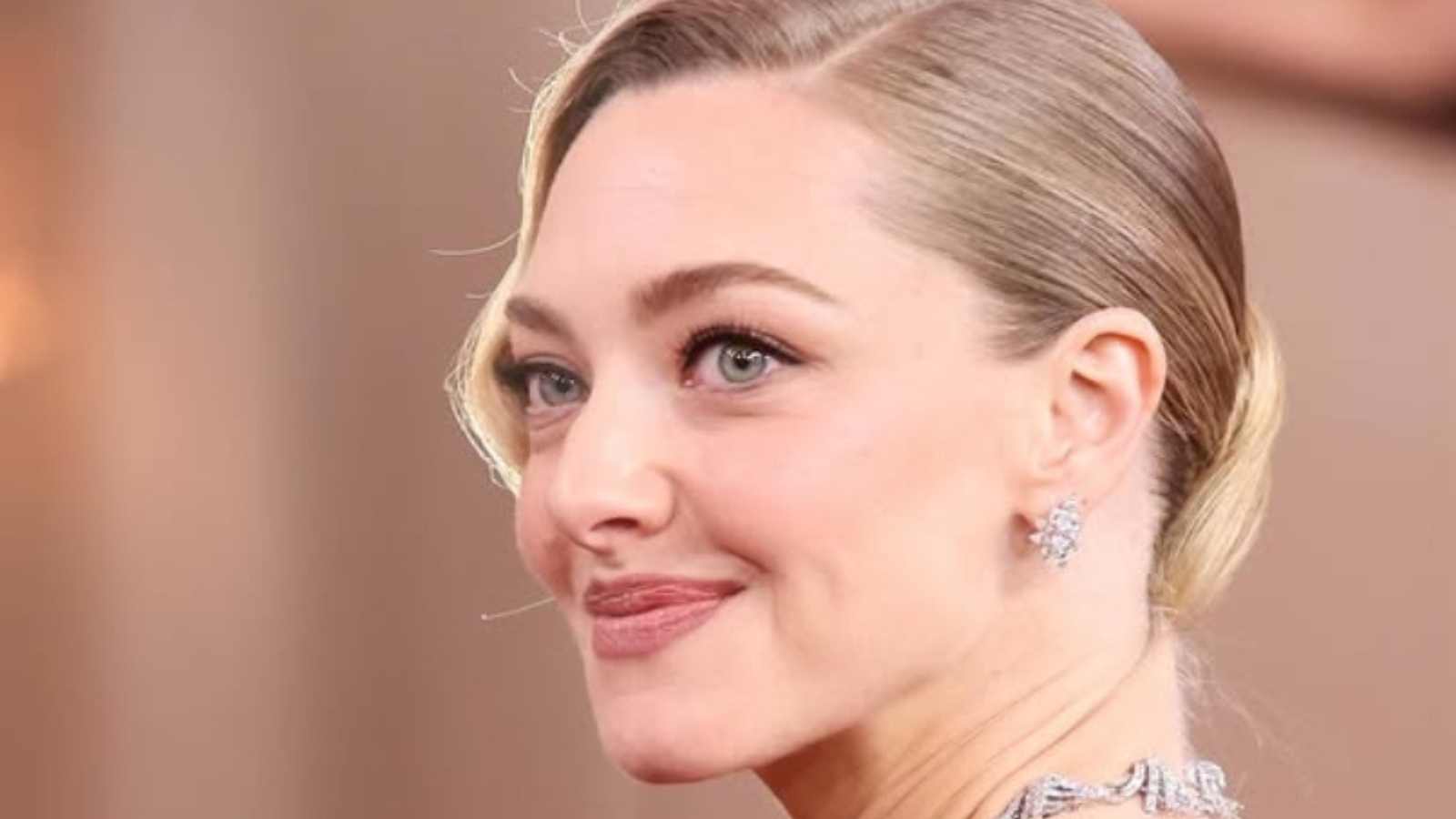
Amanda Seyfried just gave one of the most refreshingly honest takes you’ll hear this awards season: she doesn’t think winning an Oscar is essential to her career. The Mean Girls, Mank, and Mamma Mia! star, now a respected dramatic actress, shared her perspective in a recent profile with The New Yorker, signaling a shift in how some veteran performers view Hollywood’s most coveted trophy.
At 40, Seyfried has quietly built a career defined by range and longevity, including light musicals, indie dramas, and thrillers, and she believes that real success isn’t found in cinema’s gilded statuettes. “Do you remember who won in the past ten years? It’s not the win that’s important, it’s the nomination,” she said:
This opens up a broader conversation about recognition, relevance, and what it really means to thrive as an actor.
This isn’t Seyfried dismissing awards entirely; she acknowledges that nominations do help. But her tone is clear: an Oscar win would be nice, sure. “Would it be great? Of course it would, for every reason. But it isn’t necessary,” she told the magazine.

Here’s a deeper look at what she said and why her viewpoint matters.
“I’ve Gotten This Far”: Rethinking Awards and Career Success
Seyfried’s remarks arrive at a moment when she’s enjoying one of the strongest stretches of her career. After earning her first Academy Award nomination in 2021 for Mank. This role drew critical praise for her portrayal of screen icon Marion Davies, and she’s back in the spotlight with two very different December releases: The Testament of Ann Lee and The Housemaid. Both have earned award-season buzz, with Golden Globe and Critics’ Choice nods positioning her again as an Oscar contender.
Yet rather than gearing up with Oscar hunger, Seyfried offered a nuanced take: she’s already “proven” herself in the industry. “I’ve gotten this far without an Oscar, why would I need one now?” she said, pointing out that nominations often have more practical value than the actual trophy because they increase visibility and open doors for more diverse roles.

This perspective echoes a growing sentiment among some actors that awards, while prestigious, aren’t the only, or even the best, measure of a meaningful career. Seyfried’s work spans comedy, musicals, gritty drama, and psychological thrillers, a testament to artistry over accolades.
She distilled her philosophy simply: longevity in Hollywood comes down to the choices you make, balancing art and commerce, passion projects and box-office hits, rather than the tally of awards on your shelf. She explained that, “Longevity in an actor’s career is designed. Longevity is about deliberate choices… But for me, all of it is art.”
Art, Industry, and What Truly Counts
Seyfried’s comments go beyond personal preference; they tap into a broader shift in Hollywood’s value system.
For decades, winning an Oscar was seen as the ultimate validation, capable of transforming careers overnight. But today, where streaming, global box-office hits, indie darlings, and awards ceremonies coexist, the cultural weight of the Academy Awards has become more complicated.
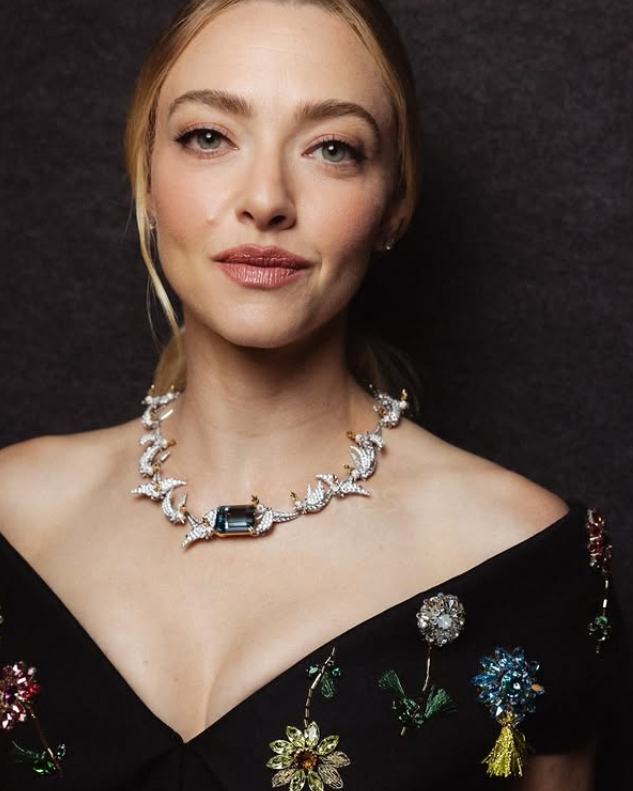
Seyfried suggested that nominations, which signal industry respect and attention, can have more lasting career impact than the trophy itself. “It does thrust you forward. That’s a fact. Now, do I need one…? No, of course I don’t.”
Her point about remembering winners from the past decade isn’t cynicism so much as realism. While Oscar ceremonies still generate buzz and headlines, many performances that win are quickly forgotten by the broader public, especially now that so much content vies for attention.
At the same time, Seyfried isn’t anti-Oscar. She clearly respects the craft and understands the symbolic value of the honor. She simply sees professional fulfillment and meaningful artistic work as something that shouldn’t be defined only by a brass statue.
She also spoke candidly about the ups and downs of a career in film: the ebb and flow of public perception, the unpredictable success of projects big and small, and the importance of staying true to one’s artistic instincts rather than chasing awards alone.
What This Means for Seyfried’s Oscar Chances

With The Testament of Ann Lee earning critical attention and The Housemaid performing strongly at the box office, Seyfried finds herself in a favorable position for this year’s awards cycle. Golden Globe and Critics’ Choice nominations suggest she could well be in the conversation when the Academy reveals its nominees.
But even in that context, she refused to hinge her sense of achievement on whether the Oscars call her name. “We all have ebbs and flows in our careers… but I’m consistent in my choices, and I’m consistent in my values and my needs,” she said, embracing a career model rooted in curiosity, freedom, and artistic range.
As for what comes next for the actress? Seyfried has made it clear she intends to continue exploring roles that excite and challenge her without letting the pressure of awards dictate her path.

Stars speaking candidly about the emotional and professional realities of awards season isn’t new, but Seyfried’s perspective feels especially timely. This is an industry that’s always redefining what success looks like, commercially, artistically, and culturally, so her comments reflect a mature, grounded view that resonates beyond Hollywood’s golden circles.
For fans and peers alike, it’s a reminder that while awards carry prestige and visibility, they’re not the sole markers of a worthwhile or impactful career. And in Seyfried’s case, that resonates with how she’s built hers: with intentional choices, a mix of genres, and performances that linger long after the season’s trophies are shelved.
In the end, her message is simple, and surprisingly refreshing: acting is an art, not a contest. And whether she wins that Oscar or not, Seyfried seems more focused on creating work she’s proud of; that’s something most actors can only hope to achieve.