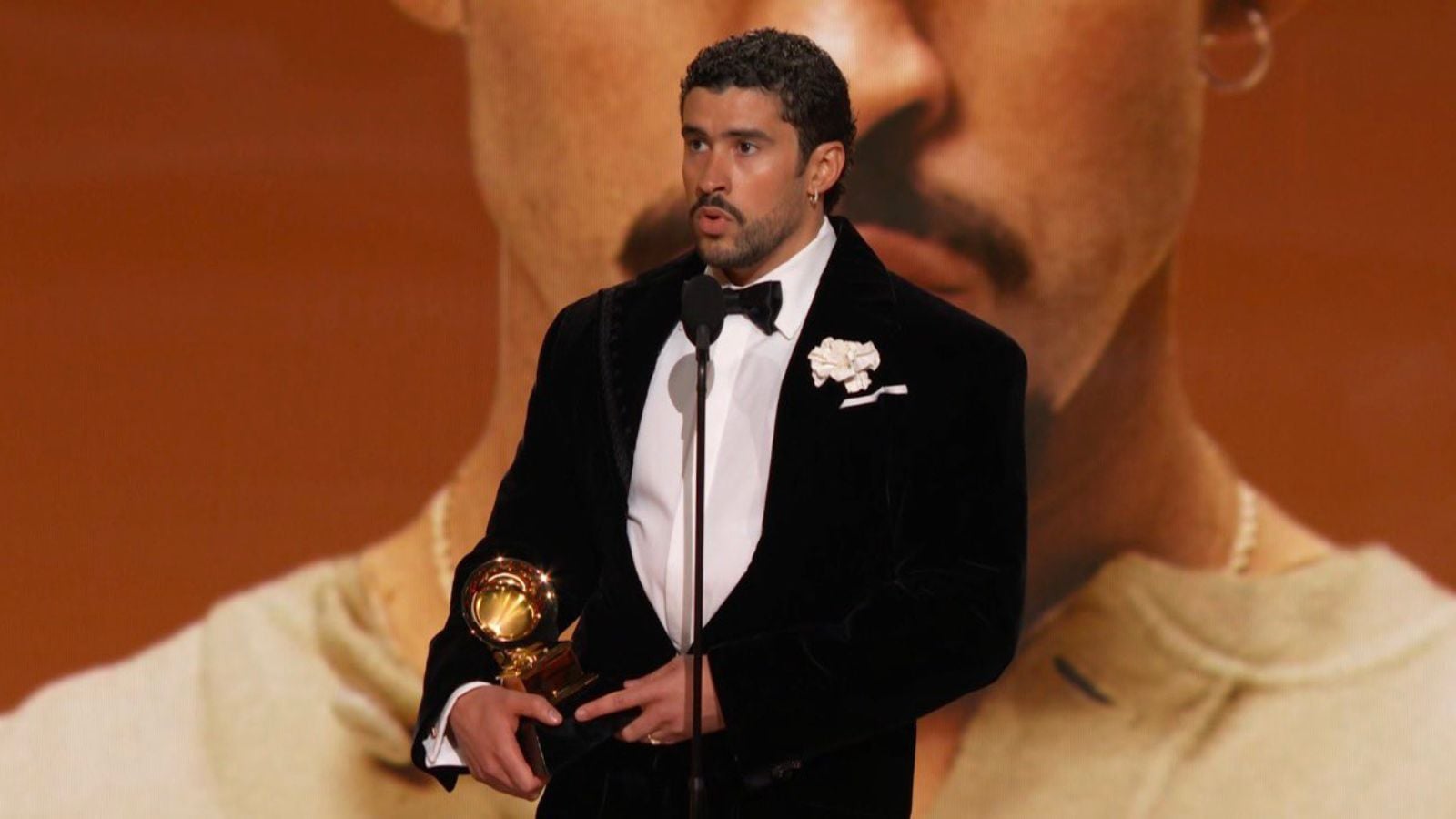
Before he thanked God. Before he thanked his family. Before he thanked anyone.
Bad Bunny said two words:
“ICE out.”
The room erupted.
On Sunday night, the Puerto Rican superstar won Album of the Year at the 2026 Grammys for Debí Tirar Más Fotos—becoming the first artist in Grammy history to win the award for a Spanish-language album.
It was a historic moment. It was also a political one.
Bad Bunny after winning #GRAMMYs AOTY: “Puerto Rico, believe me when I say that we’re much bigger than 100×35 (their dimensions) & there is nothing that we can’t achieve. Thank you God, the academy and to those who believed in me throughout my career.” pic.twitter.com/OfPmsXsLFh
— Roberto Rojas (@RobertoRojas97) February 2, 2026
And it came seven days before Bad Bunny is set to headline the Super Bowl halftime show—the most watched musical stage in the world.
The same stage that Donald Trump once called “absolutely ridiculous” for him to be on.
We Are Humans. And We Are Americans.

During an earlier acceptance speech, Bad Bunny didn’t ease into his message. “Before I say thanks to God, I’m going to say ICE out,” he said.
Then he went further.
“We’re not savage. We’re not animals. We’re not aliens. We are humans, and we are Americans.”
When he returned to the stage to accept Album of the Year, the dedication was just as pointed:
“This award is for all the people who had to leave their homeland, their country, to follow their dreams.”
It wasn’t subtle. It wasn’t accidental. And it landed at a moment when immigration dominates American politics.
Trump Called His Super Bowl Slot “Absolutely Ridiculous”
When the NFL announced Bad Bunny as the halftime headliner back in September, Donald Trump didn’t mince words.
“I never heard of him,” Trump said. “I don’t know who he is.”
He called the choice “absolutely ridiculous.”
Conservative media figures piled on. One mocked him as “the Bad Bunny rabbit or whatever his name is.” Another labeled him “a Puerto Rican Trump-hating rapper.” A third went further, sneering that the NFL chose “a cross-dresser who doesn’t speak English.”
That last part was meant as an insult.
Bad Bunny would probably call it a résumé.
He’s Never Sung in English — and He Doesn’t Care
Bad Bunny has built the biggest music career on the planet without catering to English-speaking America.
When asked whether he worries that non-Spanish speakers miss the nuance of his lyrics, his response was blunt:
“I don’t care.”
That refusal to translate himself—linguistically or culturally—has defined his rise.
From Puerto Rico to Global Stardom
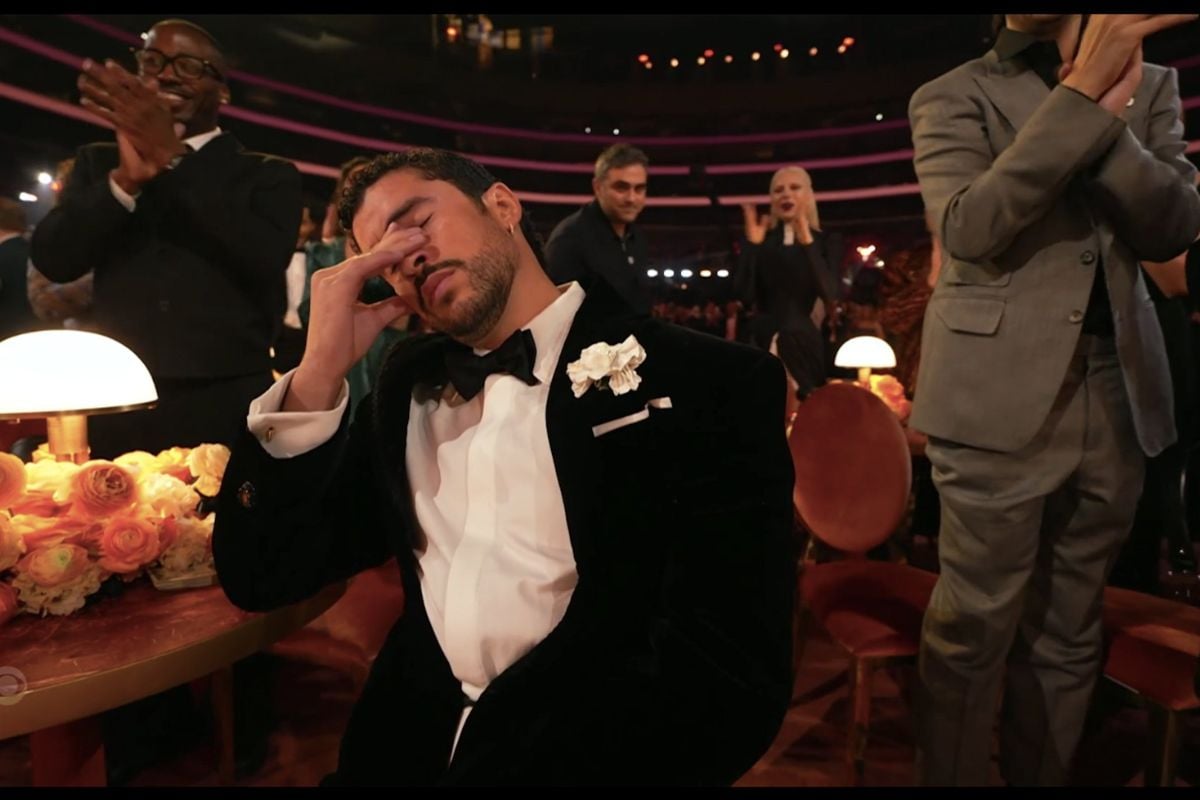
Born Benito Ocasio in Puerto Rico, Bad Bunny broke through in the mid-2010s via SoundCloud and YouTube, sidestepping the traditional radio pipeline that long controlled Latin music’s global reach.
Streaming changed everything.
Suddenly, hundreds of millions of Spanish-speaking listeners didn’t need American radio’s permission. They could find music in their own language, instantly.
Bad Bunny didn’t just benefit from that shift—he reshaped it.
At a time when reggaeton risked becoming formulaic, he bent the genre with experimental melodies, gender-fluid fashion, painted nails, and a rejection of reggaeton’s old machismo norms. It made him polarizing. It also made him unavoidable.
2019 Changed Everything
By 2019, Bad Bunny was already a global star.
That’s when Puerto Rico needed him.
After leaked messages exposed corruption and contempt from the island’s governor—along with dismissive comments about victims of Hurricane Maria—mass protests erupted.
Bad Bunny was mid-tour in Europe. He canceled his shows, flew home, recorded a protest anthem with Residente and Ile, and joined demonstrators in the streets.
“My people need me,” he said.
The governor resigned.
Bad Bunny never went back to being “just an entertainer.”
Politics, Hidden in Plain Sight
Even when it isn’t obvious, politics run through his music.
His 2019 hit “Yo Perreo Sola” sounded like a club anthem. Many listeners later realized it doubled as a statement about sexual harassment and violence against women.
The message wasn’t shouted. It was embedded.
His latest album does the same thing—more quietly, more personally.
Debí Tirar Más Fotos (“I Should Have Taken More Photos”) is a breakup album. It’s also an album about distance, homesickness, and what it costs to leave Puerto Rico behind while becoming a global icon.
Why He Refused to Tour the U.S.
When it came time to tour the album, Bad Bunny made a choice that stunned parts of the industry.
He performed dozens of shows in Puerto Rico. None in the continental United States.
His reason was simple—and uncomfortable.
He didn’t want his concerts to become targets for immigration enforcement. He didn’t want ICE using gatherings of Latino fans as opportunities to “come and gather folks up.”
The upcoming Super Bowl will be his first public performance on U.S. soil since making that decision.
The Question Isn’t What He’ll Do on Stage
Every second of a Super Bowl halftime show is vetted, choreographed, and approved. Thirteen minutes of spectacle, carefully managed.
But as hosts of The New York Times podcast The Daily noted this week, the real question isn’t what Bad Bunny does on stage.
It’s what he does after.
Music critic Jon Caramanica put it this way:
“Who’s to say he won’t perform 12 or 13 minutes of moderately provocative songs—and the minute that stage gets disassembled, release a statement, a video, an album, something that directly addresses the current moment?”
Bad Bunny Has Never Played It Safe
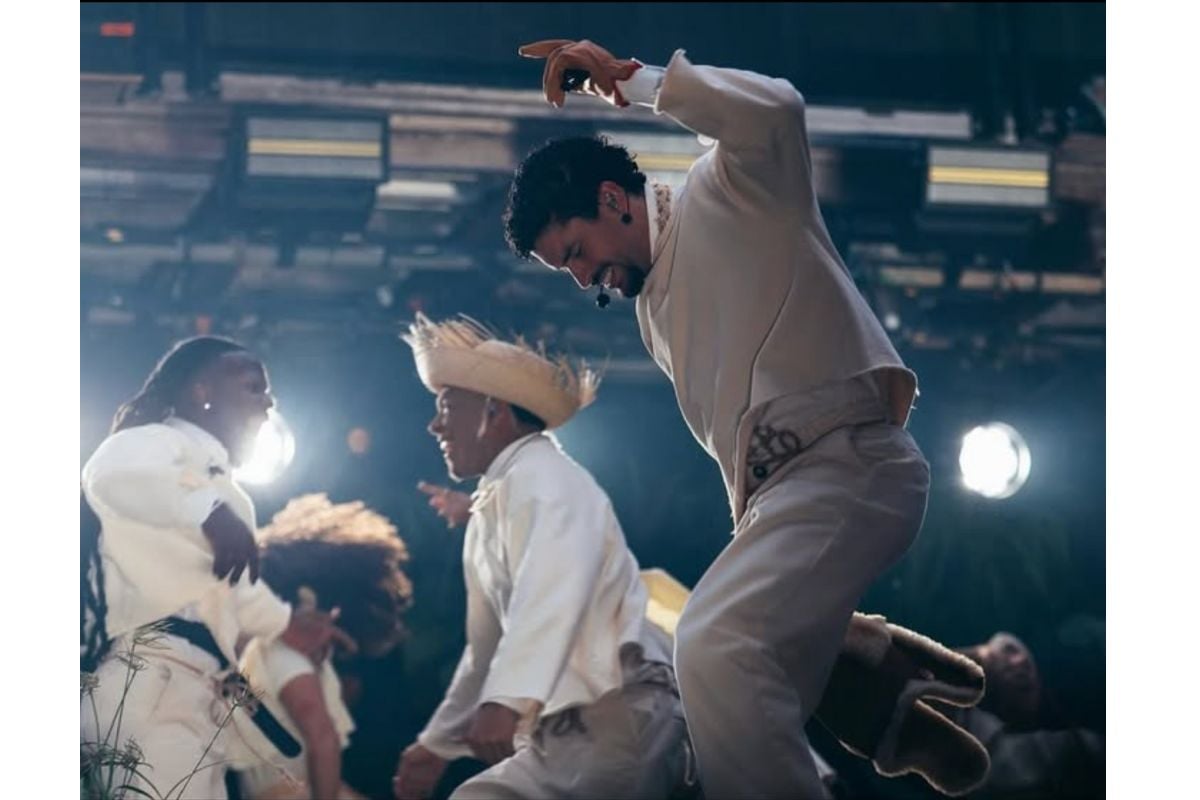
He refuses to sing in English. He refuses to soften his politics. He refuses to perform where he believes his fans may not be safe.
Now, at a moment when immigration is the most explosive issue in American politics, the NFL didn’t pick a neutral artist.
It picked Bad Bunny.
One week after he stood on the Grammys stage and reminded the world that immigrants are “humans” and “Americans.”
Whether the NFL intended it or not, the most political Super Bowl halftime show in years may already be underway—before a single note is played.
And if Bad Bunny’s career has taught us anything, it’s this:
He won’t do what anyone expects.