Something subtle but telling just happened inside prestige television, and it says a lot about where the industry is right now. And I’m talking about a major streaming drama, a politically charged storyline, and a post-production note that reshaped the tone before viewers ever pressed play. There were no scandal, no leak, just a quiet adjustment with implications that are hard to ignore.
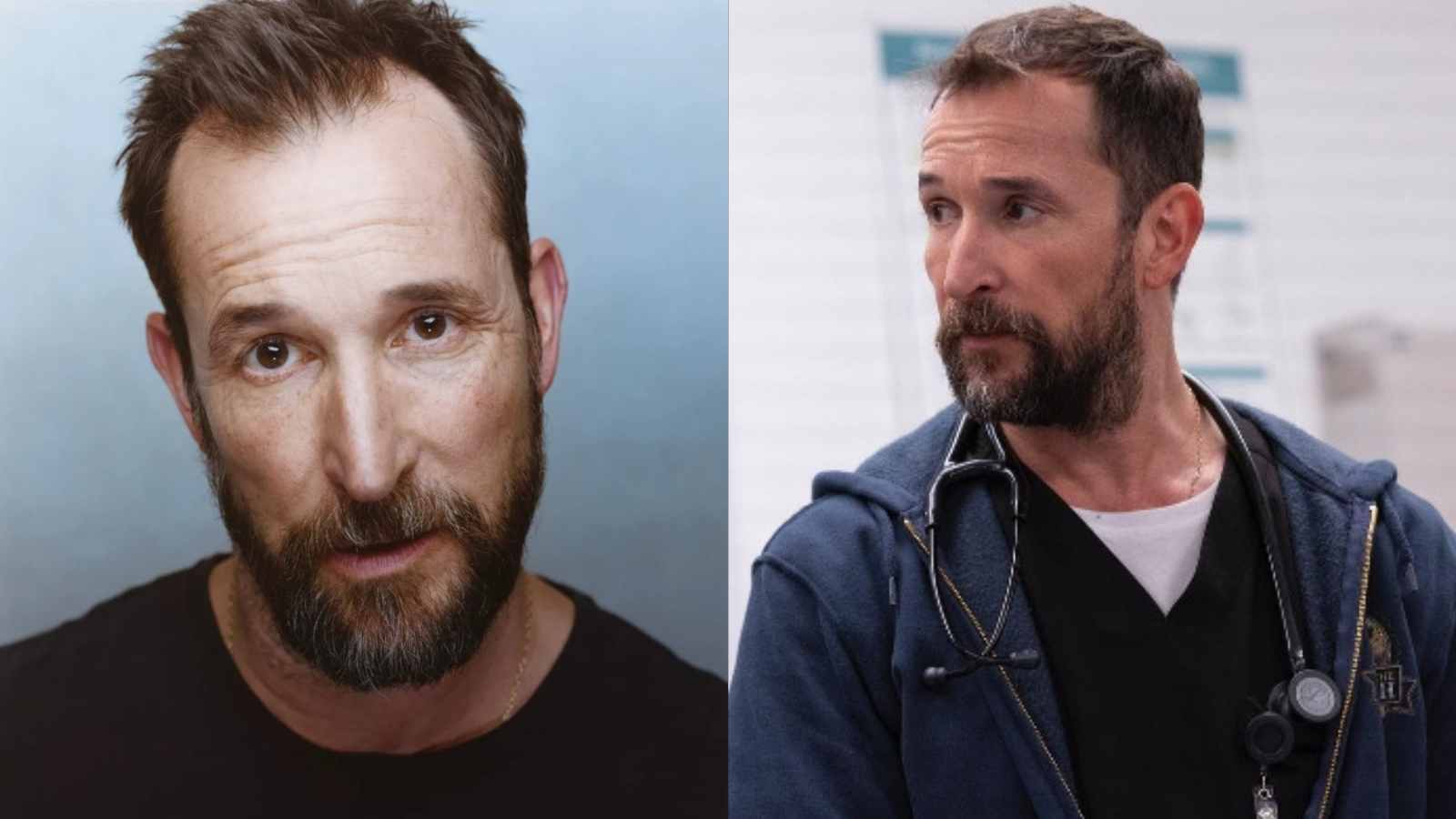
At the center of it is Noah Wyle, a longtime TV fixture and lead of The Pitt, who opened up about his unease after HBO requested changes to a sensitive episode involving immigration enforcement. His comments, given in an interview with Variety, are unusually candid for someone leading a currently airing series.
Here’s the thing. This is not just about one episode. It is about how stories get shaped before they reach us, and who gets to shape them.
What Actually Happened in Episode 11
Let’s be clear about the facts. Season 2, Episode 11 of The Pitt, titled “5:00 P.M.,” premiered in March 2026 on Max, with reports placing the release around March 19.
The episode follows two ICE agents who bring an injured undocumented woman named Pranita, played by Ramona DuBarry, into Pittsburgh Trauma Medical Center after a raid. What unfolds is chaos. Patients panic. Staff scramble. The hospital, usually framed as a neutral space, suddenly feels like contested ground.
Wyle’s character, Dr. Robby, steps into the tension. He challenges the agents, pushes back on their interference with medical care, and tries to protect both his patient and his staff. At one point, the situation escalates to the point that Nurse Jesse, played by Ned Brower, is detained after attempting to continue treatment.
The tone is tense, grounded, and deliberately uncomfortable. Even in its final form, the episode does not shy away from showing fear and disruption inside the ER. But according to Wyle, what aired was not exactly what had been imagined first.
The Quiet Note That Changed Everything
Behind the scenes, John Wells, the show’s executive producer, received a request from HBO asking a more “balanced” portrayal of the ICE agents.
What makes this interesting is the timing. The episode had already been filmed in December 2025. The feedback came later, during post-production, meaning the story was adjusted after performances were already locked.
Wyle was not in those meetings, but he felt the ripple effect. In his own words, the negotiation was driven by “political reasons, creative reasons, fear, uncertainty, all sorts of legitimate reasons.” He added, “I’ll be honest and say that I was concerned about the edits we were making initially.”
That tension is familiar. Creative intent meets corporate caution. And somewhere in between, the story shifts shape.
To stay precise, there is no verified reporting describing the final version using anonymous insider language. The characterization of the episode as more restrained or refined comes directly from Wyle’s own reflection after seeing the finished cut.
View this post on Instagram
Wyle’s Honesty Is the Real Story
Actors do press all the time. What they rarely do is openly admit discomfort with network decisions. That is what makes this moment stand out.
Wyle did not just promote the episode. He unpacked the process behind it. He acknowledged his initial concern, then explained how his perspective changed after watching the final version.
He said the episode ultimately felt “more elegant and a little bit more restrained,” with greater ambiguity than originally planned. Then came the line that captures the entire approach: ” Show the bear, do not poke the bear.”
That is not just a phrase. It is a strategy. One that leans into suggestion rather than confrontation.
There is also a timing element worth noting. Wyle explained that real-world context shifted after filming, meaning some of what the show initially emphasized had already become part of public awareness. In that sense, the softer approach was not just a compromise, but something he came to see as effective within a changing cultural moment.
Why This Feels Like a Bigger Pattern
A major network requests balance on a politically sensitive storyline. A show adjusts. The final product lands somewhere between original intent and institutional caution.
This is not an isolated case. It reflects a broader industry trend in which platforms like HBO, operating under Warner Bros. Discovery, are navigating a mix of audience expectations, political sensitivity, and brand management.
What makes this tricky is that “balance” is not a fixed idea. For some, it signals fairness. For others, it suggests dilution. So the real question becomes. Who defines balance in a story like this? The writers? The network? The audience?
And what gets lost when that balance is negotiated after the fact?
The Episode Still Hits Hard
Even with the adjustments, the episode does not play it safe. The ICE agents are shown restricting the patient’s communication, physically handling her while injured, and asserting control inside a medical setting. The fear among patients and staff is clear.
At the same time, the portrayal avoids becoming one-dimensional. That nuance likely reflects the network’s request for balance, even if interpretations vary.
Critics and viewers have already split. Some argue the episode remains too harsh in its depiction. Others believe it pulls back from a stronger original stance. That contradiction is the point. The ambiguity Wyle described is now part of how the episode is experienced.
What We Still Do Not Know
For all the discussion, there are still gaps. No deleted scenes have been released. No script comparisons have surfaced. There is no confirmed data on how much footage, if any, was removed or altered in measurable terms.
There is also no verified information on the scale of any backlash or boycott tied specifically to this episode.
And then there are smaller unresolved questions. The exact origin of the balance note within HBO or Warner Bros. Discovery has not been publicly detailed. References to individuals like Daniel Hampton remain unverified in available reporting and cannot be substantiated.
So what we have is a partial picture. Enough to understand the shift, but not enough to fully map it.
The Cultural Tightrope of Modern TV
Here’s the bigger picture: Television used to thrive on bold swings. Now it often operates within tighter margins. Not because creators lack ambition, but because the environment around them has changed.
Studios are global brands. Audiences are fragmented and vocal. Every storyline exists within a wider political and cultural context, whether it intends to or not.
View this post on Instagram
What makes this moment compelling is not just that The Pitt adjusted its tone. It is that Wyle chose to talk about it with unusual clarity. That openness pulls back the curtain just enough for viewers to see how decisions are made behind the scenes.
And once you see that process, it becomes part of how you watch.
Why This Moment Sticks
At the end of the day, this is not just about ICE, or one episode, or even one show. It is about the quiet negotiations that shape what reaches the screen. The conversations that happen before audiences ever get involved, and the balance between saying something and saying just enough.
Wyle’s comments give that process a human dimension. There is concern, then acceptance, then reflection. A full arc that mirrors the complexity of storytelling in the current moment.
And that is what lingers. Not just what changed, but the fact that it changed at all. And in a media landscape where every detail can carry weight, even a quiet adjustment can say a lot about how stories are told now.