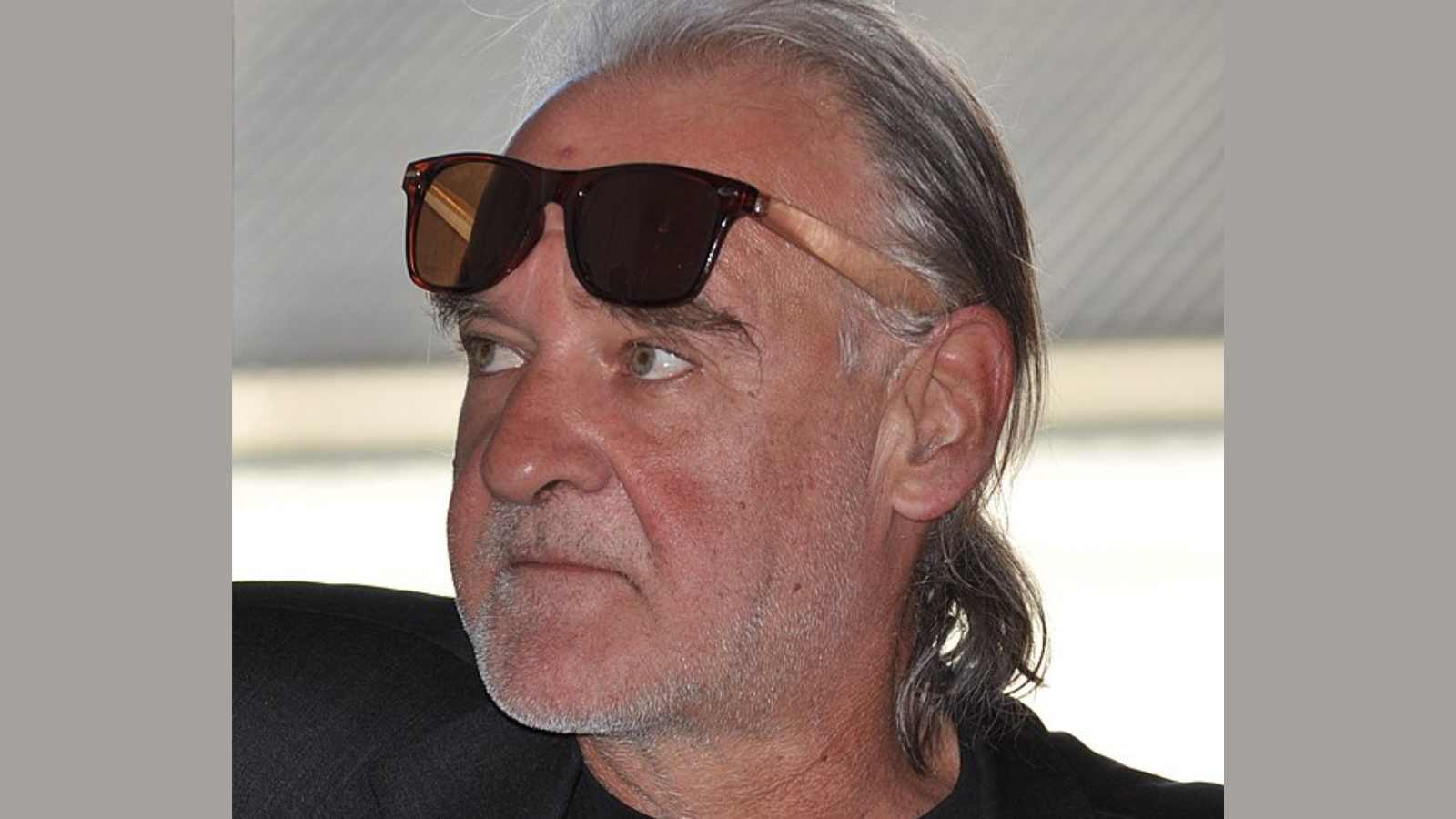
For decades, Béla Tarr asked audiences to do something almost radical. He asked them to slow down.
On January 6, 2026, the Hungarian filmmaker whose work redefined patience in cinema died at age 70. His death followed a long illness, though specific medical details were not publicly disclosed by his family.
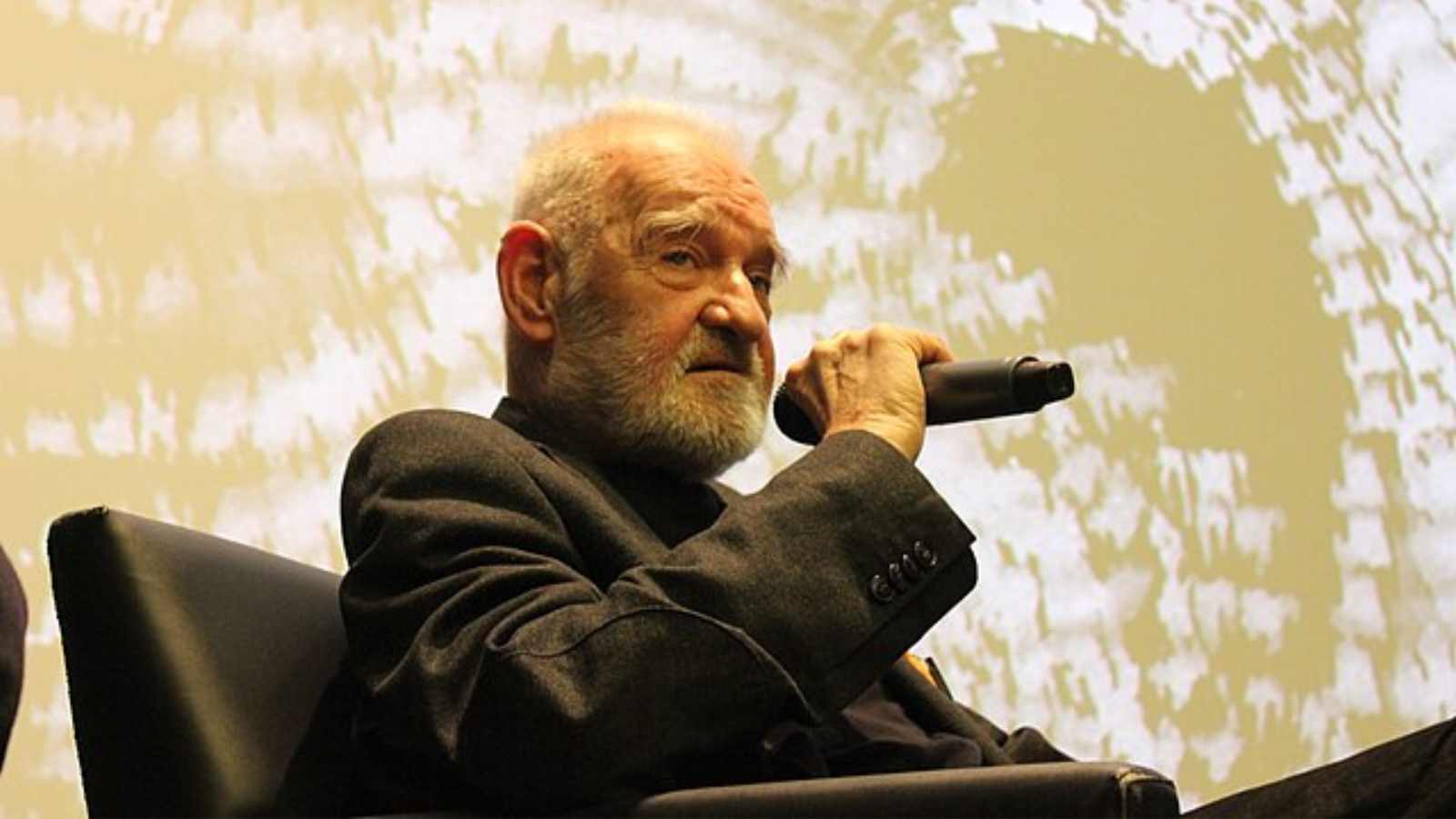
If you are not deeply immersed in arthouse cinema, Tarr’s name might not immediately register. But for filmmakers, critics, and serious movie lovers, his passing marks the loss of one of cinema’s most uncompromising voices. He was a director who refused shortcuts, rejected commercial expectations, and built films that unfolded at the speed of real life. Sometimes slower.
His movies did not rush to entertain. They lingered. They circled. They waited. And in doing so, they changed how an entire generation thought about what film could be.
Béla Tarr was born on July 21, 1955, in Pécs, Hungary. He began making films as a teenager, initially drawn to socially realistic stories about working-class life under Hungary’s socialist system. His early films, including Family Nest from 1979, were raw, handheld, and politically charged, focusing on housing shortages, economic pressure, and strained relationships.
But it was what came later that cemented his legend.
By the late 1980s and early 1990s, Tarr’s style had transformed completely. Color drained from his films. Dialogue became sparse. Shots stretched longer and longer. The camera drifted rather than cut. Rain, wind, mud, and silence became recurring characters.
Then came Sátántangó.
Released in 1994 and running more than seven hours, Sátántangó was based on a novel by Hungarian writer László Krasznahorkai, with whom Tarr would collaborate repeatedly. The film follows the unraveling of a rural village after the collapse of a collective farm, structured like a slow, circling dance. The title itself refers to a tango, stepping forward and back, never quite escaping the rhythm.
To some viewers, the film was punishing. To others, it was revelatory. Today, it is widely regarded as one of the most important films ever made and a defining work of what critics later labeled slow cinema.
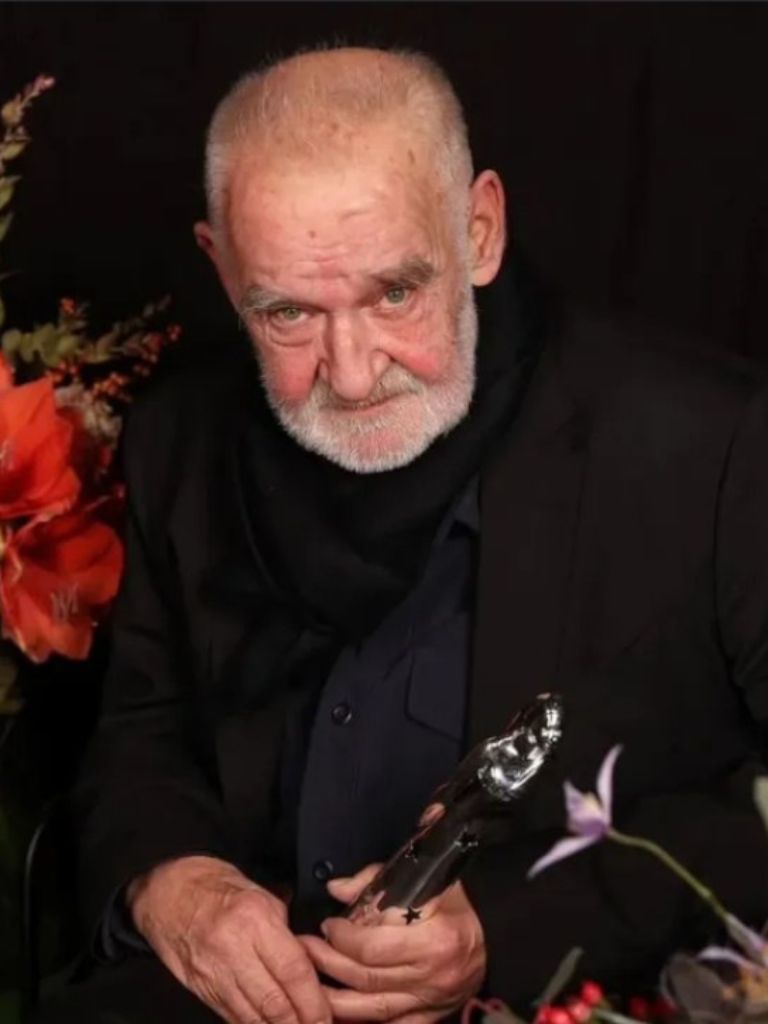
Tarr never loved labels, but slow cinema stuck. His films rejected conventional storytelling and demanded total attention. There were no quick payoffs. No tidy endings. Watching a Béla Tarr film was less like consuming a story and more like entering a state of mind.
That approach reached perhaps its most haunting expression in Werckmeister Harmonies (2000). The film opens with an extended scene inside a bar, where drunken townspeople reenact the movement of celestial bodies. It sets the tone for a story about chaos, fear, and the fragility of social order. The imagery, shot in stark black-and-white, has become iconic in film history.
Tarr’s final feature, The Turin Horse, arrived in 2011 and won the Silver Bear Grand Jury Prize at the Berlin International Film Festival. Inspired by a story about philosopher Friedrich Nietzsche witnessing a horse being beaten, the film strips life down to repetition and exhaustion. A father and daughter eat the same meal. Dress the same way. Face relentless wind. Over and over.
After its release, Tarr announced he was done making narrative films. He meant it.
Currently, the world is dominated by short attention spans, streaming algorithms, and movies designed to be watched while scrolling on a phone, so Tarr’s work feels almost defiant. He believed cinema should be watched with full presence. No multitasking. No distractions.
That philosophy did not fade when he stepped away from directing. Instead, Tarr shifted his focus to teaching and mentorship. He helped establish a film school in Sarajevo, where he worked closely with young filmmakers from around the world, encouraging them to find their own voice rather than imitate his.
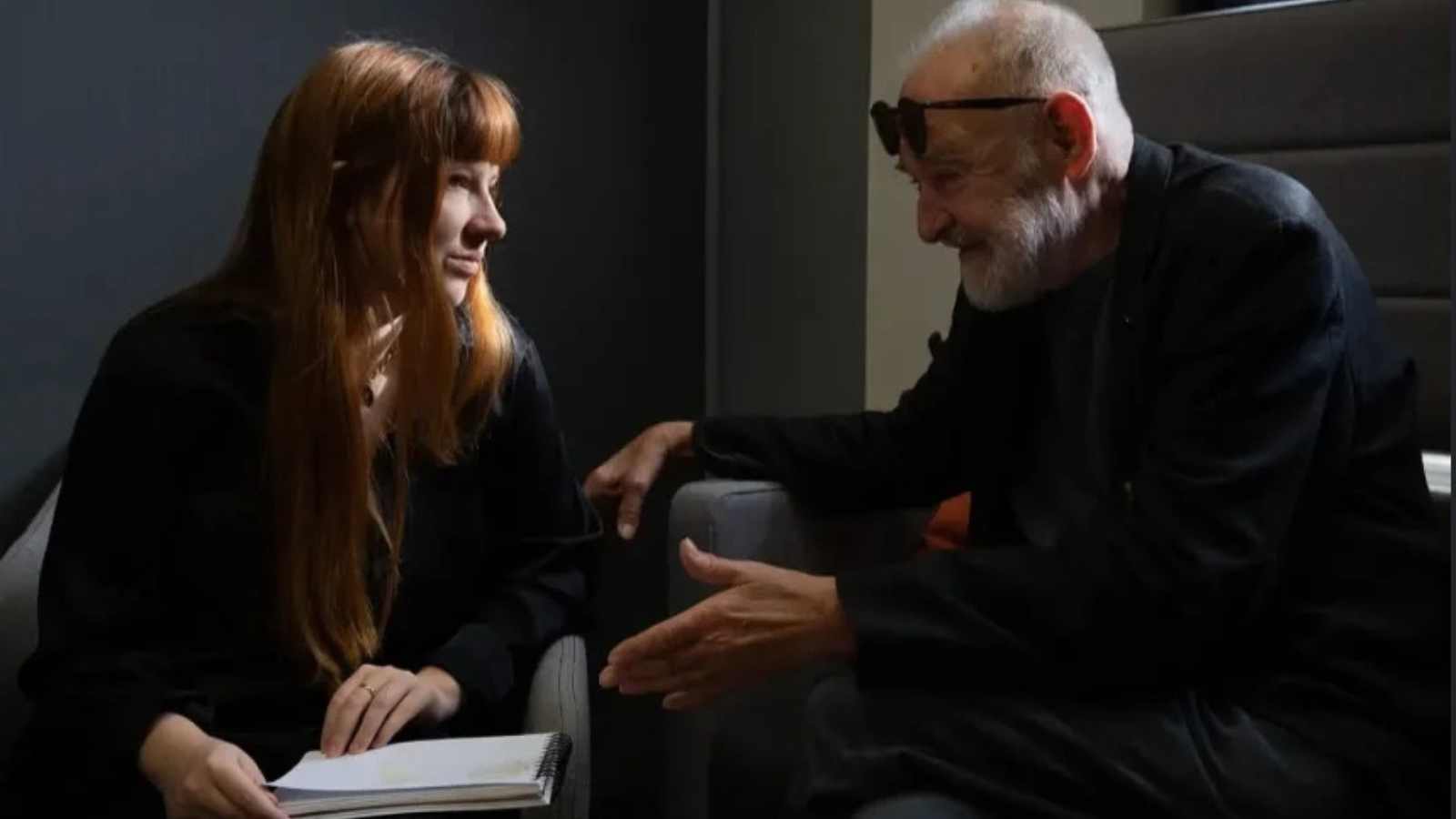
He also continued collaborating creatively with longtime editor and partner Ágnes Hranitzky, who played an important role in shaping the rhythm and structure of his films. Many critics have emphasized that Tarr’s signature style was inseparable from their collaboration.
Tributes poured in following news of his death. Directors, critics, and film institutions worldwide praised him as an artist who expanded cinema’s emotional and philosophical range. While his films were often described as bleak, those who loved them argued the opposite. They saw compassion in his unflinching gaze and humanity in his refusal to look away from suffering.
Béla Tarr never chased popularity. He once said that movies should not comfort audiences but confront them. That belief shaped every frame he ever made.
And yet, his influence quietly spread. Filmmakers from around the globe cite him as a key inspiration. Film festivals still screen his work to packed theaters. Young directors continue to discover Sátántangó and emerge changed, slightly dazed, and deeply affected.
Tarr is survived by Ágnes Hranitzky and leaves behind nine feature films that remain essential viewing for anyone who wants to understand the full emotional range of cinema.
Béla Tarr did not make movies for everyone. He never tried to. But for those willing to slow down, sit still, and truly watch, he offered something rare. A reminder that time itself can be art.