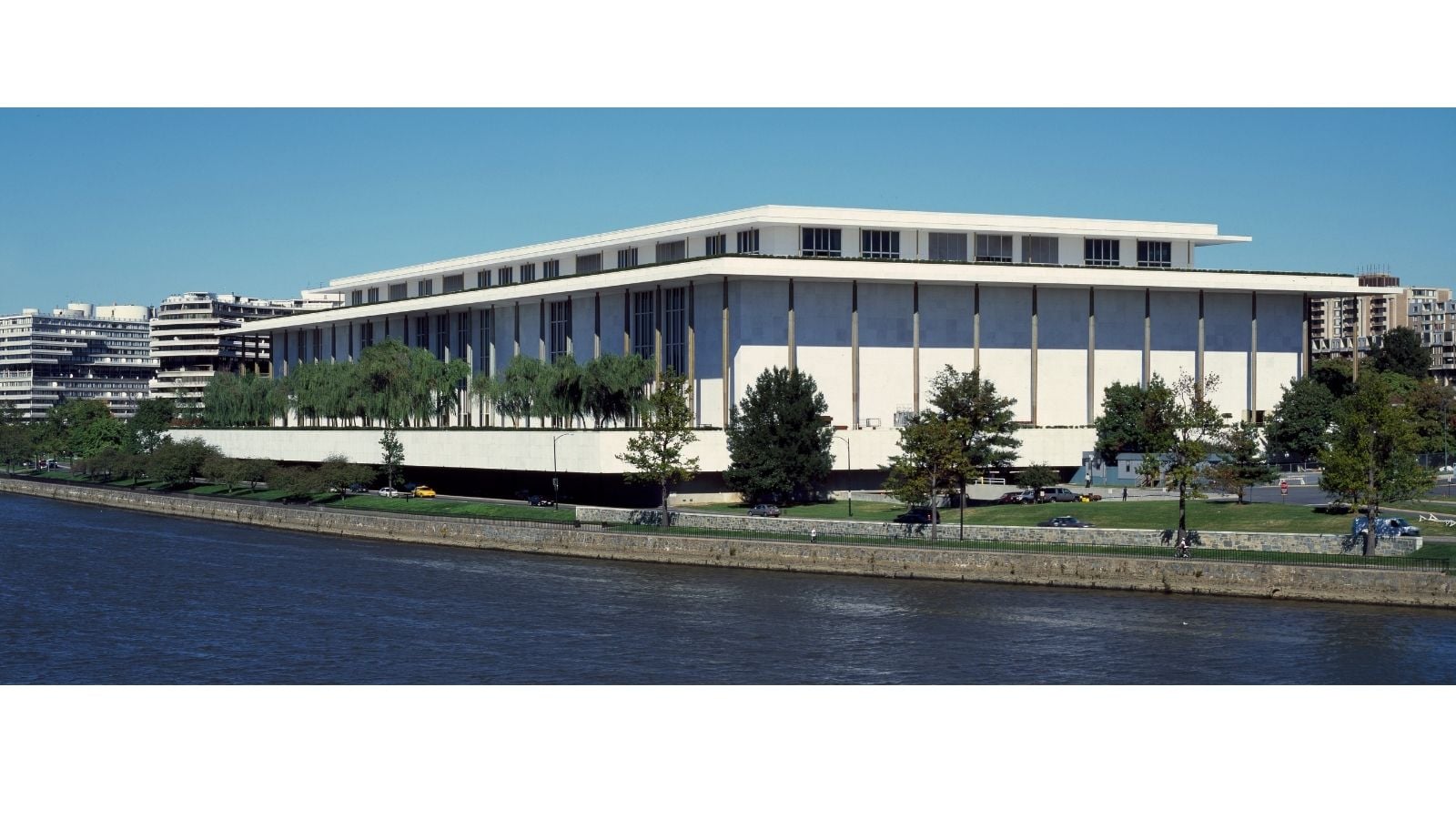
Something big is changing in Washington, D.C. Just for the first time in more than 20 years, the beloved MLK Day concert that fans from all over have come to expect at the Kennedy Center will be held somewhere else. And the reasons behind the move are getting everyone talking.
This annual celebration, known as Let Freedom Ring, has been a staple of Martin Luther King Jr. Day in the capital for 23 years.
It’s a musical tribute that brings together famous artists, choirs from local churches, and college students, and an audience ready to celebrate the life and legacy of Dr. King through song, spoken word, and emotion.
Now, organizers say the event will take place at the historic Howard Theatre instead of the Kennedy Center. That shift has left fans wondering what it all means and why such a long‑running tradition is relocating in 2026. Read on for the full story.
A Celebration With a Legendary History
For more than two decades, Let Freedom Ring has been one of the most anticipated events of the year in the D.C. arts scene, featuring performances from music legends and local talent alike.
In past years, icons like Aretha Franklin, Gladys Knight, and Chaka Khan have graced the Kennedy Center’s stage during the event, accompanied by choirs representing the city’s rich musical and spiritual traditions.
The concert is produced by Georgetown University and is free to the public, drawing crowds who come to honor Dr. King’s legacy through song and community.
Over the years, the event has become more than entertainment. It has become a reminder of hope, unity, and the ongoing fight for justice.
This year’s headliner is actor and rapper Common, who has a strong track record of blending music with messages about identity, community, and social change.
But the new venue has shifted the tone of how people are talking about the concert.
Why the Move? The Official Story and the Bigger Picture
So why is the concert leaving its longtime home? According to organizers, the relocation is partly about saving money.
Georgetown University announced the move to the Howard Theatre as a way to manage costs while still honoring Dr. King’s legacy in a meaningful way.
But there’s more to the story that many people have noticed.
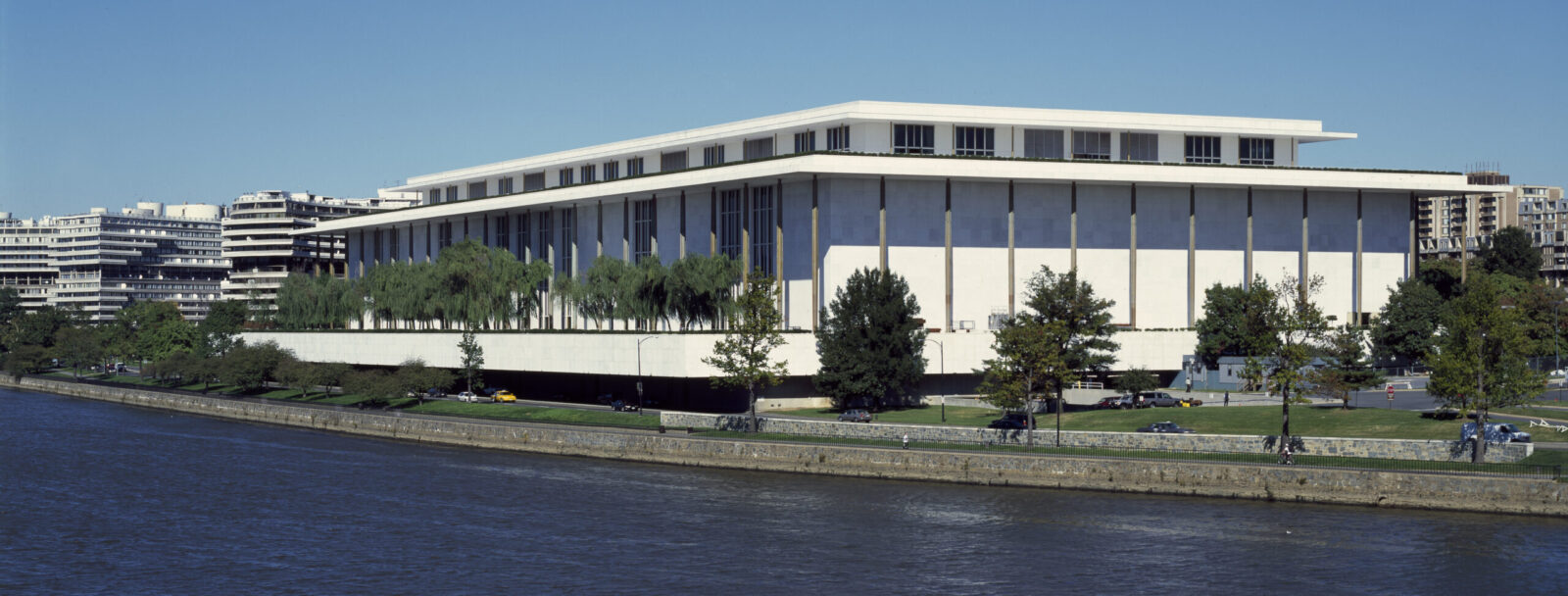
Carol M. Highsmith via Wikimedia Commons
In recent years, the Kennedy Center has gone through major changes, including leadership shakeups and programming shifts that have upset some artists and cultural figures. One former Kennedy Center artistic director, Marc Bamuthi Joseph, for social impact said it would not make sense to hold the event there this year given the current direction of the institution.
That comment echoed a sentiment from others who feel the celebration of Dr. King’s work should align with the values of justice and equity.
For them, hosting the concert at a different venue feels more in keeping with King’s message at a time when conversations about equity and representation are at the forefront of public life.
Fans and Community Reactions
The reaction from fans and the broader community has been strong. Some people expressed sadness that the concert won’t be at the Kennedy Center this year, calling the traditional venue part of what made the event feel historic.
Social media posts and comment threads are filled with fans reminiscing about past concerts and special moments.
There are also thoughtful voices urging people to look beyond the venue and focus on the message and performances.
Many people pointed out that the spirit of the celebration has nothing to do with a building and everything to do with the people who show up and honor Dr. King’s legacy together.
A New Chapter for a Beloved Tradition
The Let Freedom Ring concert has always been about community, art, and honoring the life of a man whose words and actions changed a nation.
Now, as it moves to a new home, it represents a new chapter in how people come together to remember and reflect.
This change is about more than music and venue names. It is about how communities choose to carry forward Dr. King’s message of justice, unity, and action in the years ahead.
Whether fans miss the Kennedy Center stage or embrace the fresh energy of a new space, one thing is clear. The beat of this celebration still pulses strongly.
It will continue to inspire people to listen, to learn, and to ask big questions about who we are and who we want to be.
What do you think?