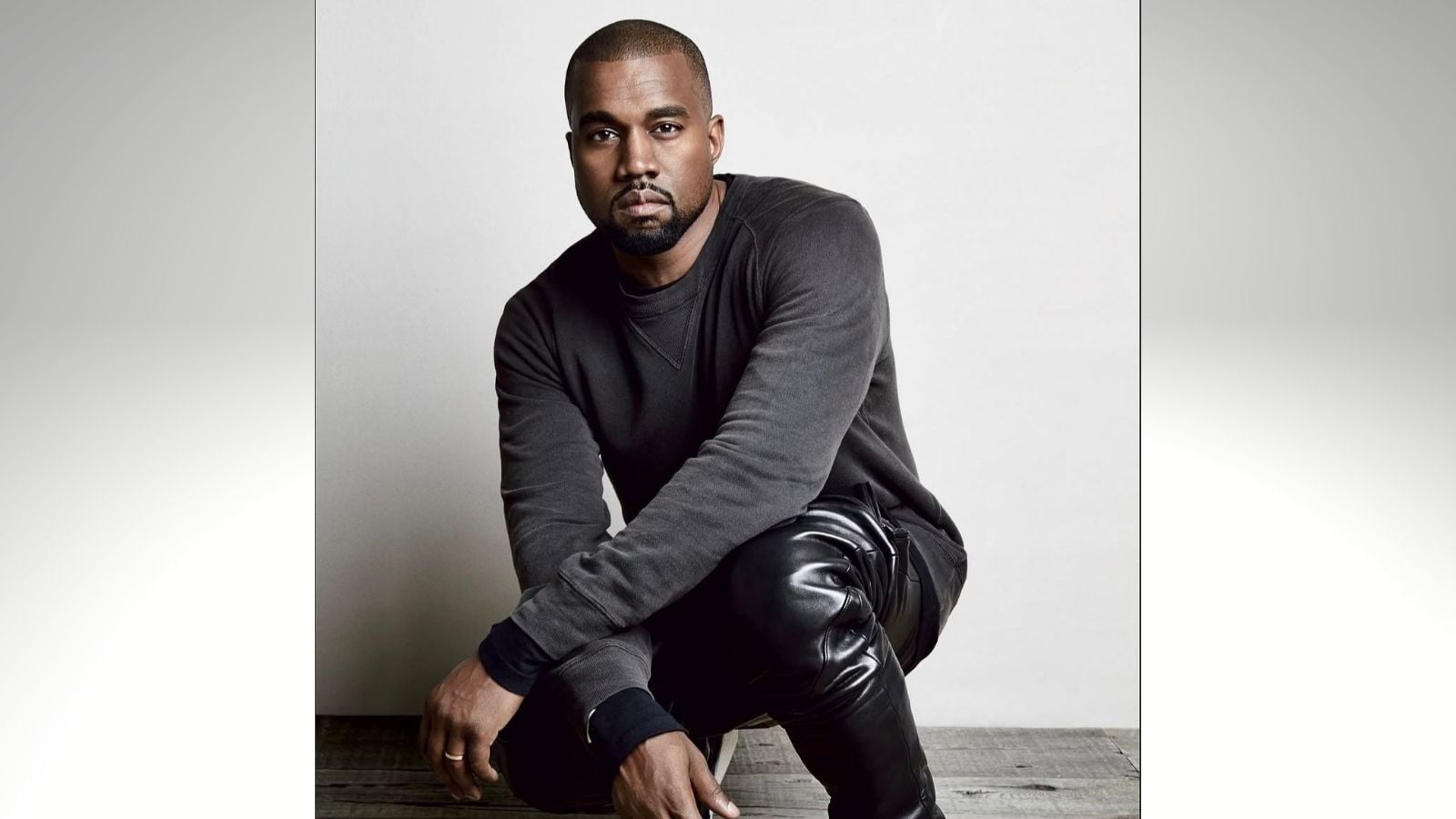
Something unusual is happening around Wireless Festival this year, and you can feel it before you even get to the lineup. Budweiser and BeatBox, both under Anheuser-Busch InBev, have confirmed they are out of the 2026 edition, right after Ye, Formerly Known as Kanye West, was announced as the headliner for all three nights at Finsbury Park in London.
Their exit adds to earlier withdrawals by PepsiCo, Diageo, and PayPal, all of which occurred shortly after the lineup was revealed. Representatives confirmed their decisions in separate statements, though most stopped short of explicitly naming the headliner as the reason. Still, the sequence has been consistent enough that industry observers are reading it as a coordinated shift in brand positioning rather than a series of isolated choices.
For a festival that typically blends music with heavy corporate presence, the absence of these names is already changing how this year’s edition is being discussed.
Diageo and the Shifting Sponsorship Landscape
Diageo was among the first to signal discomfort, confirming it had raised concerns with organizers before stepping back from the 2026 event. The company did not outline those concerns in detail, but the statement made it clear that discussions had taken place before the final decision. That alone suggests this was not a sudden reaction, but something considered over a short window following the lineup announcement.
What makes this notable is how quickly other brands followed. PepsiCo, long associated with the festival’s identity, had already confirmed it was ending its sponsorship. PayPal also withdrew. By the time Anheuser-Busch InBev stepped away, the pattern was difficult to ignore. The result is a version of Wireless that looks different from its recent past.
The logos that usually dominate both physical spaces and digital promotions are thinning out. It is less about one brand leaving and more about how many chose to leave at the same time.
The Starmer Factor and the London Market
The conversation shifted again when Keir Starmer publicly described the booking as “deeply concerning.” That comment, brief as it was, placed the festival into a wider national discussion. It is not typical for a political leader to weigh in on a music lineup, and that alone changed the tone of coverage. Once that statement entered the cycle, sponsorship decisions began to carry a different kind of visibility. Brands were no longer just aligning with a festival.
They were also being seen in relation to a public debate that extended beyond entertainment. Advocacy groups and some lawmakers in the United Kingdom have also called on organizers to reconsider the booking. Those calls have not led to any change in the lineup, but they have added to the environment in which companies are making decisions about participation.
The Thirty-Three Million Dollar Paradox
While sponsors have stepped back, audience demand has not shown the same hesitation. According to reporting by Bloomberg, Ye’s recent shows in Los Angeles generated about $33 million in ticket sales. That figure has become part of the broader conversation, not as a defense or critique, but as a data point that complicates the picture.
It highlights a gap that is becoming harder to ignore. On one hand, companies are assessing public alignment and reputational considerations. On the other hand, there is a paying audience that continues to show up in large numbers. And Wireless sits right in the middle of that contrast.
The festival still expects a significant turnout, consistent with its history of drawing large crowds. The difference this year is not demand, but who is standing alongside the stage while that demand plays out.
A Potential Shift in the Festival Model
With several major sponsors having dropped out, Live Nation has confirmed the event will proceed as planned. The performance schedule remains unchanged, and the headlining slot is still intact. That decision keeps the focus on delivery rather than adjustment.
What changes is the financial balance behind the scenes. Festivals of this scale have traditionally relied on sponsorship as a key revenue layer. Without some of those partnerships, there is likely to be greater emphasis on ticketing, merchandise, and on-site spending.
This does not automatically redefine how festivals operate, but it does highlight the model’s flexibility. If an event of this size moves forward successfully with fewer corporate partners, it may influence how similar situations are handled in the future.
The Fans, the Critics, and the Digital Shrug
If you think the corporate boardrooms are tense, you should see the group chats. While the suits are busy scrubbing logos, the internet has split into two very loud, very different camps. On one side, you have the ‘Separating the Art from the Artist’ crew, mostly found on Reddit and X, pointing to that $33 million L.A. box office as proof that Ye is still the ultimate “buy.”
For them, this isn’t a controversy; it’s a three-night residency for a legend they’ve forgiven roughly a dozen times already. They’re betting that a “journey through his iconic records” is worth the social media heat.
But then there’s the “Read the Room” crowd. Critics like The Guardian’s Dan Hancox aren’t buying the “artistic second chance” narrative, arguing that the festival is simply “profiteering from notoriety.” Even David Schwimmer has weighed in, applauding the exiting sponsors for having “moral clarity” and questioning if a PR apology in a newspaper really earns a pass for years of hate speech.
Between the fans ready to scream every lyric and the activists calling for a total entry ban, the vibes are officially complicated. It’s a classic case of an artist who is too big to fail but, for many, too toxic to touch.
The Sound of Corporate Silence
As Finsbury Park prepares for July, the visual difference is already clear. There are fewer sponsor names, less branding clutter, and more attention on the line-up itself. It is a quieter kind of change, but a noticeable one.
The current situation does not offer easy conclusions, and it does not need to. We are witnessing a real-time experiment in whether a festival can thrive by stripping back to its most basic elements: the performer and the crowd. If Wireless 2026 succeeds as a “fan-funded” powerhouse despite the high-profile sponsor blackout, it may provide a new blueprint for the future of live entertainment.
Ultimately, it offers a close look at how the industry responds when public conversation, politics, and raw commercial demand all collide at the same high-stakes point. This July, the silence of the missing logos might be just as loud as the music itself.