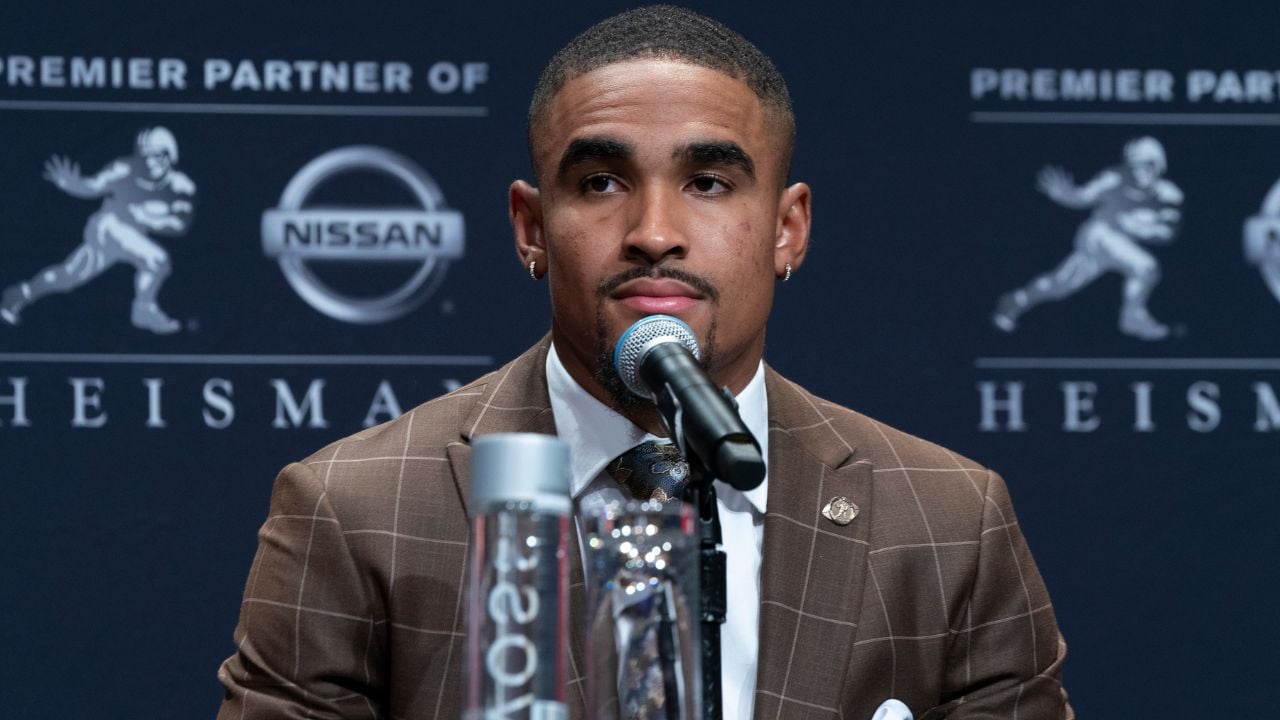
Jalen Hurts could suffer serious bleeding from a tackle while taking blood thinners, Dr. David Abbasi warned during an October 20 appearance on TMZ’s In The Know.
The Philadelphia Eagles quarterback, 28, has deep vein thrombosis and bilateral pulmonary emboli, or blood clots in both lungs. The diagnosis was announced October 19.
In a joint statement, the Eagles and his agent, Nicole Lynn, described him as clinically stable, without significant functional limitations. They expect him to recover fully.
Hurts is expected to miss the rest of the 2026 season, according to an Associated Press report citing a person familiar with the situation.
Why Blood Thinners Make Head Injuries Especially Dangerous
Anticoagulants reduce the blood’s ability to form clots. That helps prevent existing clots from growing and new ones from developing, but it also makes bleeding after an injury harder to control.
Dr. Jonathan Paul, director of UChicago Medicine’s Pulmonary Embolism Response Team, identified head injuries as a particular concern because bleeding inside the brain can have catastrophic consequences.
Paul, who has not treated Hurts, told PEOPLE that trauma involving the abdomen or limbs could also cause internal bleeding. His comments describe the risks associated with the medication; no bleeding complication has been announced in Hurts’ case.
Treatment Could Last Months, With No Return Date Announced
Abbasi estimated that Hurts could be sidelined for three to six months, depending on his treatment and recovery.
Under American Society of Hematology guidelines, decisions about continuing anticoagulation after the initial treatment course depend partly on whether a clot was associated with a temporary trigger, an ongoing risk factor or no identifiable cause.
The Eagles and Lynn have ruled out contact activities during treatment. They anticipate that Hurts will have the opportunity to resume contact football after discontinuing blood thinners, but have not announced a date for his return.
What Happened Before and After the London Game
According to the Eagles’ medical timeline, Hurts first sought treatment for his calf on October 8. He told staff that an opponent’s cleat had struck his left calf during the October 4 game against the Los Angeles Rams.
An ultrasound in London on October 10 found a superficial clot. The team’s medical staff and London physicians reviewed the results and concluded he could safely play, with activity and mobility considered important.
He faced the Jacksonville Jaguars on October 11 and returned to Philadelphia. A repeat ultrasound on October 14 showed movement in the clot, prompting further evaluation.
Abbasi identified the calf injury and prolonged sitting during transatlantic travel as possible contributors. Those explanations remain unconfirmed; the Eagles have not announced a definitive cause.
NFLPA Calls for an Investigation Into Hurts’ Care
— NFLPA (@NFLPA) October 21, 2026
The NFL Players Association said October 20 that the league had told it no review was planned. The union called for a full investigation before conclusions were drawn, emphasizing the need to establish the facts and protect players.
NFL chief medical officer Dr. Allen Sills defended the Eagles’ staff. He said a worsening outcome did not necessarily establish that earlier medical decisions had been improper.
“We welcome that,” Commissioner Roger Goodell said October 21, according to Reuters, while maintaining that medical protocols had been followed.
The NFL has not announced disciplinary action against Philadelphia.
Hurts Can Continue Conditioning and Help His Teammates
The Eagles and Lynn said Hurts can remain around the team and continue conditioning while receiving treatment.
Head coach Nick Sirianni has deferred medical questions to physicians but offered a personal response to his quarterback’s absence: “I miss him,” he said, according to NFL.com.
Wide receiver Britain Covey had said on October 15 that Hurts was discussing offensive adjustments with teammates and looking for ways to get the unit going.