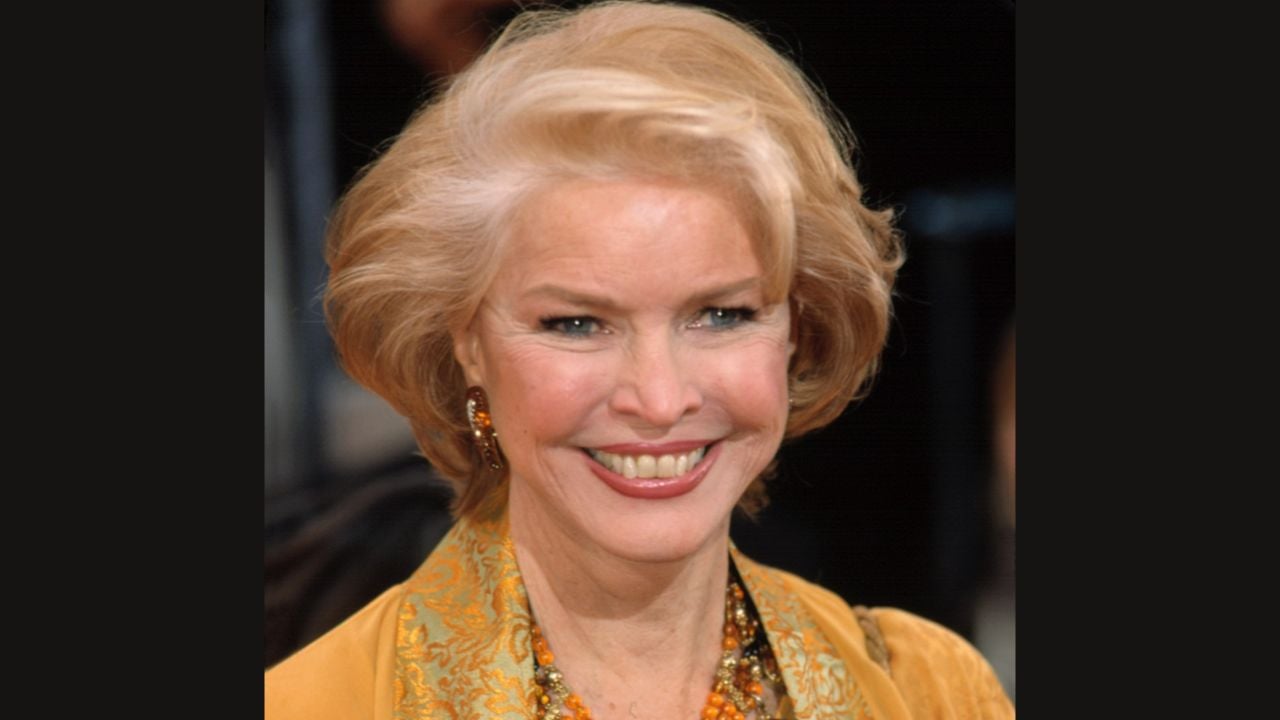
Ellen Burstyn turned down the role that won Cloris Leachman an Oscar in The Last Picture Show for a personal reason. She was going through a difficult divorce and did not want to spend her working days playing a woman trapped in an unhappy marriage.
The actress, 93, revisited the casting decision in a November 8 interview with Entertainment Weekly. Director Peter Bogdanovich wanted her to play Ruth Popper in his 1971 drama, but she had her eye on another character.
Burstyn preferred Lois Farrow, the disillusioned mother of Jacy, played by Cybill Shepherd. Bogdanovich agreed to the change, and Leachman took the part of Ruth.
Both actresses received Best Supporting Actress nominations at the 1972 Oscars. Leachman won, beating a field that also included Ann-Margret, Barbara Harris and Margaret Leighton.
Bogdanovich Told Burstyn She Was Passing Up the Oscar Role
Burstyn’s first meeting with Bogdanovich concerned a third character: Genevieve, the waitress eventually played by Eileen Brennan.
The director identified Ruth as the film’s likely Oscar-winning part. The character begins an affair with Sonny Crawford, a high school student played by Timothy Bottoms, in one of the film’s most emotionally vulnerable storylines.
“I don’t care. That’s not what I wanna play,” Burstyn recalled telling Bogdanovich in a December 2022 interview with the British Film Institute.
Burstyn and Leachman Bonded Away From the Set
Working together in Texas gave the actresses plenty of time to get to know each other. As Burstyn told the BFI, Bogdanovich housed the cast in the same roadside motel, miles from other activities and without cars.
After rehearsals or filming, they ate dinner together and gathered in one another’s rooms. Jeff Bridges brought his guitar, and the actors sang together.
Burstyn also remembered sitting on the floor with Leachman, talking about their husbands and troubled marriages. Sometimes they cried during those conversations, though they kept speaking in their characters’ Texas accents.
Another memory stayed with her, the first complete script reading. The actors were still getting acquainted when they began. By the final page, the room had fallen silent as they absorbed the story.
Getting the film made in black and white had been less straightforward. Burstyn recalled concerns that the format would make it difficult to sell to television after its theatrical release. Producer Bob Rafelson backed Bogdanovich’s choice.
The finished film earned eight Oscar nominations, according to the Academy. Ben Johnson won Best Supporting Actor for playing Sam the Lion.
A Complicated Scene Taught Burstyn to Trust the Camera
One scene left Burstyn unsure how to convey everything Lois was feeling. Her character’s husband is asleep in front of the television, and her lover’s truck is approaching. Her daughter has become involved with the same man.
Burstyn told EW she believed she had eight emotions to get through. After a take, she explained to Bogdanovich that she did not know how to manage them all.
“Think the thoughts of the character and the camera will read your mind,” she recalled him saying. She followed his advice and found that it worked. The experience taught her that she could let the camera register a character’s inner life without physically demonstrating every feeling.
Burstyn Later Won Her Own Oscar and Has a Grammy in Her Sights
Roles in The King of Marvin Gardens and The Exorcist followed. In 1975, Burstyn won Best Actress for Alice Doesn’t Live Here Anymore, with its director, Martin Scorsese, accepting the award on her behalf.
She also won a Tony that year for Same Time, Next Year and later added two Emmys. A Grammy would complete her EGOT, the distinction for performers who have won all four awards.
Her audiobook Poetry Says It Better: Poems to Help You Wake Up, released April 28, offers another opportunity. Narrated by Burstyn, it brings together poems that have mattered to her and her reflections on them. The publisher’s description traces that attachment to childhood, when she memorized and recited Edna St. Vincent Millay.