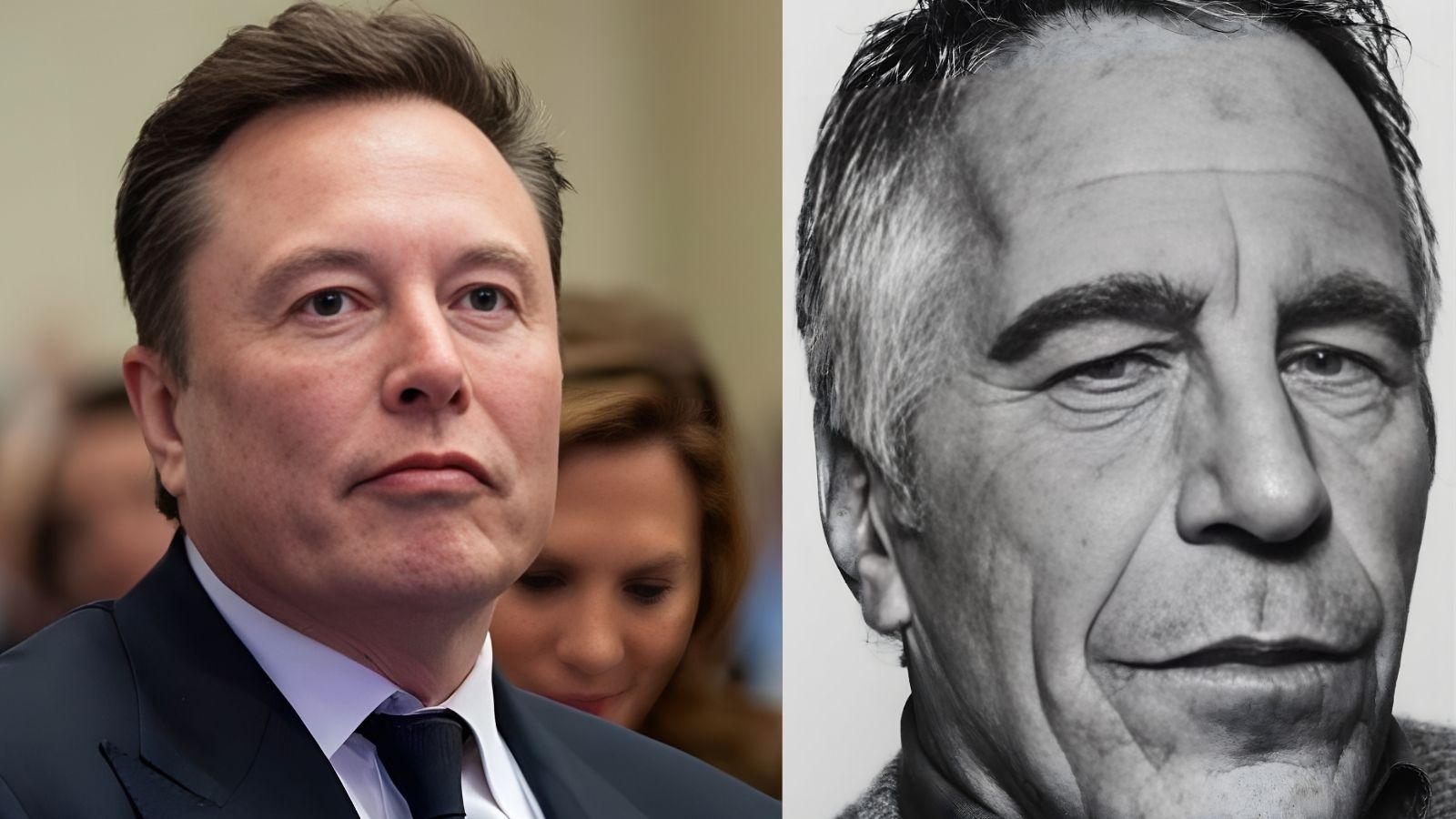
A massive release of documents linked to convicted sex offender Jeffrey Epstein has reignited headlines around the world. Among the millions of pages unsealed by the U.S. Department of Justice are email exchanges that show billionaire Elon Musk and Epstein communicated more frequently than anyone realized. These messages date back to 2012 and 2013, years after Epstein’s first conviction, and reveal a level of back‑and‑forth that has surprised both fans and critics alike.
According to the newly released emails, Musk wasn’t just passively copied on messages. In several notes, he actively asked Epstein about visiting the infamous Caribbean island where Epstein hosted gatherings. In one 2012 email, Musk wrote to Epstein asking, “What day/night will be the wildest party on your island?” That’s a message that has quickly spread across news feeds everywhere.
However, while the correspondence reveals more back-and-forth than had previously been reported, there is no evidence that Musk and Epstein ever met there. Musk has responded publicly, not by disputing the contents of the emails, but by framing the renewed attention as part of a broader attempt to discredit him. He said he expected to be smeared simply for supporting the full release of the Epstein files and pushing for prosecutions.
What the Emails Show
The biggest new detail from the Epstein files is that the communications between Musk and Epstein were more extensive than previously understood. The emails span several years, with Musk reaching out about potential visits and social interactions. In a 2012 message, he asked Epstein about parties on the island and mentioned being in the area for the holidays.
Epstein also appears on the record thanking Musk for a SpaceX tour and talking about meeting up, suggesting the contact was not limited to one isolated exchange. The tone and content of the messages have surprised some observers, since Musk had previously downplayed or denied the extent of any contact.
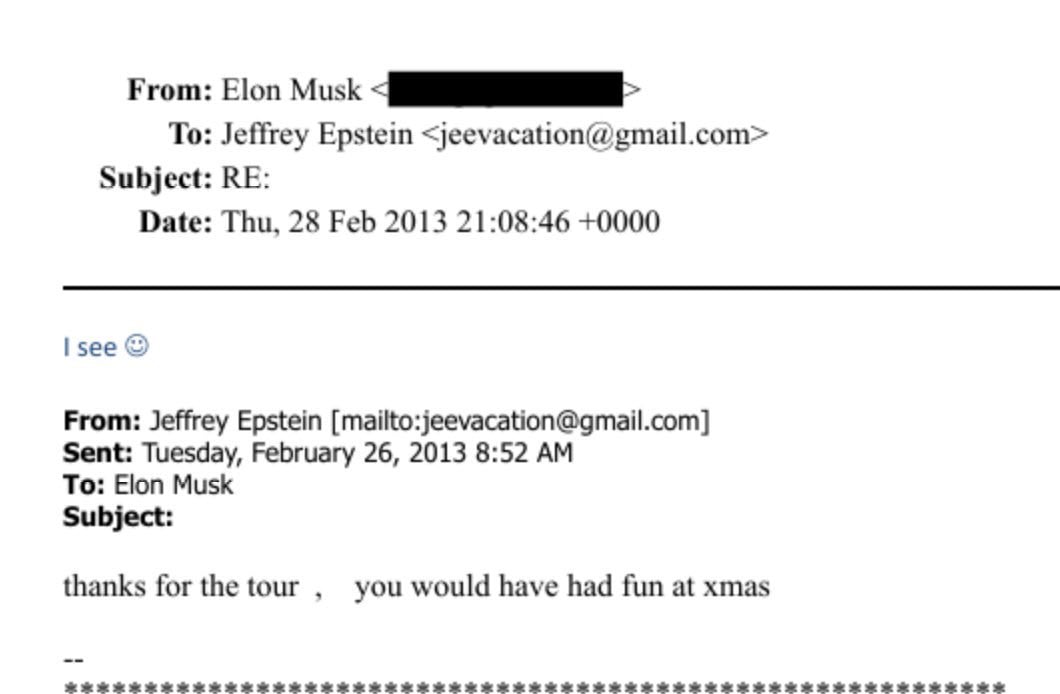
It is also noteworthy that these emails come from a period after Epstein had already been convicted for soliciting prostitution in 2008, meaning the context was not entirely private or hidden at the time.
Musk’s Public Response
After the emails were made public, Elon Musk turned to his platform, X (formerly Twitter), to hit back. In a lengthy post that quickly racked up tens of millions of views, Musk wrote: “Nobody has fought harder for full release of the Epstein files and prosecutions of those who abused children more than I did.”
Musk emphasized that he had never attended Epstein’s parties, flown on the so-called “Lolita Express,” or stepped foot on Epstein’s private island. He described the allegations as “extreme pain” but said enduring that was “worth it” to advocate for justice on behalf of victims. “The strong must protect those who cannot protect themselves,” he wrote, adding he would “gladly accept any amount of future pain” to do so.
That statement sparked wide reactions, both praise and skepticism. Supporters applauded Musk’s firm tone and the clarity of his denial, saying he was unfairly attacked. Critics argued the post sounded defensive and didn’t explain why he was communicating with Epstein in the first place.
One user wrote: “You still haven’t answered the question: why did you choose to talk with a man after he was convicted for child rape and sex trafficking? Whether you like it or not, that’s immoral and should be questioned.” This quickly garnered 1800 likes. Here are some top reactions:
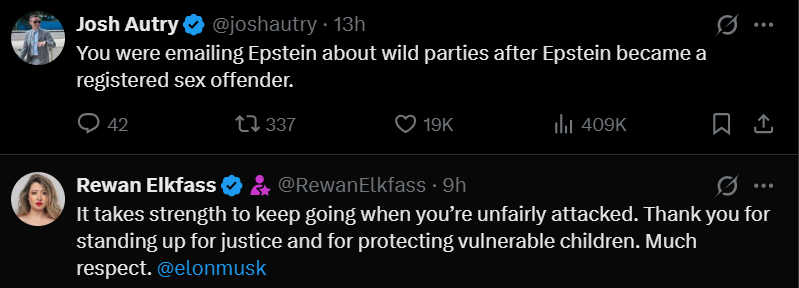
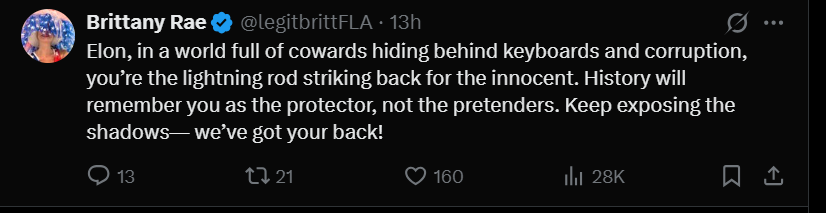

As public debate continues, one thing is clear: Elon Musk is leaning into the controversy, rather than trying to avoid it. Whether that helps or hurts his image in the long run is still unfolding. But for now, he seems more focused on the bigger message he wants to push: that he’s on the side of exposing predators, not hiding them.
What This Tells Us
This isn’t a criminal case against Elon Musk. There are no charges, no allegations of abuse, and no evidence in the files that he attended any Epstein-hosted events. But the story has touched a nerve, especially given Musk’s enormous influence in tech, politics, and media.
It’s also a sharp reminder that proximity, even if brief or social, can carry weight. In an age of digital footprints and growing demands for transparency, public figures are increasingly being held accountable for their associations, even years later.
The release of the Epstein files has opened the door to deeper questions about who knew what and when. For Musk, the story may be more about perception than proof. But with the full records now public, those perceptions are being shaped in real-time.
What do you think?