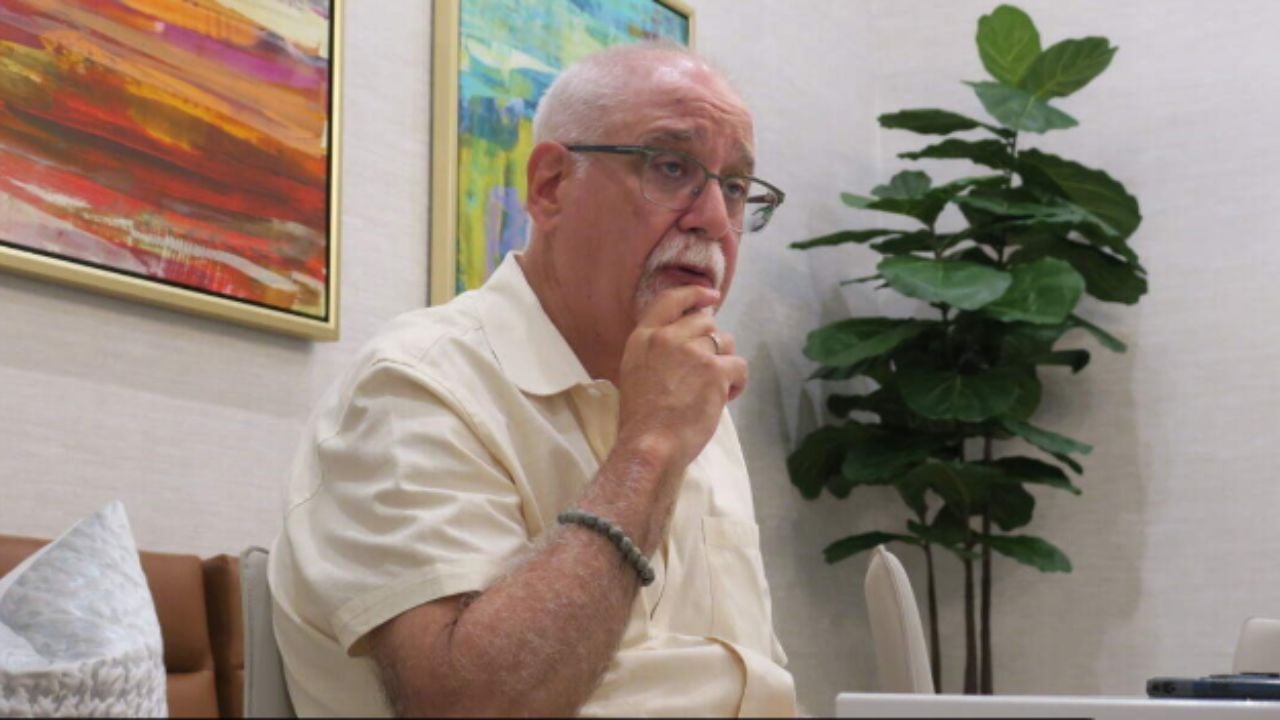
A Florida man lost $250,000 after scammers convinced him he was tied to a fake federal money laundering investigation, then kept him under pressure for more than 10 weeks through calls, Microsoft Teams meetings, fake documents, and two wire transfers.
Alan Zimbler, 68, of Cooper City, said the scheme began March 30 with a call from someone claiming to be a U.S. Customs and Border Protection agent, according to the Tampa Bay Times and the Miami Herald.
The caller claimed Zimbler’s name was connected to an illegal package sent from Washington to Vietnam containing bank debit cards and SIM cards. Zimbler was then told he needed to provide a statement to the FBI.
By the time he realized the investigation was fake, Zimbler had sent $250,000 through two wire transfers and had reported the case to police, the FBI’s Internet Crime Complaint Center, and his bank.
The Scam Moved From a Phone Call to Microsoft Teams
How falling for a fake FBI probe led Florida man to lose quarter of a million https://t.co/T2ZxnJS3wC
— Miami Herald (@MiamiHerald) July 2, 2026
After Zimbler said he could not travel to Washington, the caller offered what sounded like a special accommodation: a video conference with an FBI agent.
The person who appeared on Microsoft Teams used the name David Scott, matching the name of a real former FBI official. The impersonator wore an FBI windbreaker and had a large FBI seal behind him, according to the report.
He reviewed Zimbler’s driver’s license, claimed the government had evidence against him, and ordered him to send a photo of himself every two hours as a “safety report” while the supposed investigation continued.
Fake Documents Made the Threat Feel Official
The scammers sent more than 10 fake government documents with official-looking seals. Those included doctored images of seized money and debit cards, a fake arrest warrant, and an order that appeared to freeze Zimbler’s assets.
Zimbler was told not to discuss the case with his wife, police, or anyone else because doing so could compromise the investigation.
He said the pressure consumed him while he was selling his New Jersey home, closing his architectural business, and preparing for retirement in South Florida.
The fake FBI agent later connected Zimbler with another impersonator using the name A. Tysen Duva, matching the name of a real Justice Department prosecutor. The scammers then introduced a fake “Bail Pending Trial” agreement that appeared to include a forged signature from Todd Blanche.
The First Wire Was $110,000. The Second Was $140,000
The impersonators told Zimbler he had to pay $110,000 to avoid arrest while the case was supposedly pending. He took money from his 401(k) and wired the funds.
After the first transfer, the person posing as Duva claimed Vietnamese prosecutors were not satisfied with the amount because they had also been victimized by the alleged crime.
Zimbler then wired another $140,000 from money connected to the sale of his New Jersey home.
After the second wire, the fake FBI agent and fake prosecutor disappeared. Zimbler reached out twice asking whether they would hold another call before realizing he had been scammed.
Zimbler Reported the Case but Does Not Expect the Money Back
Zimbler contacted local police and filed a report with the FBI’s Internet Crime Complaint Center. The Broward Sheriff’s Office confirmed to the Miami Herald that it was looking into the case as a criminal investigation.
He also reported the fraud to PNC Bank. The bank told the outlet it was sympathetic to any client losses and believed it had acted appropriately, but declined to discuss internal fraud thresholds or monitoring procedures.
The case shows how government impersonation scams can be built around long-term pressure, video calls, real official names, fake documents, and constant monitoring.
Real FBI Agents Do Not Demand Bail by Private Wire Transfer
The FBI says it will never call or email private citizens to request that they move money by wire transfer, cryptocurrency, gift cards, or prepaid cards. The agency says people can contact their local FBI field office to confirm whether a message or call is real.
The Federal Trade Commission also says real government agencies do not threaten people, tell them to move money to “protect it,” or instruct them to withdraw cash or buy gold and give it to someone.
A person told to keep a case secret, send two-hour photo check-ins, join a government video call through a link, or wire money for supposed bail can stop before paying and contact the agency through an official public number or website.
People who already sent money should contact their bank, wire service, payment app, or cryptocurrency platform immediately. Cyber-enabled fraud can also be reported to the FBI’s Internet Crime Complaint Center at IC3.gov, and the FTC accepts reports at ReportFraud.ftc.gov.