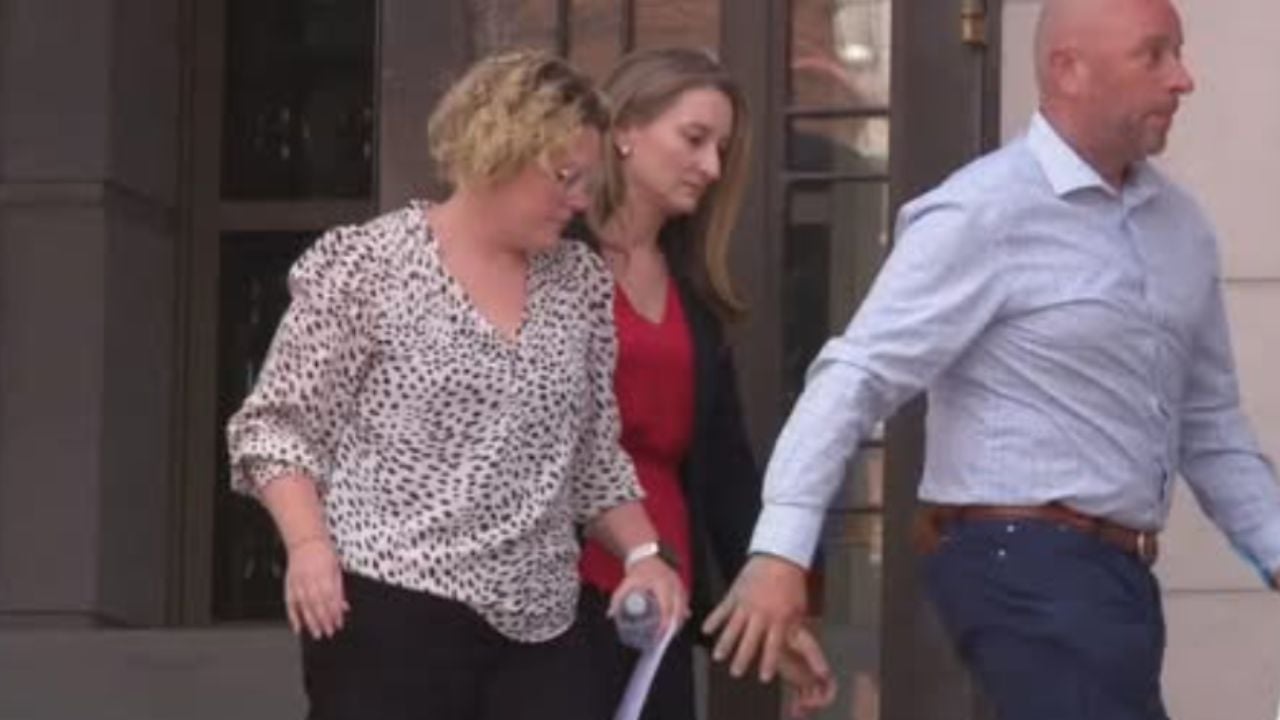
A former Northern Kentucky bank manager has pleaded guilty to stealing approximately $335,182 from customers while using her access to accounts and internal systems at Home Savings Bank in Ludlow.
Reagan France, 36, entered her plea September 10 in U.S. District Court in Covington to bank fraud, theft by a bank employee and aggravated identity theft. According to KOMO News, a forensic examination uncovered unauthorized activity involving more than 20 customer accounts between at least 2022 and 2024.
France began working at Home Savings Bank in 2015 and became branch manager in 2023, giving her access to customer names, account numbers and the bank’s transaction systems. She resigned at the end of 2024.
Her sentencing is scheduled for January 13, 2027. Under the plea agreement, prosecutors will seek dismissal of the remaining counts from the earlier indictment at sentencing, while France has agreed to restitution and forfeiture tied to the money she admitted taking.
Investigators Found Several Ways Money Left Customer Accounts
The forensic examination identified $107,893.04 transferred from customer accounts into accounts controlled by France or members of her family. Investigators attributed another $109,821 to direct cash withdrawals.
France admitted using another bank employee’s credentials and forging cash withdrawal slips to make unauthorized transactions appear legitimate. Court records also describe the use of multiple teller identification numbers, making activity appear to have been conducted by other employees.
Her own checking account at Home Savings Bank was allowed to carry a deficit exceeding $40,000. The plea agreement also describes another method involving escrow refund checks that were supposed to go to customers after mortgage related transactions.
Escrow Refund Checks Were Altered to Cover Earlier Shortages
France admitted stopping payment on some original escrow refund checks and issuing replacement checks for smaller amounts. The difference was then redirected into other accounts.
Prosecutors said some of those transfers were used to replace money previously removed from customer accounts, allowing France to conceal shortages by moving funds between accounts rather than replacing the money from an outside source.
The scheme affected individual customers as well as two Ludlow nonprofit organizations where France volunteered. Investigators determined that tens of thousands of dollars were taken from accounts belonging to those organizations.
France Also Served on the Bromley City Council
France held a public role outside the bank, serving two terms on the Bromley City Council. She first won a council seat in 2020 by a single vote and was reelected in 2022.
Her banking career began several years before she entered local government. She started as a teller and eventually became branch manager, a role that provided broader access to customer records and transaction systems.
The Kentucky Attorney General’s Department of Criminal Investigations led the investigation. Assistant U.S. Attorney Kyle Winslow prosecuted the federal case.
More Than $173,000 Has Already Been Recovered
France agreed to pay at least $250,000 in restitution, with that amount offset by $173,712.81 that authorities say has already been recovered. She also agreed to a forfeiture judgment totaling $76,287.19.
Home Savings Bank said affected customers had been reimbursed and that the institution cooperated with investigators. Bank President Stephanie Berry said the bank was committed to addressing the unauthorized activity and maintaining customer trust.
France has not yet been sentenced. Her aggravated identity theft conviction carries a mandatory two-year prison term that must run consecutively to any other term of imprisonment imposed by the court.
How Customers Can Spot Unauthorized Account Activity
Internal bank fraud can be difficult for customers to anticipate because an employee may already have legitimate access to account information and transaction systems. Regular account reviews can help expose withdrawals or transfers before unauthorized activity continues for months.
The Federal Deposit Insurance Corporation recommends checking bank statements carefully and contacting the financial institution promptly when a transaction is unfamiliar. Customers can also ask whether their bank offers alerts for withdrawals, transfers, low balances or other account activity.
Anyone who discovers missing money should document the transaction dates, amounts and account information before contacting the bank’s fraud department. Copies of withdrawal slips, deposited checks and other available records can help determine how the money left the account.
The Consumer Financial Protection Bureau explains that federal protections may apply to certain unauthorized electronic transactions, but a customer’s rights can depend on the type of transaction and how quickly the problem is reported.
Customers who use checks should also review images of processed items when available, including signatures and endorsements. Unexplained cash withdrawals, unfamiliar transfers, altered checks or transactions attributed to people the customer does not recognize should be raised directly with the financial institution.