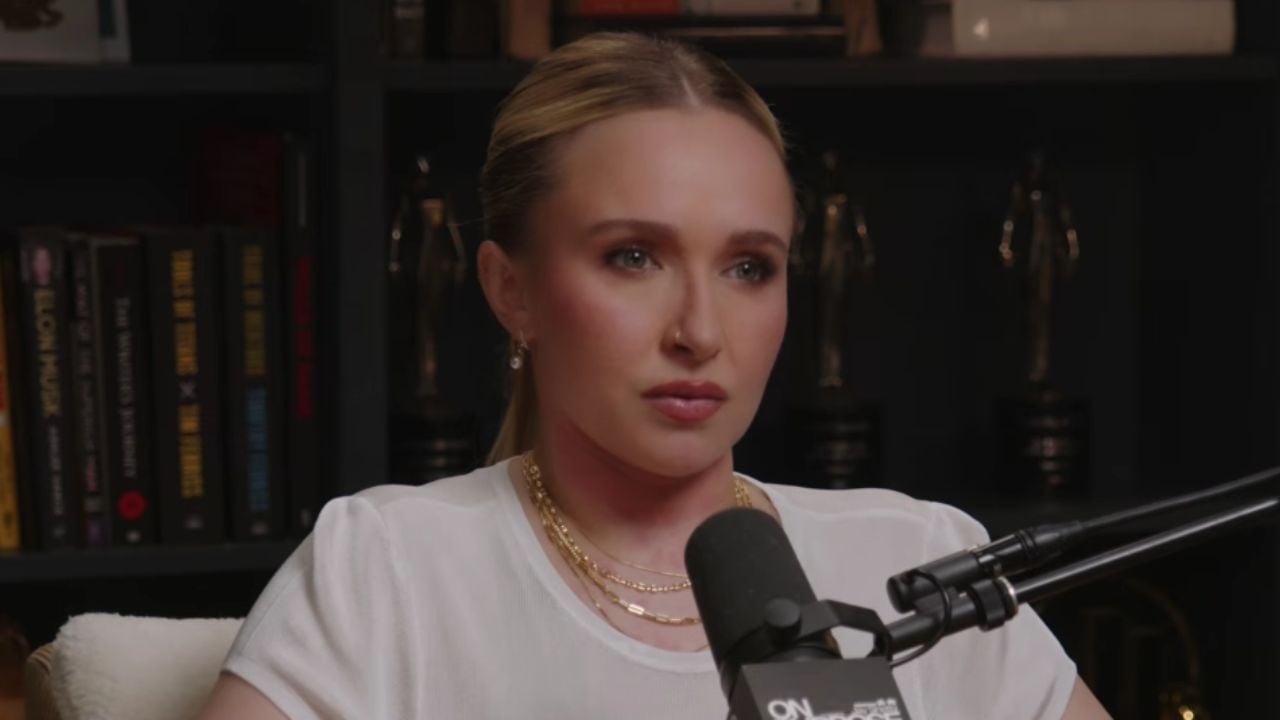
Hayden Panettiere said she was “groomed” to follow instructions as a child actor, describing herself as a “little soldier” for whom refusing work never felt like an option.
The actress made the remarks in a May interview with The Hollywood Reporter while discussing her memoir, This Is Me: A Reckoning. Asked whether the pressure she felt came from Hollywood or from her own fear of turning down work, Panettiere pointed to how she had been raised and conditioned to follow instructions.
Panettiere began working in commercials when she was still a baby and landed a role on One Life to Live at age 4. She later became widely known as Claire Bennet on Heroes, starred as Juliette Barnes on Nashville and played Kirby Reed in the Scream franchise.
The Greenville County Coroner’s Office said an autopsy found no trauma that contributed to her death, while police said their preliminary investigation found no indication of foul play or suspicious circumstances. Her official cause and manner of death remain under investigation, PEOPLE reported.
Panettiere Said She Was Trained to Follow ‘Marching Orders’
“I was groomed,” Panettiere told The Hollywood Reporter, using the term to describe a childhood built around compliance with the demands of acting. She called herself a “little soldier” and said, “No was never an option.”
Her routine from an early age was to learn her scenes and dialogue, hit her marks and do what the director instructed her to do. “I took my marching orders,” she said.
She said it took years to understand how deeply that pattern had affected her. Panettiere connected her later substance abuse to a lifetime of putting other people’s needs and expectations ahead of her own, describing it as a form of self-harm. “My life revolved around other people, and I lived to make other people happy and I was the last one on the list,” she told The Hollywood Reporter.
According to Panettiere, years of people-pleasing contributed to anger, anxiety and frustration that eventually became impossible to contain. Even as an adult with enough professional stature to push back, she said she continued struggling to tell people when she was uncomfortable or being asked to do too much.
Someone on Her Team Began Giving Her ‘Happy Pills’ as a Teenager
Panettiere had previously described another troubling part of growing up inside the entertainment industry. In a 2022 interview with PEOPLE, she said someone on her team began giving her what she called “happy pills” before red-carpet appearances when she was 15.
“They were to make me peppy during interviews,” Panettiere said. At the time, she said she trusted the person giving them to her and did not understand how inappropriate the situation was or what effect the experience could ultimately have on her relationship with substances.
Panettiere later said she believed the pills were something similar to Adderall. She recalled that they gave her energy and made the constant demands of interviews and appearances easier to handle. “I had no idea that this was not an appropriate thing, or what door that would open for me when it came to my addiction,” she told PEOPLE.
Her struggles eventually expanded to opioids and alcohol. Panettiere later entered treatment and spoke publicly about both addiction and sobriety, while describing recovery as something that required continued attention.
Panettiere Said ‘Everything Was Business’ With Her Mother
Panettiere also examined how beginning work so young affected her relationship with her mother, Lesley Vogel, who managed her career. During a May appearance on On Purpose with Jay Shetty, Panettiere said the line between having a mother and having a manager became increasingly difficult to distinguish.
“Everything was business,” she said. Panettiere recalled becoming her mother’s confidante, assistant, therapist and shoulder to cry on rather than feeling able to remain simply her child. As she grew older, she increasingly regarded Vogel as her boss.
Panettiere said she finally ended their professional relationship when she was 19 and working on Heroes. She said she hoped removing the business component would allow them to have a more conventional mother-daughter bond. “I don’t want us to work together anymore. I just want you to be my mom,” Panettiere recalled telling her. According to Panettiere, Vogel responded with three words: “You owe me.”
Panettiere said she initially struggled to understand what her mother meant before concluding that the comment referred to money. She described discovering that as particularly painful because she had approached the conversation hoping to preserve their relationship.
Her Mother Publicly Disputed Panettiere’s Account of Their Relationship
Vogel later offered a sharply different account of the relationship during the publicity surrounding Panettiere’s memoir. She told Page Six that she had experienced “20 years of trauma” and had chosen to go no-contact after receiving professional advice.
Vogel also accused her daughter of entitlement, lacking empathy and creating drama around the release of the memoir. Panettiere subsequently called those allegations “so false” while speaking with Entertainment Tonight.
She said that despite their estrangement she continued to leave the possibility of reconciliation open because she still wanted a relationship with her mother.
Panettiere Wondered Whether Acting Would Have Been Her Choice
She told The Hollywood Reporter that she would always wonder whether she would have gravitated toward acting naturally if she had not been pushed into it. Her professional life began before she could make that decision herself.
She was working in commercials at eight months old and had appeared in dozens by early childhood before moving into television acting. Panettiere pointed out that she had never gone to college and had spent essentially her entire life working in the industry.
She Wanted Her Daughter to Have the Choice She Felt She Lacked
Panettiere told The Hollywood Reporter that Kaya, then 11, had begun showing an interest in performing. Her response was not to forbid her daughter from entering the industry but to make sure she experienced other possibilities first. “I will say, please go to college, please try things out,” Panettiere said.
If Kaya still decided that acting was what she genuinely loved, Panettiere said she would support her wholeheartedly. If Kaya tried acting and discovered she did not enjoy it, Panettiere said, she should be able to leave without feeling that her entire identity, education and future revolved around the entertainment industry.