A cattle sale is not exactly a small checkout-lane purchase. By the time 77 head are sold, loaded, and moved, the paperwork and payment need to be real.
Leon County authorities say that is where a Texas cattle deal fell apart. Buffalo Livestock Marketing Inc. sold the animals in a transaction valued at $159,604.03, but the checks used to pay for them came back as nonsufficient funds, according to KBTX.
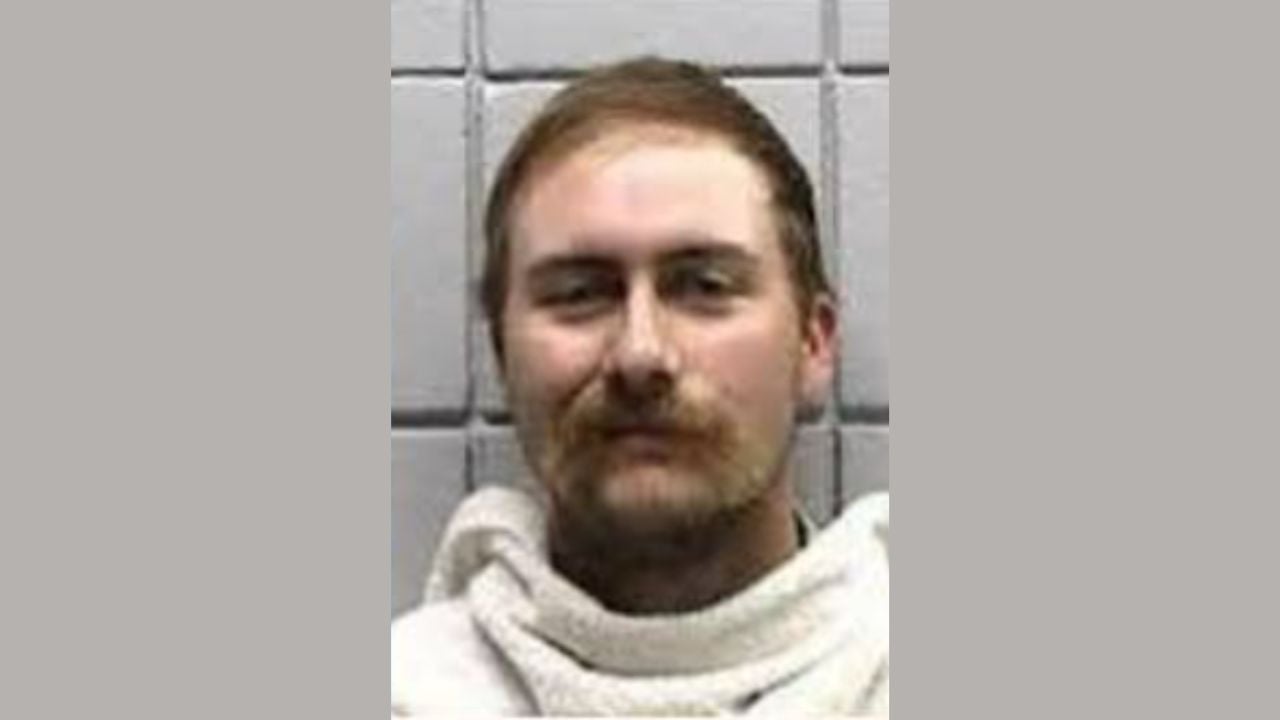
Investigators identified the buyer as Payton Dean Carroll, 25, of Barry, Texas. The Leon County Sheriff’s Office said its Criminal Investigations Division opened the case July 17 after receiving the report from the livestock market.
Carroll was arrested and charged with second-degree felony cattle theft. The charge is an accusation and has not been proven in court.
The Checks Came Back After the Cattle Were Sold
The Leon County Sheriff’s Office described the payment as nonsufficient-funds checks. In a livestock market setting, that timing can create a mess quickly: the seller may not know the money is missing until the animals have already left the sale barn.
The cattle came from Buffalo Livestock Marketing, a livestock auction business in Buffalo, Texas. The sheriff’s office did not lay out the full path of the animals after the sale, but the reported loss was large enough for investigators to treat the case as more than a failed payment.
The Amount Put the Case in Felony Territory
Carroll was charged with second-degree felony cattle theft after his arrest. The amount listed by authorities is above the $150,000 mark for second-degree felony theft under Texas law.
The sheriff’s office credited the Buffalo Police Department, the Texas and Southwestern Cattle Raisers Association, and the Navarro County Sheriff’s Office with assisting in the investigation. That kind of help makes sense in a livestock case, where investigators may have to follow sale records, bank notices, buyer information, trailers, brands, tags, and movement across county lines.
Bad Checks Can Move Faster Than the Bank Notice
For ranchers and livestock markets, a bad check can become a serious problem before anyone at the bank confirms it. The animals may already be loaded, hauled away, resold, or mixed into another herd by the time the seller learns the payment did not clear.
The Texas and Southwestern Cattle Raisers Association has warned producers to be careful with bad-check schemes involving livestock, hay, equipment, and other agricultural purchases. The group advises sellers to be cautious when a buyer’s story or payment arrangement looks too good to be true.
Markets and ranchers should keep buyer identification, invoices, check copies, bank-return notices, sale tickets, brand or ear-tag information, trailer descriptions, license plates, loading records, messages, and any video from the sale barn or pickup area.
If a payment fails, the seller should contact the bank immediately, preserve the unpaid checks and return notices, and report the case to local law enforcement. In Texas livestock cases, ranchers and markets can also contact TSCRA special rangers, who investigate agricultural theft and related crimes.