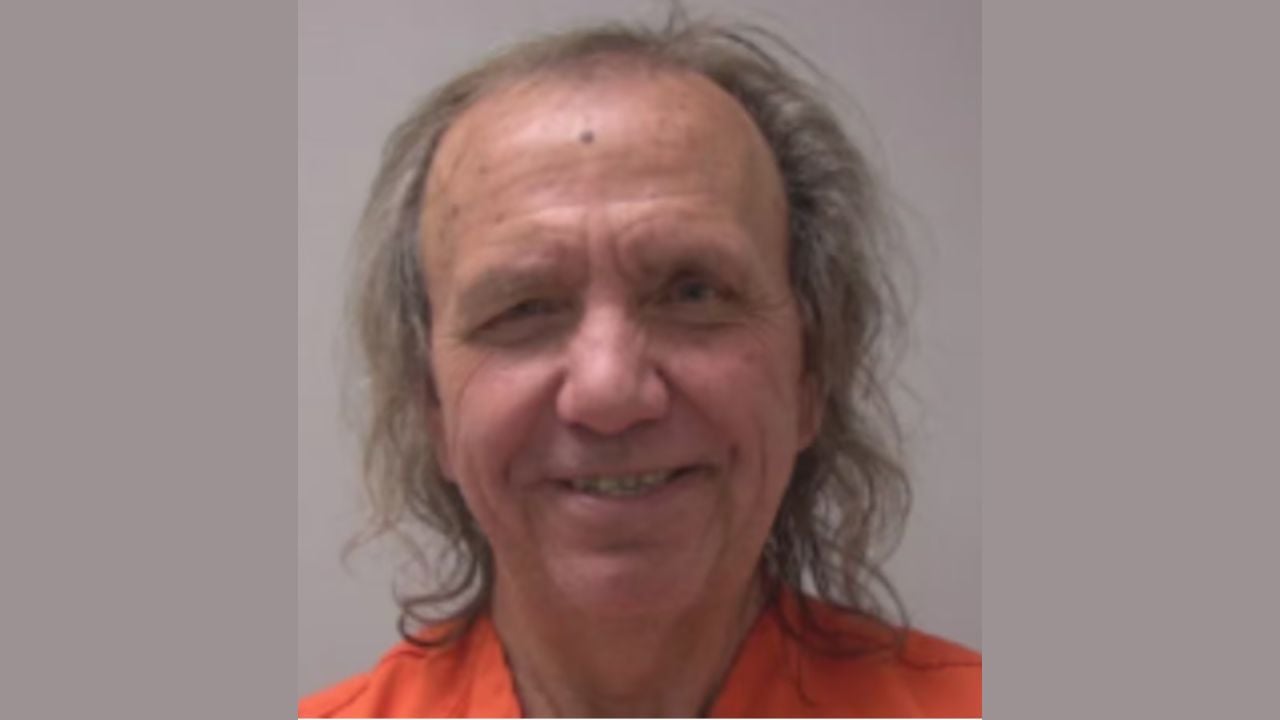
A Wisconsin man who promised investors returns of at least 20% on opportunities ranging from cryptocurrency and artificial intelligence to precious metals has been sentenced to eight years in federal prison for running a $14.25 million Ponzi scheme.
Stanley Pophal, 65, of Wausau, used his company Bright with Silver Inc. to solicit money from 190 investors between May 2019 and June 2025. Federal prosecutors said many of the victims were 65 or older, and some lost retirement funds and life savings.
Pophal gave most investors contracts styled as promissory notes and claimed his connections in finance, commodities and real estate allowed him to generate unusually high returns. He also told investors their principal was protected because his personal wealth was large enough to repay them even if an investment failed.
Those assurances were false. The U.S. Attorney’s Office for the Western District of Wisconsin said Pophal exaggerated his past business success, did not have enough personal wealth to guarantee investors’ principal and used the vast majority of their money for personal and business expenses rather than the investments he had described.
Investors Signed Notes Guaranteeing Returns of at Least 20%
Bright with Silver offered supposed investment opportunities involving cryptocurrency, real estate flipping, artificial intelligence technology, gold, silver and emeralds. Most investors signed promissory-note-style contracts that guaranteed them a return of at least 20%.
Pophal supported those promises by telling investors he had valuable connections in the finance, commodities and real estate industries. He also repeatedly claimed that even if an investment performed badly, their principal was never at risk because he had accumulated enough personal wealth to repay them himself.
Federal prosecutors said his claims of substantial personal wealth were false and his descriptions of his previous business success were exaggerated. Pophal used money from newer investors to make payments to earlier victims and falsely presented those payments as investment returns or interest.
Investor Money Funded a Ferrari, Private Plane Rentals and Hundreds of Snowmobiles
Pophal used the vast majority of investor money for personal and business expenses, according to prosecutors. The spending included his mortgage, personal travel, private-plane rentals, motorcycles and vehicles, including a yellow Ferrari.
He also bought hundreds of snowmobiles. During the investigation, law enforcement agents seized more than 600 items that had been purchased or funded with investor money, including a large collection of snowmobiles stored in a rented warehouse.
Pophal agreed to forfeit the seized property as part of his plea agreement. Public online auctions of the forfeited assets began July 28 through the federal government, with proceeds intended to help recover money for victims.
Many Victims Lost Retirement Money and Life Savings
The scheme ultimately affected 190 investors, and federal prosecutors said many were 65 or older. At Pophal’s sentencing, multiple victims addressed the court about the financial consequences of the fraud.
U.S. District Judge William Conley emphasized that victims had lost life savings and retirement funds and said they were still grieving the loss of money they had worked to accumulate. He also described Pophal as having preyed on vulnerable people who trusted him.
The case was investigated by IRS Criminal Investigation and the FBI, with assistance from the Iowa Insurance Fraud Bureau, the Allamakee County Sheriff’s Office and the Winneshiek County Sheriff’s Office.
Pophal pleaded guilty to wire fraud and money laundering before his sentencing. On September 2, Judge Conley sentenced him to eight years, or 96 months, in federal prison and ordered him to pay $14.25 million in restitution.
High Guaranteed Returns and Protected Principal Are Warning Signs
Promissory notes can be legitimate investments, but FINRA warns that fraudulent note schemes often use unusually high or guaranteed returns, purported collateral and claims that investors’ principal is protected to make an offer appear safer than it really is.
Before purchasing a promissory note, investors should understand specifically how the issuer expects to generate the promised return and independently check the people and company offering it. A salesperson’s apparent wealth, personal assurances or claims about industry connections should not substitute for verifiable financial information.
Investor.gov recommends checking whether a note is registered with the SEC or a state securities regulator, or qualifies for an exemption, and verifying whether the person selling it is properly licensed.