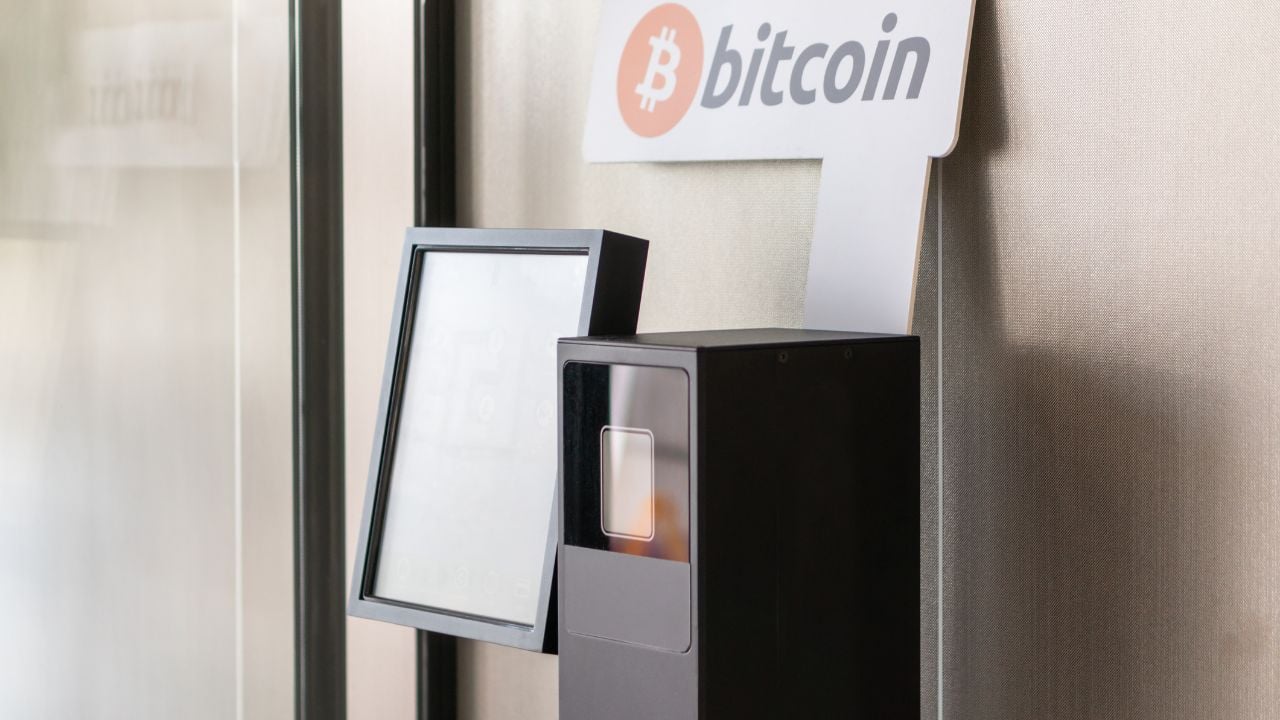
A Nashua, New Hampshire, man who lost $30,000 through a cryptocurrency kiosk scam is warning others as the state prepares to impose new protections on the machines later this year.
Ken Heideman became an advocate after his experience and now volunteers with AARP New Hampshire. He joined Gov. Kelly Ayotte, Manchester police and other officials at a September 14 event highlighting cryptocurrency kiosk fraud, according to Nashua Ink Link.
Gov. Ayotte signed Senate Bill 482 on June 19. Beginning December 16, crypto kiosk operators in New Hampshire will face a $2,000 daily transaction limit, a mandatory 48 hour hold on a customer’s first transaction and refund requirements for certain victims who report fraud quickly.
The legislation follows growing losses involving cryptocurrency scams. New Hampshire Public Radio reported that Granite Staters lost $22 million to cryptocurrency scams in 2024, while Hampton police alone recorded more than $2.6 million in local losses involving crypto ATM schemes.
A Fake Microsoft Warning Led Him to the Kiosk
Heideman’s experience began in 2022 while he was preparing for a job interview and looking online for technical help. A warning appeared on his computer directing him to call a number he believed belonged to Microsoft.
The person who answered convinced Heideman that his banking information and savings were at risk. He remained on the phone for hours as the caller instructed him to visit banks, withdraw cash and deposit the money into a cryptocurrency kiosk at a convenience store.
Withdrawal limits prevented Heideman from accessing all of his savings that day. The caller planned to continue the process the following morning, but Heideman told his partner what had happened that night and realized he had been scammed. He then contacted police.
Cybercrime Insurance Reimbursed $25,000
Heideman had nearly forgotten that his renter’s insurance included cybercrime coverage. His police report, bank withdrawal records and kiosk receipts later helped support an insurance claim.
AARP says he recovered $25,000 through the policy. He has since spoken publicly about the experience and encouraged other victims to report fraud rather than allowing embarrassment to keep them silent.
Heideman now volunteers with AARP New Hampshire and has shared his story with lawmakers and the public as the state developed stronger rules for cryptocurrency kiosks.
New Hampshire Will Limit Kiosk Transactions to $2,000 a Day
Under the new state law, an operator will not be allowed to accept or dispense more than $2,000 per customer per calendar day across all kiosks under common control in the United States.
A customer’s first transaction must be held for at least 48 hours. During that period, the customer can cancel the transaction and receive the entire amount back before the cryptocurrency transfer is completed.
Kiosks will also have to display warnings explaining that government agencies, law enforcement, courts, banks, utilities, technology support companies, employers and retailers do not demand payment through crypto ATMs. Customers must answer fraud screening questions, including whether another person is coaching them. An answer indicating possible fraud requires the machine to block the transaction.
Victims Will Have 14 Days to Seek a Refund
The law creates a separate refund provision for customers who were fraudulently induced into completing kiosk transactions. To qualify, the customer must notify both the kiosk operator and a law enforcement or government agency within 14 days after the final fraudulent transaction.
The required refund includes the transactions and associated fees. Operators must also use blockchain analytics to block transfers involving wallet addresses associated with scams, theft, sanctions or other illicit activity.
Additional requirements cover identity verification, transaction receipts, fee and price disclosures and a dedicated communications channel that government agencies can use when responding to fraud reports.
Urgency, Secrecy and Constant Coaching Are Warning Signs
Consumers should end a conversation when someone claiming to represent a bank, technology company, police department, court or government agency instructs them to withdraw cash and convert it to cryptocurrency. Legitimate organizations do not require crypto kiosk payments to protect savings, resolve an arrest threat or repair a computer.
A caller who insists on staying connected while someone visits a bank or kiosk is another warning sign. Scammers use continuous coaching and demands for secrecy to keep victims from discussing the situation with relatives, bank employees or police.
Anyone contacted about an unexpected account problem should independently call the organization using a number from a trusted statement, bank card, bill or official website. People who have already transferred money should contact law enforcement and the kiosk operator immediately and preserve receipts, wallet addresses, messages, telephone numbers and bank withdrawal records.