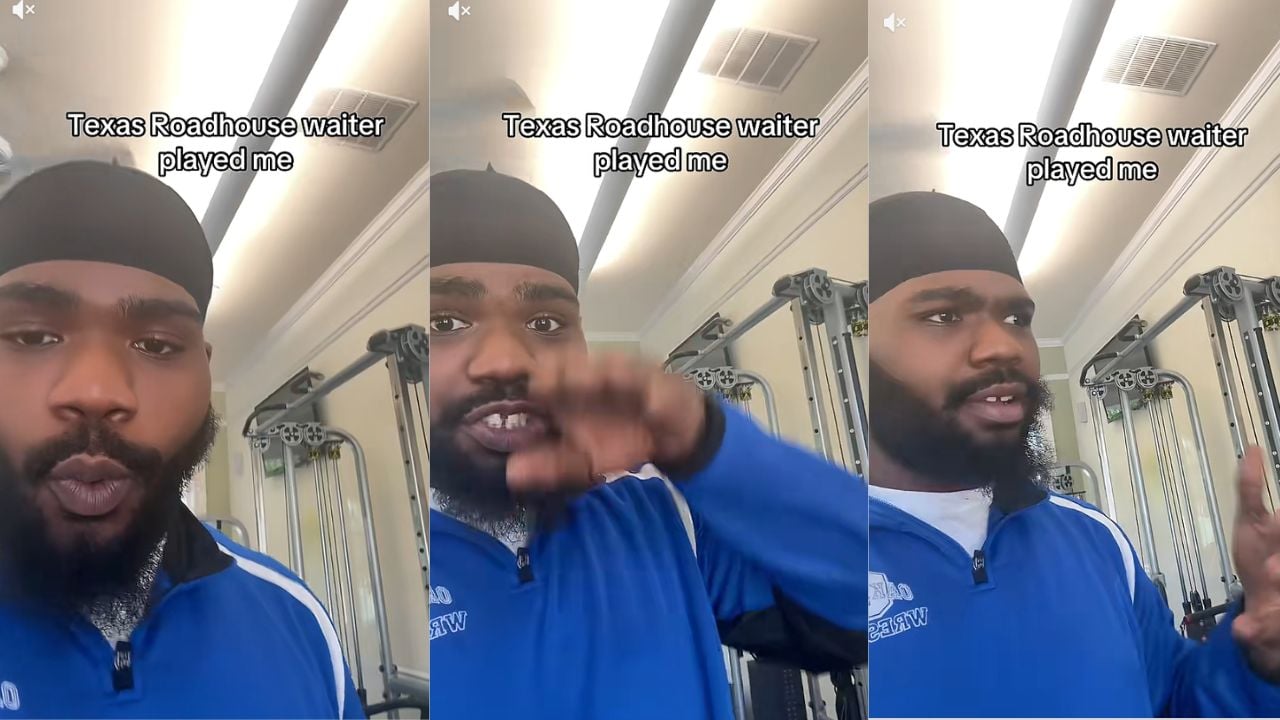
A New Jersey man says a Texas Roadhouse dinner ended with a charge he did not authorize after he left a cash tip and wrote zero on the receipt’s tip line.
We Got This Covered reported that TikTok user Shawn Bumpass, who posts as @bigshawnbump, said his group’s $64 bill later showed up as an $84 charge.
Bumpass said he left the server a $10 cash tip and intentionally wrote $0 on the credit-card receipt. According to BroBible, he alleged that someone later added a “2” in front of the zero on the tip line, turning the written tip into $20 and changing the total from $64 to $84.
No police report, criminal charge, or court case has been reported in connection with the customer’s allegation. Texas Roadhouse has also not publicly confirmed the claim in the coverage reviewed for this article.
The Customer Says A $64 Bill Became An $84 Charge
@bigshawnbump♬ Gymnopédie No.1 / Erik Satie(884659) – BPProject
Bumpass said he noticed the problem after leaving the restaurant, when a bank notification showed a total that was $20 higher than the amount he expected.
According to BroBible, Bumpass said he contacted the restaurant and claimed management apologized. The outlet also reported that, as of June 3, he had started a payment dispute over the charge and was unsure what legal steps to take.
Why The Receipt Matters
Restaurant card payments can be confusing because the pending charge may appear before the final tip-adjusted amount settles. In a normal transaction, the customer writes the tip and total on the receipt, and the final card charge should match the total the customer authorized.
That makes the receipt important. If the final charge does not match the signed total, the customer copy, a photo of the merchant copy, and the bank notification can help support a dispute with the restaurant or card issuer.
The Federal Trade Commission says credit-card customers have the right to dispute billing errors, including charges that show the wrong amount or contain math mistakes.
Dispute The Charge Quickly
The Consumer Financial Protection Bureau says credit-card customers should contact the card company right away when they need to dispute a charge.
To fully protect their rights, the CFPB says customers must also send written notice within 60 calendar days after the charge appears on the statement. The card company generally has 30 days to acknowledge the billing dispute unless it has already resolved the issue.
For restaurant charges, customers should keep the receipt, check the final posted total, and save screenshots of any bank alerts showing the amount that settled. If the total is wrong, they should contact the restaurant, open a dispute with the card issuer, and ask the merchant to produce the signed receipt supporting the final amount.