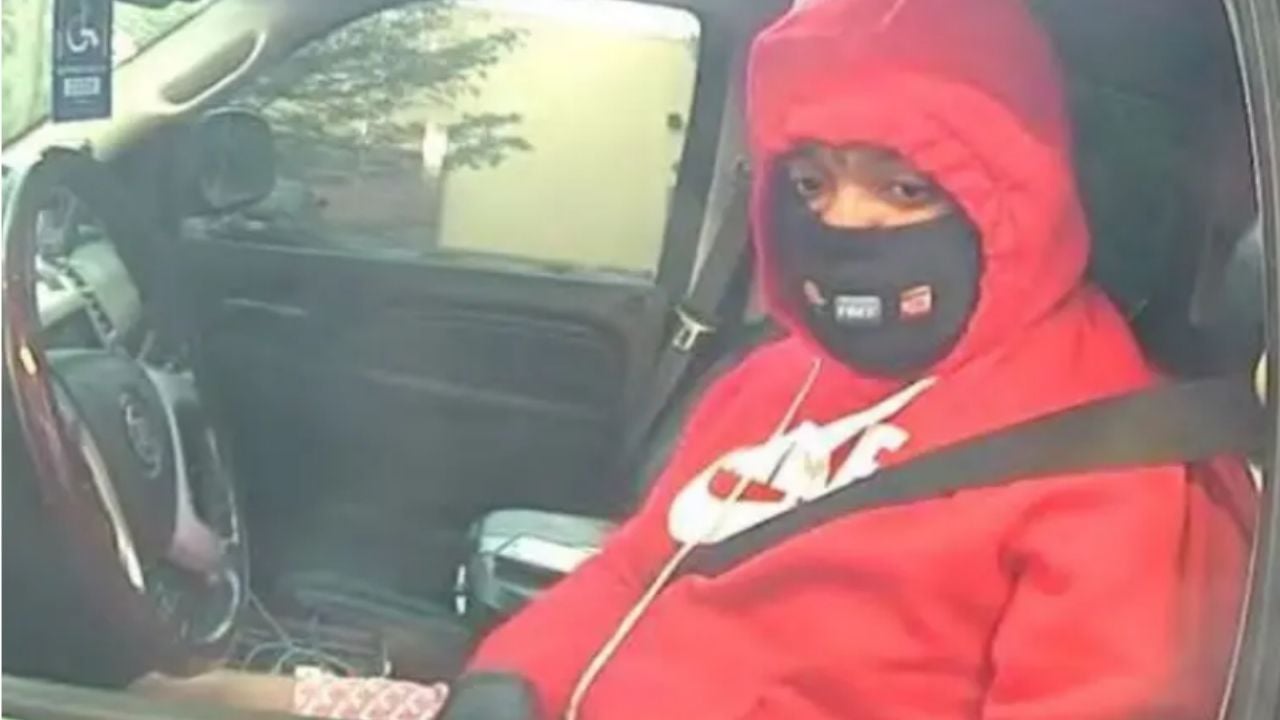
A Georgia rapper who sold tutorials teaching other people how to commit financial fraud has been sentenced to six years in federal prison after pleading guilty in a scheme built around checks stolen from the mail.
Shamarri Tache Brooks, 34, also known as Juney Knotzz, used social media to recruit people with existing bank accounts that could be used to deposit altered checks, according to federal prosecutors.
Brooks also sold a collection of fraud tutorials called the “Sauce Book” and images of stolen checks that he called “slips.” Authorities say Brooks and his associates obtained stolen checks with a combined face value of $6,574,288.
Brooks was sentenced Aug. 27 to six years in federal prison followed by five years of supervised release, according to the U.S. Attorney’s Office for the Northern District of Georgia.
He Recruited People Who Already Had Bank Accounts
The scheme operated from at least January 2022 through November 2025. Prosecutors say Brooks recruited people on social media who already had functioning bank accounts and used those accounts as destinations for checks stolen from the mail.
He altered the checks to make the cooperating account holders appear to be the intended recipients or payees, then deposited altered checks at ATMs around the Atlanta area. Authorities say Brooks often appeared at the ATMs wearing balaclava-style masks displaying the phrase “No Free Sauce.”
He Turned Fraud Tutorials and Stolen Checks Into a Business
Brooks did more than personally participate in the check scheme. Federal prosecutors say he promoted and sold tutorials explaining how to commit multiple forms of financial fraud, including check fraud. A collection of those tutorials was sold under the name “Sauce Book,” or “SB.”
He separately sold images of stolen checks to other people and referred to those images as “slips.” FOX 5 Atlanta reported that prosecutors characterized Brooks as effectively turning financial fraud into a business, using social media both to recruit participants and market the information and stolen check images.
Investigators Recovered More Than 600 Stolen Checks From His Home
When law enforcement arrested Brooks earlier in 2026, investigators found more than 600 stolen checks at his residence. Across the broader operation, Brooks and his associates were connected to stolen checks with a combined face value of $6,574,288.
Federal prosecutors said law enforcement recovered many of the stolen checks from Brooks’ home before they could be successfully negotiated. Authorities found no evidence that he succeeded in negotiating the remaining checks tied to the $6,574,288 figure.
U.S. Attorney Theodore S. Hertzberg said Brooks’ efforts failed, sparing victims from any known financial loss associated with the scheme described at sentencing.
He Pleaded Guilty to Bank Fraud and Aggravated Identity Theft
Brooks pleaded guilty May 7 to federal bank fraud and aggravated identity theft. The Justice Department said his prior criminal history includes convictions for drug trafficking, weapons possession, obstruction of law enforcement and battery.
The FBI, Federal Deposit Insurance Corporation Office of Inspector General, U.S. Secret Service and U.S. Postal Service Office of Inspector General investigated the federal case. Dunwoody police and the Treasury Inspector General for Tax Administration also assisted.
Brooks will serve six years in federal prison followed by five years of supervised release. The Justice Department’s sentencing announcement did not identify a restitution or forfeiture amount.
Mail Theft Can Turn One Stolen Check Into a Bigger Identity Fraud Problem
The Justice Department’s guidance issued with Brooks’ sentencing recommends collecting mail promptly, avoiding leaving it in a mailbox overnight and using USPS Hold Mail when away from home. USPS Informed Delivery can provide previews of eligible incoming mail, making it easier to notice when an expected check or other valuable item does not arrive. Anyone expecting a check that goes missing should contact the sender.
When sending important checks, authorities recommend using secure postal locations, including letter slots inside a post office. Businesses that issue checks can also ask their financial institutions about Positive Pay, which allows checks presented for payment to be compared with records of checks the business actually issued.
Account owners should regularly review check images and transactions for changes to payees or amounts. If an altered or unauthorized check appears, contact the bank immediately and request copies of the fraudulent checks.
Suspected mail theft-related check fraud can also be reported to local police, the U.S. Postal Inspection Service or the U.S. Postal Service Office of Inspector General. Preserving check images, bank records, envelopes and information about missing mail can help investigators trace how a legitimate payment was intercepted and altered.