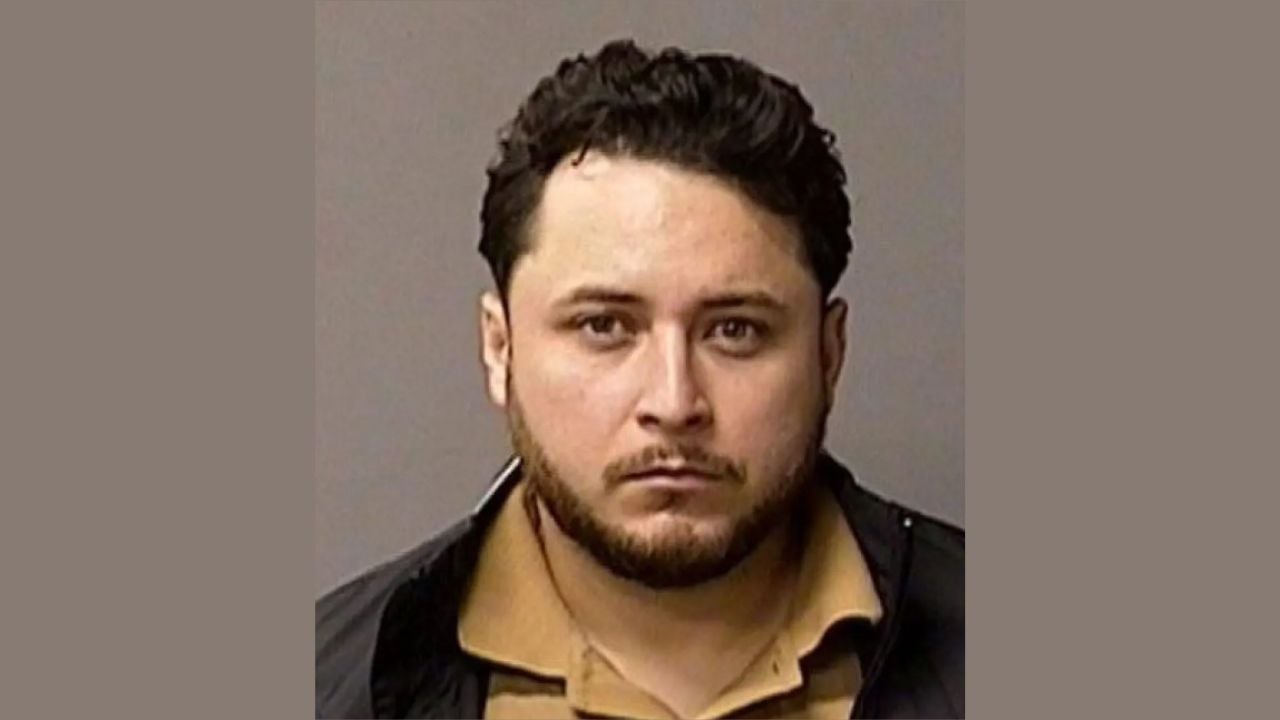
Fernando Jauregui Ochoa is facing 20 years in prison after customers paid his California company for food trucks and trailers that prosecutors say, in many cases, never arrived.
Stanislaus County prosecutors announced Friday that the 30-year-old owner of 8A Food Trucks had been convicted of 18 counts of obtaining money by fraud and one count of witness intimidation.
The case included a finding that the fraud exceeded $500,000 and an aggravating factor that Ochoa selected vulnerable victims based on their immigration status.
More than 40 people were eventually identified in the investigation. Ochoa has been ordered to pay restitution and is scheduled to return to court Oct. 30, when prosecutors say he will receive a 20-year prison sentence.
Customers Had Spent Years Saving for Their Businesses
Many of his customers had been saving for considerably longer than it took to hand the money over. Paulina Quintal told the Los Angeles Times that some were farmworkers who borrowed from relatives in Mexico. Others described years spent working as cooks, custodians and construction workers before they had enough money to buy a truck or trailer and try running a business of their own.
Quintal and her husband, Alejandro Gonzalez, already had one. They operated Mi Casita Purepecha, a restaurant in San Bernardino, when they contacted 8A Food Trucks in early 2024 about two trailers. One was delivered to their home. Gonzalez said the couple paid for it and wrote a check toward a second trailer. A dispute followed over how much money was still owed.
Then the first trailer disappeared.
Gonzalez drove north to Ochoa’s business in Ceres looking for it and found the property deserted. Days later, he said, an older Toyota Camry pulled up to the drive-through window at Mi Casita Purepecha. One of the men inside asked whether he was Alejandro and displayed a gun. The couple also said a third party passed along a threatening voicemail from Ochoa.
Ochoa denied stealing their trailer when the Times interviewed him in 2024. He said he had sent two people to the restaurant to discuss the payment dispute but denied sending anyone there to intimidate Gonzalez.
Gonzalez filed police reports over the missing trailer and the encounter at the restaurant. Quintal told the Times after Ochoa’s conviction that the San Bernardino investigation remained open. Mi Casita Purepecha closed in 2024.
Other Customers Were Left Waiting for Trucks and Trailers
Other customers had different versions of the same problem. Adriana and Nika Nicanor, who operate Kaji Teppenyaki, told CBS Sacramento in 2024 that they found 8A Food Trucks online and paid Ochoa $20,000 in cash. They said they had borrowed the money from Nika’s brother. Ochoa promised the truck within two months. It never arrived.
Norma Estevez and her husband were waiting for two trailers of their own. Estevez said they had sent Ochoa $60,000 over several months, money she borrowed against the equity in her home.
The trailers were supposed to help with a catering contract she had landed with a company in Watsonville. As the pickup date approached, Estevez said Ochoa canceled and told her his mother had arrived from Mexico and he needed to collect her from the airport. They chose another date. She said he put them off again.
The catering job had already started. Without the trailers, Estevez bought meals for the workers instead. She estimated the cost at about $37 per person each day for a week and a half, nearly $26,000 altogether. After that she rented a kitchen for $800 a week and finished the contract there.
She made only a small profit. Without the trailers, she was unable to renew the contract.
Shelly Lopez and her husband, Jesus Avalos, at least saw the trailer they had ordered. The Sacramento couple said they paid Ochoa $37,000 and waited nine months. Their trailer finally arrived in January 2023.
About a week later, Lopez said, Ochoa told them it needed to go back to his shop for adjustments. A video she provided to the Times showed a man she identified as Ochoa connecting the trailer to a pickup the following month.
Lopez and Avalos never saw it again.
Ochoa disputed her account of the transaction. He said the trailer had not been fully paid for and that he retrieved it after being told repairs were needed. He also said he intended to return the couple’s money. Lopez told the Times she had not received it.
The Investigation Eventually Identified More Than 40 Victims
The Stanislaus County District Attorney’s Bureau of Investigation had already been looking into 8A Food Trucks in April 2023 after receiving multiple fraud complaints.
Ochoa was arrested in April 2024. At the time, prosecutors said the alleged losses approached $993,000. The investigation continued after his arrest, eventually identifying more than 40 victims.
District Attorney Jeff Laugero said many had trusted Ochoa with money they had spent years accumulating.
“Instead, he exploited their trust and vulnerabilities and stole from them,” Laugero said.
Quintal plans to be in court when Ochoa is sentenced. “Twenty years is enough time for him to think about the harm he caused people,” she told the Times.
Before Paying a Food Truck Builder, Check More Than Social Media
The customers in Ochoa’s case were buying equipment they expected to use to earn a living, often after putting up tens of thousands of dollars. Before signing a contract or making a large payment, the California Attorney General recommends researching a company independently. That includes searching the business name alongside terms such as “reviews,” “complaints,” “scam” and “lawsuit” instead of relying only on testimonials or material the company posts about itself.
For California vehicle businesses, buyers can also check the DMV‘s Occupational License Lookup. The database can be used to verify the license status of vehicle dealers, manufacturers and other businesses regulated by the department. California requires occupational licensing for businesses that manufacture or sell several types of vehicles and trailers subject to registration.
A custom-build agreement should also leave as little as possible to memory. Buyers should keep the signed contract, specifications, promised completion date, payment schedule, refund terms, invoices, receipts and messages with the builder. If a delivery date changes, preserve the new promise in writing. Those records can become important if the buyer later needs to show what was ordered, what was paid and when the seller was supposed to deliver it.
Payment method can matter too. The California Attorney General advises consumers making online purchases to use payment methods with dispute protections when possible and warns that cash and wire transfers are difficult to reverse. The FTC says credit-card charges for goods that were never delivered as agreed may qualify for a billing dispute. Deadlines apply, so someone who has paid for a truck or trailer and begins encountering unexplained delays should contact the card issuer quickly rather than waiting indefinitely for another promised delivery date.
Someone who believes money was taken through fraud can also report the matter to local law enforcement, the appropriate state consumer-protection agency and the FTC. In Ochoa’s case, the Stanislaus County investigation began after authorities received multiple fraud complaints.