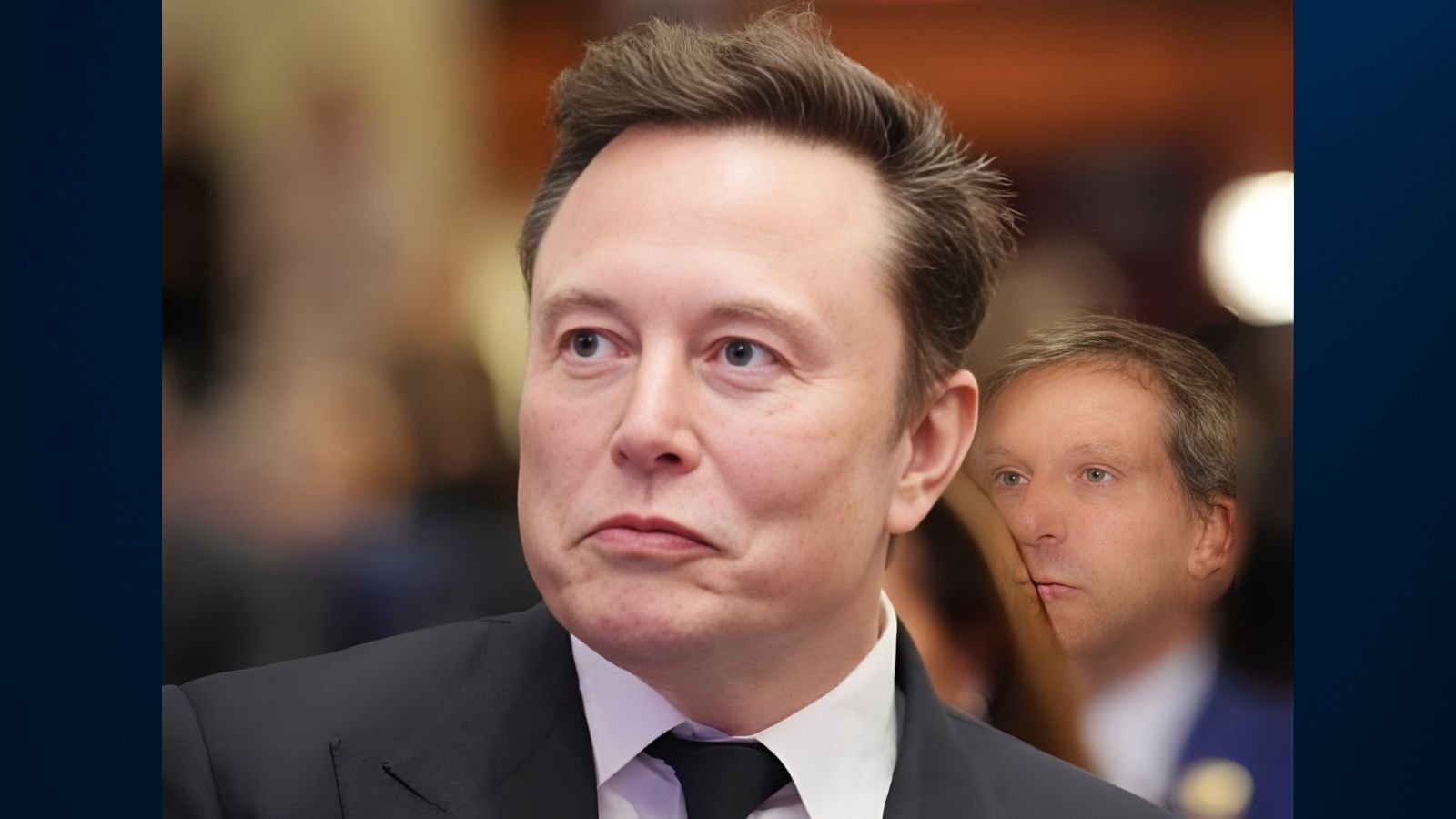
The aftermath of the White House Correspondents’ Dinner shooting has taken a sharper turn after Elon Musk dropped a statement that is now driving intense debate across social media and political circles.
In a post on X, Musk wrote, “If they’re willing to die to assassinate, imagine what they will do if they gain political power,” a line that didn’t just react to the incident, but expanded it into a much bigger warning about ideology, power, and what could come next.
That single sentence reframed the entire conversation. It moved the focus away from one gunman and toward a broader fear that violent intent, if tied to political movements, could scale into something far more dangerous.
A Statement That Goes Beyond the Shooting
The shooting itself was already disturbing, with a suspect attempting to breach security at a high-profile political event before being stopped by Secret Service agents, but Musk’s comment shifted attention from the act to the mindset behind it.
His argument is simple but heavy. If someone is willing to die for a cause, then gaining political power could remove the limits that currently hold them back, turning isolated violence into something more organized and widespread.
That idea taps into a deeper fear many people already have, that extreme beliefs are no longer on the fringe, but are slowly moving closer to positions of influence and authority.
If they’re willing to die to assassinate, imagine what they will do if they gain political power
— Elon Musk (@elonmusk) April 26, 2026
The Internet Splits Instantly
The reaction was immediate and divided, showing just how polarizing Musk’s framing is.
Some people rejected the premise entirely, arguing that power is already concentrated and that political divisions are just a distraction, with one comment stating, “They’re already in power and they control both parties. The left vs. right narrative is a distraction.”
Others went after Musk directly, accusing him of escalating tension instead of reducing it, saying, “This is how everyone knows it’s fake. You chime in with stupid propaganda instead of trying to calm tensions. Keep lighting the wicks, but don’t be shocked when it all blows up in your face.”
Then there were more alarmist reactions that leaned into Musk’s warning, predicting extreme outcomes if political control shifts, including claims about the loss of free speech, mass arrests, and irreversible political dominance.
What Musk Is Really Pointing At
Strip away the noise, and Musk’s comment is raising one core question. What happens when extreme conviction meets real power?
He is not just talking about violence. He is talking about the transition from belief to authority, from isolated actors to systems that can enforce those beliefs at scale.
History has shown that dangerous ideologies become far more impactful once they are backed by institutions, resources, and legal power, and Musk’s statement seems to tap directly into that fear, whether people agree with him or not.
Fueling Fear or Highlighting Reality?
This is where the real divide sits.
Some people believe statements like this are necessary, that ignoring warning signs is how situations spiral out of control. Others believe this kind of rhetoric adds fuel to an already unstable environment and risks pushing more people toward fear-driven thinking.
The timing matters too. Coming right after a violent incident, emotions are already high, and any strong statement is more likely to amplify reactions rather than calm them.
That raises another question about responsibility. When influential figures speak during moments like this, are they helping people understand the situation, or pushing it further into chaos?
A Narrative That Keeps Growing
This is no longer just about what happened at one event.
It has turned into a wider argument about power, control, and the future direction of politics, with Musk’s comment acting as a catalyst that pulled those concerns to the surface in a very direct way.
Different people are hearing completely different messages in the same sentence. Some hear a warning. Others hear propaganda. Others see it as proof that the system itself cannot be trusted.
And that gap in interpretation is exactly why the conversation keeps getting louder instead of settling down.
Do you think Elon Musk is exposing a real danger about power and extremism, or is he making an already tense situation even more volatile?