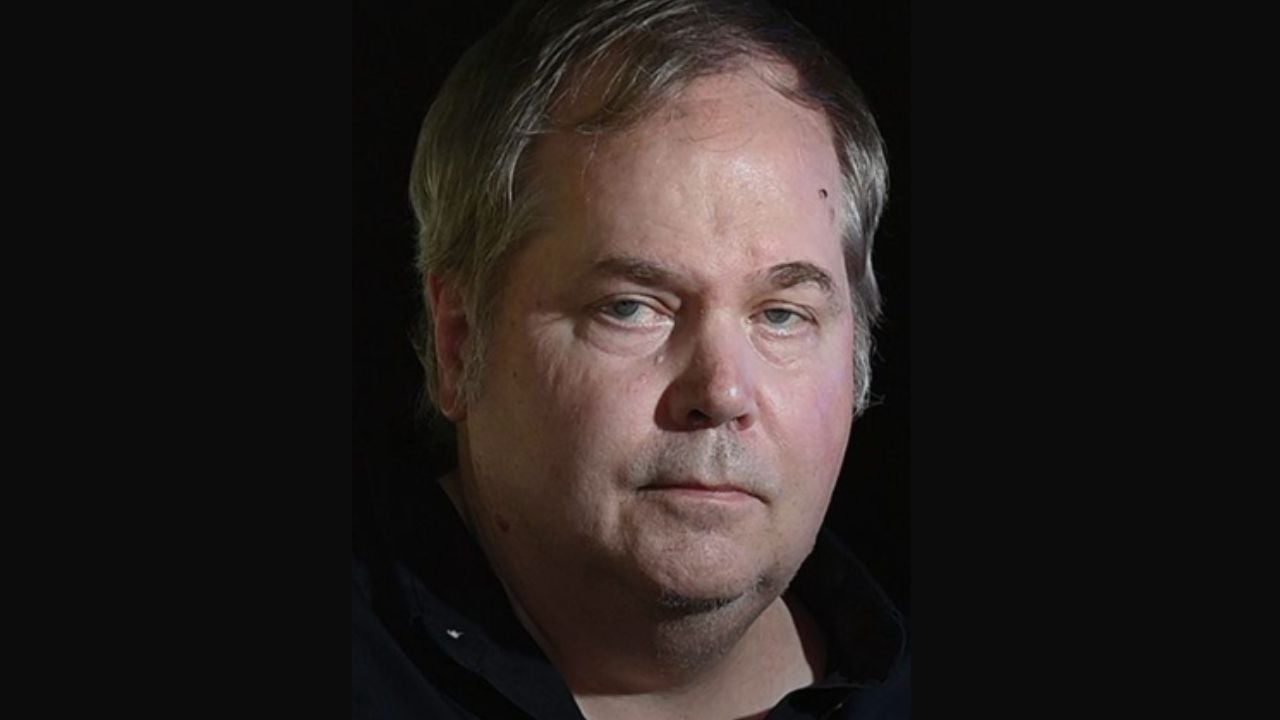
John Hinckley Jr. has addressed Jodie Foster again more than 45 years after his fixation on the actress became part of the delusional thinking behind his attempt to assassinate President Ronald Reagan. In a rare new interview, Hinckley said he hopes Foster is doing well and has a good life.
The 71-year-old was speaking on The Mark Joseph Show when he was asked about Foster. “I just wish Jodie Foster well,” he said, according to Entertainment Weekly’s preview. “I don’t really see her movies, but I wish her well, and I know she’s doing quite well.”
Hinckley also revisited the delusional thinking he says drove his actions at the time. He recalled believing that Foster would eventually join him even if the shooting resulted in him being imprisoned or hospitalized, and acknowledged when asked that she herself could have become a target instead.
Foster has rarely discussed the episode publicly, but she spoke in 2024 about the trauma surrounding that period of her life. Her account included Hinckley’s letters and the assassination attempt as well as a separate armed man who appeared at a college play in which she was performing.
Hinckley Says He Once Believed Foster Would Join Him
Hinckley told host Mark Joseph that his imagined ideal outcome had been a life with Foster. “I wanted to have a union with Jodie Foster and live the rest of my life with her and all these things that, of course, were delusional,” he said. “But I was believing those things at the time.”
Joseph asked whether Hinckley had considered that the shooting could result in imprisonment or hospitalization. “I thought she would, you know, after things settled down, join me wherever I was,” Hinckley answered. “I wasn’t sure if I was gonna be in jail or the hospital or what. But after things settled down, I had this notion that she was gonna join me wherever I was.”
Hinckley’s fixation developed after he saw Foster in Martin Scorsese’s 1976 film Taxi Driver. He was 25 when he opened fire outside the Washington Hilton on March 30, 1981, after Reagan had addressed an AFL-CIO gathering. Reagan was wounded, along with White House press secretary James Brady, Secret Service agent Timothy McCarthy and Metropolitan Police officer Thomas Delahanty. Hinckley was found not guilty by reason of insanity in 1982 and committed to psychiatric care.
He Acknowledged Foster Could Have Been a Target Instead
The interview moved into darker territory when Joseph asked whether Foster herself could have been a potential target of Hinckley’s violence. “Right, yeah. She definitely could have been a target,” Hinckley responded. “It’s just, fate went the other way.”
“As fate turns out, it was Reagan instead of her,” he added. Hinckley was discharged from St. Elizabeths Hospital in 2016 under court-imposed conditions after more than three decades of psychiatric treatment. A federal judge lifted his remaining restrictions in June 2022, ending limits that had included controls on his travel and internet use.
Foster Has Linked That Period to Her Decision to Avoid Theater
Foster offered one of her rare detailed accounts of that period during a 2024 conversation with Jodie Comer. In the original Interview Magazine conversation, Foster explained that the college play she was performing took place over two weekends. She completed the first weekend, and Hinckley shot Reagan before the second.
“The world fell apart, there were Secret Service people everywhere, I had bodyguards, and I had to be taken to a safe house,” Foster recalled. She nevertheless returned for the second weekend because she believed “the show must go on.”
Foster said a man she noticed sitting in the front row for a second night was later discovered to have brought a gun to the performance. She described him as a separate person from Hinckley and said he was subsequently on the run. “It was a traumatic moment, and I’ve never admitted that maybe that has something to do with how I never wanted to do a play again,” Foster told Comer.
Entertainment Weekly and PEOPLE reported that representatives for Foster were contacted for comment about Hinckley’s new remarks. Neither report included a response from her.