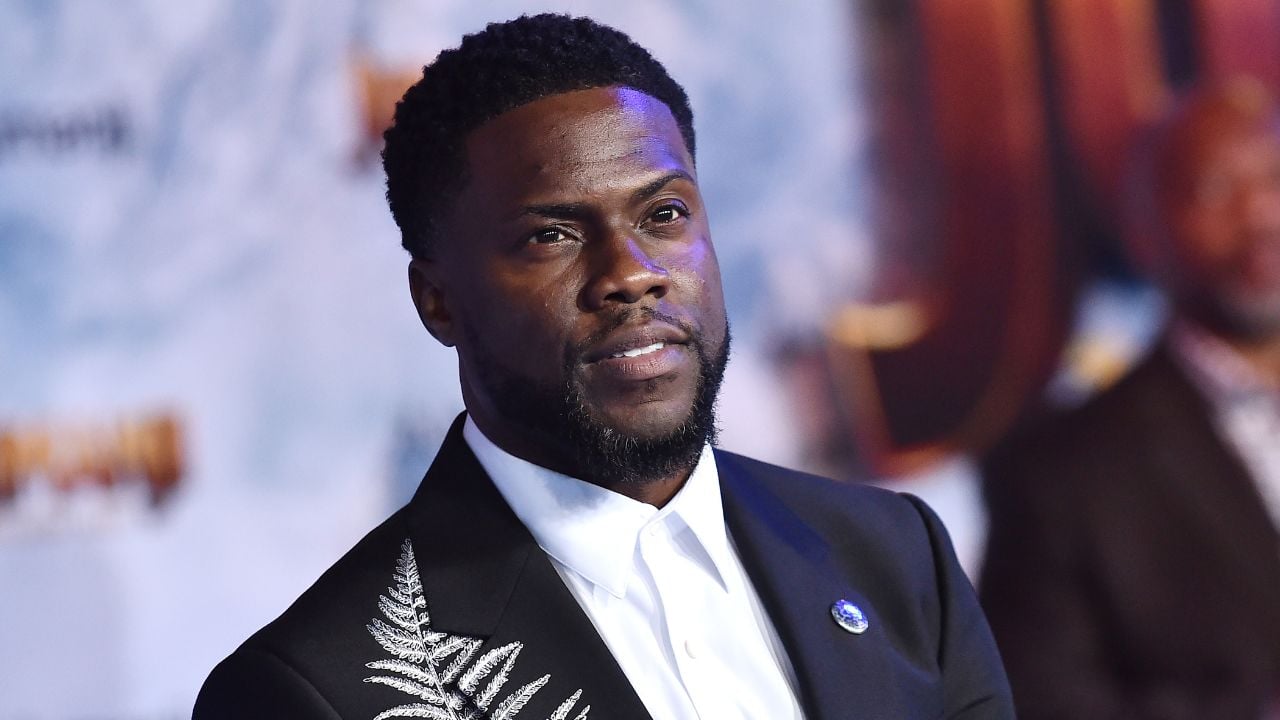
Kevin Hart has spent years throwing and taking brutal jokes, but even he sees one celebrity as off limits for a roast.
During a new appearance on Jimmy Kimmel Live!, Hart reflected on The Roast of Kevin Hart and the future of celebrity roasts. When Kimmel asked whether Oprah Winfrey could ever be the subject of one, Hart immediately shut down the idea.
Hart joked that if Winfrey ever said she wanted to do it, he would drive to her house to stop her. He compared roasting her to defacing a masterpiece, making clear that even in a comedy format built around insult, some figures carry a different kind of cultural weight.
Hart Said Oprah Is Different From Other Big Names
Hart told Kimmel that the next roast target would need to be both brave enough and famous enough to handle the full force of the format. He floated LeBron James as a possible name because of his massive cultural visibility.
When Kimmel suggested Winfrey, Hart’s reaction was immediate. According to Page Six, Hart said, “You cannot do this,” and pushed back on the idea that Winfrey should ever sit in the roast chair.
Hart was not saying Winfrey cannot be joked about. He was saying her public image, career, philanthropy, and cultural status make her a bad fit for a format designed to take the guest of honor apart for laughs.
The Comment Came After Hart Survived His Own Roast
Hart’s answer landed because he had just experienced the format from the hottest seat in the room. The Roast of Kevin Hart streamed live on Netflix on May 10 as part of Netflix Is a Joke Fest 2026.
Netflix described the special as a celebrity-packed night hosted by Shane Gillis, with appearances from comedians, actors, athletes, and longtime Hart friends. Dwayne Johnson, Tom Brady, Katt Williams, Sheryl Underwood, Chelsea Handler, Pete Davidson, Jeff Ross, Tony Hinchcliffe, Regina Hall, and others were part of the event.
The special later reached No. 1 on Netflix’s English TV list with 13.5 million views for the week of May 11. That success explains why Kimmel asked Hart who could carry the next roast.
Dwayne Johnson’s Joke Was the One That Surprised Him
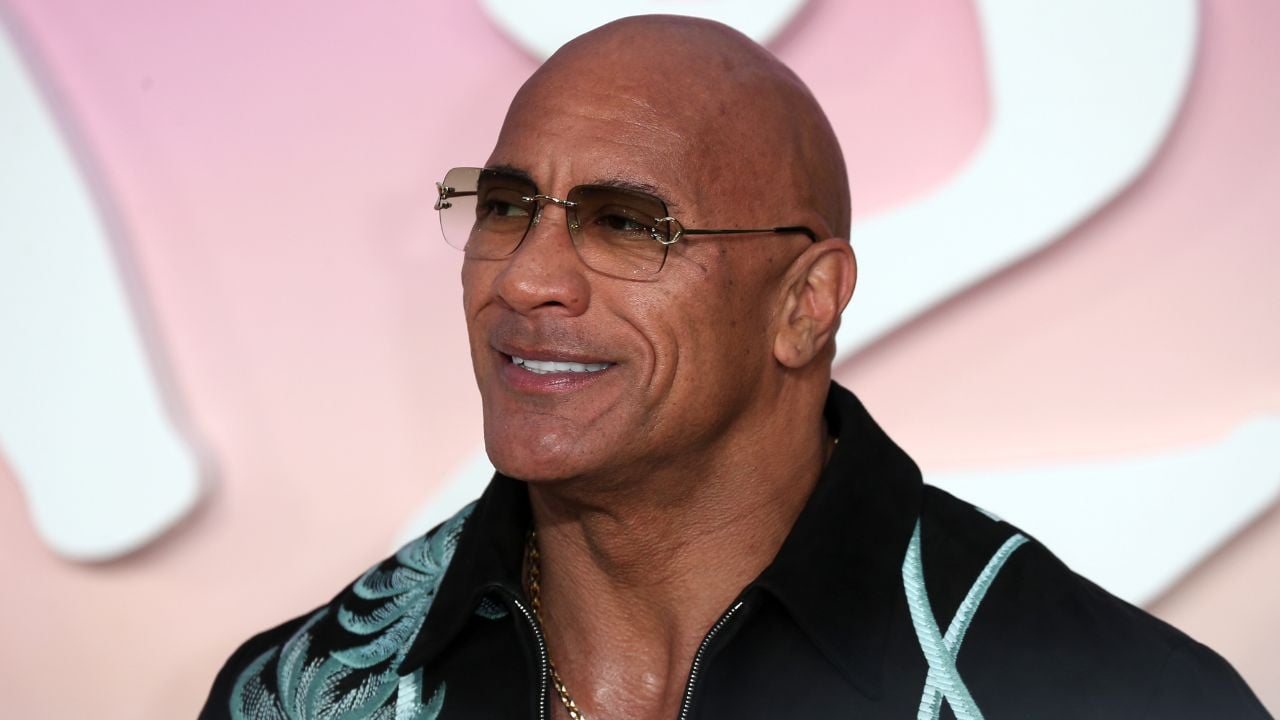
Hart said most of the jokes did not hurt his feelings, but one moment from longtime friend Dwayne Johnson caught him off guard.
Page Six reported that Johnson used an unflattering image of Hart’s late father during his set, comparing it with a more polished photo of his own father, Rocky Johnson. Hart called it the worst picture he had ever seen of his father, while still acknowledging that the joke worked inside the roast format.
That detail gives Hart’s Oprah answer more context. He understands how rough these events can get because he just sat through one where even personal family material became part of the punchline.
Netflix Has Turned Roasts Into Streaming Events Again
Netflix has helped turn celebrity roasts back into appointment viewing. Hart hosted The Roast of Tom Brady in 2024, then became the target himself two years later.
The format blends stand-up, celebrity spectacle, sports culture, social media reaction, and the uneasy thrill of watching famous people agree to be publicly mocked. The risk is built into the appeal. A good roast needs sharp jokes, but the line between brutal and careless can become part of the story almost immediately.
Hart’s roast proved that point. The special drew attention for its star power and viewership, but it also sparked criticism over some of the material, including a Tony Hinchcliffe joke referencing George Floyd. Hart later defended the context of roast comedy while acknowledging that not every joke is one he would personally tell.
Why Oprah Feels Like the Wrong Target
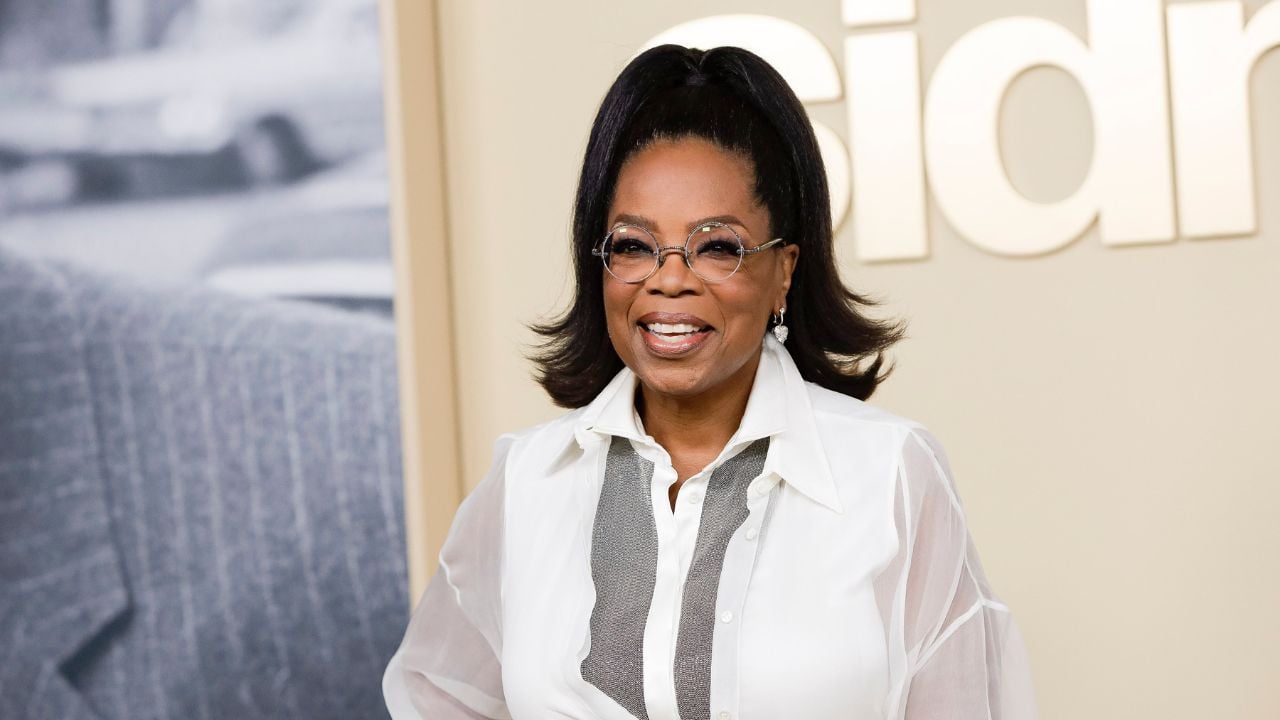
Winfrey is a rare case because her public identity rests on empathy, vulnerability, self-improvement, philanthropy, media power, and decades of intimate conversations with guests. She is famous enough to headline any roast, but fame alone is not the issue.
A roast works best when the subject’s public image has enough ego, scandal, absurdity, rivalry, or competitive energy for comedians to attack without making the whole event feel sour. Hart’s reaction suggested that Winfrey’s stature changes the equation.
Winfrey has been parodied and joked about before. A full roast is different. It asks the guest to sit still while comics spend hours dismantling the public image that made them famous. Hart’s instinct is that Oprah’s image should not be handled that way.
LeBron James Makes More Sense in Hart’s Roast Logic
Hart’s LeBron James example helps clarify what he thinks the next roast needs. James has the scale, confidence, public debate, sports legacy, business empire, and endless cultural conversation that a roast could use.
He is admired, but he is also argued about constantly. The jokes already exist inside public debate about championships, longevity, social media, Lakers pressure, family branding, and all-time rankings.
Winfrey sits in a different lane. Hart’s reaction suggested that roasting her would feel less like playful deflation and more like damaging something people treat with reverence.
Hart Still Believes in Roasts, Just Not for Everyone
Hart’s Oprah answer came from someone who clearly still believes in roast culture. He was not arguing that comedians should avoid risk or that famous people should never be mocked.
He was drawing a practical line. A roast depends on the right target, the right room, and a guest who can take the hit without changing the mood of the entire event.
For Hart, Oprah Winfrey is not that target. LeBron James might be. Tom Brady was. Hart was. Oprah, in his view, belongs outside the chair.