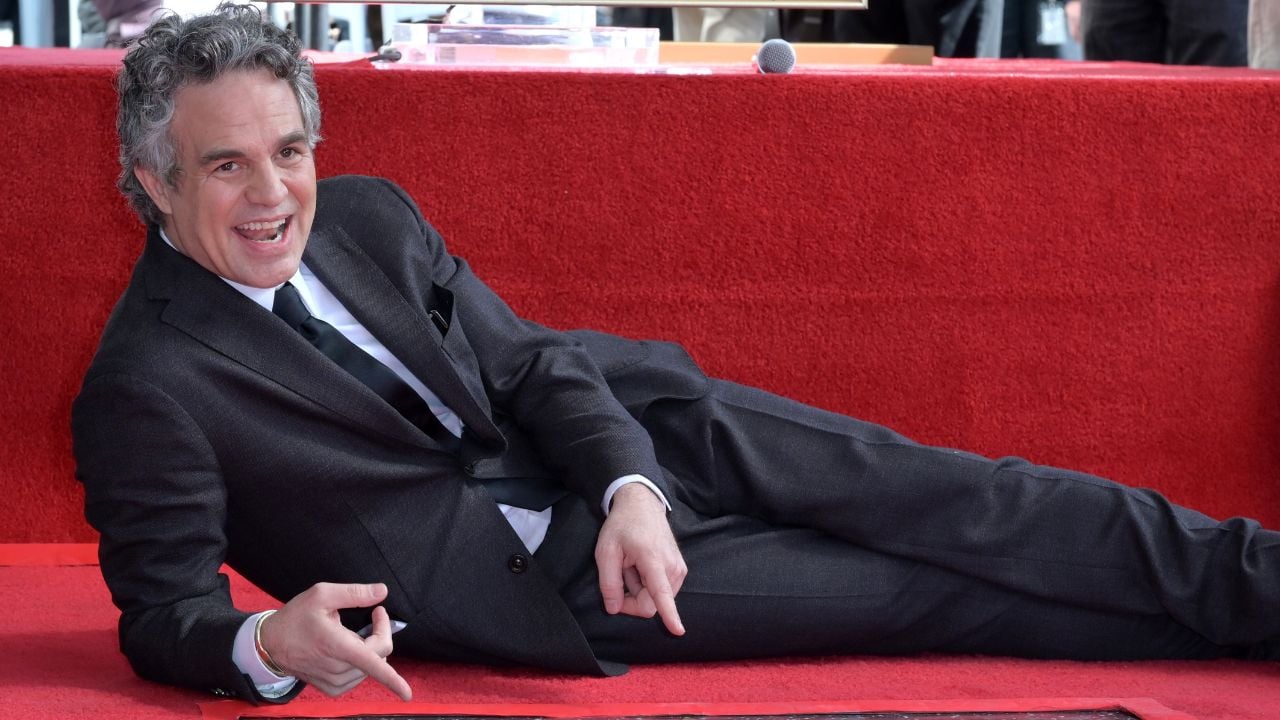
Mark Ruffalo is rejecting Paramount Skydance’s accusation that his criticism of the company’s proposed Warner Bros. Discovery acquisition invoked antisemitic tropes.
The actor responded in an August 22 X post, calling the accusation “appalling and fundamentally dishonest.” Ruffalo argued that criticizing Israeli government policy, military technology contracts or corporate executives should not automatically be interpreted as hostility toward Jewish people.
The dispute began after Ruffalo shared a video involving Oracle executive vice chair and Paramount board member Safra Catz while attacking the proposed merger and the Ellison family’s business interests. Paramount then issued an unusually pointed response, telling Variety that it was troubled by what it described as antisemitic tropes being invoked in a business dispute.
Ruffalo has opposed the Paramount-Warner Bros. deal for months on antitrust, employment and media-consolidation grounds. The approximately $111 billion transaction has cleared a federal antitrust review but remains on hold because of a lawsuit brought by California and 11 other states.
Ruffalo Says His Criticism Was About Policy and Corporate Power
In his response to Paramount, Ruffalo said his comments were directed at political decisions, corporate relationships and the use of technology rather than Jewish people. “Criticizing the actions of the Israeli prime minister, a military technology contract, or the executives who supply it is not the same as criticizing Jewish people,” he wrote.
Ruffalo said his political views “should never be interpreted as hostility toward Jewish people” and spoke about the influence Jewish friends, colleagues and loved ones have had throughout his life.
He also returned to the merger itself. According to Variety, Ruffalo argued that scrutiny of the Ellison family, Oracle’s data and surveillance businesses and the possible effects of the acquisition on employment and editorial independence remained legitimate matters for public debate.
The Fight Started With a Video of Oracle Executive Safra Catz
Ruffalo’s original August 21 comments accompanied a resurfaced clip of Catz discussing Oracle’s response to the October 7, 2023 Hamas-led attacks on Israel.
In the footage, Catz referred to Oracle having “really profoundly scary technology” that the company wanted to make available to Israel. Oracle has longstanding business relationships with Israeli government and defense entities, including providing software and technology services.
Ruffalo connected Catz’s remarks to Oracle co-founder Larry Ellison, whose son David Ellison leads Paramount Skydance and its proposed acquisition of Warner Bros. Discovery. Larry Ellison has agreed to personally backstop tens of billions of dollars in equity financing for the transaction.
Ruffalo used the terms “genocide” and “apartheid” while criticizing Israel’s conduct toward Palestinians and describing the system he believes Oracle has helped support. He also warned about combining powerful technology, data and media assets under a company controlled by the Ellison family.
Paramount Said Ruffalo’s Language Crossed a Line
Paramount responded by saying it was troubled when “antisemitic tropes” were invoked in what it characterized as a corporate dispute. Paramount called that framing “a bridge too far” and said it cheapened the suffering those terms are intended to describe.
The company also said it does not tolerate prejudice against anyone. After Ruffalo published his response, a Paramount spokesperson told NBC that the company would have no further comment, according to The Guardian.
The dispute adds another front to Ruffalo’s months-long campaign against the acquisition. In April, he participated in a Senate antitrust forum organized by Sen. Cory Booker and warned that combining the companies could cost entertainment workers their jobs and place more media power under one corporate structure. “Don’t trust empty promises from billionaires driven by greed and corrosive ideology,” Ruffalo said during the April forum.
Jewish Advocacy Groups Have Backed Paramount’s Criticism
The Simon Wiesenthal Center backed Paramount’s response, with CEO Jim Berk saying there must be a line between legitimate political debate and antisemitic tropes. Creative Community for Peace went further, accusing Ruffalo of repeatedly crossing from criticism of Israel into antisemitic messaging and calling on the entertainment industry to stop platforming him unless he retracts the remarks and apologizes.
The Anti-Defamation League and Jewish Federation Los Angeles also objected. TheWrap reported that ADL CEO Jonathan Greenblatt criticized Ruffalo for bringing Israel into his argument against the merger, while Jewish Federation Los Angeles CEO Noah Farkas said the actor’s rhetoric combined themes involving Jewish wealth, media control and global power.
The $111 Billion Deal Is Already Stalled by an Antitrust Lawsuit
The controversy is unfolding against a much larger fight over whether the acquisition can proceed at all. The U.S. Justice Department completed an eight-month antitrust investigation in June and concluded that the transaction was not likely to harm competition or American consumers in streaming, linear television or theatrical film production and distribution.
California Attorney General Rob Bonta reached a different conclusion. In July, he led a coalition of 12 state attorneys general in suing to block the deal, arguing that combining Paramount and Warner Bros. Discovery would reduce competition in theatrical distribution and basic cable while potentially harming consumers and workers.
The states initially obtained a temporary restraining order, and Paramount and Warner Bros. subsequently agreed not to close the deal until June 1, 2027, or until a court rules on the states’ claims, whichever comes first.
California Canceled Planned Settlement Talks With Paramount
The legal fight took another turn on August 24, hours after reports suggested Paramount and Bonta’s office would meet to explore a settlement. Bonta canceled the planned meeting, accusing Paramount of leaking and misrepresenting details from a confidential preliminary discussion held August 21. Paramount denied leaking the talks and said it remained willing to negotiate in good faith.
Variety had reported before the cancellation that representatives were preparing to discuss a possible resolution. California and the other states have not withdrawn their lawsuit, and a trial is currently expected in March 2027.