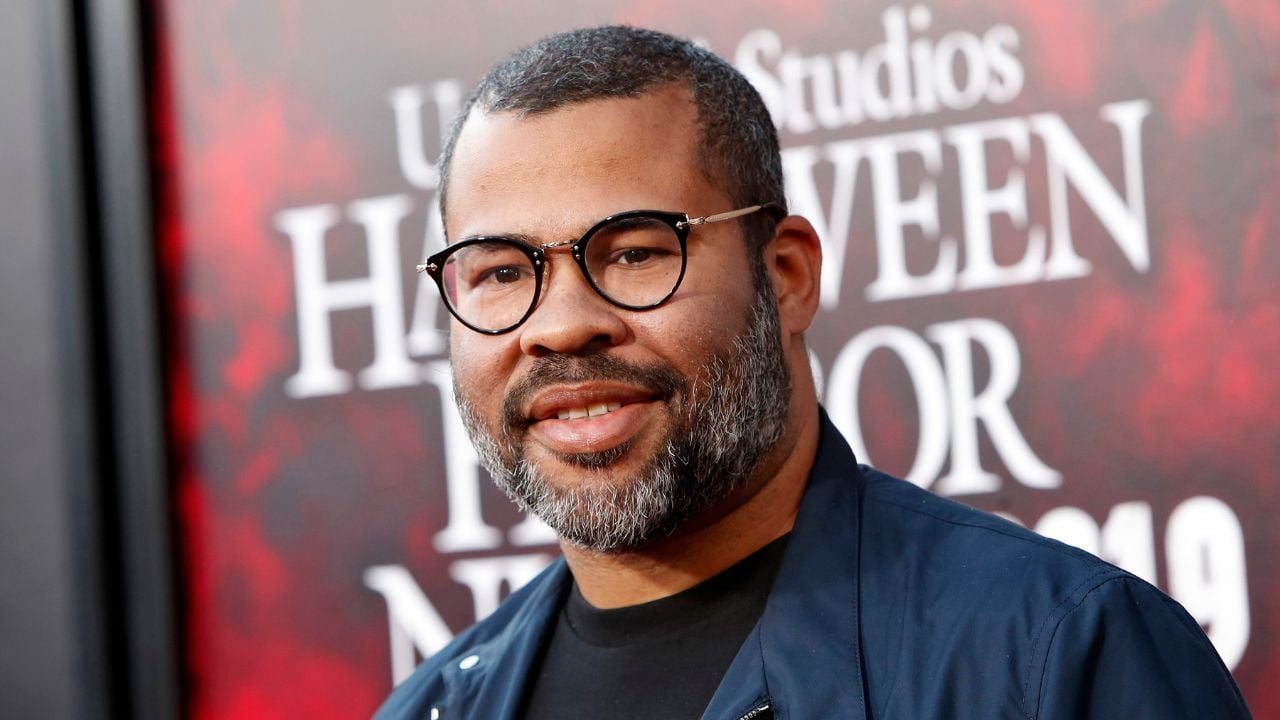
Jordan Peele did not join the new Scary Movie, but his horror legacy still made it into the joke.
The filmmaker behind Get Out, Us, and Nope was offered a chance to appear in the revived horror-spoof franchise and passed. The new movie still includes a Get Out parody, placing Peele’s Oscar-winning breakthrough inside the same pop-culture target range as Scream, Sinners, Longlegs, Smile, M3GAN, Terrifier, and other modern horror titles.
That makes the story more interesting than a rejected cameo. Peele helped reshape horror in the 2010s, and Scary Movie is returning at a moment when horror has become prestige cinema, franchise business, social commentary, streaming obsession, and theatrical event all at once.
Peele Was Asked, but He Did Not Appear
The Hollywood Reporter reported that Peele was offered a chance to appear in the new Scary Movie, which includes a Get Out spoof. The report came as Marlon and Shawn Wayans returned to the franchise they helped create more than 25 years ago.
There is no indication that Peele’s decision was hostile. Turning down a cameo is not the same as rejecting the film, the Wayans family, or the idea of a Get Out parody.
Peele has also largely moved away from live-action acting in recent years, focusing more heavily on directing, producing, writing, and voice work. A cameo in a broad horror parody may not have fit the kind of public creative role he wants right now.
Get Out Was Too Important for Scary Movie to Ignore
Get Out became one of the defining horror films of the last decade. It turned a social thriller about race, liberal performance, body horror, and control into a mainstream box-office event, then won Peele the Oscar for Best Original Screenplay.
That kind of impact makes it almost impossible for a modern Scary Movie to skip. The original Scary Movie worked because it understood which horror images had entered the public imagination. In 2000, that meant Scream, I Know What You Did Last Summer, and the slasher revival. In 2026, Get Out belongs in that same category of instantly recognizable horror language.
The teacup, the Sunken Place, the polite menace, and the sharp contrast between social comfort and hidden violence all became part of pop culture. A spoof franchise built around horror recognition was always going to find its way there.
The Wayans Family Return Changes the Stakes
The new Scary Movie is not only another sequel. It brings Marlon, Shawn, and Keenen Ivory Wayans back to a franchise they created and left after Scary Movie 2.
Kim Wayans told People that the reboot marks a “healing moment” for the family, describing the earlier loss of the franchise as painful. That background gives the new movie a larger behind-the-scenes story than most comedy revivals.
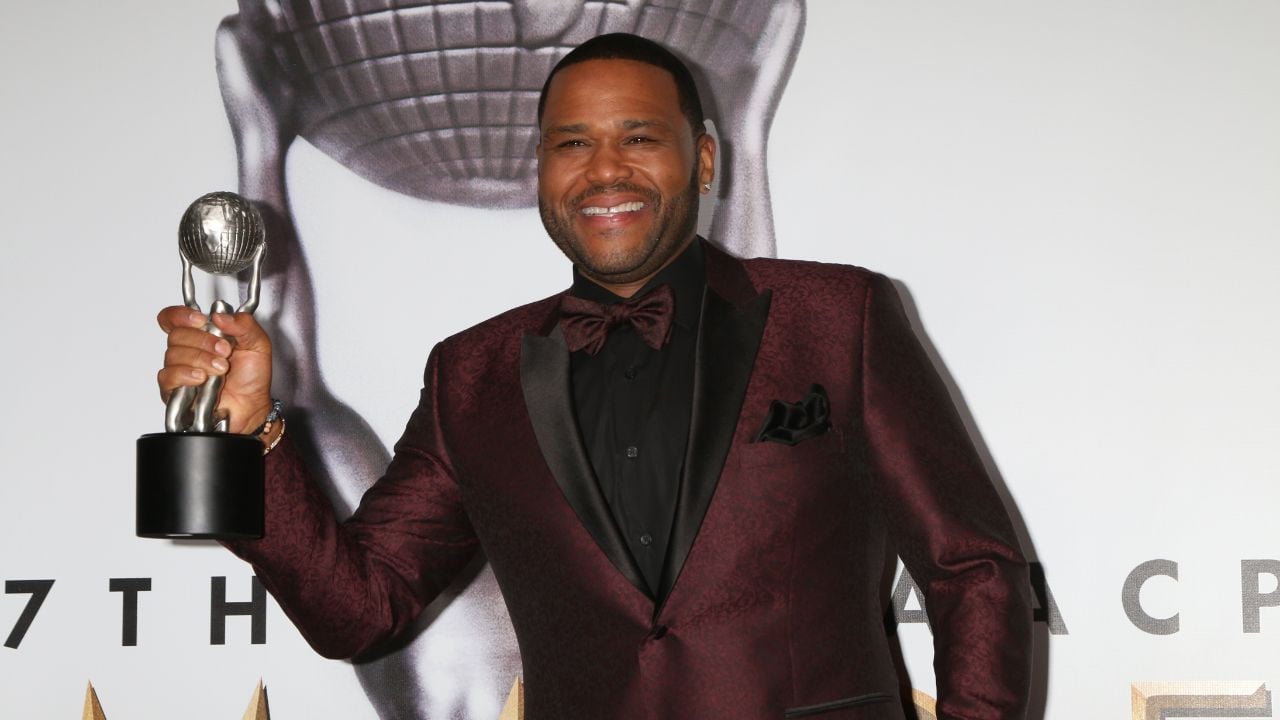
The reboot also brings back Anna Faris and Regina Hall, whose Cindy Campbell and Brenda Meeks helped define the early films. Anthony Anderson, who appeared in Scary Movie 3 and Scary Movie 4, also returns, connecting multiple eras of the franchise.
The New Movie Is Aimed at Modern Horror Culture
The 2026 Scary Movie arrives after horror spent years expanding in several directions at once. Audiences have embraced legacy sequels, viral horror, prestige thrillers, indie shockers, streaming hits, franchise revivals, and director-driven event movies.
That gives the Wayans team plenty to parody. People reported that the film spoofs several recent horror and pop-culture titles, including Get Out, Sinners, Scream V, Scream VI, Weapons, Longlegs, The Substance, and KPop Demon Hunters.
Get Out stands apart inside that group because it did more than create scary images. It changed how audiences talked about horror’s ability to carry social meaning while still working as entertainment. That makes spoofing it trickier than spoofing a killer doll, a masked slasher, or a bloody set piece.
The Joke Has to Be Smart Enough for the Source
A Get Out parody has a difficult job. The original film is already funny in places, but the humor is controlled, uncomfortable, and tied to character behavior. A broad spoof has to exaggerate without flattening what made the movie sharp.
That is the central challenge for Scary Movie in 2026. Horror audiences have become more fluent. They know the references, the subgenres, the online debates, the director brands, and the difference between parody and lazy name-checking.
If the Get Out spoof works, it can show that the franchise still understands how horror culture has changed. If it only points at familiar moments, it risks proving that modern horror has moved faster than the old parody machine.
Peele’s Absence May Help the Joke Breathe
A Peele cameo would have been a huge headline, but his absence may make the spoof cleaner. If Peele appeared, the scene could become about his approval instead of the joke itself.
Without him, the movie has to stand on the strength of its parody. That places the responsibility back where it belongs: on the writing, timing, performance, and the Wayans’ ability to turn a famous horror moment into something surprising.
It also keeps Peele’s relationship to the movie simple. His work is being spoofed because it became culturally large enough to spoof. That is a strange kind of compliment in a franchise built on targeting whatever horror has become too big to ignore.
The Cameo Hunt Shows How Big the Reboot Wants to Feel
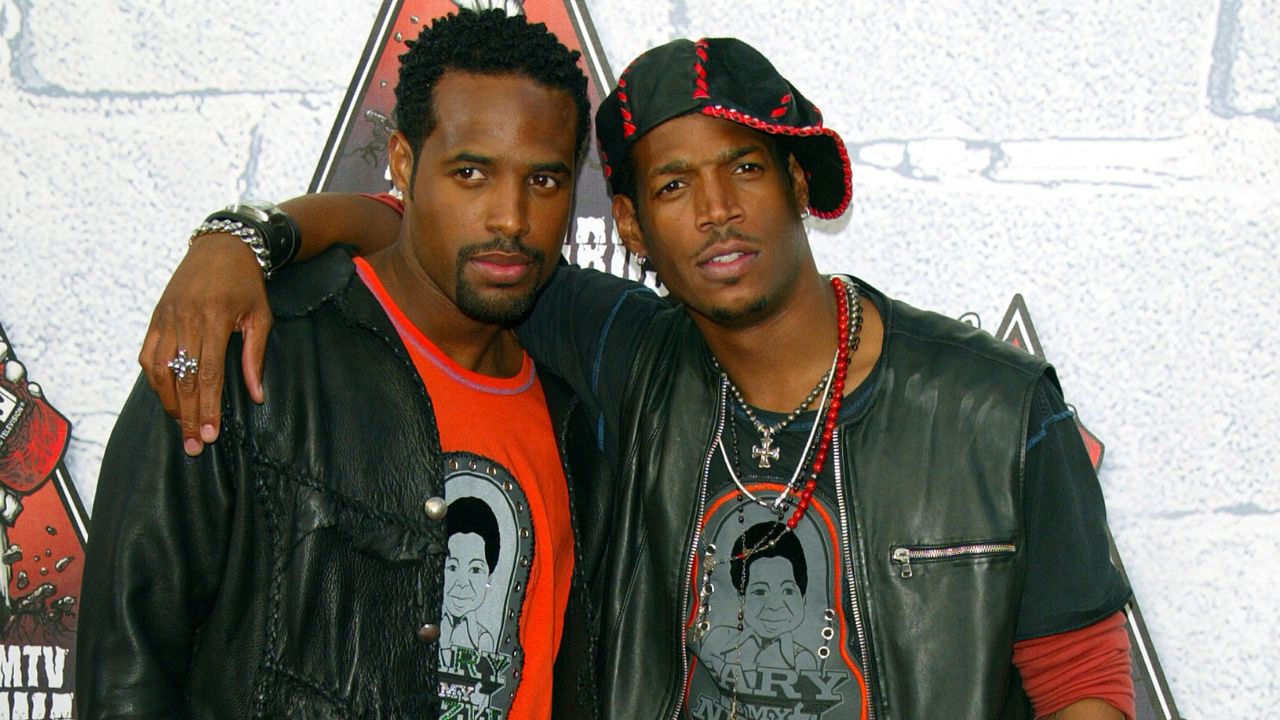
The Peele report also fits a broader pattern around the new Scary Movie rollout. Marlon and Shawn Wayans have already talked publicly about reaching out to major names for cameos, including Whoopi Goldberg and Cardi B.
That kind of casting chase makes sense for a spoof franchise. Cameos have always been part of the genre’s energy, especially when the audience recognizes the guest before the joke fully lands.
Still, the movie cannot depend only on surprise appearances. A cameo can create a loud moment. It cannot carry a feature comedy if the underlying parody is not sharp enough.
The Real Story Is Horror’s New Respectability
Peele turning down Scary Movie is a small news item. Get Out being parodied in Scary Movie is the bigger cultural point.
When the first Scary Movie arrived, horror was often treated as disposable, even when it was commercially powerful. Today, horror directors are Oscar winners, festival favorites, franchise builders, streaming anchors, and major studio players.
Peele is one of the main reasons that shift became visible. His work gave horror a new kind of mainstream critical authority. Now the genre is successful enough, serious enough, and self-aware enough to be spoofed by a franchise that helped define horror parody for a previous generation.