
A weekend-long internet storm erupted this week after Sexyy Red, the breakout rap star known for her bold lyrics and unapologetic personality, sparked major backlash by dropping her own explicit twist on Michael Jackson’s legendary hit Beat It. The viral clip, which quickly spread on social media, prompted Michael Jackson’s estate to issue a rare and forceful statement saying the remake was totally unauthorized and not approved for any official release.
Let’s break down what happened, why this matters far beyond a single remix, and how two very different generations of music are now clashing in the digital spotlight.
Who Is Sexyy Red?
Born Janae Nierah Wherry and raised in St. Louis, Missouri, Sexyy Red has become one of the most talked-about figures in hip-hop thanks to her bold flair and catchy, provocative style.
She first gained major attention in 2023 with her breakout single Pound Town, which blew up online and later earned a high-profile remix with Nicki Minaj that entered the Billboard Hot 100, a huge milestone for the then-emerging rapper.

Her music is often characterized by unapologetically sexual lyrics, punchy one-line delivery, and a raw, self-confident persona that has made her both a fan favorite and a lightning rod for criticism.
She’s also no stranger to mainstream moments. In 2023, she was nominated for the Best Breakthrough Hip Hop Artist award at the BET Hip Hop Awards, and her songs “SkeeYee” and “Get It Sexyy” helped cement her commercial profile.
But now, her artistic choices have put her in a very different conversation, one about respect for musical legacies and copyright.
The Remix That Set Off Social Media
The controversy began when another artist, Lil Yachty, posted studio footage of Sexyy Red in the booth, meandering through her take on Michael Jackson’s 1983 hit Beat It, playfully retitled Just Eat It.
In the clip, she raps over the instantly recognizable beat with explicit, raunchy lyrics that play off the original chorus, turning Beat It’s anti-violence theme into something far more playful and adult. Yachty even joked in his caption that it was a “sneak peek” of the upcoming Michael Jackson biopic soundtrack, a tongue-in-cheek remark that helped the video spread like wildfire.
However, what started as a viral meme quickly drew ire from fans of the late King of Pop, many of whom were upset that such an iconic song was being reinterpreted in a way that had nothing to do with its original message.
Jackson’s Estate Issues a Swift, Unusual Statement
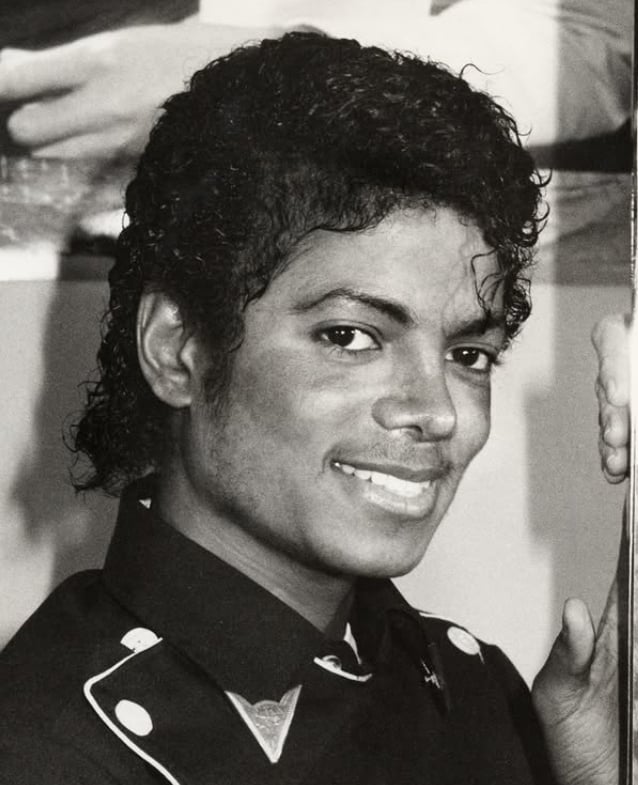
What makes this moment particularly notable is how Michael Jackson’s estate responded. In a statement to Billboard, representatives said they were completely unaware of the remix’s creation and emphasized that the use of the music was “unauthorized.”
Unlike licensing deals or authorized samples, which artists submit for approval, this version of Beat It was apparently neither cleared nor scheduled for release. The estate’s legal control over Jackson’s catalog is famously protective, and this situation wasn’t taken lightly.
That kind of response is rare, especially in an age where artists often remix or sample classic tracks informally on TikTok or Instagram, but it underscores how closely Jackson’s legacy is monitored.
Why Beat It Is So Much More Than a Song

To understand why this became a flashpoint, we need to revisit how iconic “Beat It” is.
Released in 1983 as part of Jackson’s Thriller album, the song was a cultural milestone, topping the Billboard Hot 100 and helping Thriller become the best-selling album of all time.
It wasn’t just a hit; it was socially significant. With a blistering guitar solo by Eddie Van Halen and a message about walking away from violence, Beat It helped bridge racial divides on radio and music television in the early MTV era.
Millions of fans across generations hold it as a defining moment in pop music, and Jackson’s estate has carefully stewarded its legacy since he died in 2009. Given that history, it makes sense that the estate would want to protect how the song is used, especially when the new version totally flips its mood and meaning.
Sexyy Red’s History Shows She Loves the King of Pop, But Does That Matter?
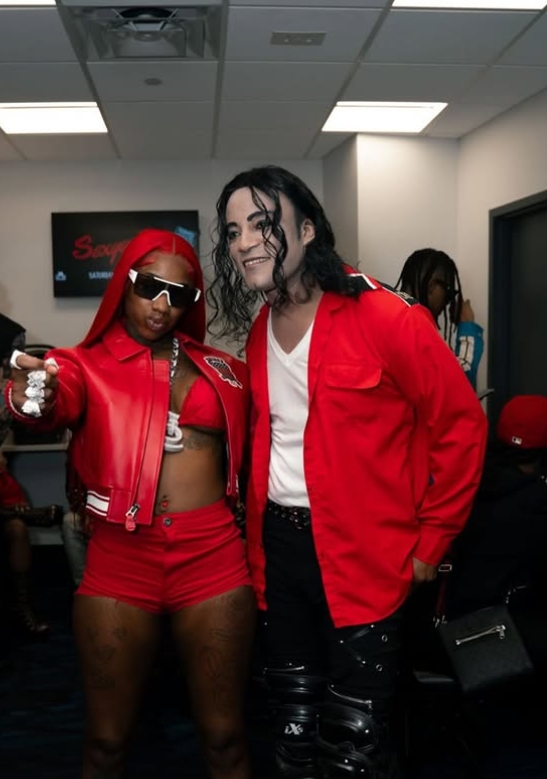
Interestingly, this isn’t the first time Sexyy Red has acknowledged Michael Jackson’s influence. Last year, she invited a Michael Jackson impersonator to perform “Billie Jean” during a hometown show in St. Louis, which many fans saw as a warm tribute.
That twist makes this clash a little more complex. Was her remix meant to pay homage, or simply troll for online attention? The jury is still out, and opinions online vary wildly.
What’s clear is that she didn’t seek official approval before sharing the studio snippet, and that’s what drew the estate’s ire.
A Broader Conversation on Artistic Freedom

This whole moment opens up a bigger debate about artistic freedom today. It’s common for songs to be remixed, sampled, or reinterpreted on social media without formal licensing, often as part of meme culture or DIY creativity.
But Beat It isn’t just any song; it’s part of music history and carries enormous cultural weight. That means the estate’s protective stance isn’t just about money or control, it’s about legacy and how future generations perceive the music.
Critics of the estate argue that some amount of remix culture should be embraced by legacy artists, especially as platforms like TikTok continue to reshape how songs live and evolve. Supporters of the estate argue that maintaining artistic integrity is important, especially for artists like Jackson, whose careers were built on precision, choreography, and the careful crafting of image and meaning.
Both sides have valid points, but what’s undeniable is that the conversation sparked by this moment goes far beyond a viral clip.
When Legends Meet Viral Culture

So where does Sexyy Red stand now? As of this writing, she hasn’t issued a public statement directly addressing the estate’s claim or explaining whether she intends to pursue official licensing.
The viral nature of the video means this controversy won’t fade quickly. The fact that it has drawn commentary from music journalists, entertainers, and fans worldwide shows just how powerful Beat It remains, and how complicated remix culture can be in the streaming age.
And with the upcoming Michael biopic set for release this April, which has already stirred its own debates about Jackson’s legacy, this controversy raises even more questions about how classic music is reused and reimagined today.
The clash between Sexyy Red’s remix and Michael Jackson’s estate highlights a deeper cultural tension: What does it mean to honor a legacy in this current era of rapid replication and reinvention?
Michael Jackson’s music helped define a generation and transcended racial and musical boundaries. Sexyy Red’s remix, wild, explicit, and controversial, embodies a different era where virality can be as powerful as artistry. When the past and present collide like this, it’s messy, fascinating, and undeniably part of the ongoing evolution of music in the internet age.
What happens next, be it removal orders, legal action, or unexpected collaboration, will be worth watching. But one thing is clear: when the King of Pop is involved, everyone is paying attention.