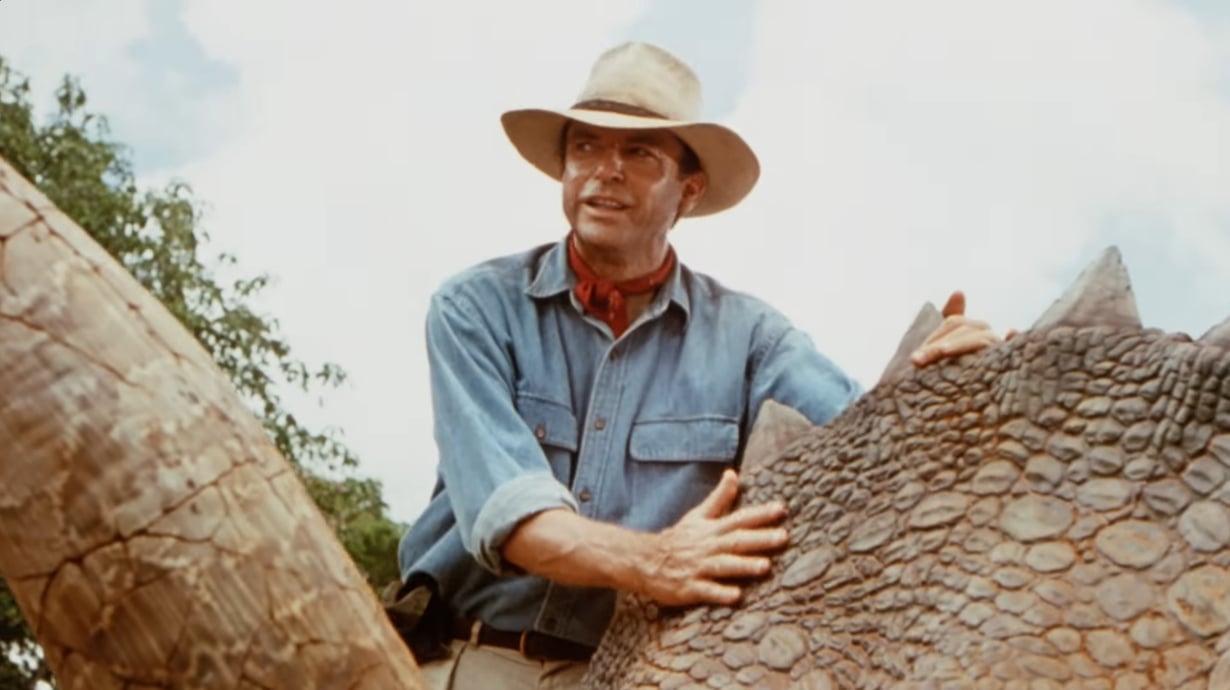
Some movies have a strange kind of staying power that feels impossible to explain until you watch them again. You already know every line, every twist, and every emotional beat, yet somehow they still pull you in like it’s the first time. These are the films you stop scrolling for when they pop up on TV, the ones you rewatch “just for a few minutes” and then finish completely.
They don’t rely on shock value or trendy effects that age badly. Instead, they succeed because of strong storytelling, unforgettable performances, and moments that feel permanently etched into pop culture. Their impact just doesn’t fade. These eight movies prove that true rewatchability has nothing to do with nostalgia alone; it’s about craftsmanship that lasts.
The Shawshank Redemption
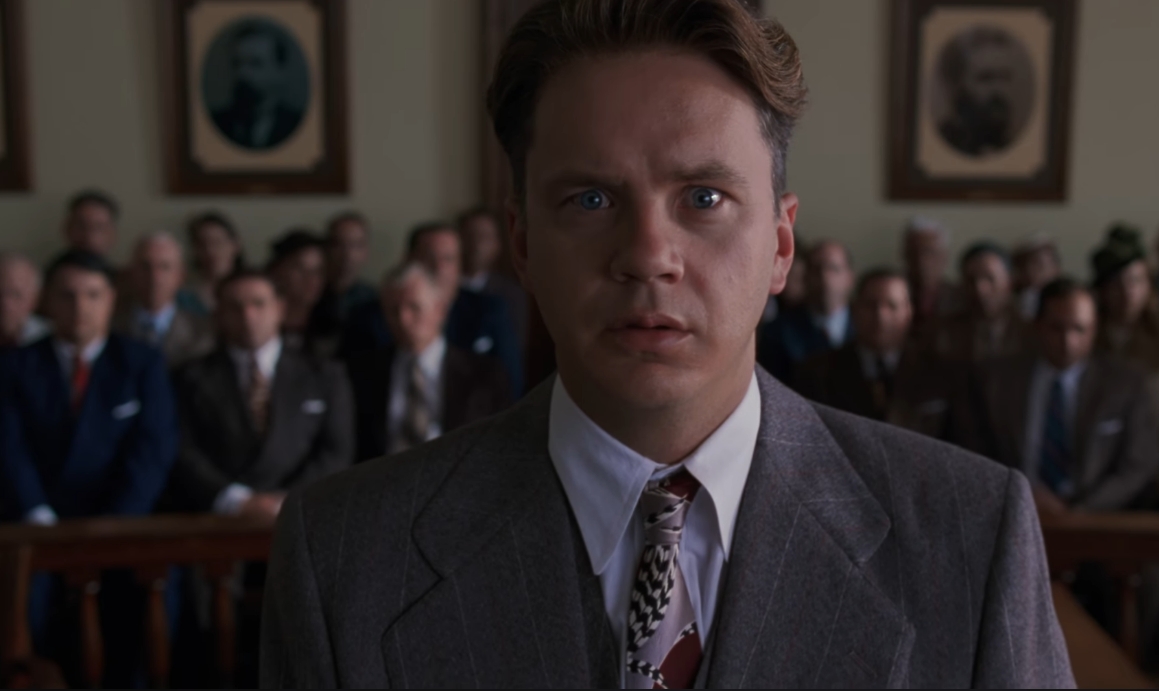
The Shawshank Redemption has ended up on more “greatest movies ever” lists than almost any other modern film, and for good reason. Directed by Frank Darabont and adapted from a Stephen King novella, the story follows banker Andy Dufresne, unjustly imprisoned, and his friendship with Red over decades in Shawshank State Penitentiary.
What makes it so endlessly rewatchable isn’t just the plot twists; it’s the emotional depth, the way its themes of hope, resilience, and forgiveness land again and again, even when you know the ending. Morgan Freeman’s iconic narration delivers warmth and gravitas that has become a comfort soundtrack for many viewers, while Tim Robbins’ understated performance gives Andy a quiet strength that builds resonance with every viewing.
The film didn’t do massive box office initially, but it took on a life of its own through VHS rentals and word of mouth, becoming one of cinema’s most rented, watched, and quoted movies. Its reputation only grew over the years, with critics and voters naming it one of the greatest films of the 1990s and beyond. The friendship at the core feels real, not manufactured, which is one of the reasons it still moves audiences even after dozens of rewatches.
That ending, the beach reunion under blue skies, isn’t just catharsis, it’s almost cinematic comfort food, a moment that validates every rewatch.
Forrest Gump
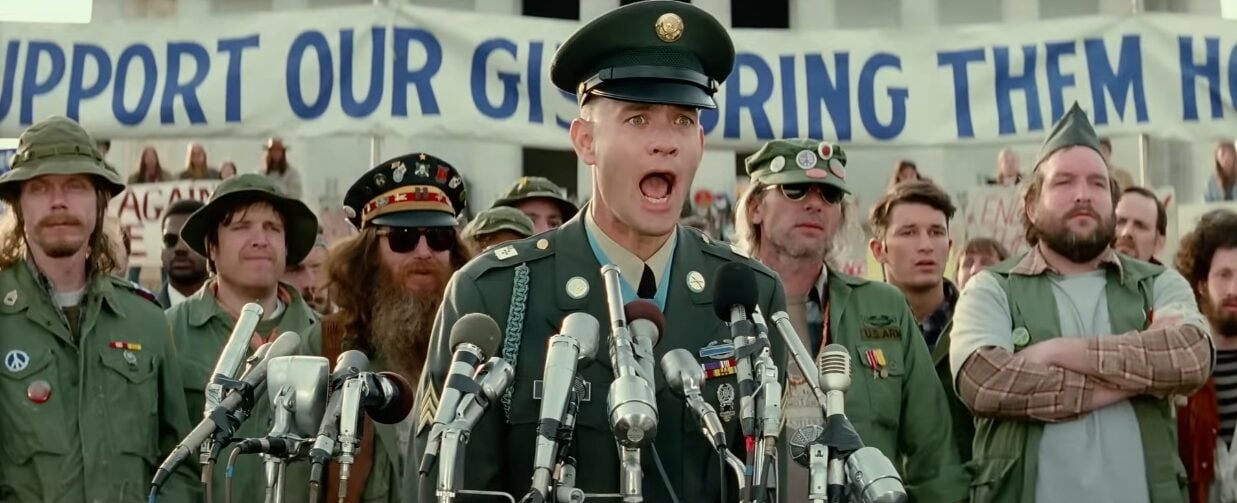
There’s a reason Forrest Gump feels like revisiting an old friend: it wears its heart on its sleeve but never feels manipulative. Robert Zemeckis’ 1994 film blends comedy, drama, and historical fantasia by tracking its titular character’s improbable life through decades of American history.
What keeps audiences returning isn’t just the emotional beats, though “Run, Forrest, run!” and “Life is like a box of chocolates” are forever part of pop culture; it’s the layered storytelling that lets viewers find new nuance every time. Tom Hanks’ performance as Forrest is full of unforced charm, endearing the character from his brace-legged youth through Vietnam and beyond. The film’s structure, which feels like separate life “chapters,” is almost perfectly paced for both short rewatch dips and full-length immersion.
Critics praised its emotional balance, and audiences gave it rare universal acclaim, including an A+ CinemaScore, meaning people literally loved it more on repeat. On repeat watch, you notice the details: Forrest’s loyalty, Jenny’s arc, and the way the film uses real historical moments to show life’s randomness. And regardless of how many times you’ve seen it, the sentimental core still consistently hits, a rare gift in cinema.
Jurassic Park
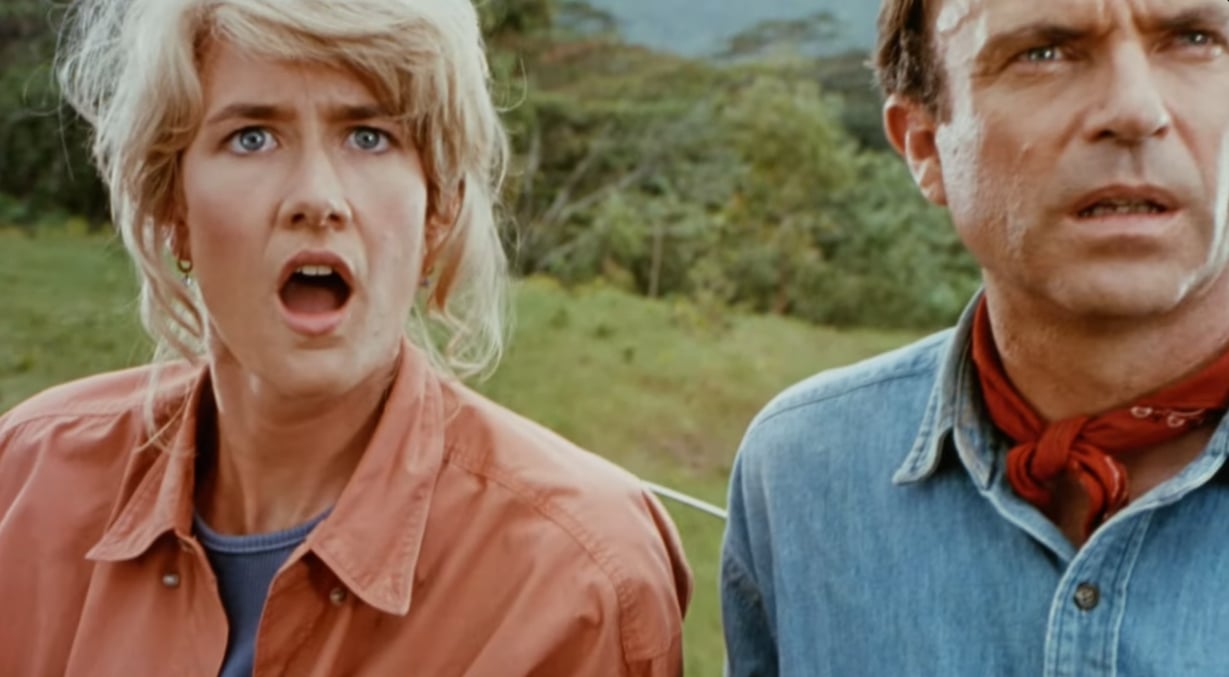
When Jurassic Park roared onto screens in 1993, it didn’t just break records; it set them. Steven Spielberg’s adaptation of Michael Crichton’s novel pushed visual effects to a point where audiences genuinely believed dinosaurs could exist again, and that awe hasn’t faded. The film delivers sequences that are still thrilling, no matter how familiar they are.
The combination of groundbreaking animatronics and a soaring John Williams score gives it a texture that modern CGI-only blockbusters often can’t match. It also struck a perfect balance between adventure, fear, and wonder, letting viewers both laugh and grip their seats. By the time the film hit its theatrical re-release and eventually passed $1 billion in worldwide gross decades after debut, it became clear Jurassic Park wasn’t a one-off nostalgia trip but a generational cinematic touchstone.
Actors like Jeff Goldblum deliver iconic lines with style, and every return watch invites you to notice small details in the environments and science fiction framework. The emotional trigger of wonder keeps it fresh.
Back to the Future
Rotten Tomatoes Classic Trailers via YouTube. Used under fair use for commentary.
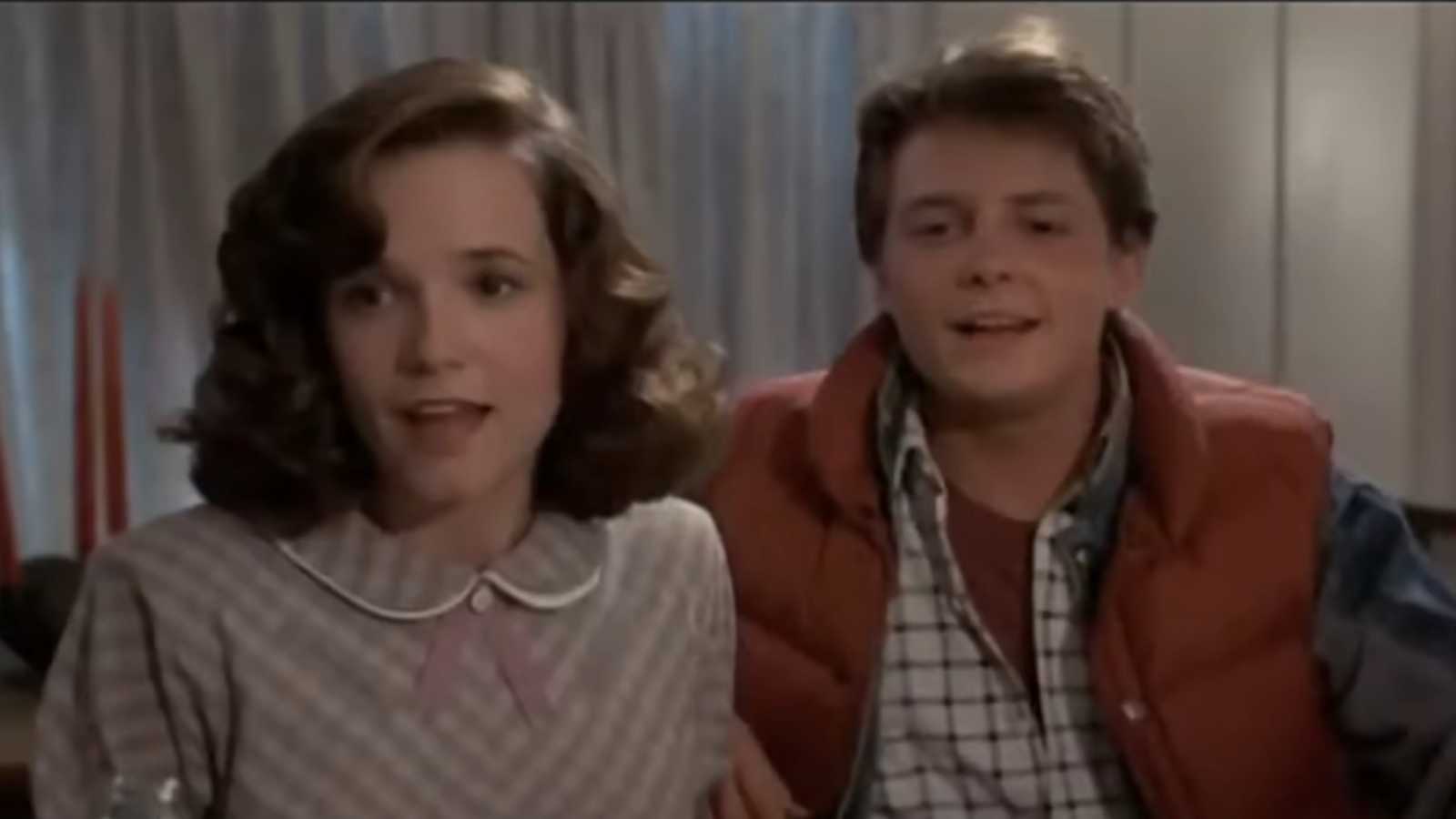
Few films blend heart, humor, and clever plotting as seamlessly as Back to the Future, Robert Zemeckis’s touchstone 1985 sci-fi adventure. The premise, teenager Marty McFly accidentally sent back to 1955, is fun on its own, but the way it plays with time paradoxes and relationships keeps viewers engaged watch after watch.
Michael J. Fox’s effortless charm as Marty and Christopher Lloyd’s eccentric Doc Brown create a duo dynamic that still feels lively decades later. That DeLorean hitting 88 mph to the pulse of iconic music is one of those cinematic images that never stops being exhilarating. The script’s mix of humor, adventure, and clever plotting makes it densely packed with moments you only notice on repeat viewings; it’s iconic but also richly layered.
Audiences and critics alike have cemented its legacy: it’s preserved in the U.S. National Film Registry and regularly appears in lists of the greatest films ever made. Scenes like the clock tower lightning strike or George McFly’s showdown with Biff have become cultural touchstones that still deliver a thrill. It’s equal parts time-travel puzzle and heartfelt coming-of-age story, which is why it never feels stale, even after countless rewatches.
The Princess Bride
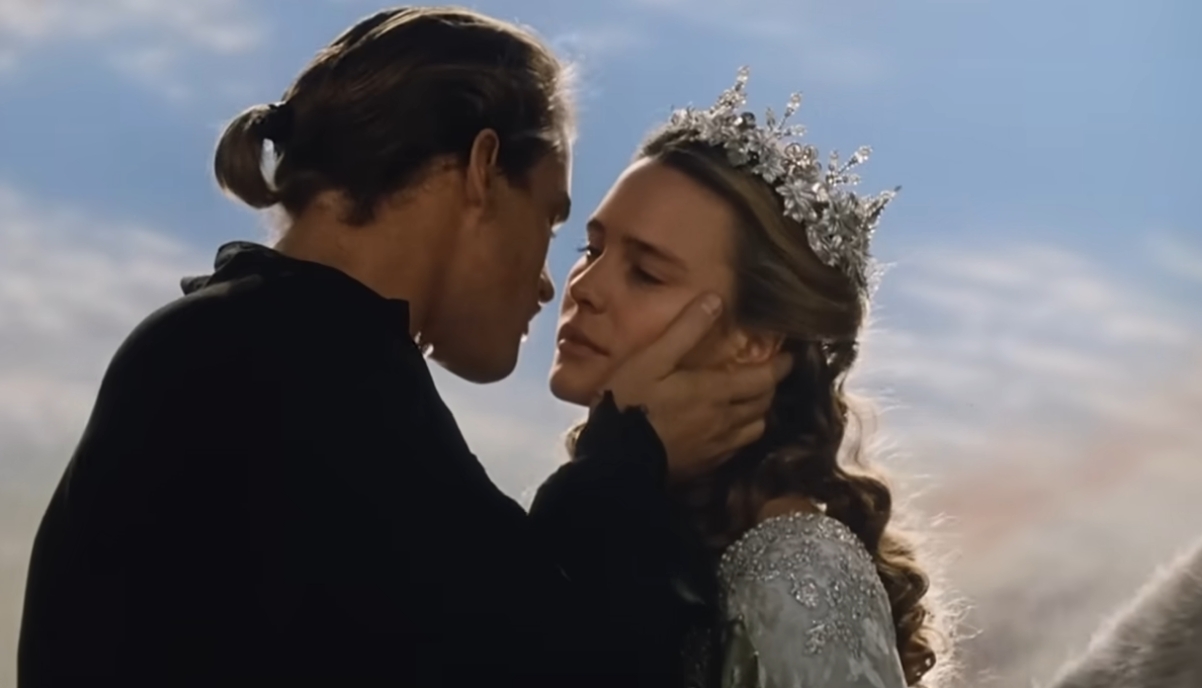
The Princess Bride isn’t just a fairy tale; it’s a treasure trove of quotable dialogue, unforgettable characters, and layers of story that reward repeat watches. Directed by Rob Reiner and packed with wit and heart, it tracks Westley’s quest to rescue Buttercup through sword fights, giants, and the ever-confident Inigo Montoya. Critics loved it, and audiences handed it an A+ CinemaScore, signaling instant and lasting affection.
Its mix of playful romance, skirmishes, and meta-narrative (a grandfather reading a story to his grandson) gives it emotional depth that few adventure films manage. Every character has lines that have become part of shared popular culture.
And because its story isn’t dependent on spectacle, each rewatch invites viewers to focus on the razor-sharp script and unexpected comedic rhythms. Its romance doesn’t feel cloying but timeless, which is why it works for kids and adults alike. The film’s ability to feel like both an epic quest and a warm story told between loved ones keeps drawing viewers back.
Home Alone

Home Alone, directed by Chris Columbus and written by John Hughes, turns an eight-year-old’s Christmas vacation mishap into a comedy classic that families rewatch annually. Macaulay Culkin’s fearless performance as Kevin McCallister defending his home against bumbling burglars delivers laughs that never stop landing, even when you know each trap’s setup. The humor is physical, clever, and occasionally chaotic, which means every viewing still surprises in small ways.
Composer John Williams’ whimsical score adds warmth and holiday magic to the mischief. While many holiday movies are nostalgia-based, Home Alone also has structural strengths: clear stakes, inventive set pieces, and genuine emotional beats when Kevin learns about family and forgiveness. For many people, watching it yearly is a tradition that pairs personal nostalgia with comedy perfection.
Pulp Fiction
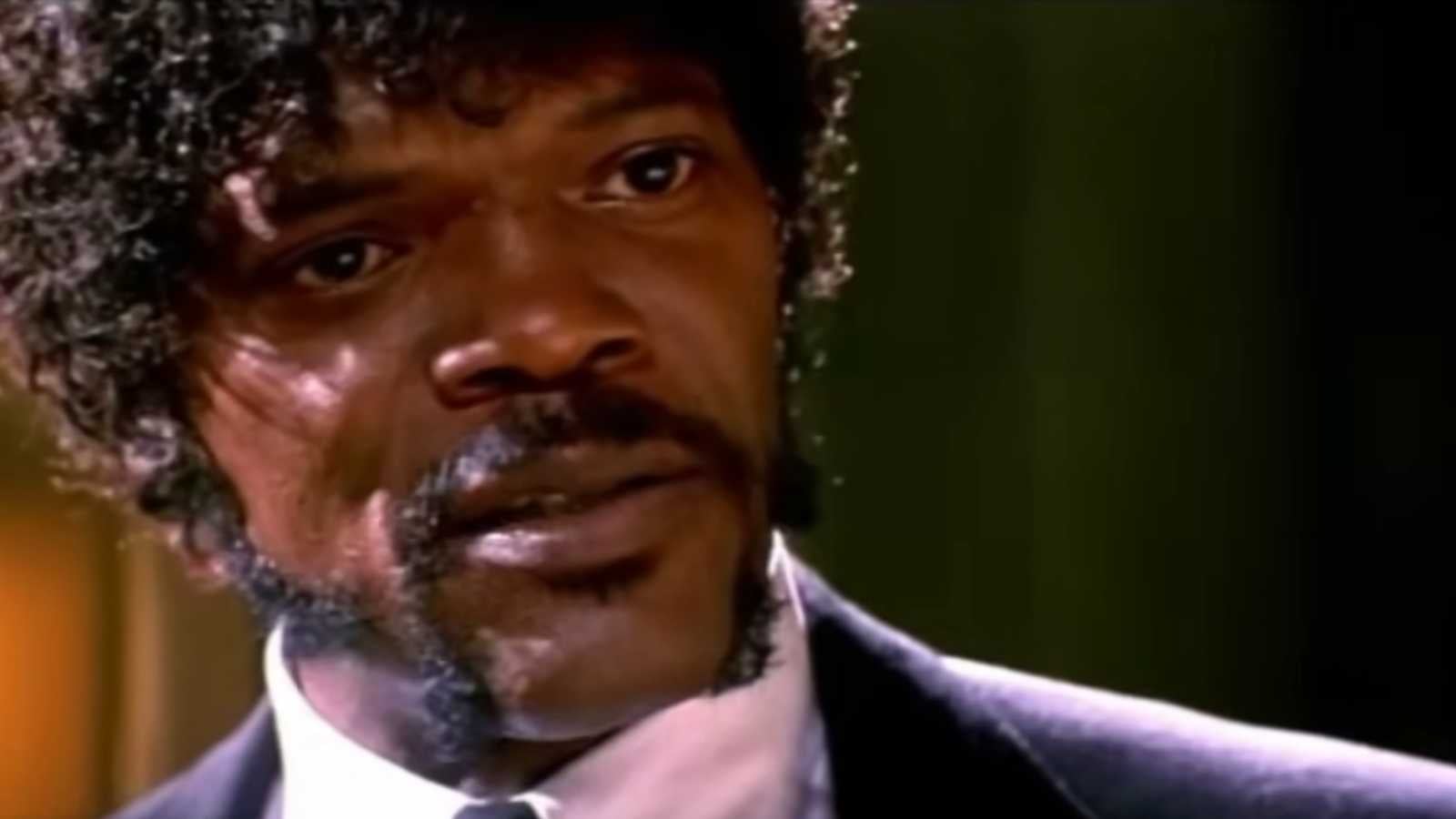
Quentin Tarantino’s Pulp Fiction reinvented narrative storytelling by weaving interlocking tales in a non-linear structure that rewards repeated viewing. Its sharp, memorable dialogue and rapid tonal shifts between violence and dark comedy make every scene feel electric, even after multiple watches.
The film’s cultural impact shows up in its rankings on AFI and Empire greatest-films lists, and it pushed Tarantino into the stratosphere of influential filmmakers. Characters like Vincent Vega and Jules Winnfield have become cultural icons whose presence alone pulls viewers back into the film’s world. Unlike typical crime movies, Pulp Fiction invites viewers to piece together its timeline like a cinematic puzzle, which makes repeat watches feel like solving a mystery.
Its gritty realism mixed with stylized violence and humor creates a unique tone that never gets old because you always notice something new. The soundtrack, steeped in ’60s and ’70s grooves, also feels endlessly replayable. For fans of storycraft and dialogue, Pulp Fiction remains an endlessly intriguing experience.
The Dark Knight
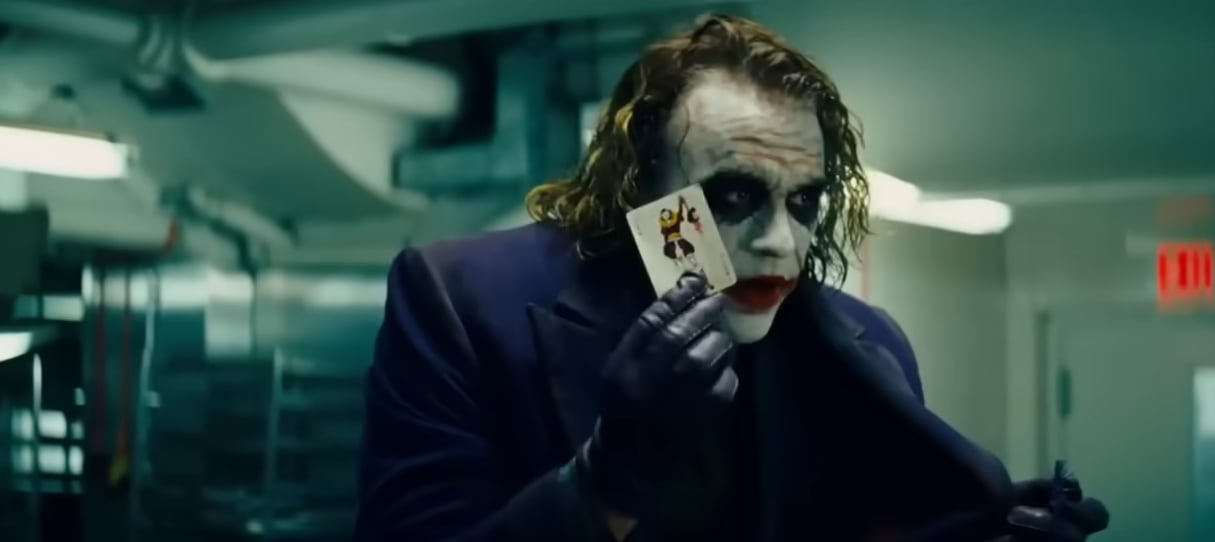
Christopher Nolan’s The Dark Knight didn’t just elevate the superhero genre; it turned it into an art form that still draws viewers back years later. With Heath Ledger’s iconic Joker performance and a morally ambiguous story, the film stands out as more than just action cinema; it’s a character study, thriller, and psychological drama all in one.
Critics and audiences alike have ranked it among the greatest films of the 21st century, with placement on lists of best action and superhero movies ever made. What keeps viewers returning isn’t only the spectacle, but the philosophical tension between order and chaos, law and vigilantism. Scenes like the interrogation or the Joker’s pencil trick remain iconic because they’re unpredictable, even if you know exactly what’s coming.
Christian Bale’s grounded Batman performance layers depth onto the film’s moral stakes, giving viewers reasons to rewatch beyond excitement. Its technical craftsmanship, editing, score, and pacing feel seamless and rich on repeat viewings. The Dark Knight isn’t just a superhero movie; it’s a story about choice, consequence, and chaos that stays thought-provoking long after the credits roll.