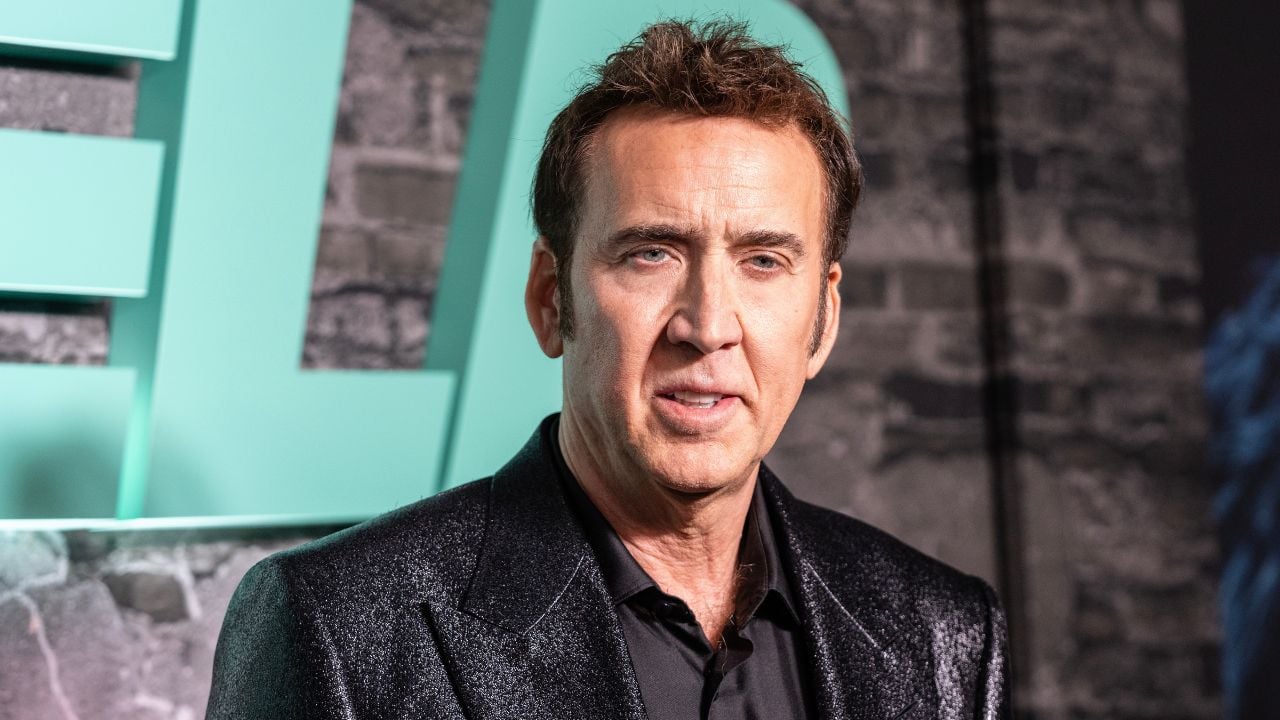
Nicolas Cage has spent most of his career making choices that other movie stars might have avoided. He has jumped from Oscar-winning drama to action blockbuster, from surreal indie work to comic-book roles, and from cult oddities to a coming John Madden biopic.
Now he says one choice from the early 2000s may have closed a door that never reopened.
In a recent New York Times interview covered by Entertainment Weekly, Cage said he once turned down a part in Christopher Nolan’s 2002 thriller Insomnia. He also said Nolan has not offered him another role since.
That does not mean Nolan has confirmed Cage’s interpretation. The claim is coming from Cage, who framed the story as part of a wider pattern he believes has followed him through Hollywood: say no to certain directors once, and the phone may stop ringing.
Cage Thinks Some Directors Remember Rejection
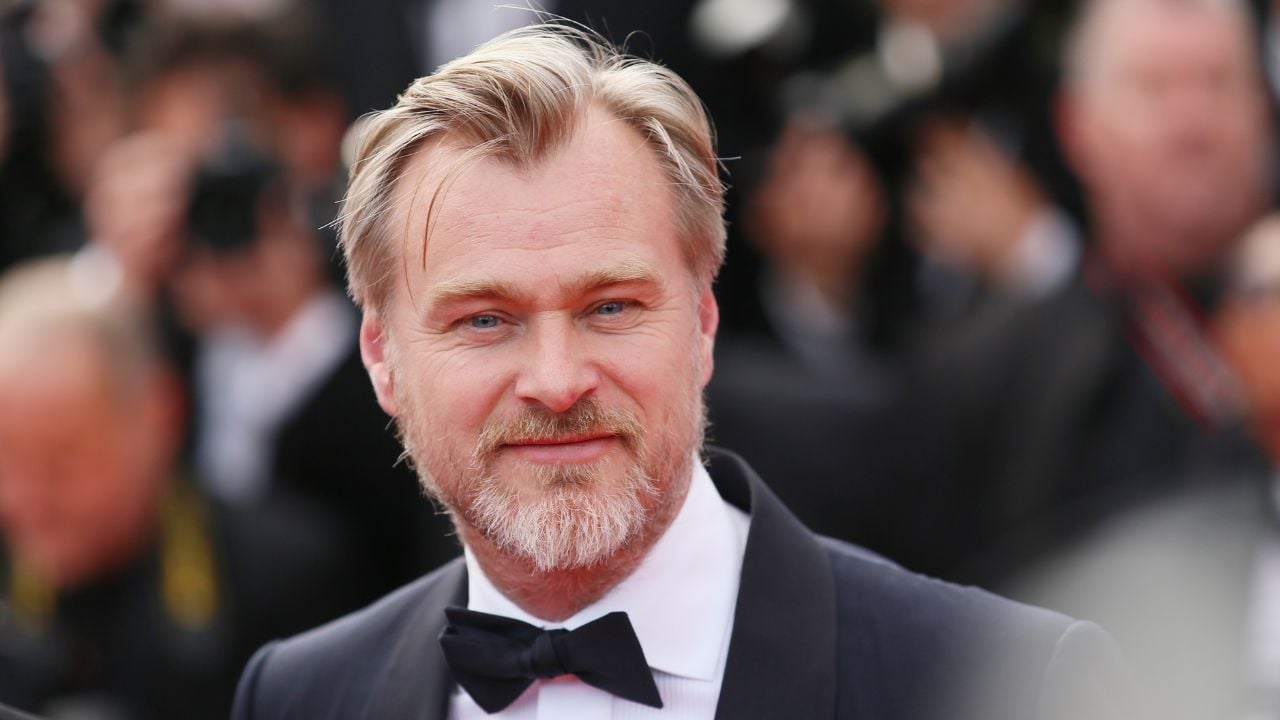
Cage did not present the Nolan story as an isolated disappointment. According to People, he also named Woody Allen and Paul Thomas Anderson while discussing filmmakers who, in his view, stopped offering him work after he declined earlier projects.
His explanation was blunt. Cage said that “most” directors “get their feelings hurt and don’t call you back” after an actor turns them down, according to Entertainment Weekly.
He then named Nolan directly, along with Allen and Anderson, while saying the pattern has happened to him many times. People reported that it reached out to the directors for comment.
That distinction matters. Cage is describing how the industry has felt from his side of the table. Nolan has not publicly said that Cage’s rejection of Insomnia affected any later casting decision.
The Insomnia Mystery Is Still Missing Its Biggest Detail
Insomnia sits in a fascinating place in Nolan’s career. It arrived after Memento made him one of Hollywood’s most watched young directors, but before Batman Begins turned him into a blockbuster filmmaker.
The finished movie starred Al Pacino as Will Dormer, a Los Angeles detective sent to Alaska to investigate a murder case under constant daylight. Robin Williams played Walter Finch, a crime novelist connected to the killing, while Hilary Swank played local detective Ellie Burr.
Cage has not said which part Nolan offered him. That missing detail is what keeps the story interesting. If the offer was one of the major roles, Insomnia might have placed Cage inside a colder, quieter kind of psychological thriller than the louder studio films that defined much of his early-2000s run.
It also would have paired him with Nolan before the director became one of the most powerful filmmakers in the business. By the time Nolan moved into The Dark Knight, Inception, Interstellar, Dunkirk, and Oppenheimer, the chance for a first collaboration had already passed.
The What-If Works Because Cage and Nolan Both Like Extremes
The unrealized pairing is not just a casting footnote. Cage and Nolan are very different artists, but both are drawn to characters under pressure.
Nolan often builds stories around obsession, guilt, fractured time, moral compromise, and men trying to control systems that eventually overwhelm them. Cage has spent decades playing characters who look as if they are one bad decision away from breaking open completely.
That overlap makes the Insomnia story feel larger than a missed paycheck. Cage in a Nolan film could have gone several directions: tightly restrained, fully unhinged, or somewhere between Pacino’s exhaustion and Williams’ eerie calm in the finished movie.
The unanswered role also keeps the speculation from becoming too neat. Cage may have been offered a central part, or he may have been approached for something smaller. Without that information, the safest version of the story is also the most intriguing one: Cage said no to Nolan once, and the collaboration never happened.
David O. Russell Became the Rare Second Call
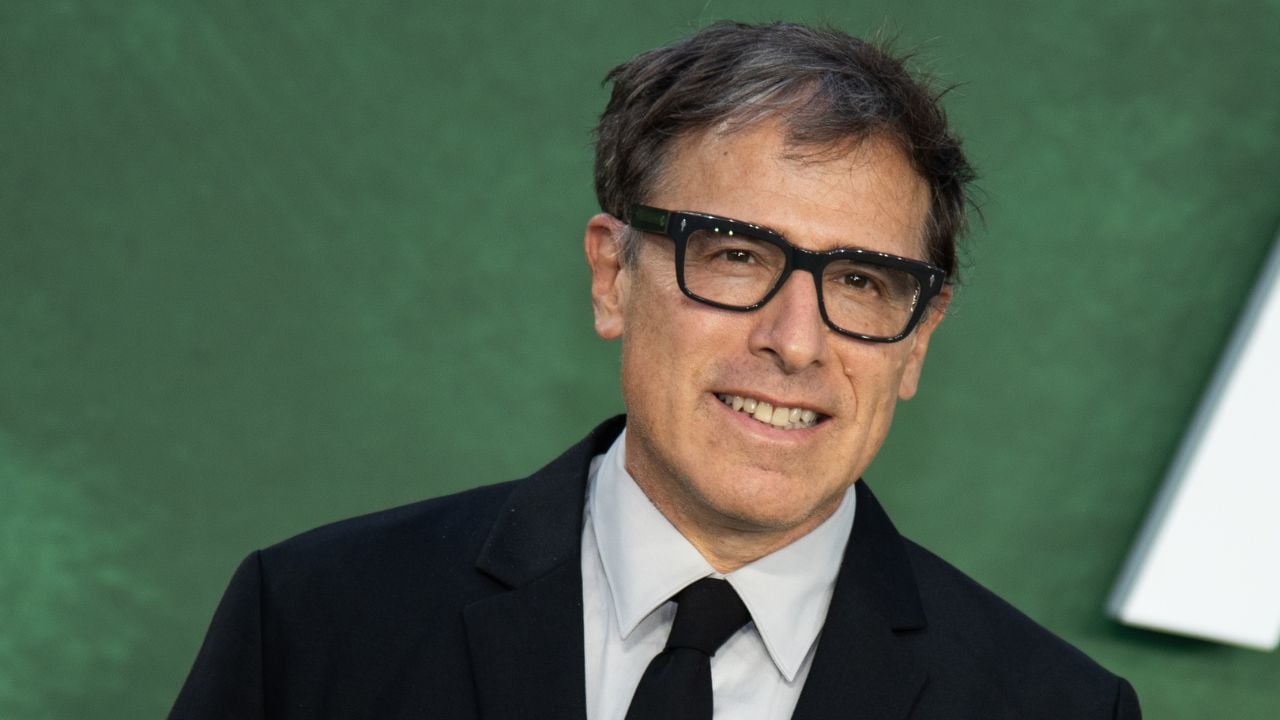
Cage contrasted those missed connections with David O. Russell, who eventually came back with another offer after Cage had turned him down years earlier.
Russell later cast Cage as NFL coach, broadcaster, and video game icon John Madden in the upcoming film Madden. People reported that the movie also stars Christian Bale as Raiders owner Al Davis, with John Mulaney, Kathryn Hahn, Sienna Miller, and Shane Gillis in the cast.
Cage said Russell was the only director he had rejected who returned with another offer. He also said the second call showed “a lot of class,” according to Entertainment Weekly.
The Madden role also gives the story a stranger turn than a standard Hollywood grudge anecdote. Cage told People that he did not see much of himself in Madden before taking the part. That challenge appears to be part of what drew him in: playing a huge American sports figure instead of another role built around Cage’s own screen mythology.
Spider-Noir Puts Cage Back in Comic-Book Territory
The Nolan comment surfaced while Cage is promoting Spider-Noir, a live-action series based on Marvel’s Spider-Man Noir. Reuters reported that Cage plays an older, hard-edged Peter Parker, renamed Ben Reilly for the series, who works as a private investigator in 1930s New York.
The series is being released on Prime Video and MGM+ with both black-and-white and color viewing options. Cage told Reuters that he shaped his performance for black-and-white presentation, calling the dual-format release “a little revolutionary.”
That project makes the Nolan anecdote land differently. Cage is not an actor waiting around for one director to rescue his career. He is still choosing unusual material, still putting himself in visually stylized worlds, and still taking roles that make sense only because he is the one playing them.
The Nolan Story Says More About Cage Than Nolan
The easy version of the story is that Cage turned down Insomnia and lost a future with Nolan. The more interesting version is about how Cage thinks careers are shaped by refusals as much as acceptances.
Actors usually promote the roles they took. Cage is talking about the ones he did not take, and he is doing it at a point in his career when the missed opportunities no longer define him. He has already been the romantic lead, the action star, the Oscar winner, the meme, the cult favorite, the comic-book voice, the horror lead, and now the aging noir superhero.
That history makes the Nolan detail feel less like regret and more like another strange branch on the Nicolas Cage timeline. He never made Insomnia. Nolan never circled back, at least according to Cage. Somehow, Cage still ended up with one of the least predictable résumés in modern Hollywood.