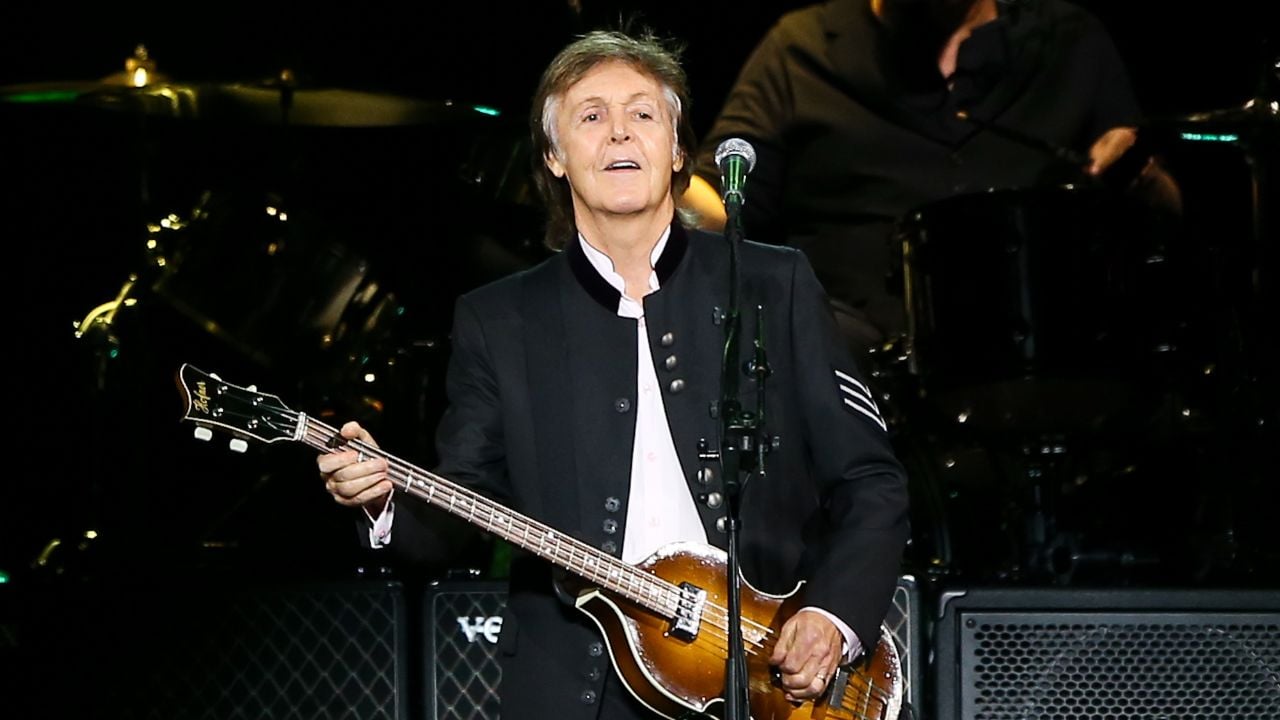
Paul McCartney has lived through a level of pop fame that very few musicians can describe from the inside. That made his answer about Taylor Swift more interesting than a simple compliment.
During a new BBC Sounds interview, the former Beatle was asked whether he sees a parallel between Swift’s current worldwide fame and the attention The Beatles received at their commercial peak.
McCartney said he does see the comparison, but he did not turn the moment into a lecture from one generation to another. Instead, he said Swift does not need his advice.
McCartney Saw a Parallel With Beatles-Level Fame
View this post on Instagram
In a BBC Radio 2 clip from the conversation, McCartney pointed to the scale of Swift’s fame rather than comparing her music directly to The Beatles. “You do see the parallel,” he said, referring to “the worldwide fame that Taylor Swift has and that we had.”
The distinction matters. McCartney was not saying Swift and The Beatles occupy the same era, sound, or cultural role. He was talking about something narrower: the rare experience of becoming globally recognizable in a way that reaches across countries, generations, and fan communities.
He also avoided the easy trap of presenting himself as the elder statesman who needs to correct a younger star. Asked whether he would offer Swift advice, McCartney said he would if she asked, but added that he does not think she needs it.
He Joked About Being Pop’s Grandad
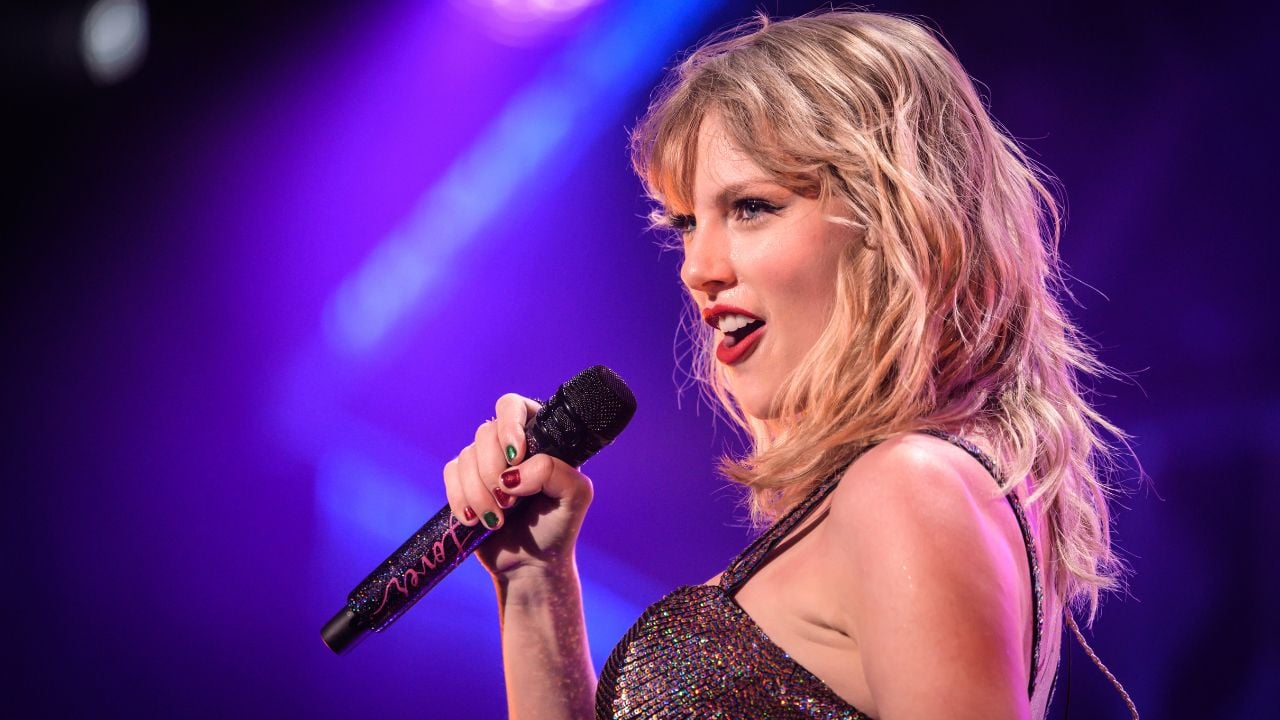
McCartney described himself as an “older brother” figure to younger musicians, then joked that “grandad” might be more accurate. The line kept the interview light, but it also captured his unusual position in pop culture.
Few living artists can speak from the center of both 1960s Beatlemania and the modern stadium-pop era. McCartney has watched fame move from television, radio, records, and newspapers into livestreams, fan accounts, social media clips, and global tour economics.
He also said he has met Swift and other major pop artists, including Billie Eilish, Olivia Rodrigo, and Sabrina Carpenter, through gatherings hosted by his wife, Nancy Shevell, and his daughter, designer Stella McCartney. McCartney praised the younger artists as talented singers and performers.
The Beatles Comparison Still Carries Weight
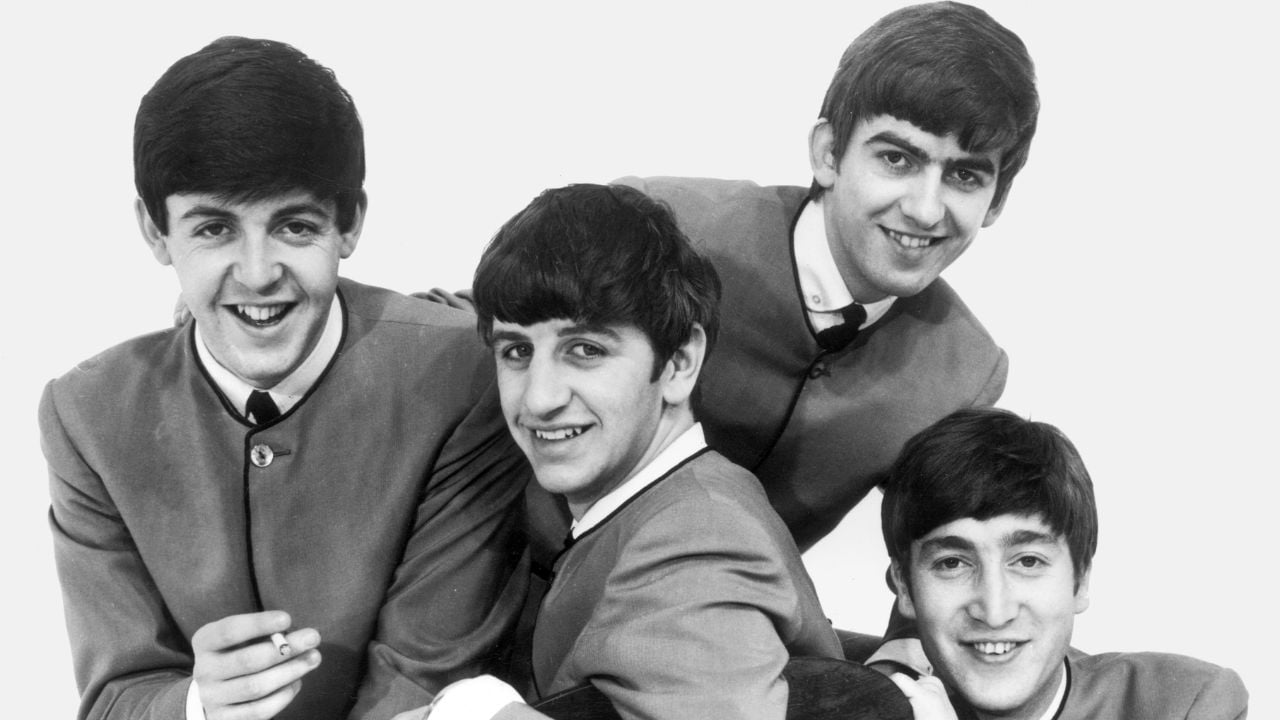
Swift’s version of global fame works through a completely different system. Her albums, rerecordings, tour clips, fan theories, stadium shows, and public appearances move instantly across platforms. Earlier stars dealt with intense attention, but not the same daily online circulation.
That is why McCartney’s answer worked. He did not force the comparison beyond what it could support. He recognized the scale of Swift’s fame while leaving room for the fact that her career exists in a different music business from the one The Beatles helped define.
Swift’s Eras Tour Explains Why the Question Came Up
The question arrived after a run in which Swift became one of the most visible entertainers in the world. Her Eras Tour became a global stadium event across North America, South America, Europe, Asia, and Australia.
Pollstar estimated that the tour grossed more than $2 billion and sold more than 10 million tickets, making it the highest-grossing tour of all time. Guinness World Records also identifies The Eras Tour as the first music tour to gross $1 billion and the highest-grossing music tour on record.
Those figures explain why McCartney was asked about Swift in the first place. The comparison was not about whether Swift sounds like The Beatles. It was about what happens when a musician’s audience becomes too large to measure only by album cycles or tour dates.
McCartney and Swift Have Crossed Paths Before
McCartney and Swift have shared public moments before this interview. In 2024, McCartney attended Swift’s Eras Tour show at Wembley Stadium in London, where he accepted friendship bracelets from fans and became part of one of the tour’s widely shared celebrity audience moments.
The two artists have also spoken publicly about songwriting and audience expectations in past years. McCartney has previously connected Swift’s relationship with her fans to his song “Who Cares,” which addressed bullying and the bond between artists and listeners.
His latest comments did not place Swift in The Beatles’ shadow. They placed both careers inside a larger conversation about the small number of artists who understand what worldwide pop fame feels like from the inside.