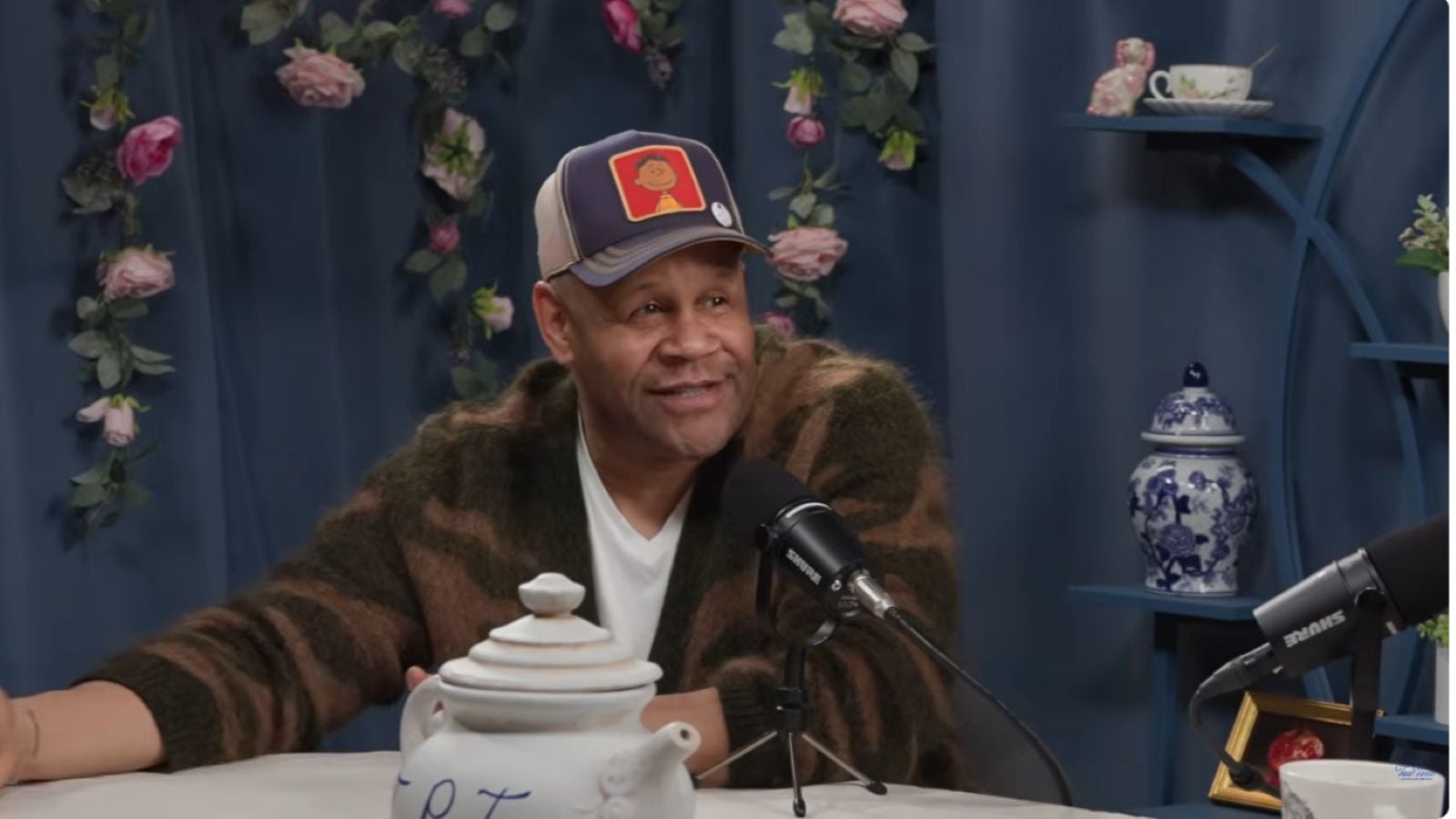
Rondell Sheridan spent years making millions of kids laugh as the dad from That’s So Raven. In 2025, a GoFundMe organized on his behalf said he’d been hospitalized twice with severe pancreatitis, couldn’t work, and needed help covering medical and monthly bills. The goal was $35,000. It ended up at $84,731.
All totals reflect amounts displayed on the campaigns as of Jan. 4, 2026, and may change as donations continue.
When Your Resume Can’t Pay Your Hospital Bill
If you want to flatten this into a morality play about bad spending, you can. It just won’t be accurate. The pattern that shows up across these 2025 GoFundMe campaigns is simpler and colder.
A health crisis does two things at once. It spikes costs, and it shuts down income. For many in entertainment, that income is tied to showing up in person and consistently. If your body says no, the money often stops faster than the bills do.
Fandom as the Last Safety Net
What’s striking is how many of these fundraisers are not for “extras.” They are for housing during treatment, a caregiver, copays stacking up, and funeral expenses.
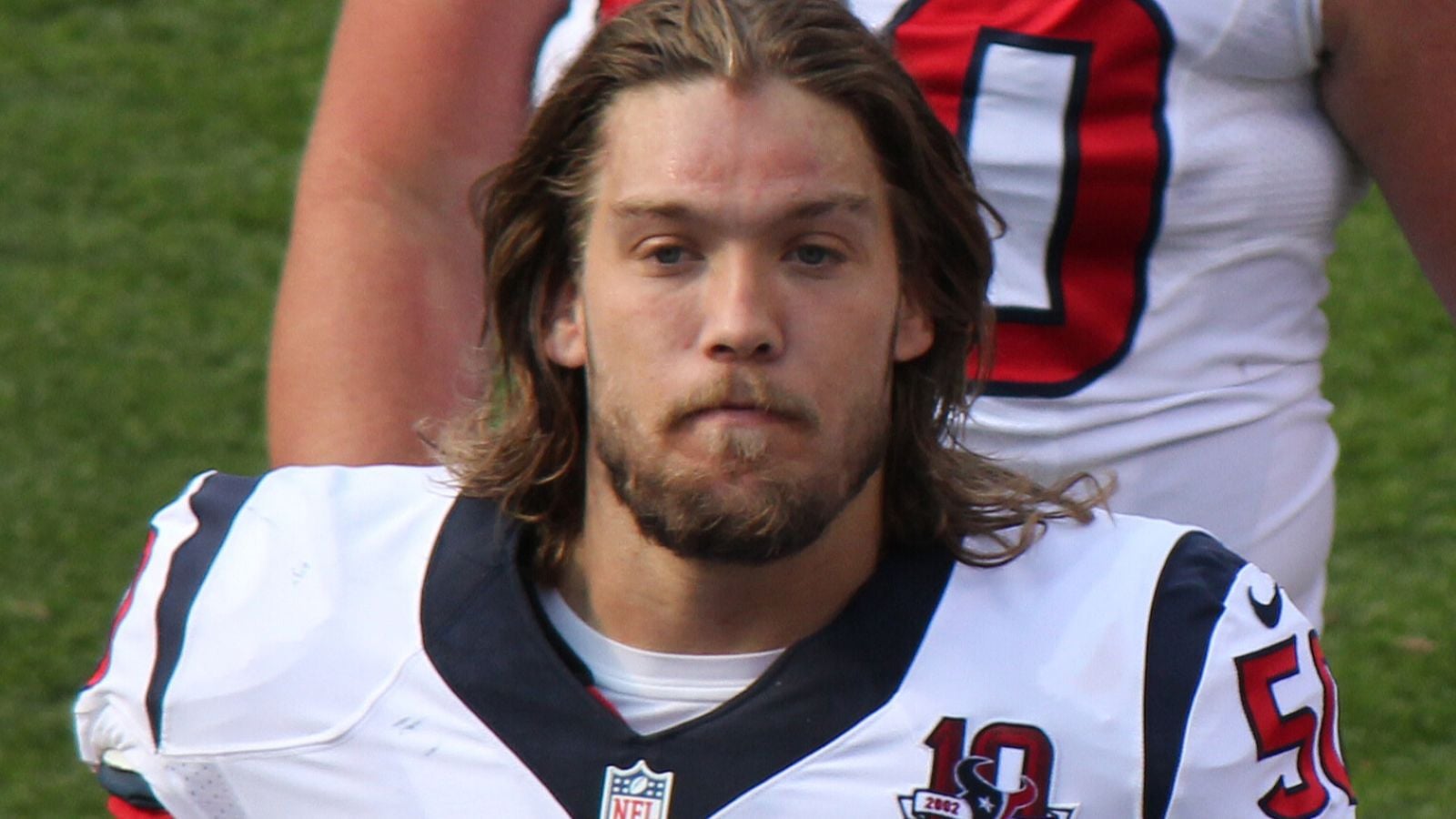
Former NFL linebacker Bryan Braman’s GoFundMe described a life-threatening cancer diagnosis and a 12-week treatment program in Seattle. The campaign description says he was required to have a 24-hour caregiver and that insurance didn’t cover housing for the program. It raised $91,203 against a $25,000 goal. Braman later died in July 2025, People reported.
Mike McFarland, known for English-language voice work and directing in anime dubbing, had a January 2025 GoFundMe after emergency surgery to remove a brain tumor. The fundraiser said proceeds would help hire a live-in medical assistant during recovery. Goal: $270,000. The page shows $255,175 raised.
Bret Shuford, one half of the “Broadway Husbands” social presence and a longtime stage performer, was the subject of an August 2025 GoFundMe describing a diagnosis of HLH and T-cell lymphoma and the financial strain of treatment on his family. The goal: $350,000. The page shows $332,777 raised. He died on Jan. 3, 2026, People reported.
A GoFundMe titled “Celebrating the Life of Mickey Lee” was created in December 2025 after the organizer wrote that she suffered several cardiac arrests due to flu complications and died. The fundraiser cites medical bills and funeral expenses. Goal: $45,000. The page shows $43,352 raised.
These aren’t identical situations, and they don’t need to be, but the plot-line is the same: When the system doesn’t catch you, the public becomes the backstop.

The Risk Transfer Is the Story
Here’s the shift that 2025 made hard to ignore: the financial risk of being human, of getting sick, has been quietly transferred from institutions to individuals, and from individuals to crowds.
That sounds empowering until you notice what decides who survives the gap. It’s whether your community is organized enough to mobilize, whether your fandom is big enough, whether your story is legible in a headline, or whether people feel close enough to you to treat your emergency like it happened to someone they know.
That can look heartwarming in screenshots, but it’s not a safety net. That’s a popularity contest applied to survival.
What a Disney Dad Fundraiser Really Tells You
Back to Rondell Sheridan.
A familiar face from family TV, suddenly reduced to a sentence that matters more than any credit list. Hospitalized twice. Unable to work. Needs help with medical and monthly bills.
Fans responded because they could. Because they cared. Because the internet can be kind.
But if the only thing standing between a recognizable working actor and financial free fall is a donation link, that is not a feel-good story. It’s a diagnosis.