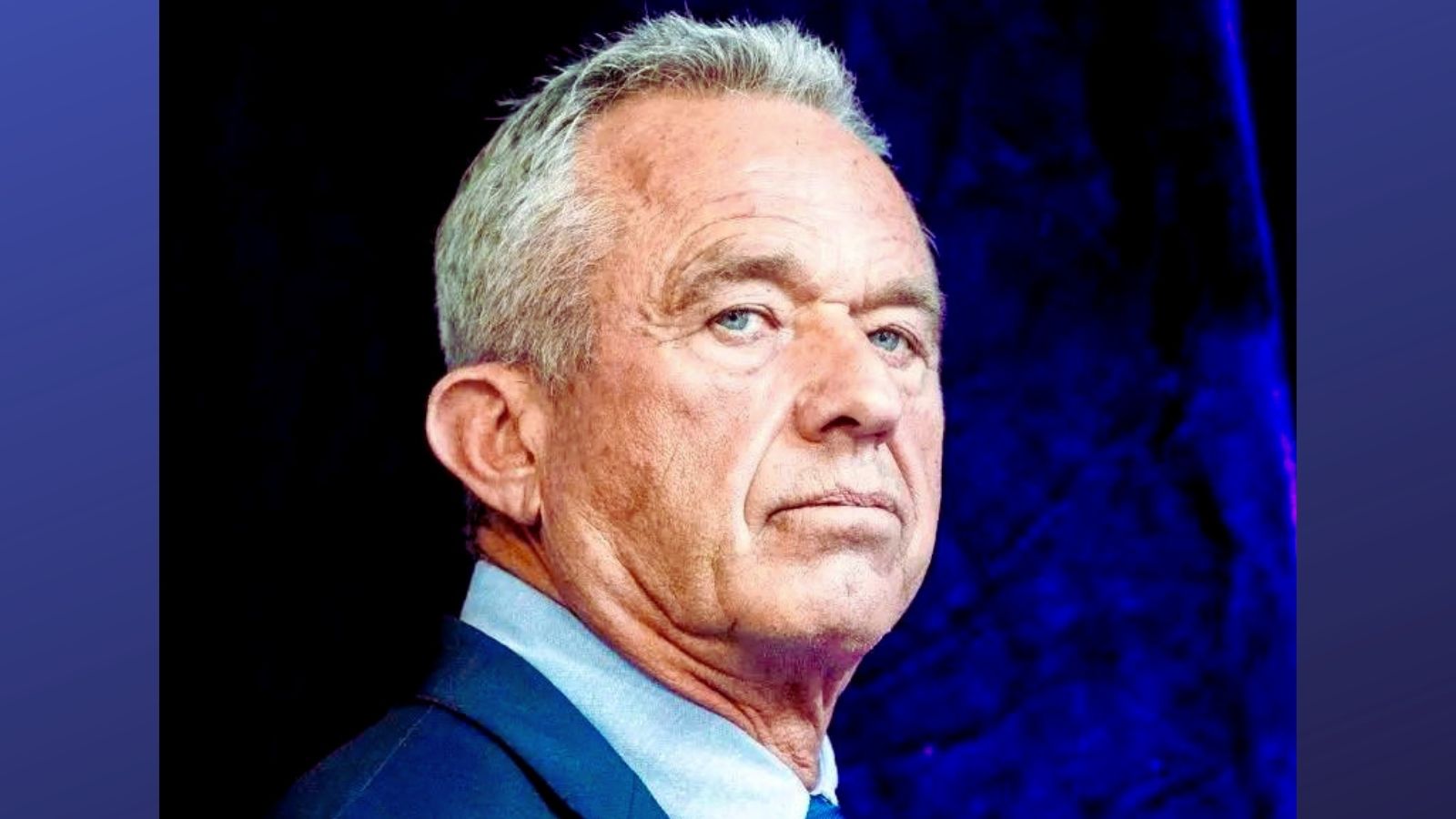
The Kennedy legacy has always felt like a blend of public service and a prestige series that somehow never gets canceled. But investigative journalist Isabel Vincent is now pulling the camera behind the scenes. Her new biography, RFK, Jr.: The Fall and Rise, digs into the domestic life of Robert F. Kennedy Jr. and his late wife Mary Richardson Kennedy.
Decades after their 1994 wedding, newly surfaced excerpts from his journals sketch out a marriage that sources describe as marked by “staggering levels” of tension. And this isn’t just historical gossip. It lands differently now because the same man was confirmed as U.S. Secretary of Health and Human Services in February 2025.
The public sees a polished Cabinet official. These diaries, at least as presented in the book, suggest something far more complicated, including remarks about Mary’s weight and claims that he told her she had “squandered her beauty.”
The timeline itself reads like something you wish wasn’t real. It starts with a society wedding and ends with Mary’s death by suicide on May 16, 2012 in Bedford, New York.
The Westchester County medical examiner ruled the cause of death as asphyxiation due to hanging. In between, the biography argues, was a marriage that looked nothing like Camelot. One particularly cutting detail describes a pattern in which affection would be followed almost immediately by criticism. Sources quoted in the book say Mary felt “terrified” during legal proceedings, yet still emotionally tied to him nearly until the end.
The Harsh Reality of a High-Profile Split
This is a very different version of the Kennedy image than the one usually presented. While Kennedy was moving toward a major government role, the biography paints a picture of conduct that sources claim may have added to his wife’s emotional distress.
Mary, it’s worth remembering, was not just a footnote in someone else’s story. She was a trained architect and had worked with Robert A. M. Stern. But over time, her public identity became more tied to the Kennedy narrative. The book includes claims that his behavior was seen as a factor in her mental health struggles, though it leans on private journals and anonymous sources rather than court-verified conclusions.
Other reports, including those from outlets like Us Weekly, add more context. Mary dealt with intermittent substance use and legal trouble. In 2011, she pleaded guilty to impaired driving, attended Alcoholics Anonymous, and sought inpatient treatment.
There is something particularly unsettling in the contrast the book draws: while she was reportedly trying to rebuild, he was privately documenting dissatisfaction with her appearance. The biography frames this “insatiable need for more” as part of his internal conflict, even as the couple maintained a composed public front.
A Timeline of Growing Tension
To really understand how all of this surfaced, you have to follow the sequence. The marriage began in 1994, shortly after Kennedy separated from his first wife, Emily Black. For years, they raised their four children, Conor, Kyra, Aidan, and William, in the public eye.
Then, by 2010, the cracks were no longer subtle. Kennedy initiated divorce proceedings that reports described as deeply contentious, with disputes over custody and finances.
The divorce was still unresolved when Mary was found in an outbuilding on the family property. That alone leaves a lot hanging in the air. Some investigative accounts reference her earlier draft divorce filings, which included allegations of physical abuse and prescription drug misuse.
Those claims were never fully litigated in court. Kennedy’s side pushed back with allegations about her instability. In the end, these filings remained unresolved, leaving a narrative that is now being pieced together largely from journals the public has not fully seen. Which raises its own question: who actually has these pages, and how did they end up in this book?
The Cultural Weight of the Kennedy Name
The reaction so far has been exactly what you would expect: equal parts fascination and discomfort. Outlets like People and Entertainment Weekly have zeroed in on the diary excerpts, especially the ones tied to Mary’s self-image.
There is also a quiet sense of mourning running through the coverage. People are looking at a woman navigating a high-profile life, a collapsing marriage, and personal struggles all at once. And then there is the contrast that keeps coming up. The same figure now holding a major public health role is described in the biography as keeping a 2001 journal that details encounters with dozens of women.
RFK Jr. dropped a raw confession:
As a kid he was the worst student his teachers had ever seen — bouncing off walls, unable to focus or sit still.
Then he started using heroin… and suddenly became one of the top students in his class.
It calmed the chaos in his brain and let… pic.twitter.com/mhq1OrsPFP
— Camus (@newstart_2024) April 7, 2026
At the same time, the book is very aware of its own limitations. Vincent reportedly had access to more than 1,200 pages of journals, but readers are only seeing selected excerpts. It leaves open the possibility that other entries might complicate or even soften the picture being presented. What we have instead is a reconstruction, one that leans heavily on what was written in private and what can be verified publicly.
What Lies Ahead for the Secretary
Looking forward, it is hard to imagine these revelations just fading away. Conversations around Robert F. Kennedy Jr. are likely to remain split between his role in government and the personal history outlined here. The biography’s 2026 release more or less guarantees that these details remain in circulation.
And there are still questions hanging in the air that no one has neatly answered:
Who currently holds the physical diaries, and who made the call to share these excerpts?
Were the mutual allegations in those draft filings ever properly investigated?
How much of the unpublished material might contradict or soften the tone of what has been released?
The fascination with the Kennedy family has always been about that uneasy mix of power and vulnerability. This story leans heavily into that tension. It asks you to consider the human cost behind a legacy that is often polished for public view.
And at the center of it all is Mary Richardson Kennedy, who is no longer here to offer her own version of events. What remains is a portrait assembled from journals she reportedly kept as “insurance,” and a narrative that, even now, feels incomplete.