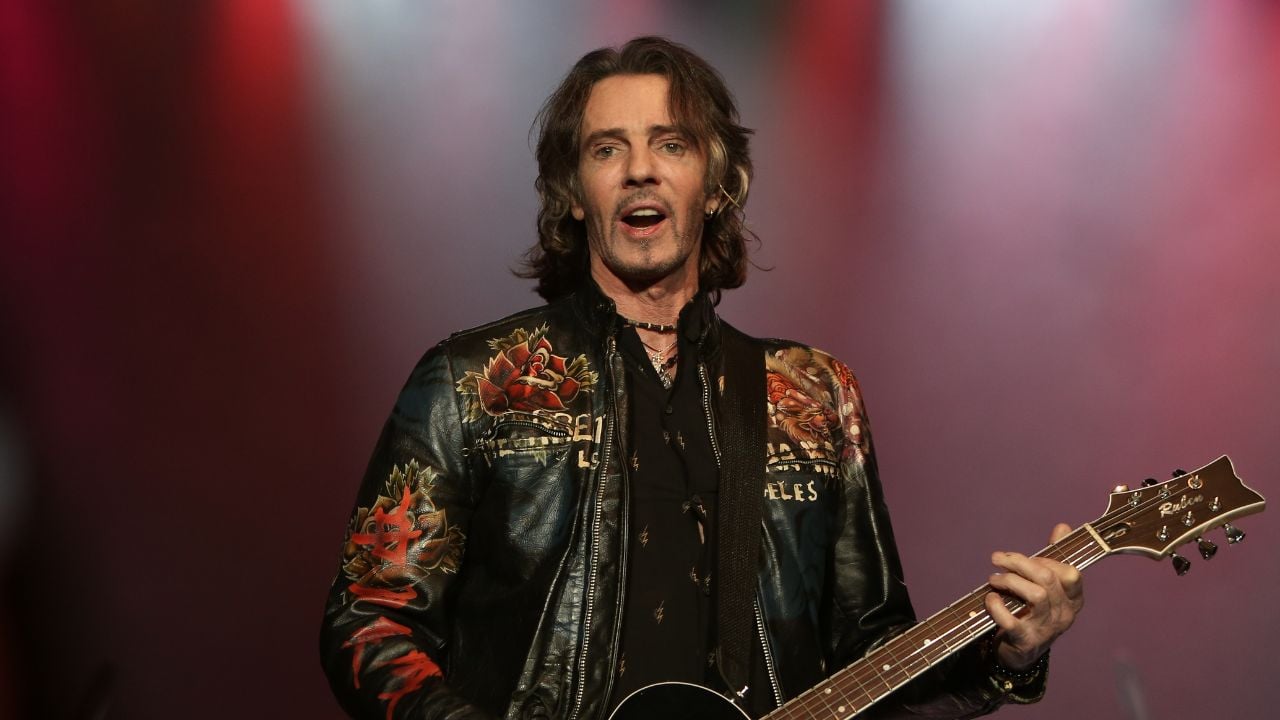
Rick Springfield became a U.S. citizen for practical reasons, but his explanation says more about his life in America than a paperwork answer usually would.
The Australian-born rocker, best known for “Jessie’s Girl,” opened up in a new People interview about why he officially became an American citizen in 2006. Springfield first joked that he wanted to experience jury duty, then gave the real answer: marriage, taxes, power of attorney, and making sure his wife, Barbara Porter, could make financial decisions if something happened to him.
The answer was not glamorous, but it fit the way Springfield described his life in the United States. America is where his family, friends, career, and daily routines have been rooted for decades.
Springfield Said the Decision Started With Practical Concerns
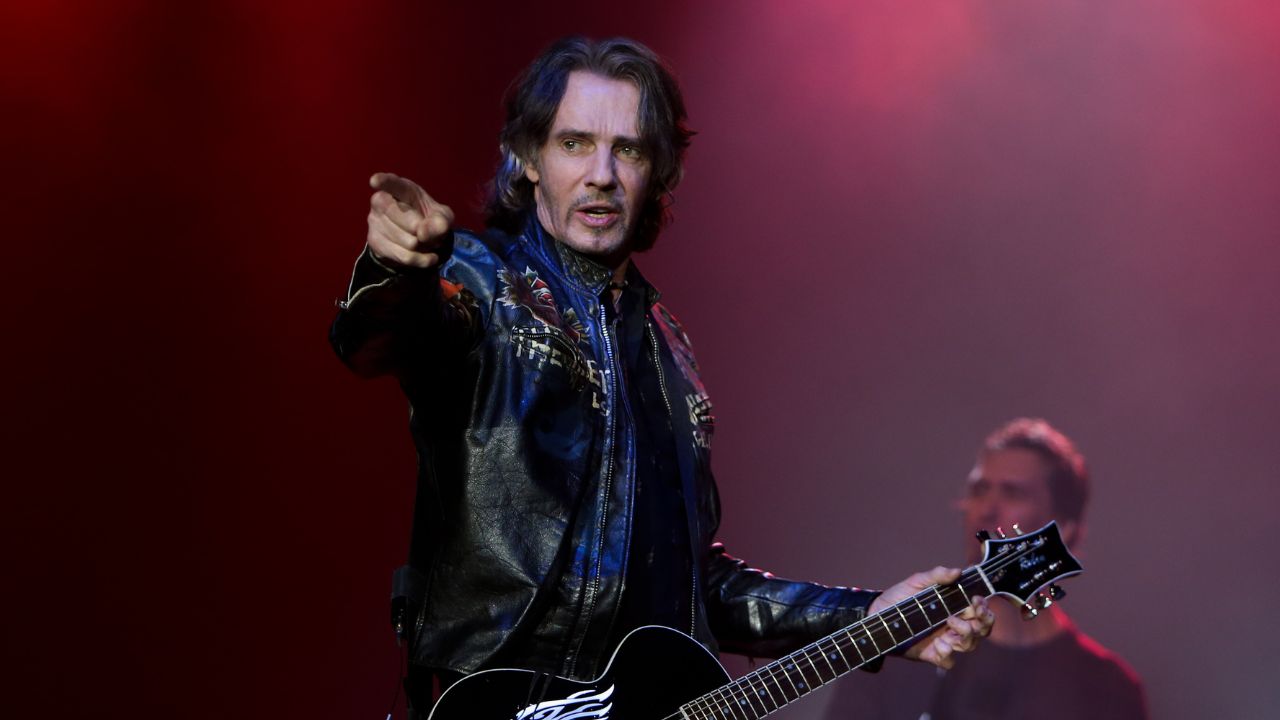
Springfield told People that the citizenship decision came down to “technical” issues tied to marriage, taxes, and power of attorney.
He said he wanted to make sure that if he died before Porter, she would be able to handle financial decisions without unnecessary complications. That gave the story a more personal shape than a celebrity talking point about patriotism or reinvention.
Springfield was not describing a dramatic identity change. He was describing a long-married musician making a legal and financial choice for the person who would be left to manage things if he died first.
He Still Made Clear That He Loves America
Springfield also said the decision was not only technical. He told People that his life, family, and friends are in the United States, and that he loves America.
That makes the citizenship story feel less like a sudden turn and more like a legal recognition of a life that had already been built here. Springfield was born in Australia and first built his music career there, but his biggest pop breakthrough, television fame, marriage, children, and later work have been tied closely to the U.S.
The paperwork made him American by law. His home life and career had already moved him there long before that.
His American Breakthrough Came Through Music and TV
Springfield’s American breakthrough came in 1981 with “Jessie’s Girl,” the hit that remains his signature song. That same year, he became known to daytime television audiences as Dr. Noah Drake on General Hospital.
The combination gave him two kinds of fame at once. Some fans discovered him through rock radio. Others knew him from daytime television. Over time, “Jessie’s Girl” kept finding new audiences through movies, television, radio, nostalgia playlists, and live shows.
Springfield’s career has never sat in only one lane. He has moved between music, touring, acting, writing, and later screen appearances, which helps explain why his American life became more than a touring stop or a temporary career base.
His Long Marriage Gives the Story Its Heart
Springfield married Barbara Porter in 1984, and their marriage has remained one of the constants in his private life.
That history matters because his citizenship explanation points back to responsibility rather than image. When celebrities talk about becoming citizens, the story can easily turn symbolic. Springfield’s answer was more grounded. He was thinking about what would happen to his wife if he died first.
That is what makes the jury duty joke work. The real answer was not about wanting a headline. It was about protecting the person who had built a life with him.
The Comments Arrive as He Heads Back on the Road
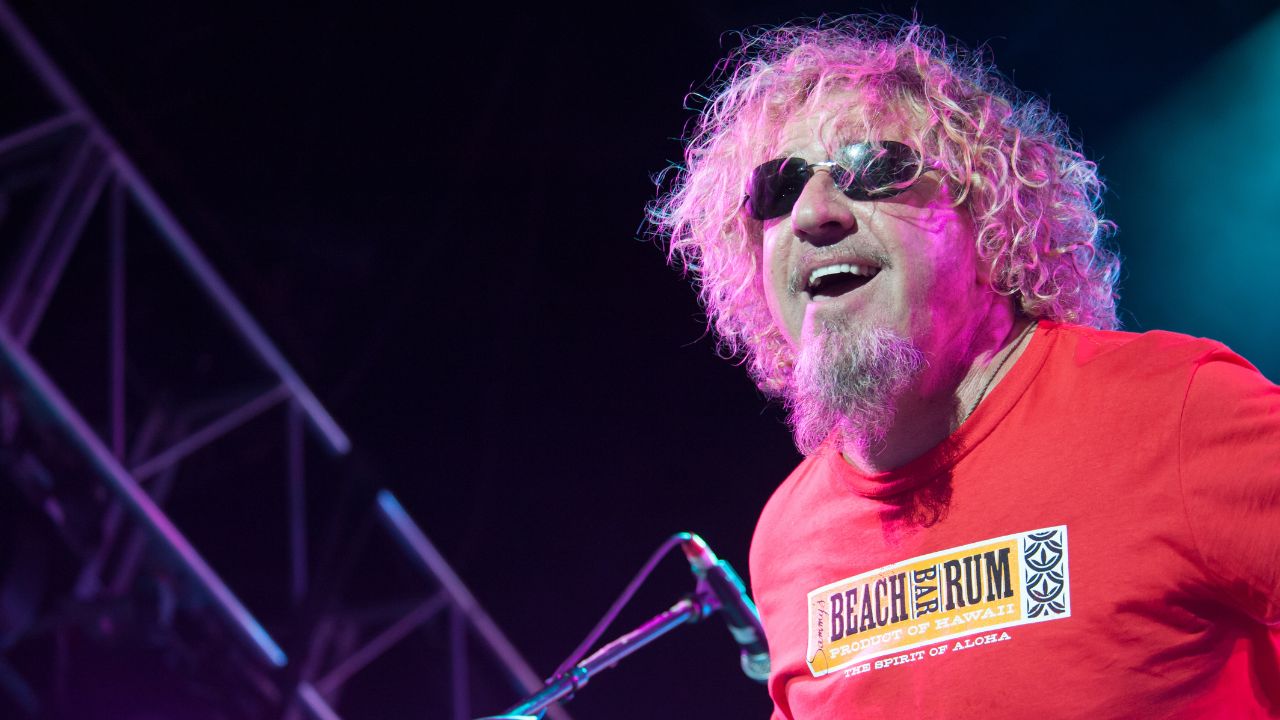
Springfield’s new interview also comes as he prepares to join longtime friend Sammy Hagar for several June dates on Hagar’s Best of All Worlds tour.
People reported that Springfield will join Hagar for eight shows in June. The two musicians have known each other for more than 50 years, with their connection going back to Springfield’s recording of “I’ve Done Everything for You,” a song written by Hagar.
The tour gives the interview useful career context. Springfield is not only looking back at citizenship, family, and old hits. He is still working, still touring, and still treating live performance as a connection to the fans who have carried his songs for decades.
Springfield Still Sees Live Music as a Time Machine
One of Springfield’s strongest comments in the People interview came when he talked about performing “Jessie’s Girl” after so many years. He said the song is now less about playing it for himself and more about the audience reaction.
That helps explain why his career has lasted. Songs like “Jessie’s Girl” are no longer only records from the early 1980s. For many fans, they are attached to youth, radio memories, relationships, concerts, and specific moments in their own lives.
Springfield understands that part of the exchange. His job on stage is not only to repeat a hit. It is to give the audience a way back to the feeling they came to hear.